
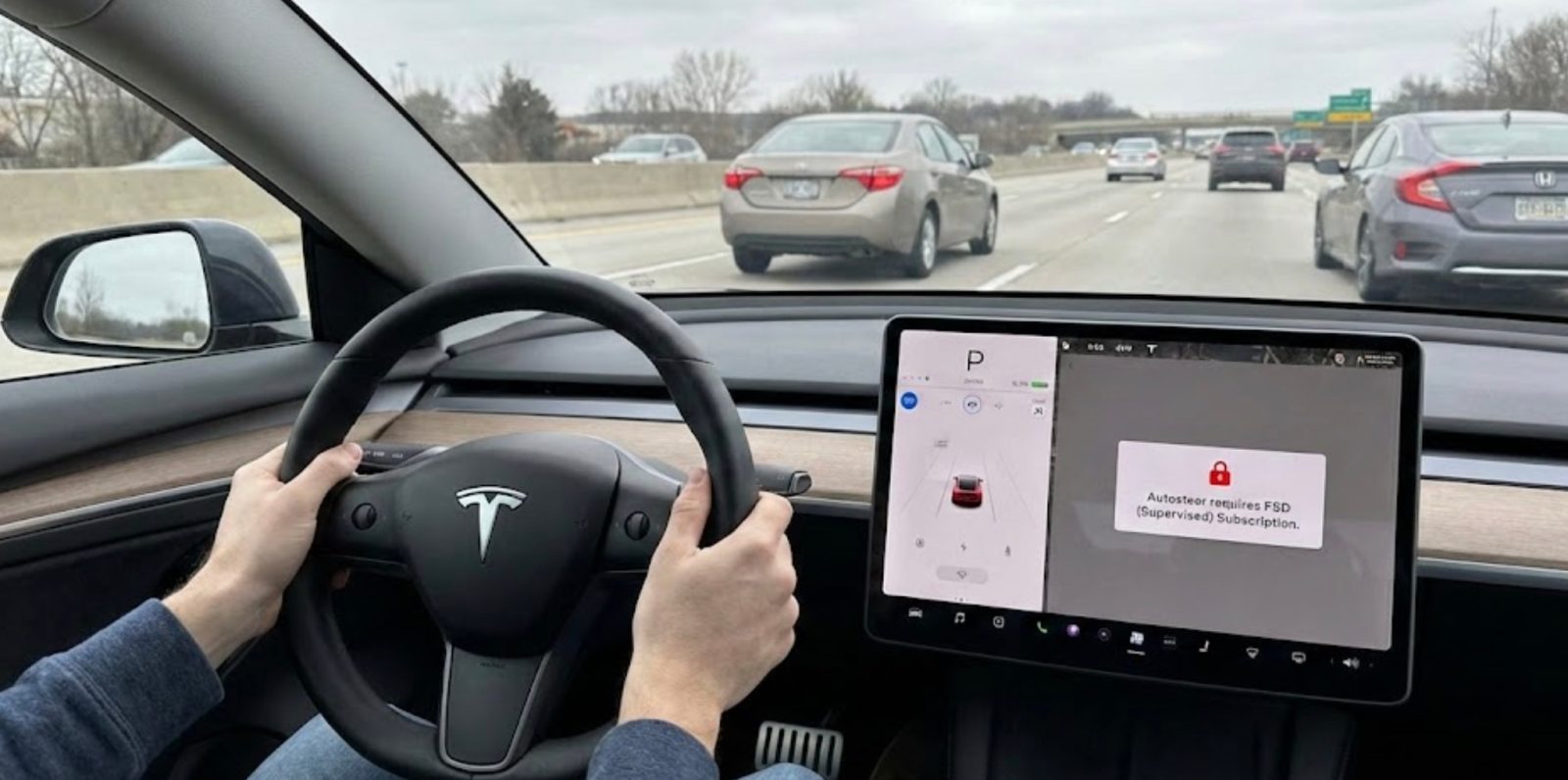
San Francisco 49ers head coach Kyle Shanahan crashed his Tesla Model S on July 14 while the car was running on Autopilot. He was reaching for a phone that had dropped out of reach, and he took his eyes off the road.
The crash left him with a concussion, a broken nose, three broken ribs, a broken left hand, and 40 stitches over his right eye. And to his credit, he isn’t blaming the car.
Shanahan walked reporters through the accident at 49ers training camp this week. It happened around 6:12 p.m. near Alma Street and Hamilton Avenue in Palo Alto, as he drove home to Los Altos from a chiropractor appointment. His iPhone slipped down and got stuck between the seat and the console. He looked down for about two seconds to grab it, drifted into oncoming traffic at roughly 20 mph, and hit a 21-year-old woman driving an SUV. She wasn’t seriously hurt.
A police database first logged the other driver as at fault. Shanahan corrected that himself. “I hit her. I don’t know why it was reported that way,” he said. Palo Alto police later called the entry a clerical error, and the responding officer chose not to cite anyone.
Shanahan takes the blame, and that’s the right instinct
Here’s where the coach earns some credit. He didn’t hide behind the technology.
“It’s always your fault. Whether you’re on autopilot or not, you can’t take your eyes off the road,” Shanahan said.
Always is excessive. We have seen instances of ADAS systems making mistakes that even an attentive driver couldn’t correct, but he is directionally right.
He was also honest about what he doesn’t know: “Whether it malfunctioned or whether I knocked it off, I don’t know yet. Who knows what happened when I turned around?”
That’s a straighter accounting than most Tesla drivers give after a crash. Shanahan reached for his phone, looked away, and owned the result. He even added the part nobody makes you say: “Anytime you cause an accident that can be avoided, you feel pretty stupid, especially when you have a chance to hurt someone else.”
But this is exactly how driver assistance gets you
The most important detail is sitting inside Shanahan’s own explanation: “I’ve had autopilot for nine years, so I’m pretty comfortable with it.”
That comfort is the problem.
Autopilot is Tesla’s Level 2 driver-assistance system. Level 2 means the car can steer, brake, and accelerate on its own, but the human stays fully responsible and has to be ready to take back control instantly, at any moment, with no warning.
The catch is that these systems work well enough, most of the time, that drivers stop paying attention. Nine years of a car mostly handling the drive teaches you to trust it. So when your phone drops, glancing down for two seconds doesn’t feel like a risk. It is one.
That’s the core flaw in Level 2 automation, and safety researchers have warned about it for years. The better the system gets at routine driving, the more it invites the driver to check out. Then it quietly hands control back at the worst possible moment. A person who’s been a passenger for the last 20 minutes can’t turn back into an alert driver in the half-second it takes to cross a center line.
Tesla’s own data shows the scale. Autopilot and FSD crashes reported to regulators hit a record 207 in a single month. And Tesla keeps pushing the other way on driver attention. Elon Musk has claimed FSD drivers can now text and drive, which is the opposite of what a Level 2 system requires from the person behind the wheel.
Electrek’s Take
Top comment by Stuart
This has been a big story in the Bay Area. I feel bad for the people involved but the silver lining is more people may start to think about both driving assistance and phones.
Also I appreciate Shanahan's candor.
Shanahan took a bad hit, he told the truth about it, and he corrected the record when a report pointed at a 21-year-old who did nothing wrong. That’s more accountability than most drivers show, and honestly more than Tesla itself usually offers when its software is running during a crash.
But his own explanation is the whole case against how Level 2 driving works today. Nine years of Autopilot made him “comfortable,” comfortable enough to look away at 20 mph. This is an experienced, careful guy, and it still got him. That’s not a Shanahan problem. It’s a design problem. I said it myself after experiencing FSDD v14: Tesla’s FSD is so good it makes you dangerously complacent.
The uncomfortable truth about Autopilot and FSD is that they’re good enough to lull you and not good enough to leave alone. They take over the boring parts of driving right up until the instant they need a fully engaged human, which is the exact instant the human is least ready. Shanahan got lucky. It was 20 mph and nobody died. Tesla is now marketing FSD as something you can trust while losing your eyesight, and it runs at 45, 65, and 75 mph.
If you’re driving an EV, powering it with home solar can cut your fuel costs to nearly zero. With electricity rates up almost 10% last year and expected to keep climbing, going solar is one of the best ways to protect yourself against rising costs. And with lease and PPA options, you can do it with zero upfront cost and start saving immediately. If you want to find the best deal, check out EnergySage. It’s a free service with hundreds of pre-vetted installers competing for your business, so you save 20 to 30% compared to going it alone. No sales calls until you pick an installer. Get your free quotes here.


FTC: We use income earning auto affiliate links. More.


Comments