
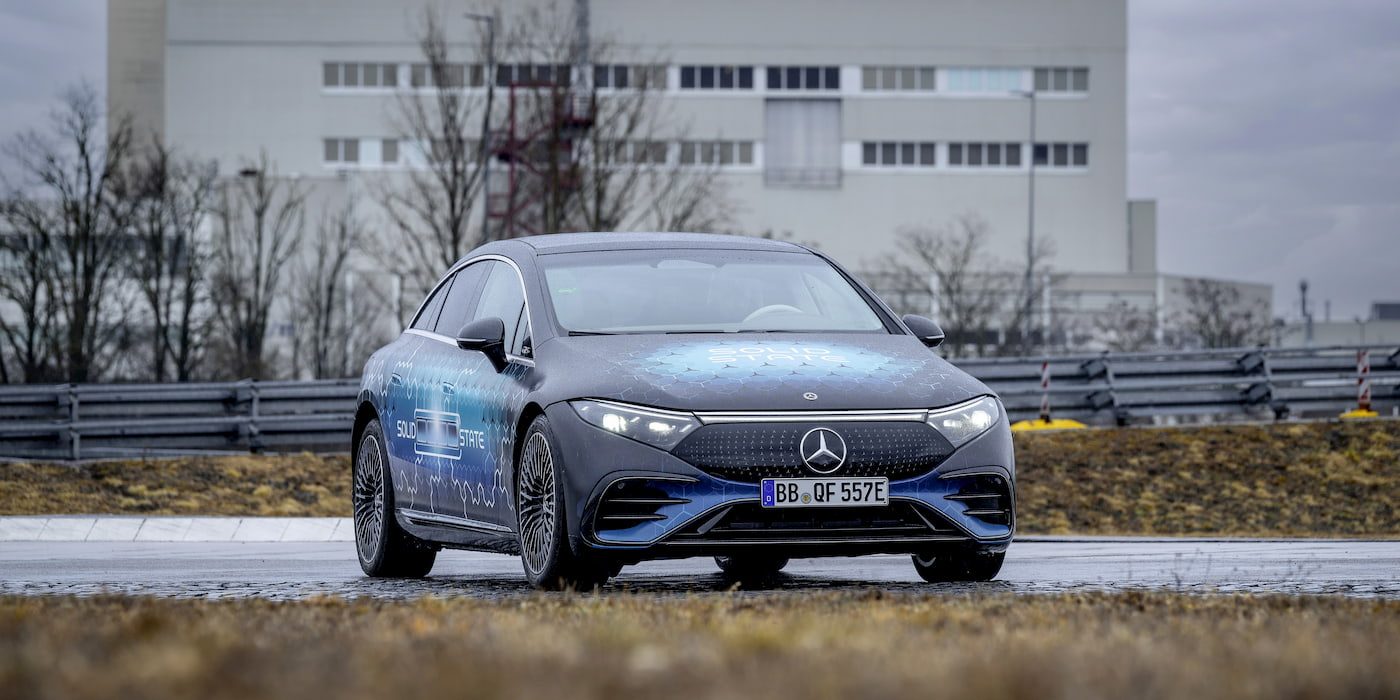
Building on its nearly 10-year history, Mercedes-Benz secured first rights to ProLogium’s latest Gen4 solid-state EV battery cells.
Mercedes gets priority for Prologium solid-state batteries
Battery tech is already light-years ahead of where it was just a few years ago. The next generation of batteries will be even safer and more efficient.
Solid-state batteries are widely considered the gold standard for next-gen EV batteries, promising drastically higher energy density, enabling faster charging times, longer driving ranges, and superior safety.
Mercedes-Benz continues advancing the new battery after announcing a joint test agreement with ProLogium on Thursday.
The agreement gives Mercedes priority access to ProLogium’s latest Gen4 Superfluidized Inorganic Lithium Ceramic Battery cells.
Mercedes will test the solid-state battery cells’ electric, thermal, and safety performance at “specialized external testing institutes” and facilities.
ProLogium’s Gen4 battery platform is designed to overcome some of the biggest hurdles in bringing solid-state batteries to market, including scalable manufacturing and a competitive cost structure.
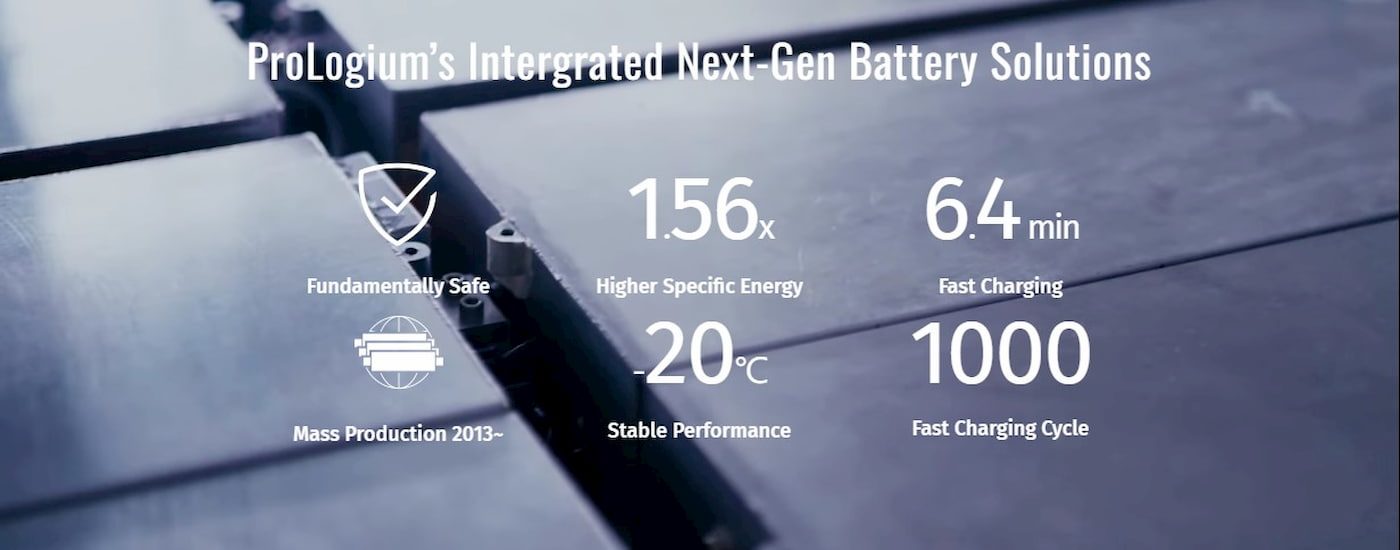
Using a non-flammable inorganic electrolyte, ceramic separator, and ProLogium’s proprietary safety mechanism, the architecture supports fast charging, high power output, and superior performance in cold temperatures.
Mercedes and ProLogium have been working together since 2016, moving from early hybrid-solid-state batteries to its latest Gen4 cells.
Moving from the lab to production
The two companies have validated multiple lithium ceramic battery formats, including pouch cells, the first next-generation prismatic cells, and ProLogium’s Bi-Polar technology.
ProLogium opened its first GWh-class gigafactory in Taiwan in May 2024. In February, it held a groundbreaking ceremony for its second battery gigafactory in Dunkirk, France.
Once the first phase is complete, the plant is expected to reach 4.0 GWh of annual production capacity, which is expected to be “progressively achieved” by 2030. The new Dunkirk facility will be able to produce up to 44 GWh once it’s fully operational.
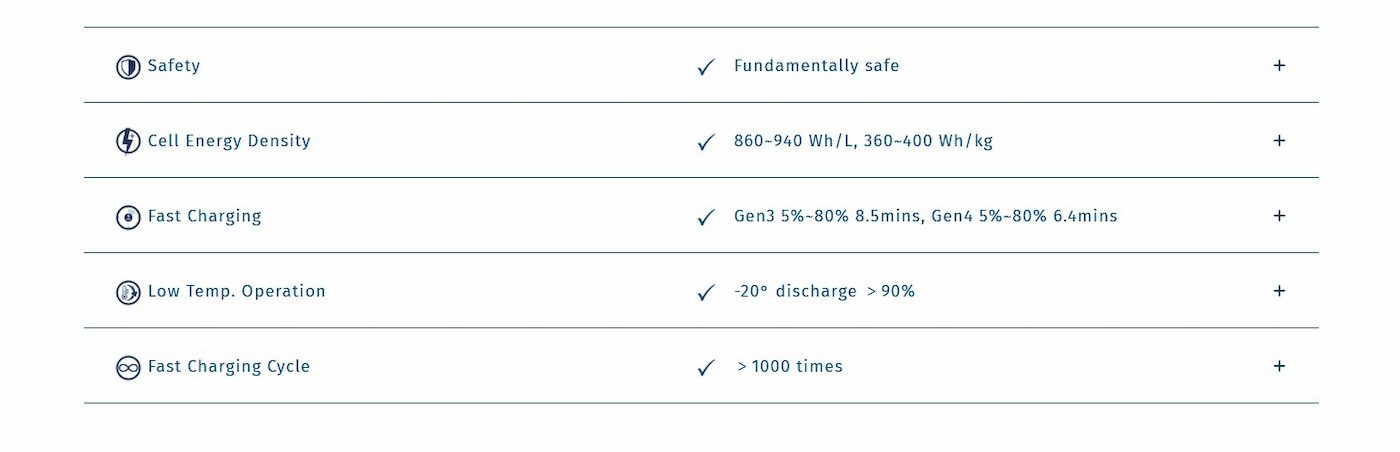
Prologium said its latest Gen4 solid-state battery cells offer an energy density of up to 400 Wh/ kg and ultra-fast charging from 5% to 80% in 6.4 minutes.
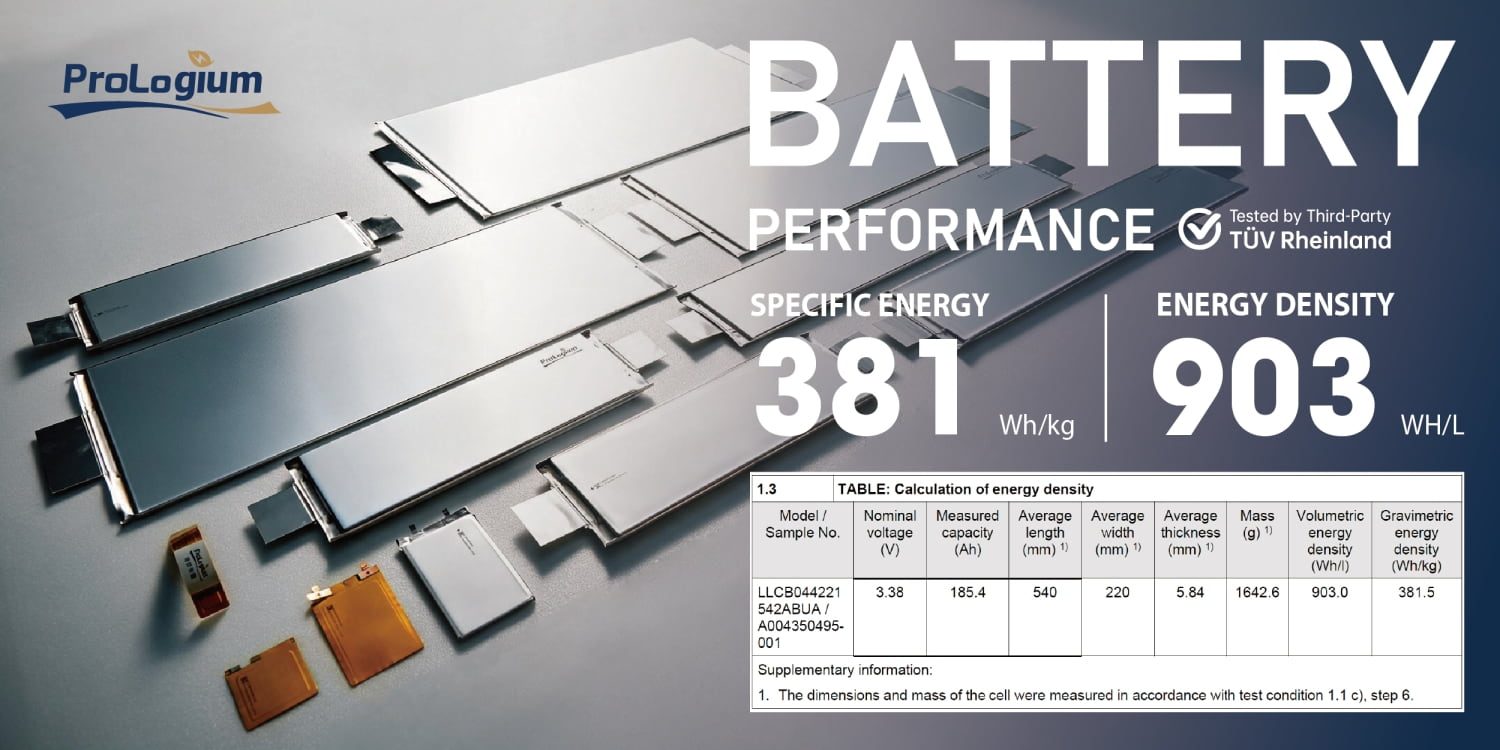
A third-party TÜV test report showed that ProLogium’s 185.4 Ah large-format cell (Gen 3.5) reached a gravimetric energy density of 381 Wh/kg.
ProLogium announced earlier this month that it’s “moving high-energy-density all-solid-state battery technology beyond laboratory and pilot-scale development,” with its Gen 3.5 Lithium Ceramic Battery now in mass production at its Taiwan facility.
In May, the company entered into a business merger with Translational Development Acquisition Corp, a blank-check company, or SPAC, to list its shares on the Nasdaq.
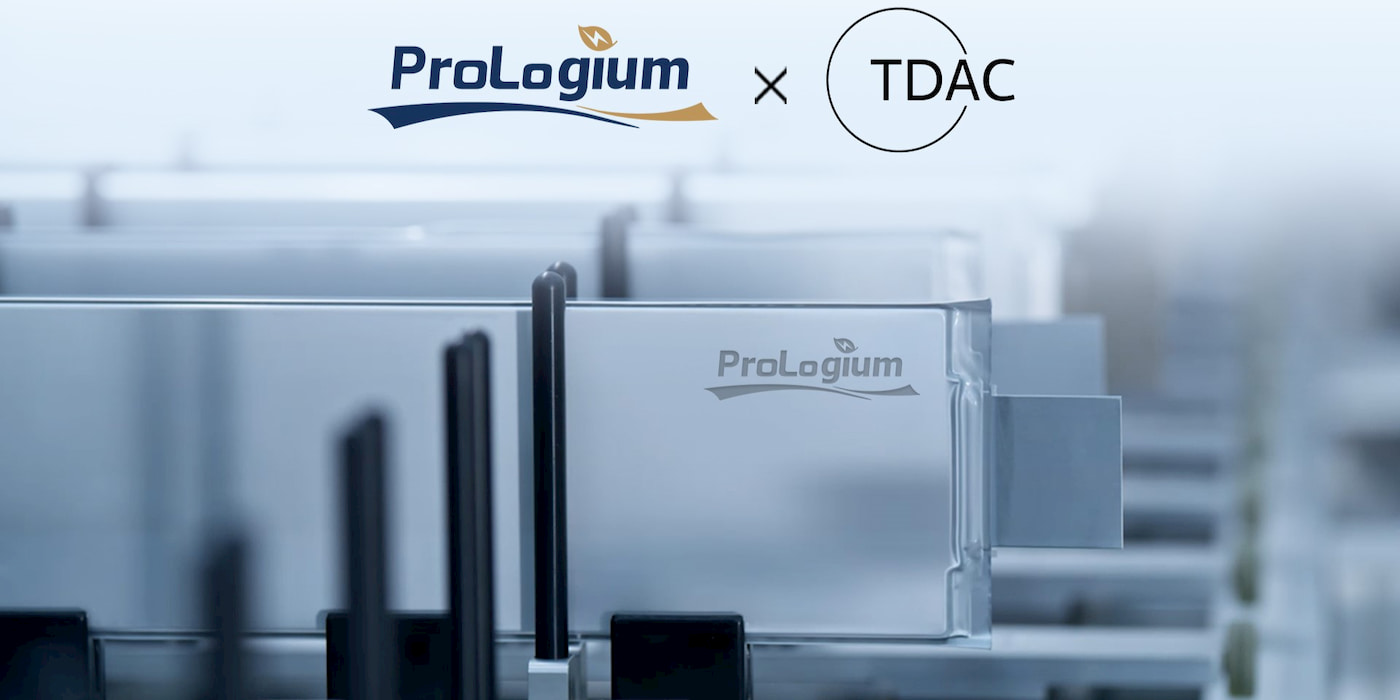
Once the agreement is finalized, which is expected by the end of 2026, ProLogium’s shares will list on the Nasdaq under the ticker symbol PRLG.
ProLogium said after announcing the merger that it’s “the only company globally that can publicly demonstrate a solid-state battery mass-production line.” Access to US public capital markets will help support the company’s next phase of commercialization.
Mercedes is also working with US-based Factorial Energy to bring solid-state EV batteries to market.
Last September, Mercedes announced that a modified EQS drove for over 745 miles (1,200 km) on a single charge using Factorial’s 106 solid-state battery cells.
Mercedes-Benz expects to launch its first production electric vehicle powered by solid-state batteries by 2030. Meanwhile, several other automakers, including China’s BYD, plan to introduce their first solid-state battery-powered EV as soon as 2027.


FTC: We use income earning auto affiliate links. More.



Comments