
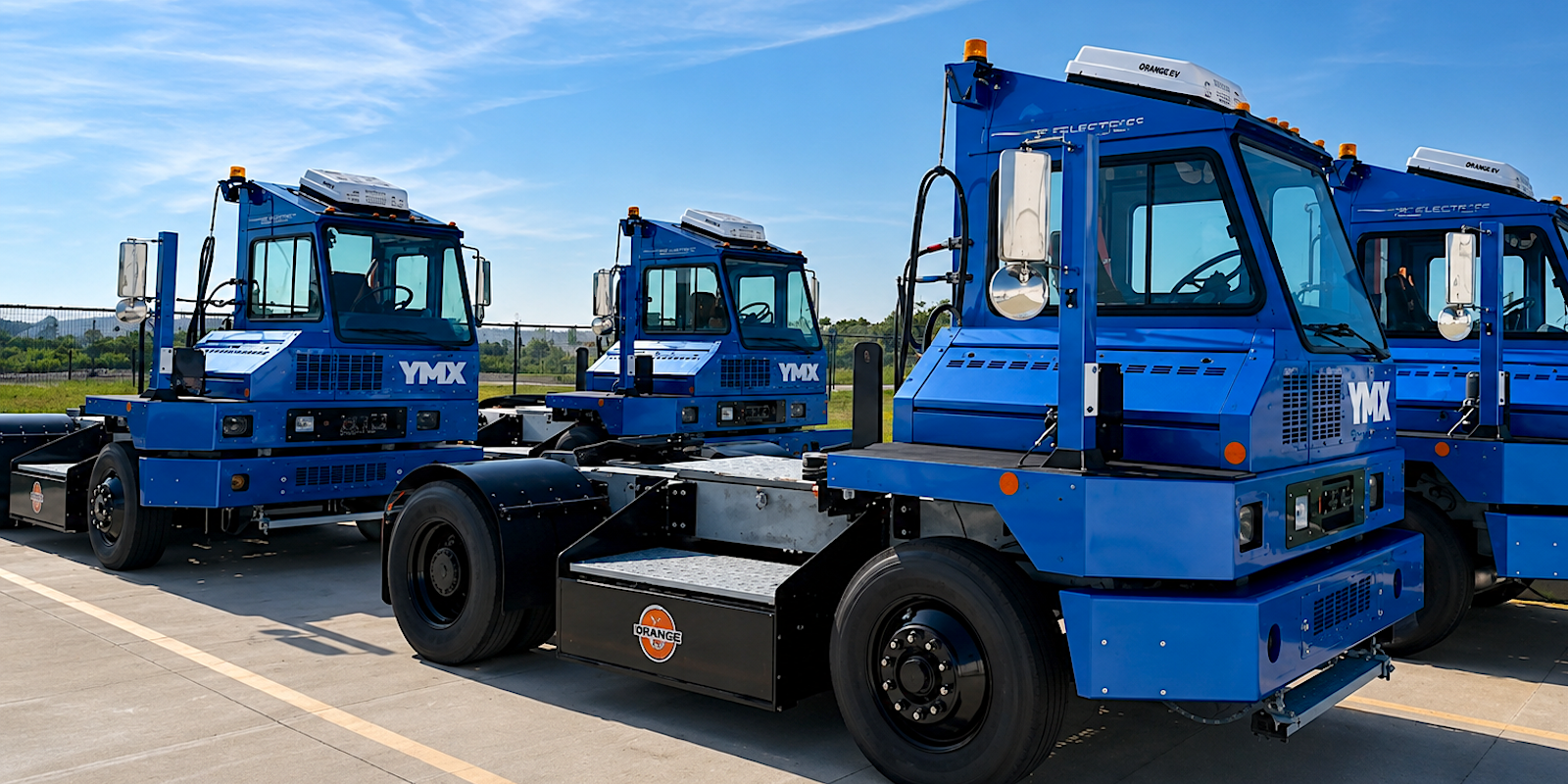
In the world of business, there are two kinds of sustainability – sustainability in the sense that we need a planet to live and breathe on, and sustainability in the sense that the business needs to stay in business. For years, EV proponents have been talking about sustainability of the first kind, but Trump’s war with Iran is proving that going electric can help with sustainability of the second kind, too.
“Electrifying yard operations is often framed as a sustainability initiative. [But] that framing is incomplete,” reads YMX’ official copy. “It is also a risk management strategy.”
That’s a line from a blog post titled, “The Oil Shock: Is It Time to Move to 100% Electric Yard Trucks?” on the company’s website, highlighting the fact that YMX, a national provider of end-to-end outsourced yard logistics, YMX has a proven track record of working with large shippers, leading Silicon Valley companies, and top-tier consulting firms to reduce costs and improve efficiencies at scale.
In other words, when a company like YMX starts talking about things like downtime, total costs of ownership, and fleet management, everyone should listen.
(Oil) markets have been rattled by conflict involving Iran and severe disruption around the Strait of Hormuz, one of the world’s most important oil chokepoints. In 2024, roughly 20 million barrels per day moved through that strait, equal to about 20% of global petroleum liquids consumption. According to the U.S. Energy Information Administration, Brent crude surged above $100 per barrel in March, with expiring contracts briefly exceeding $118. Diesel prices followed immediately, reaching a U.S. average of $5.401 per gallon, with California exceeding $7.20 per gallon. These are not marginal increases. They represent rapid cost repricing across the entire supply chain.
… that does not mean oil will stay above $100. In fact, the latest outlook from the U.S. Energy Information Administration suggests prices may ease later in 2026, potentially falling toward $70 per barrel if geopolitical conditions stabilize. But that same outlook sharply revised expectations upward within a single month, highlighting the core issue: unpredictability.
It’s that volatility, YMX argues, that is the real problem. With such rapid swings in fuel pricing, long-term project planning becomes impossible as the potential budget risks become too big to manage – and that’s not theory, by the way. That is actually happening, and construction industry analysts tracked a 22.8% surge in project abandonments just last month.
“This escalation marks the largest month-over-month rise in abandonments since late 2025, when stress conditions heightened during the longest government shutdown in US history,” Devin Bell, an associate economist at ConstructionConnect told Construction Dive. “The current increase in abandonments coincides with the developing conflict with Iran, as it continues to disrupt the flow of key goods through the Strait of Hormuz.”
That is the critical point. Electrification is not just about cost savings in a stable environment. It is about reducing dependency on one of the most volatile inputs in the operating model.
Understanding these realities exposes a critical fact: any operation dependent on fossil fuels is inherently exposed to rapid fluctuations in project viability.
Electrification shifts a significant portion of fleet risk away from globally priced oil markets and toward locally produced electricity – which has historically been far more stable in price than diesel fuel. And, on rare high-production wind and solar days, wholesale electricity prices can actually dip below zero.
Google it
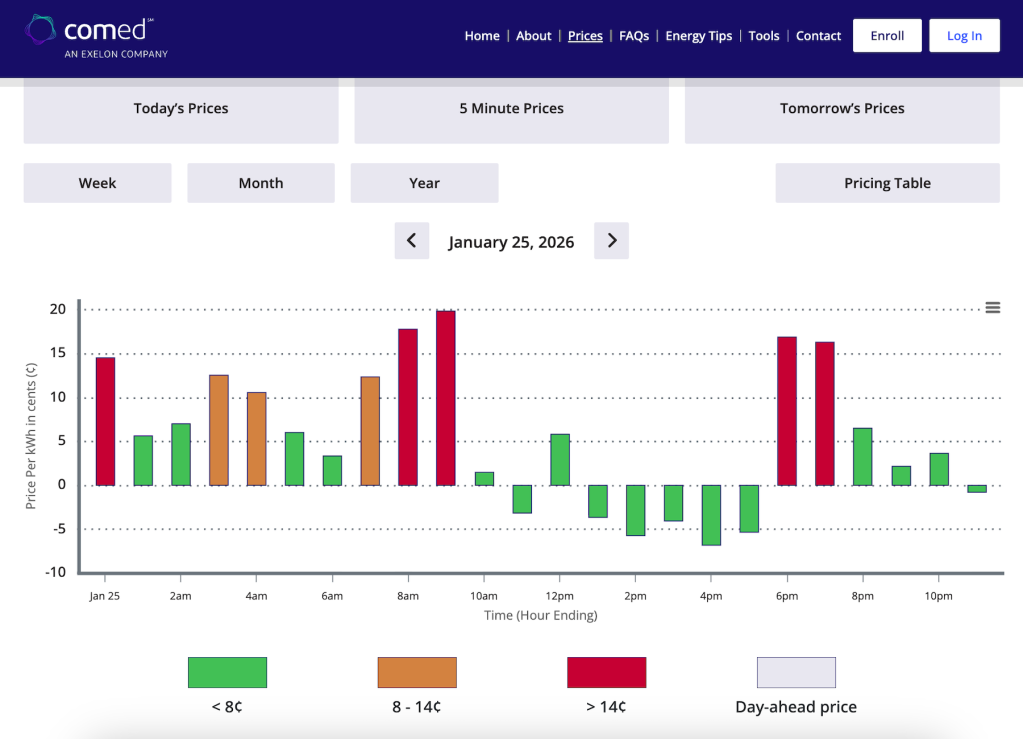
In other words: there are times when the local utility is effectively paying fleets to charge their trucks – and if your fleet happens to include a dozen or so terminal tractors, they can end up paying you a whole lot to charge those trucks.
And, while negative energy rates are somewhat rare, it’s a lot more common than a Love’s or Flying J giving away free diesel, you know?
And the other fleets that have already taken steps to electrify? The Amazons, Schneiders, and DHLs of the world? The YMXs and Martin Browers? They’re not immune to oil shocks, but they’re much more insulated than the fleets that abandoned their electrification as soon as The Orange One™ got into office (or Shell’s check cleared). Those fleets are plugged in, in more ways than one – and they’re sustainable, too.
Top comment by Actually Thoughtful
In low margin businesses tied to transport costs/rolling stock, electrification is the path to competitive advantage, as well as volatility reduction.
For mere homeowners, going all electric + solar saves about $5k per year. That is still real money.
In more ways than one.
Original content from Electrek; source links throughout.

If you’re considering going solar, it’s always a good idea to get quotes from a few installers. To make sure you find a trusted, reliable solar installer near you that offers competitive pricing, check out EnergySage, a free service that makes it easy for you to go solar. It has hundreds of pre-vetted solar installers competing for your business, ensuring you get high-quality solutions and save 20-30% compared to going it alone. Plus, it’s free to use, and you won’t get sales calls until you select an installer and share your phone number with them.
Your personalized solar quotes are easy to compare online and you’ll get access to unbiased Energy Advisors to help you every step of the way. Get started here.


FTC: We use income earning auto affiliate links. More.





Comments