
For years, much of the electric motorcycle spotlight has focused on startups and legacy spinoffs. But quietly – and increasingly not so quietly – Japan’s motorcycle giants have been laying the groundwork for a major shift of their own.
Honda, Yamaha, Kawasaki, and Suzuki may not be flooding showrooms with high-performance electric superbikes just yet, but they are steadily building portfolios, factories, and long-term strategies that point clearly in one direction: electrification.
“There’s no doubt in my mind that electrification would become mainstream in the industry’s final goal for achieving carbon neutrality,” Yamaha Motor President Motofumi Shitara said recently, according to the Japan Times.
Yamaha has already rolled out multiple electric scooter models in Asia and Europe, and the company has been actively developing electric dirt bikes and off-road concepts. While most of its production EVs so far sit in the small-displacement equivalent category, Yamaha has publicly stated ambitions to make electric motorcycles account for roughly 30% of its new model lineup in the coming years.
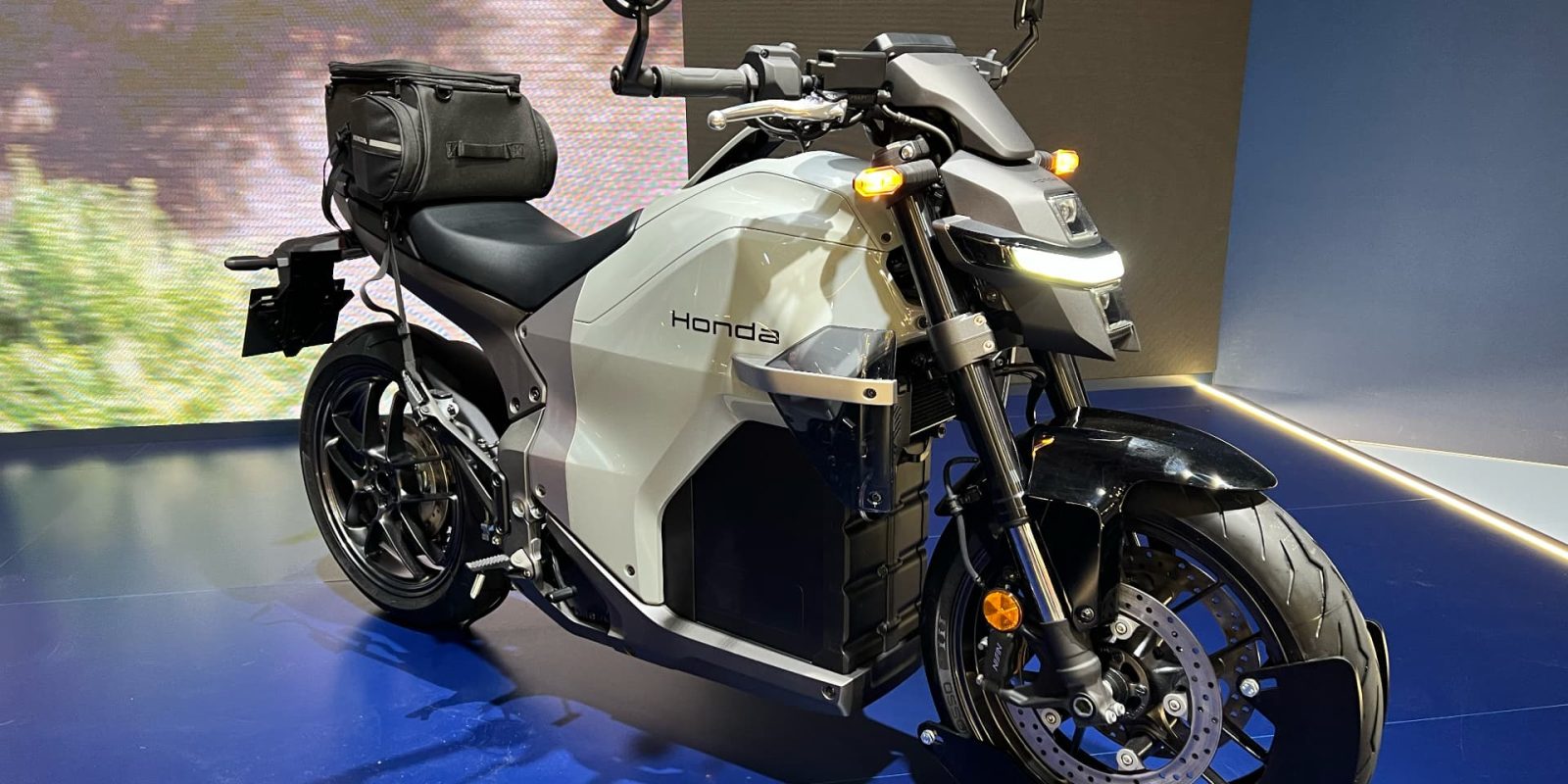
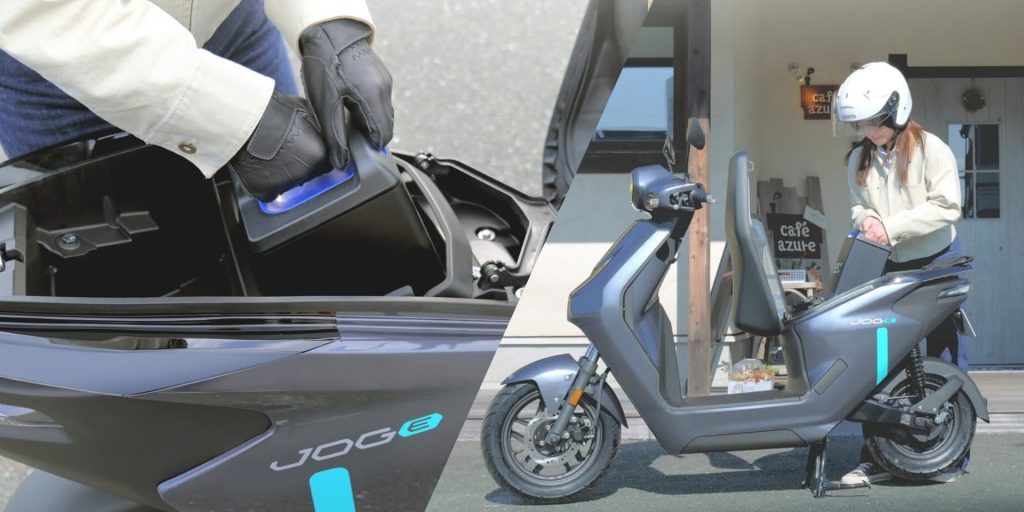
Honda, the world’s largest motorcycle manufacturer, has arguably been even more aggressive in its long-term planning. The company has introduced multiple electric scooters for Asian markets, including battery-swapping models, and has signaled a major expansion of its electric two-wheeler production. Honda has announced plans for a dedicated electric motorcycle plant in India and aims to significantly increase the share of electric motorcycles in its overall sales by the end of the decade.
Importantly, Honda has also begun stepping beyond small scooters. The company now has a full-sized electric commuter motorcycle in production, signaling that it sees electrification expanding into more mainstream categories — not just urban last-mile mobility.
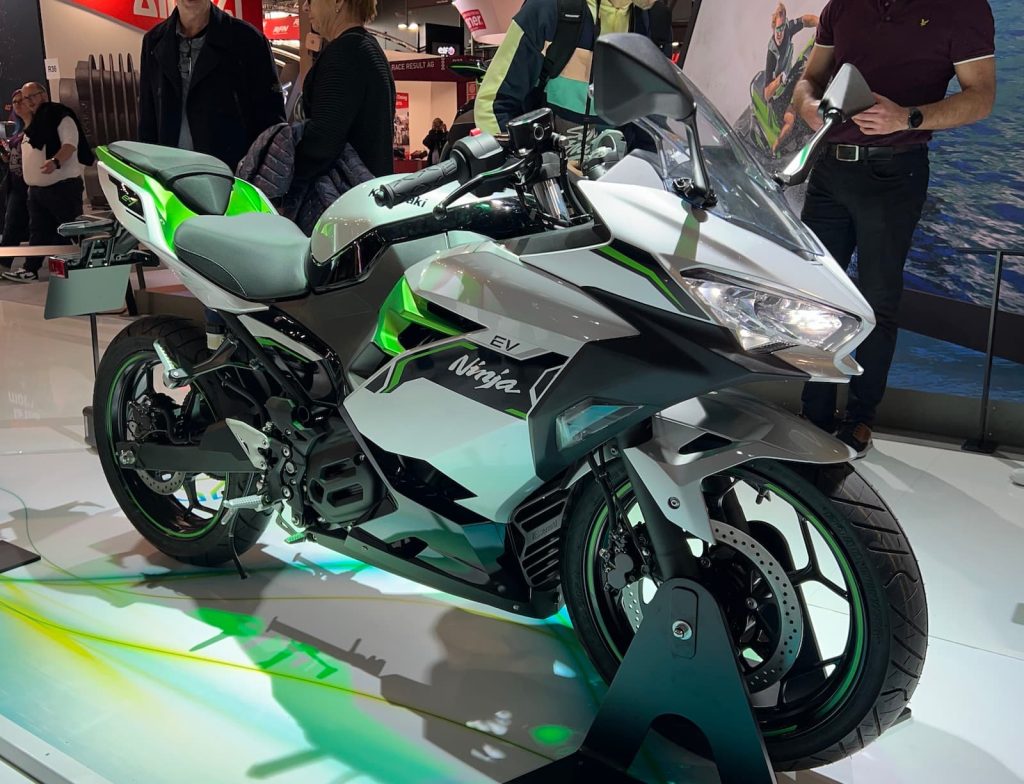
Kawasaki, long associated with green sport bikes and internal combustion performance machines, has entered the electric arena with two small commuter-focused electric motorcycles. They’re modest in power and range, but they represent a concrete move into production EVs from one of the industry’s most performance-oriented brands.
Top comment by BCGeiger
All for this. I wanted to go EV but ended up getting an ICE bike this January because there simply weren’t alternatives yet. Also I couldn’t take my riding test to get my license on an electric bike. But the laws and technology will catch up. With improvements and dropping prices I can see my next bike being EV. My only major concern is the myth that people in North America only buy huge bikes. I fear that while these will get sent all over the world, they won’t come to the US or Canada.
Suzuki, meanwhile, has focused heavily on electric scooters in development markets while also exploring alternative fuels. The company has showcased electric concepts and is working to diversify its low-carbon portfolio as it evaluates where electric two-wheelers will gain the strongest foothold.
None of these companies are pretending the transition is easy. Electric motorcycles still face high battery costs, charging infrastructure gaps, and packaging challenges due to limited space for large battery packs. But the shift is clearly underway, and real progress is being made my Japan’s motorcycle industry leaders.
Unlike startups betting everything on a single high-performance halo bike, Japan’s legacy manufacturers are building electrification step by step – beginning with scooters, commuters, and smaller urban models before scaling upward.
The race toward electric motorcycles now includes everything from plucky startups to legacy heavyweights. The industry’s most established names are already on the track – and it looks like they’re planning for the long game.


FTC: We use income earning auto affiliate links. More.

Comments