
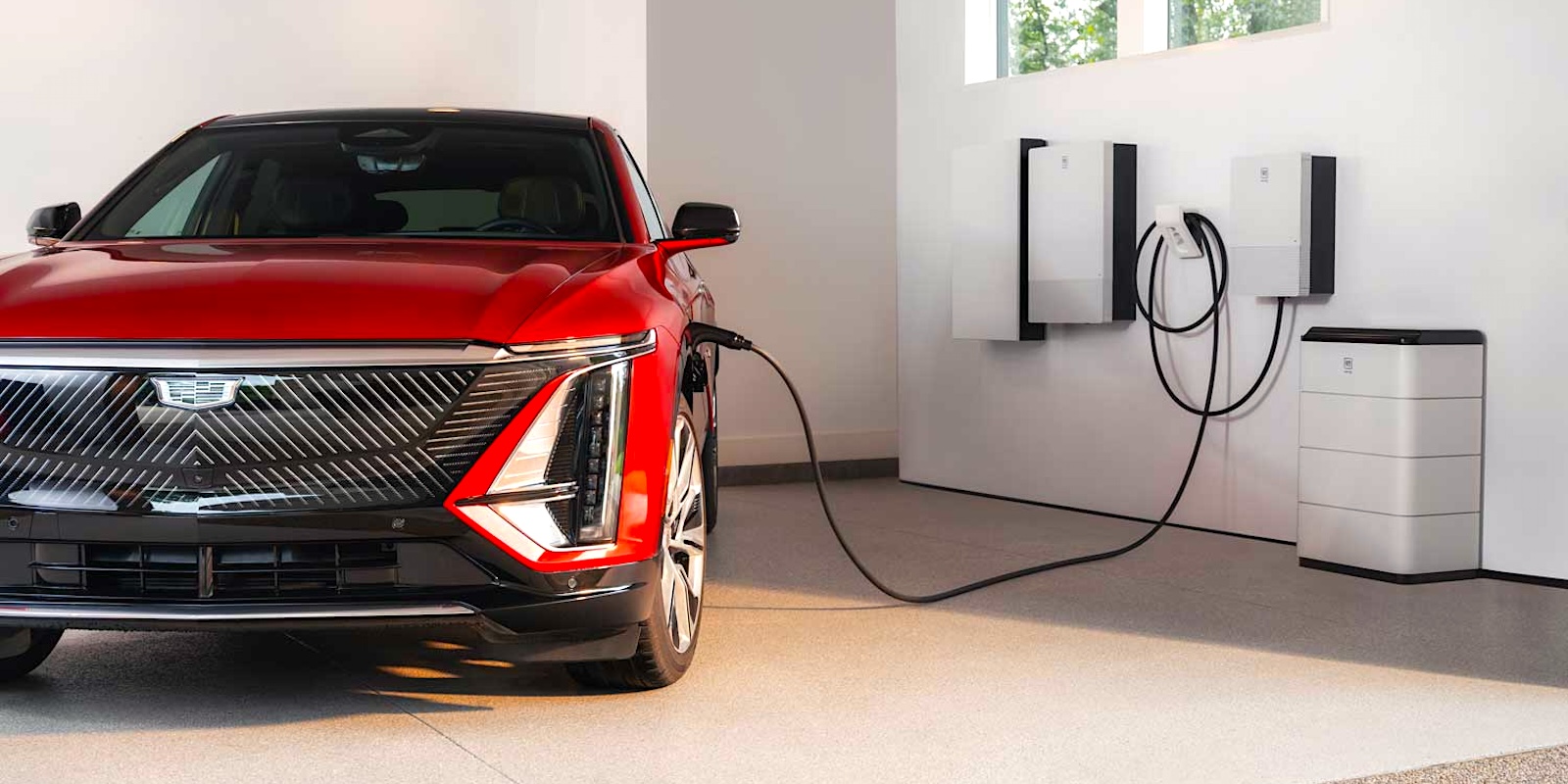
Almost everyone positions home solar panel systems with home batteries as backup grid power insurance – and while that can be vitally important in a whole host of “what if” scenarios, keeping the lights on is the LEAST interesting thing your home battery can do.
18APR2026: I forgot the best one!
Home backup battery. It’s written right there on the tin, after all – but while keeping the lights on, the water running, and the insulin between 36 and 46° F can be critically important, more and more home solar + battery customers are looking at their systems as a tool to help them understand how they use and consume energy.
And that little bit of understanding can help you:
1. hedge against rising energy costs
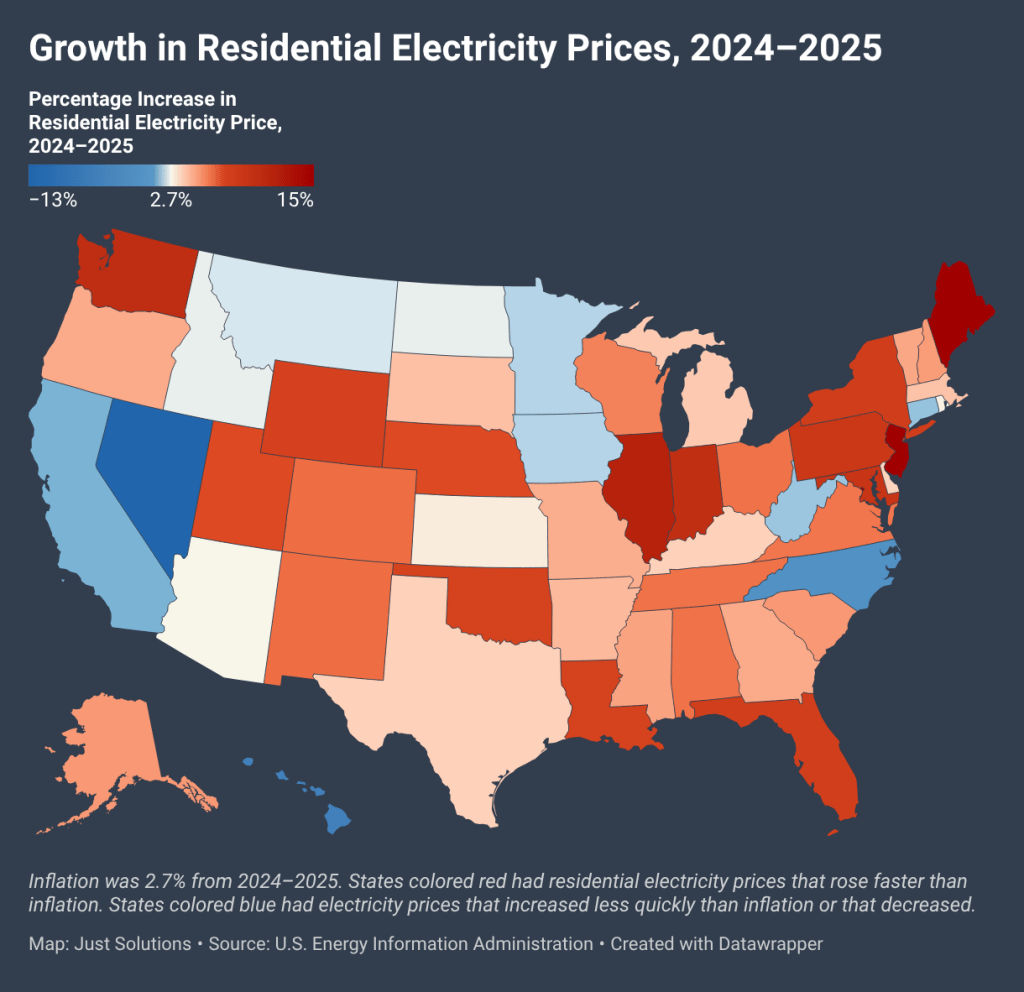
When we talk about the cost of electricity, we often think of it in terms of price per kWh (example: $0.20/kWh). As more and more people move towards time-of-use rates, however, they’re starting to see huge swings in pricing, with the same kWh costing $0.50 one day, and close to zero – or even dipping into the negative – on another.
In that scenario, a home battery becomes less about planning for when the power goes out, and more about planning for when the power gets expensive.
A home battery turns your electricity buy into a Costco run, allowing you to stock on on electrons when the utility is practically giving them away, storing them in your garage freezer battery, and using them when the utility decides to price them higher. The end result isn’t just lower utility bills, it’s increased predictability in your monthly budget, and more control over an expense that most people consider out of their control.
In practice, someone with a 20 kWh home battery system in Illinois’ ComEd territory (where I live), electricity that typically costs about $0.10/kWh has spiked to more than $2/kWh during extreme weather events, with a theoretical ceiling of $3.70/kWh. That means the 20 kWh sitting in you battery that’s worth about $2 on a normal day can be worth as much as or as much as $40, $50, or even $70 when prices surge.
2. own a private gas station
When matched up with a home solar panel system that generates electricity and an EV that runs on electric fuel, a home battery system starts to look a lot like your own private fuel supply, allowing you to top off your tank with cheap gas electrons you made yourself.
“This is Energy Dominance,” writes GM Energy’s Jim Reilly, describing his own home’s high-end energy setup. “I own the refinery and the delivery system. While the world reacts to the price at the pump, my costs are a flat line.”
3. make an investment that keeps paying off

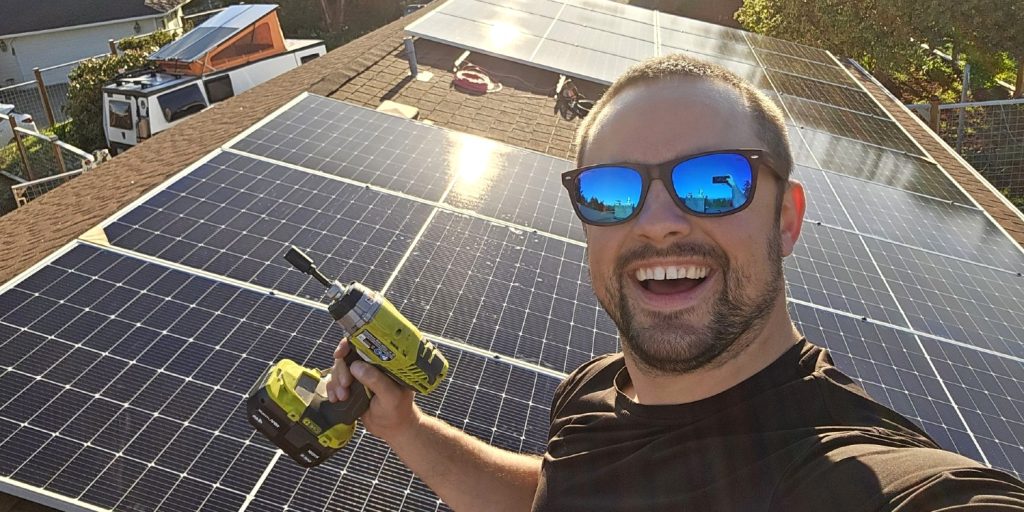
What really sets a home solar panel system apart from most other big-ticket purchases is that it can behave a lot like an investment, with the average homeowner breaking even on their installation in about 10 years – with another 10-15 years’ worth of energy production still to go.
Those returns don’t just show up on your utility bill, either. A recent study tracking the sales of more than 5,000 single-family home deals showed that homes with solar panels installed sold for 5-10% more than comparable homes without solar. For those of you doing the math at home, “(that’s) an eye-popping $39,500 to $79,000 boost.”
In other words, there’s a tipping point where your home energy system stops costing you money, and starts making you money. Add in decades of avoided electricity bills and what’s sure to be a future of ever-rising energy costs, and a comprehensive home energy solution stops looking like a simple upgrade and starts looking like that rare kind of asset that saves you money now, and pays you again when you exit.
4. get away from it all

On yesterday’s Electrek Podcast, Seth and Fred spoke to GM Energy energy and eMobility executive Aseem Kapur, who reminded us that your home backup battery can also be an EV, which can be used as in most of the ways detailed above, but also serve as emergency transportation if you see that big Cat 5 shark-i-cane on the Weather Channel app and decide it’s time to get out of Dodge.
It’s also worth noting here, as Assem did, that every current GM-brand BEV from the affordable new Chevy Bolt to the ridonculous, 9,000-lb. GMC Hummer EV (above), is capable of working with a GM Energy home battery and solar panel system.
And the best part of all of this? You can add a new battery to a home with an existing solar panel system, or a home without solar (with a little work). Ask your installer for more about how to make the tech work for you, and be sure to read Uncle Jojo’s disclaimer, below.
Electrek’s Take Disclaimer
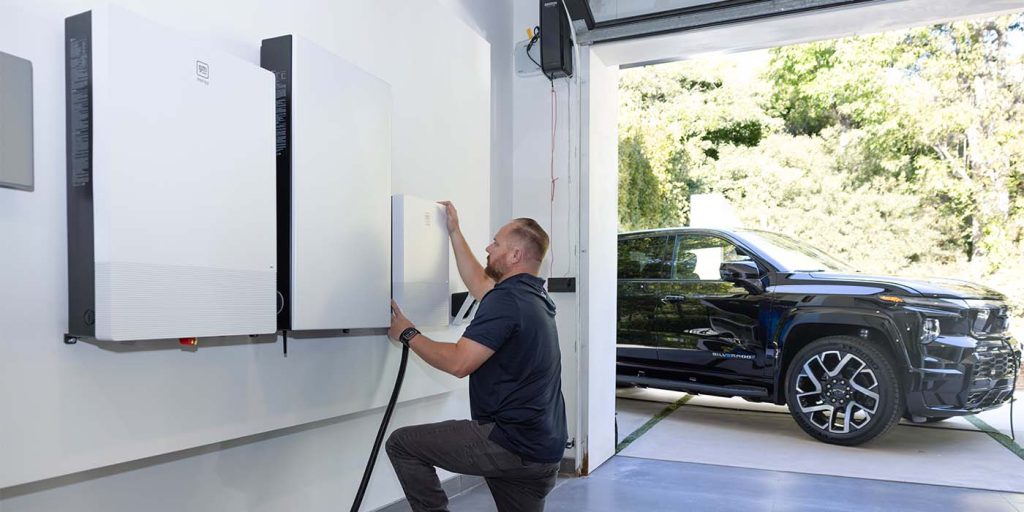
Financing a new energy project can be complicated and confusing, but talking to a qualified professional installer can help you understand what’s being offered and how a given deal is being structured, and help you get a better handle on all the associated costs.
One you have that, take the information to an accountant or financial expert you trust to make sure you understand what’s real, what’s marketing, and what actually makes sense for you. And, if there’s and money on the table in the form of local utility incentives or tax credits, make sure you don’t leave it there.
Unless, you know, you don’t actually care about money.
Top comment by Leonard Bates
Our experience validates all of this. We have a pretty good net metering deal until 2032, so for now the grid is our battery. And we do all the heavy usage during the day, behind the meter. Solar was good, but solar with two EVs is like printing money. Our payback on the solar went from about sixteen years to seven, and then we will have "free electricity" for twenty or more years. When people tell me they can't make the numbers work, I tell them to go to the utility and ask them for a firm price for electricity for 30 years. With solar, we have our costs fixed. If you stay with the utility, you have zero certainty over your costs and there is no chance the price will go down.
YOU MIGHT ALSO LIKE:
- Homeowners share surprising, real-world data after installing solar panels
- Home solar + battery + EV, one GMC Sierra EV driver shares their experience
Original content from Electrek.

If you’re considering going solar, it’s always a good idea to get quotes from a few installers. To make sure you find a trusted, reliable solar installer near you that offers competitive pricing, check out EnergySage, a free service that makes it easy for you to go solar. It has hundreds of pre-vetted solar installers competing for your business, ensuring you get high-quality solutions and save 20-30% compared to going it alone. Plus, it’s free to use, and you won’t get sales calls until you select an installer and share your phone number with them.
Your personalized solar quotes are easy to compare online and you’ll get access to unbiased Energy Advisors to help you every step of the way. Get started here.


FTC: We use income earning auto affiliate links. More.




Comments