The world added a record 814 GW of wind + solar – reshaping energy fast

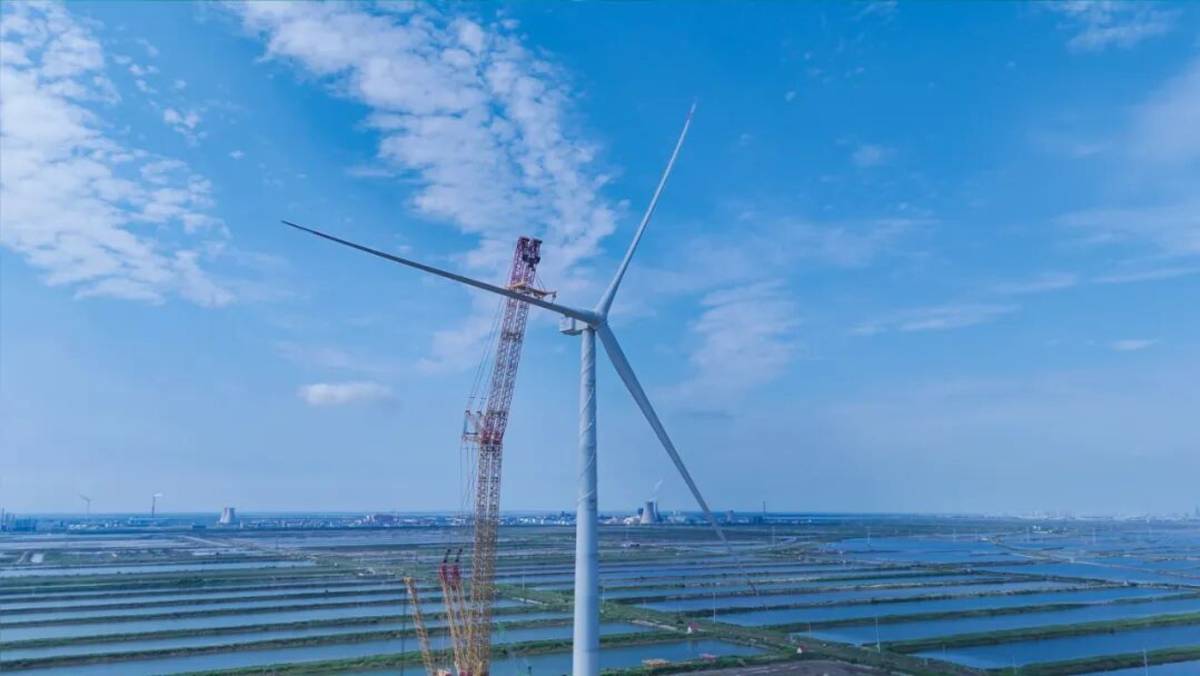
The world just added a record amount of wind and solar in 2025, and it’s not even close.
Expand Expanding Close
The world just added a record amount of wind and solar in 2025, and it’s not even close.
Expand Expanding Close
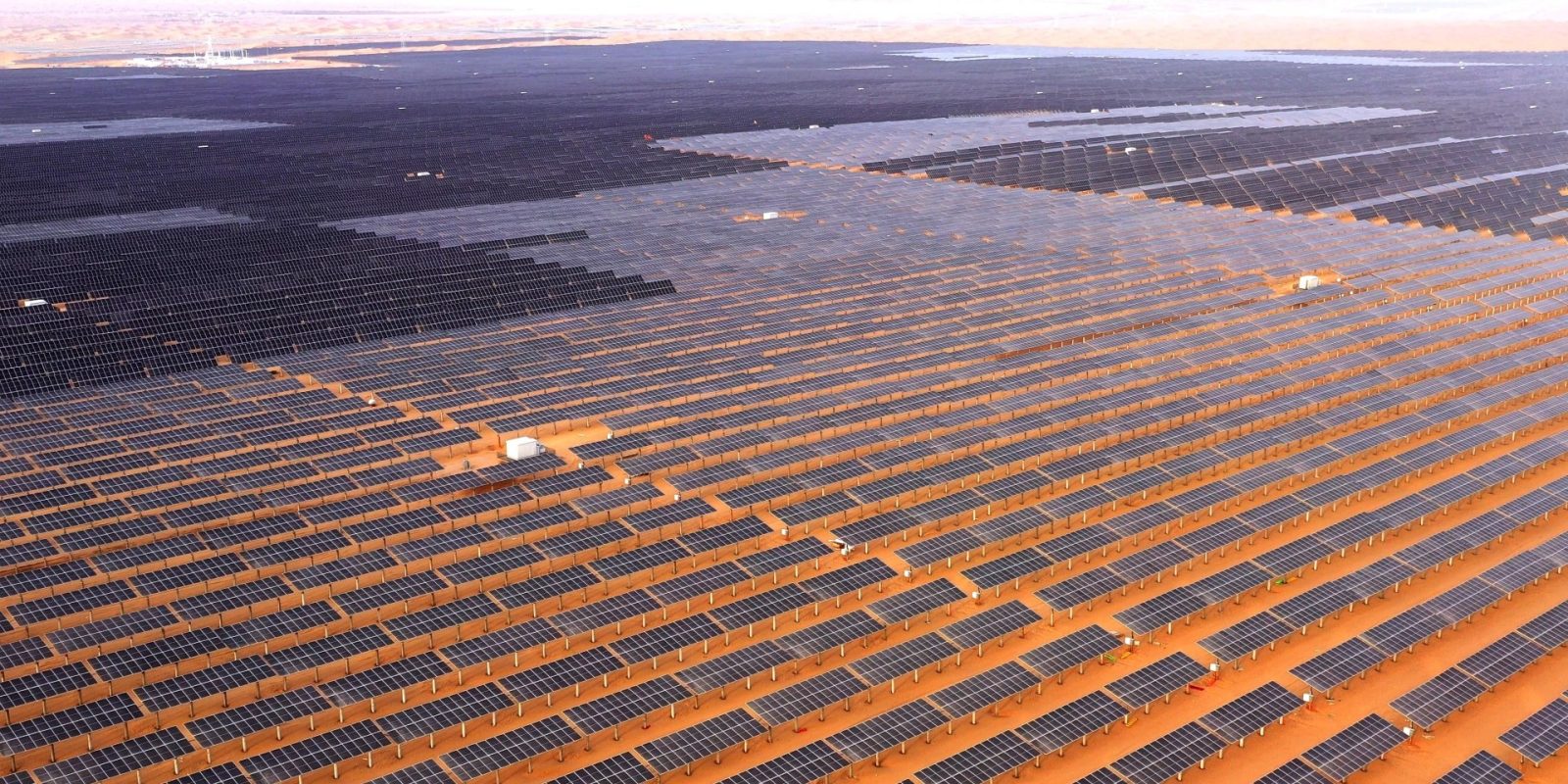
China’s clean energy boom is saddled with a major challenge: what to do with all its old wind and solar equipment.
Expand Expanding Close
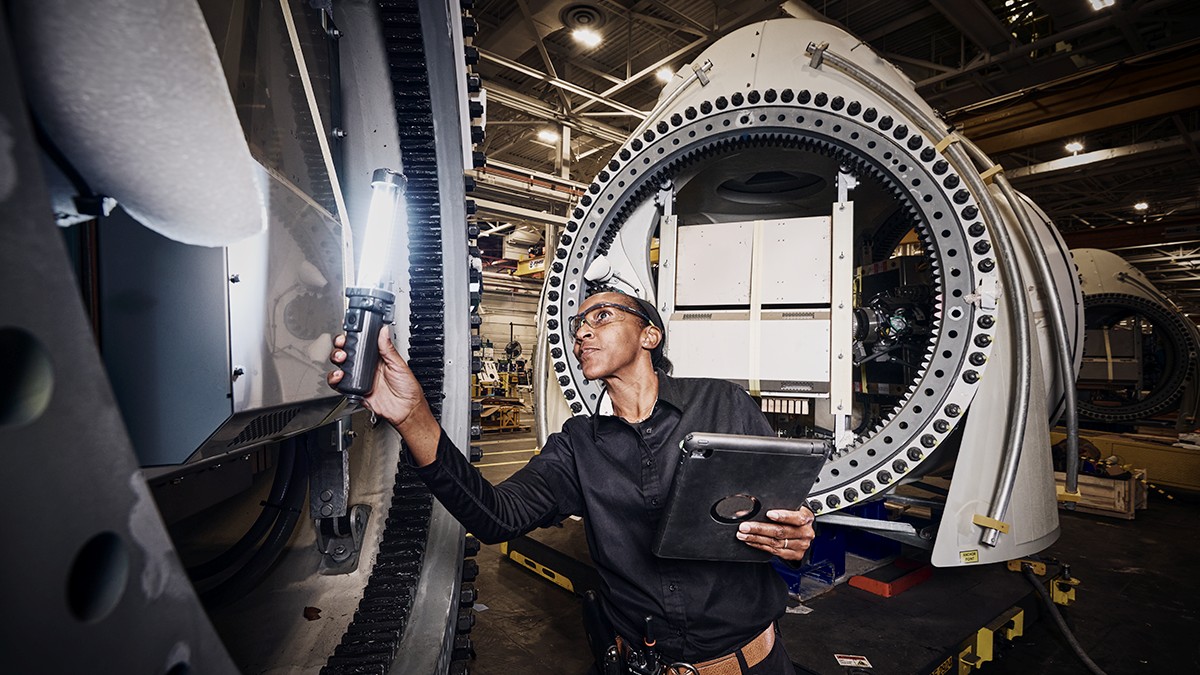
GE Vernova has landed orders to repower 1.1 gigawatts (GW) of onshore wind turbines across the US.
Expand Expanding Close
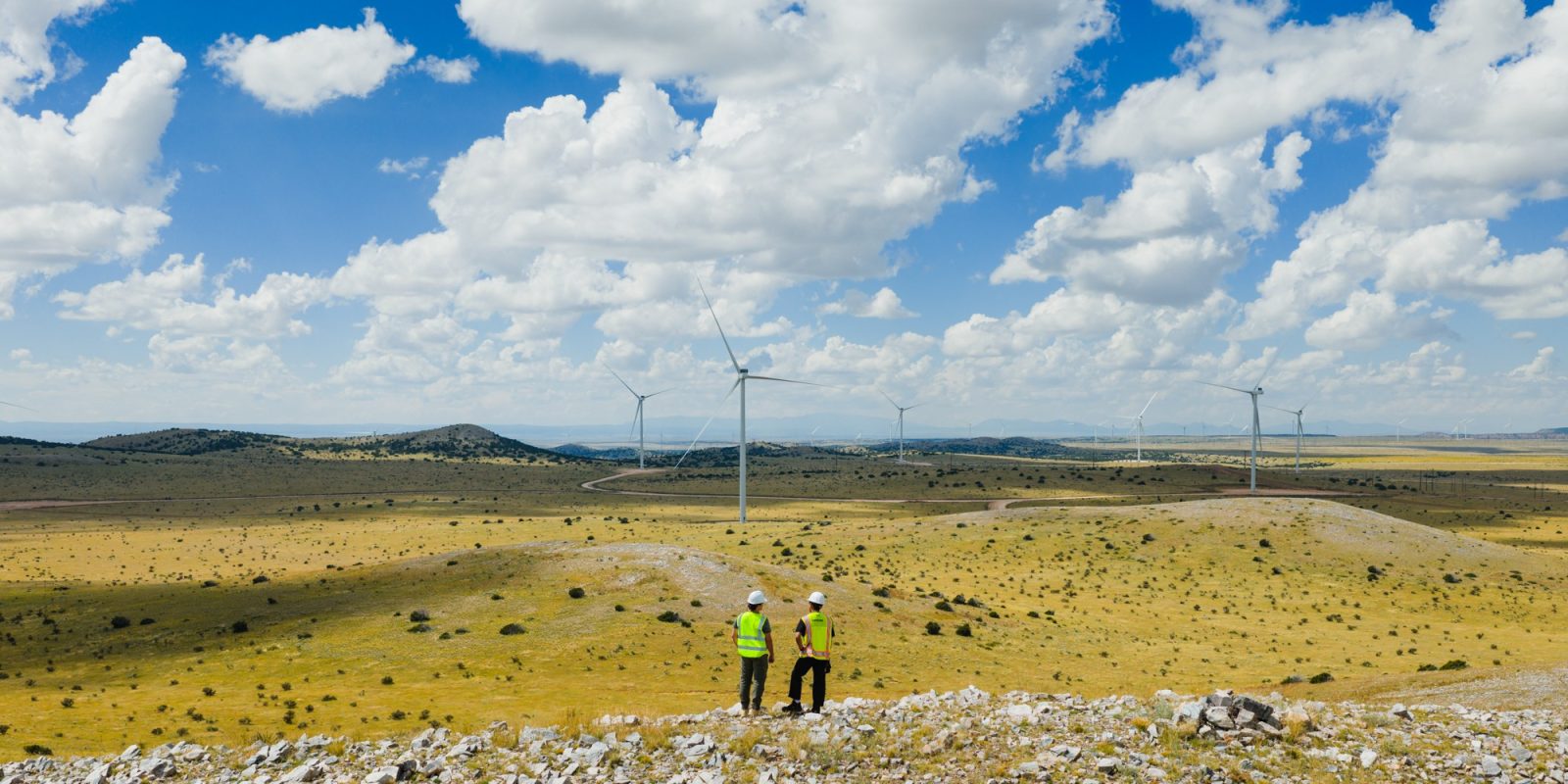
Vestas has finished installing its wind turbines in New Mexico at Pattern Energy’s SunZia, the largest clean energy project in the US.
Expand Expanding Close

European energy giant Vattenfall has started construction on a new hybrid renewable energy project in southwest Germany that combines wind and solar power at a single site.
Expand Expanding Close

Xcel Energy says it will supply electricity to a new Google data center in Pine Island, Minnesota, and the deal includes nearly 2 gigawatts (GW) of clean energy and a 100-hour iron-air battery.
Expand Expanding Close
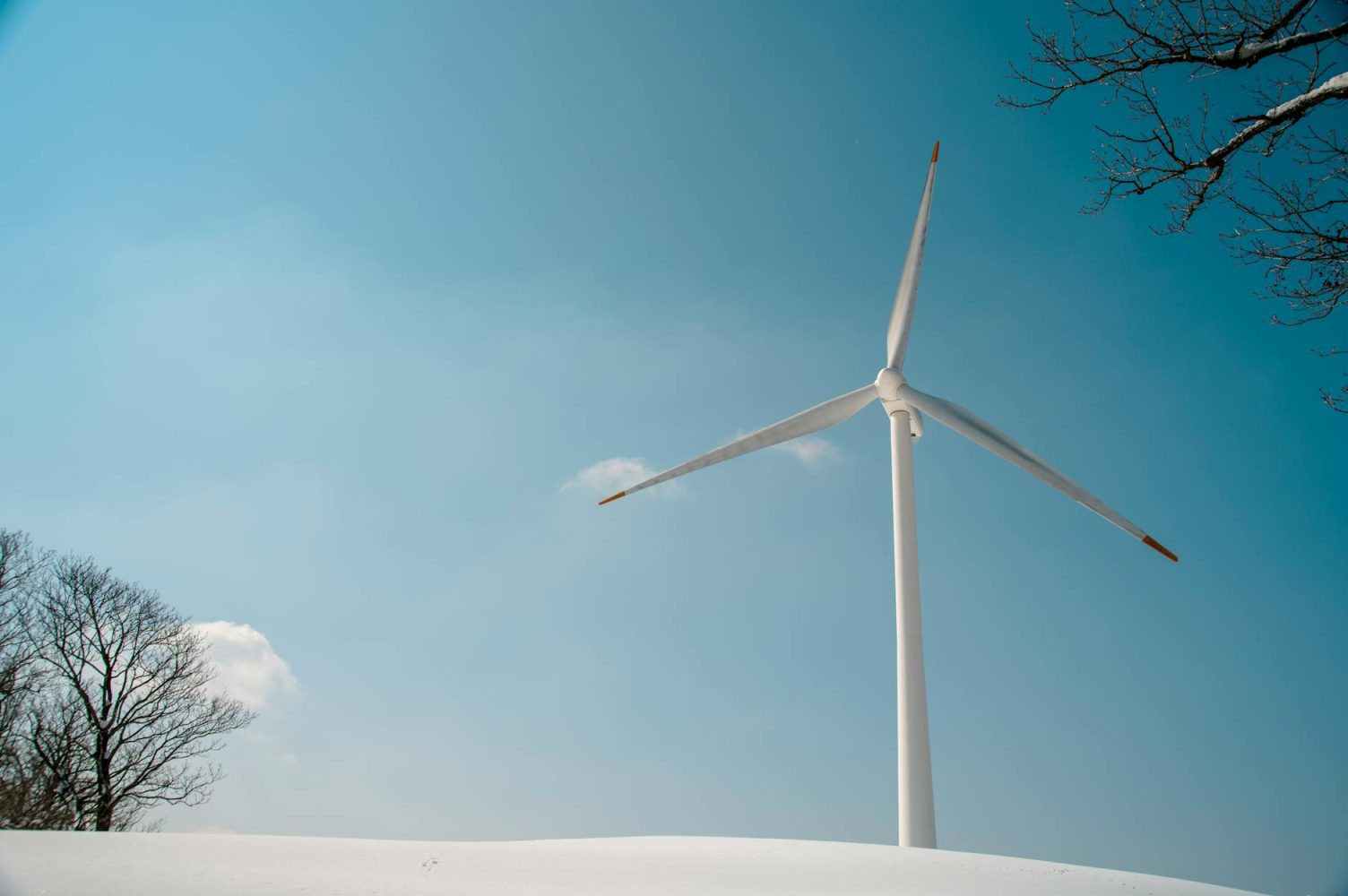
South Dakota just approved what will become its biggest wind farm yet — a 333‑megawatt (MW) project planned across 68,300 acres in Haakon County, about 85 miles east of Rapid City.
Expand Expanding Close

Businesses walked away from $5.1 billion in large-scale factories and clean energy projects in December alone – a stark finish to a year in which cancellations finally overtook new investment in the US clean energy sector. By the end of 2025, nearly $35 billion in clean energy investments had been canceled or downsized nationwide, taking more than 38,000 current and future jobs with them, according to new tracking from E2.
Expand Expanding Close
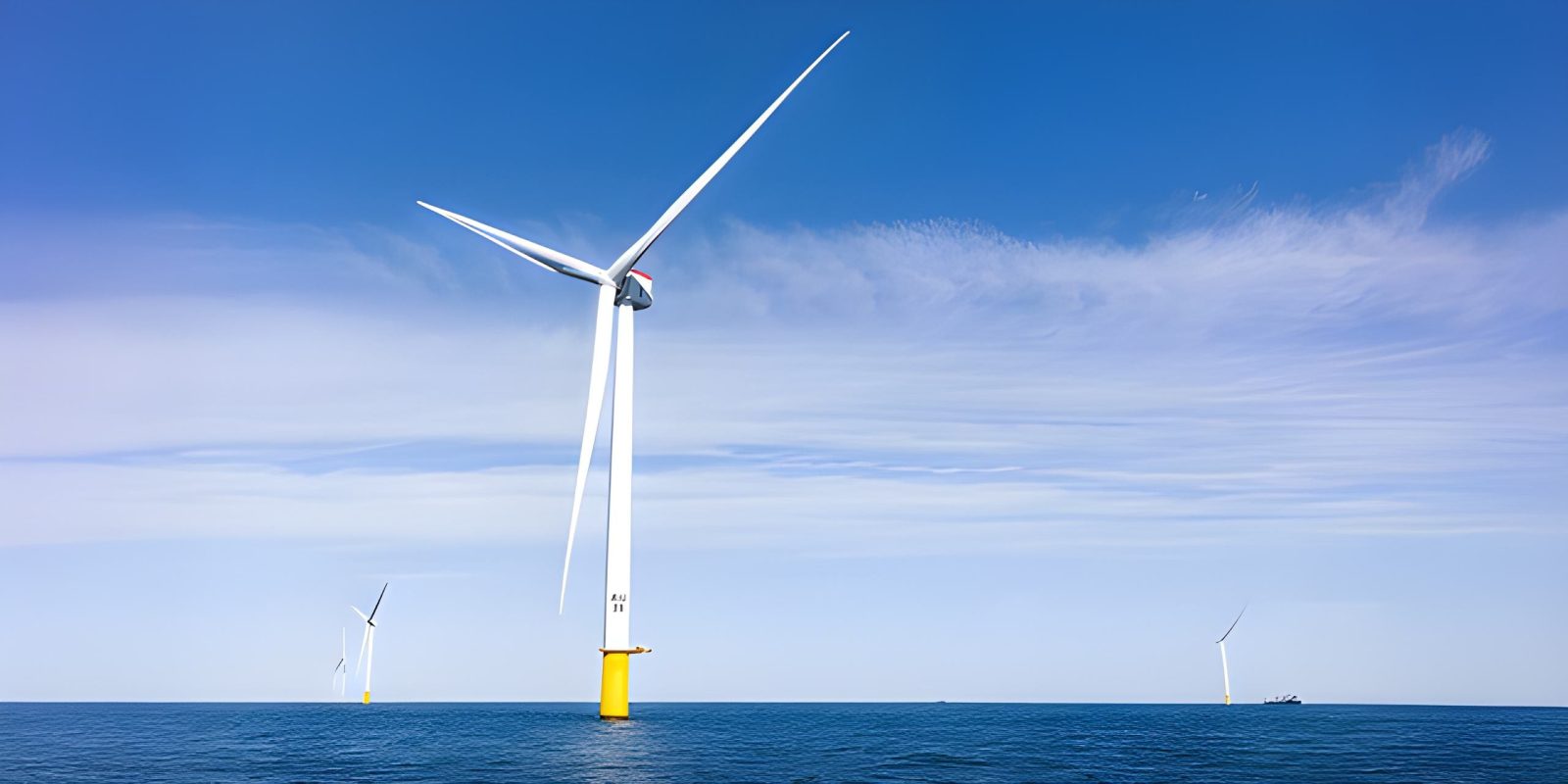
New solar and wind capacity additions in November were the second highest in 2025 and accounted for 93% of that month’s total. Solar continues to dominate new capacity additions and has held the lead among all energy sources for 27 consecutive months, according to data released by the Federal Energy Regulatory Commission (FERC) and reviewed by the SUN DAY Campaign.
Expand Expanding Close

Winter Storm Fern knocked out power for millions of people across the US and reignited a familiar political and media fight over what really causes large-scale outages during extreme weather. To separate the rhetoric from the operational reality, Electrek spoke with Leah Qusba, CEO of GoodPower, a research, strategic communications, and campaigning organization focused on advancing the global renewable energy transition.
In this Q&A, Qusba walks through what tends to fail first during major winter storms, what outage data shows about the role of wind, solar, and fossil generation during Fern, why fuel supply and winterization still matter more than the generation mix, and how coordinated disinformation campaigns exploit moments of uncertainty after grid emergencies and what works to counter them.
Expand Expanding Close
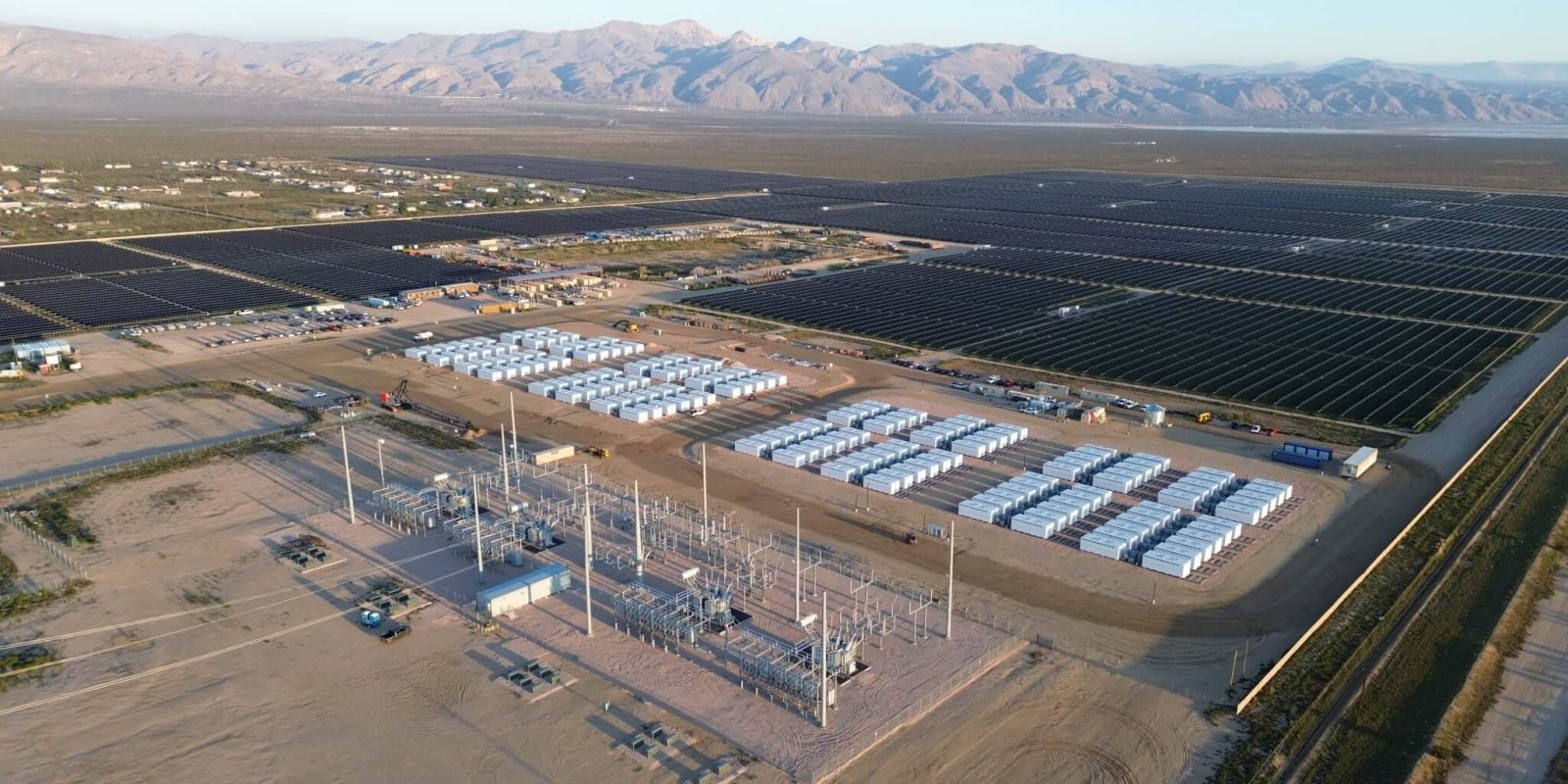
Solar, wind, and batteries are set to supply virtually all net new US generating capacity in 2026, according to EIA data reviewed by the SUN DAY Campaign, continuing their strong 2025 growth.
Expand Expanding Close
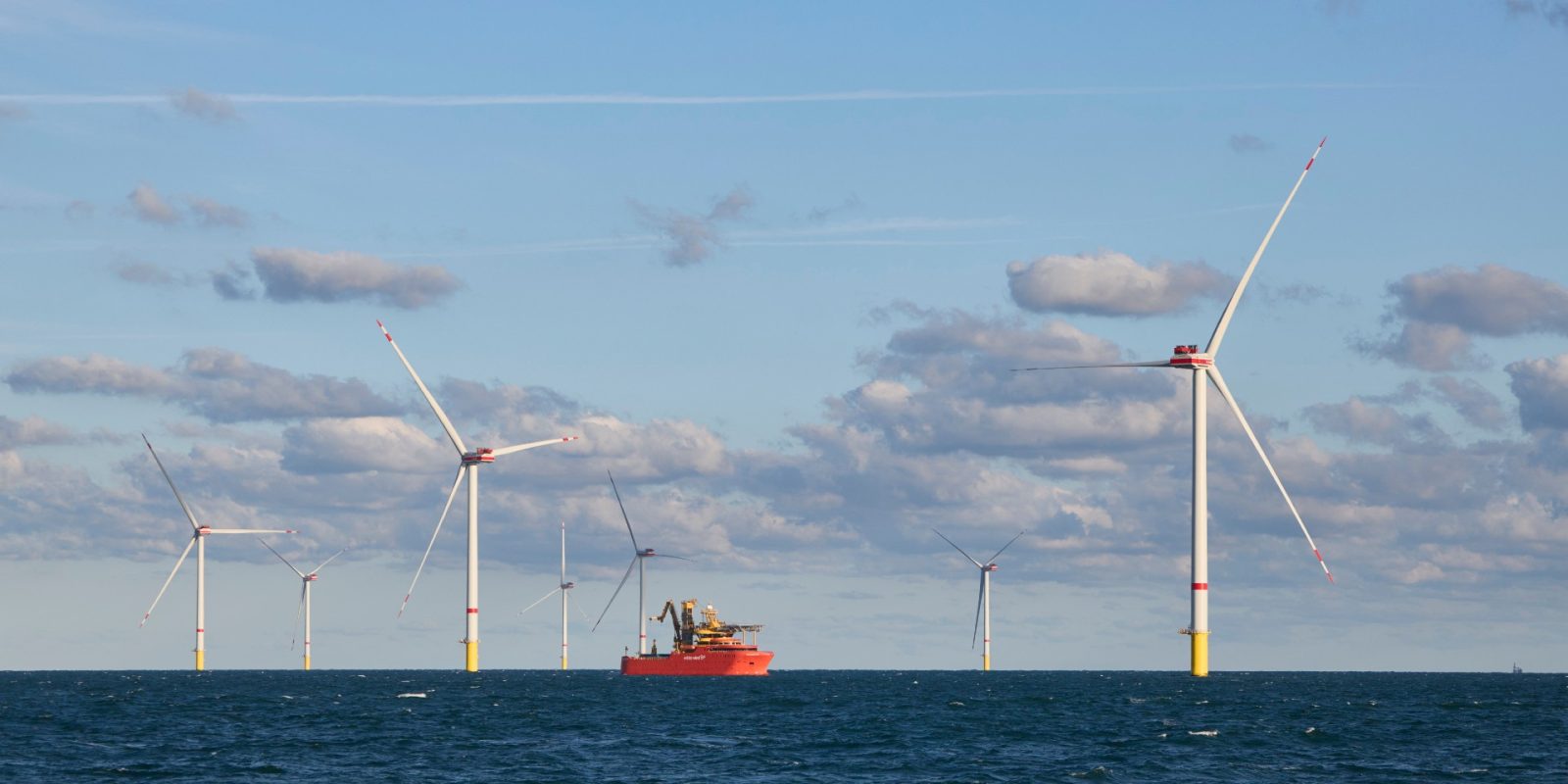
Europe’s power mix hit a tipping point in 2025. Wind and solar generated more electricity across the European Union than fossil fuels for the first time last year, according to Ember’s newly released European Electricity Review. Wind and solar supplied a record 30% of EU power, edging past fossil fuels at 29%.
Expand Expanding Close
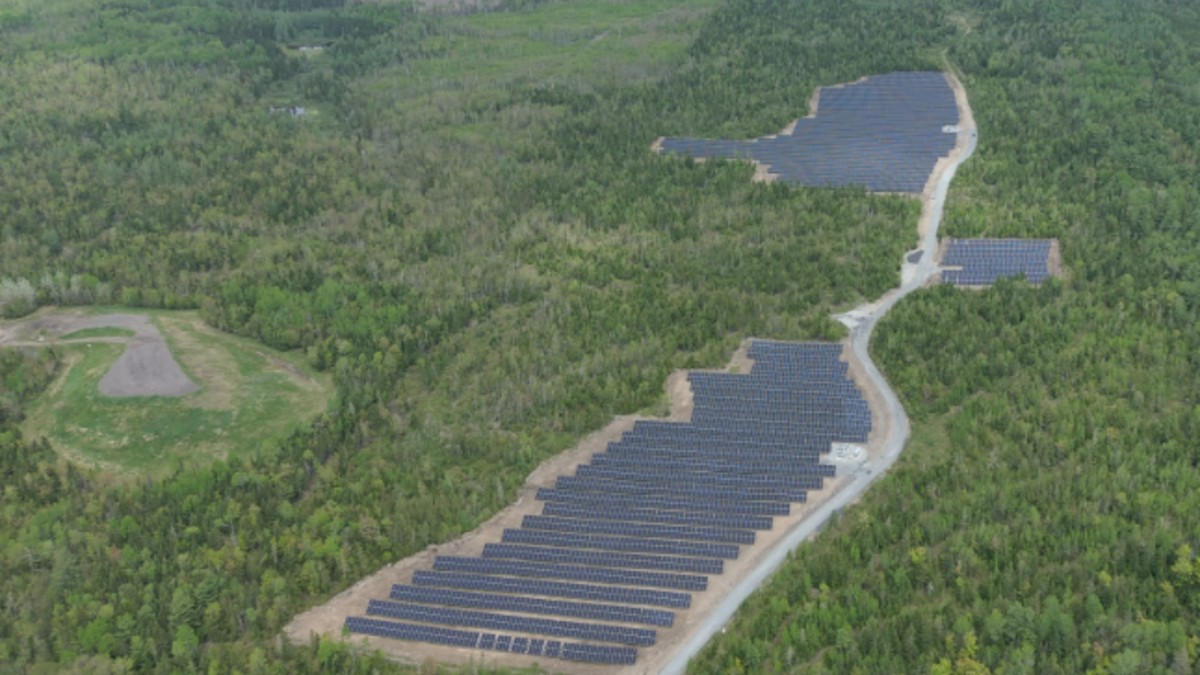
Solar continues to dominate new capacity additions and has held the lead among all energy sources for 26 consecutive months. As a result, installed utility-scale solar capacity now exceeds wind capacity for the first time, according to data released by the Federal Energy Regulatory Commission (FERC) and reviewed by the SUN DAY Campaign.
Expand Expanding Close
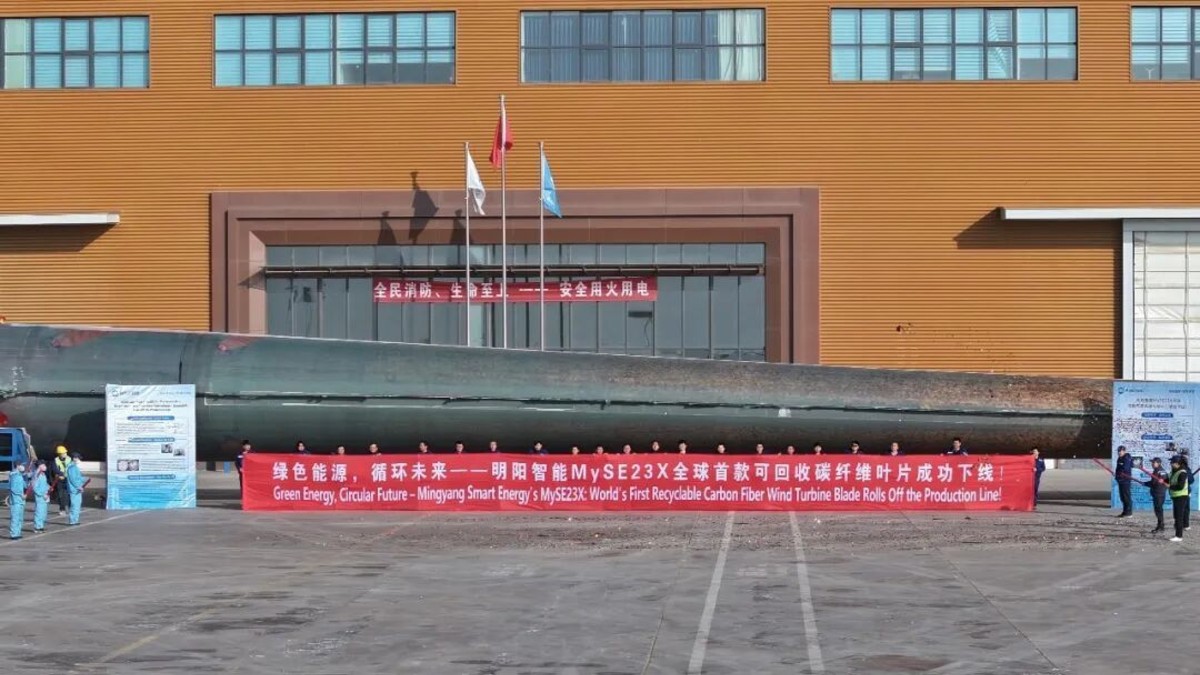
Ming Yang Smart Energy says it has rolled out what it’s calling the “world’s first fully recyclable carbon fiber wind turbine blade” — and it’s a big one.
Expand Expanding Close
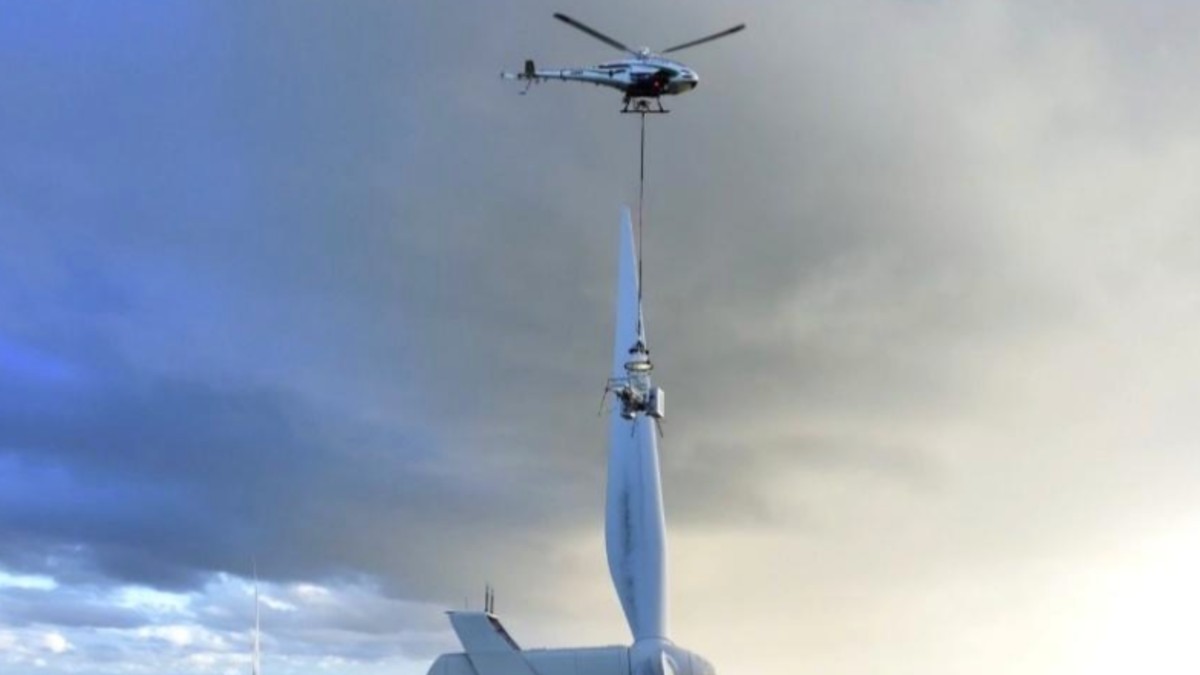
Kawasaki and BladeRobots, a Vestas company, are using a crewless helicopter and a blade maintenance robot to automate one of the most challenging jobs in wind power: turbine blade maintenance.
Expand Expanding Close
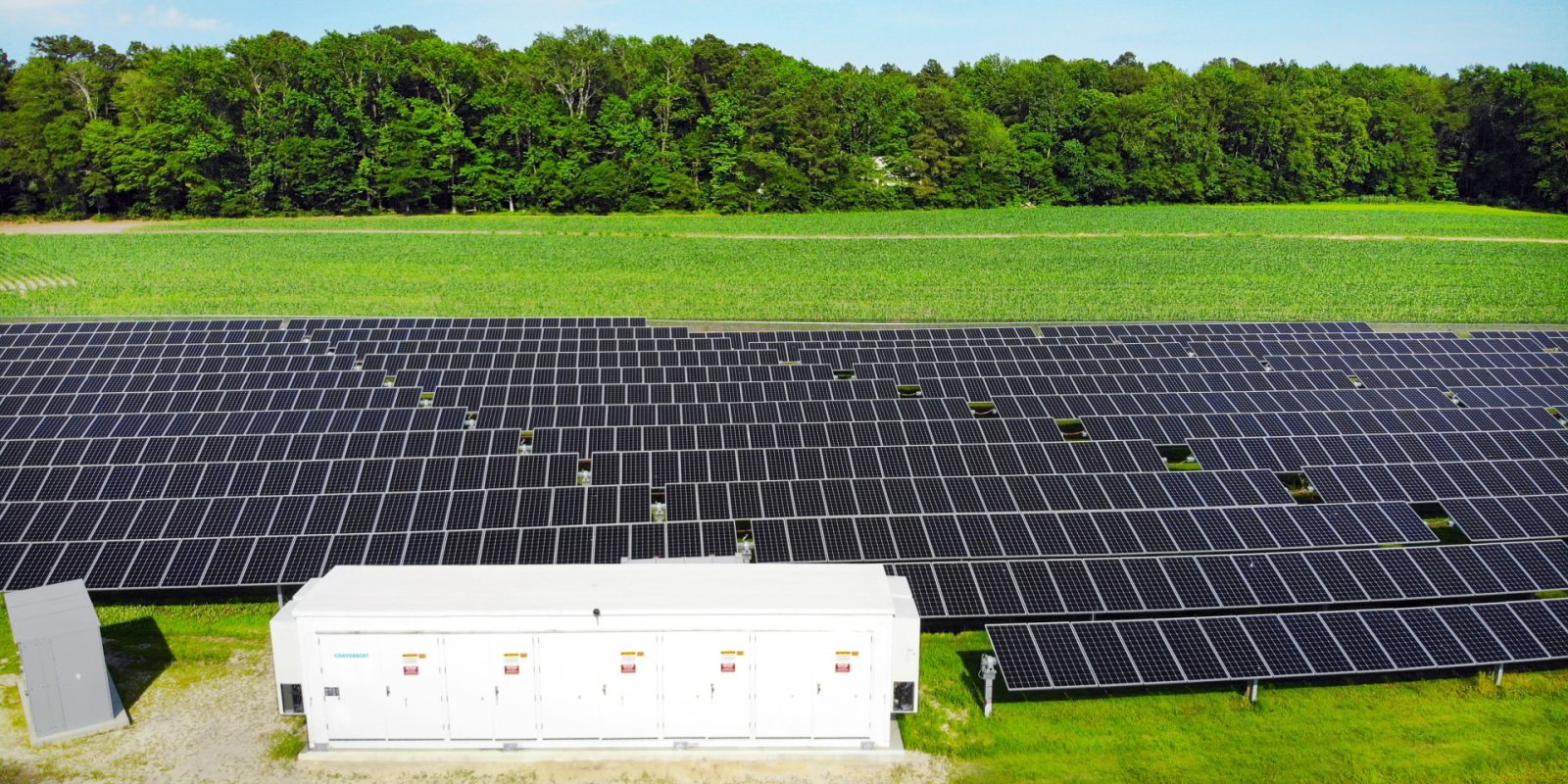
During the first 10 months of 2025, solar and battery storage have dominated growth among competing energy sources. Further, all net new generating capacity in 2026 is forecast to be provided by renewable energy and batteries, according to data recently released by the US Energy Information Administration (EIA) reviewed by the SUN DAY Campaign.
Expand Expanding Close

After a sluggish stretch, US wind is heading into a pivotal moment, with a near-term rebound colliding with rising power demand, tariffs, and stubborn permitting bottlenecks.
Expand Expanding Close
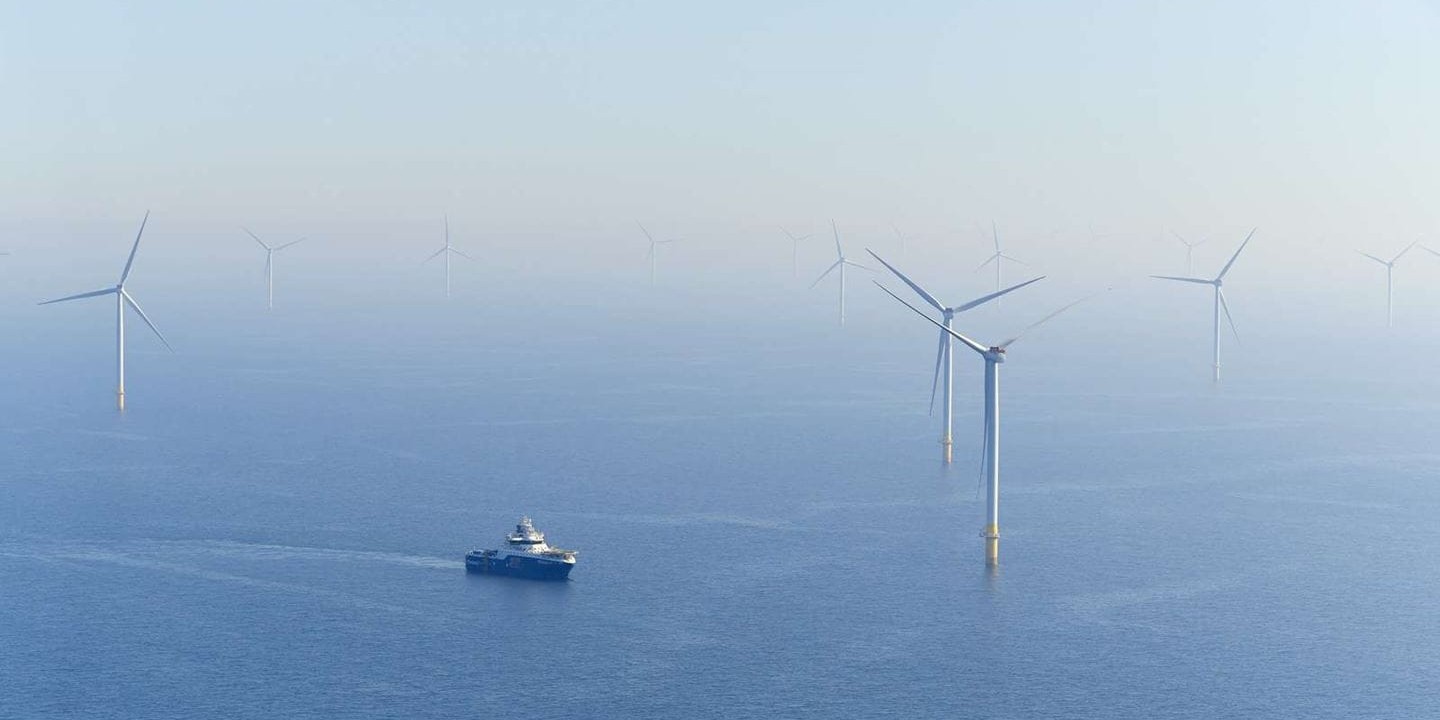
A federal judge in Massachusetts today ruled that the Trump administration’s ban on new offshore wind projects in federal waters is illegal.
Expand Expanding Close
Newly published data from the Federal Energy Regulatory Commission (FERC), reviewed by the SUN DAY Campaign, reveal that solar accounted for over 75% of US electrical generating capacity added in the first nine months of 2025. In September alone, solar provided 98% of new capacity, marking 25 consecutive months in which solar has led among all energy sources.
Year-to-date (YTD), solar and wind have each added more new capacity than natural gas has. The mix of all renewables remains on track to exceed 40% of installed capacity within three years; solar alone may be 20%.
Expand Expanding Close
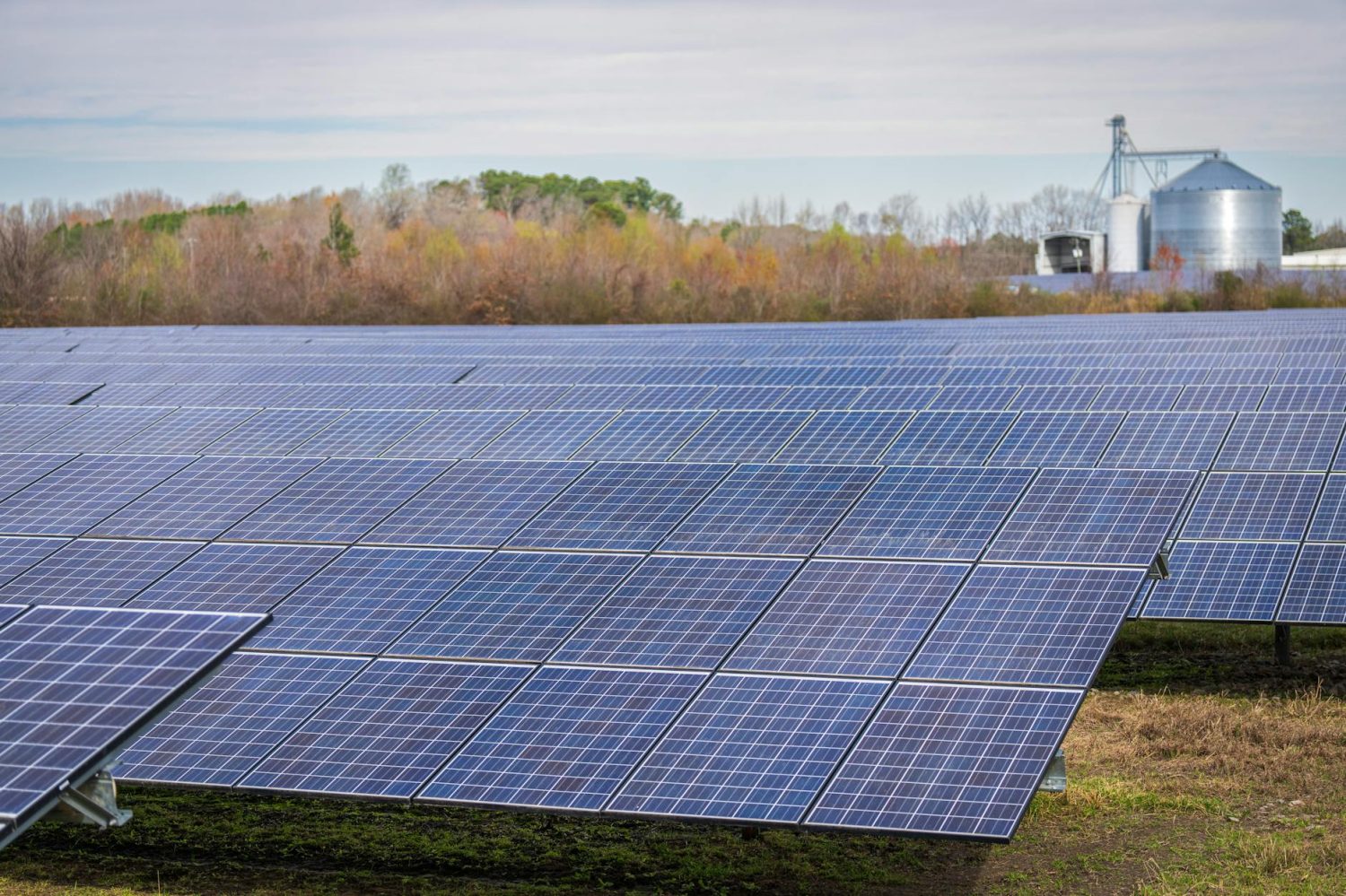
US Energy Information Administration (EIA) data released on November 25 and reviewed by the SUN DAY Campaign reveal that, during the first nine months of 2025 and for the past year, solar and battery storage have dominated growth among competing energy sources, while fossil fuels and nuclear power have stagnated.
Expand Expanding Close
Businesses canceled, closed, or scaled back more than $4.4 billion in major factory and clean energy projects from late September through October, according to new data from E2. That brings total private-sector renewable and EV project losses to over $28.7 billion in 2025 alone.
Expand Expanding Close
Cordelio Power’s 135 MW Crossover Wind farm is officially up and running in Cross County, Arkansas, west of Memphis, Tennessee. It is now officially the first operating wind farm in Arkansas.
Expand Expanding Close
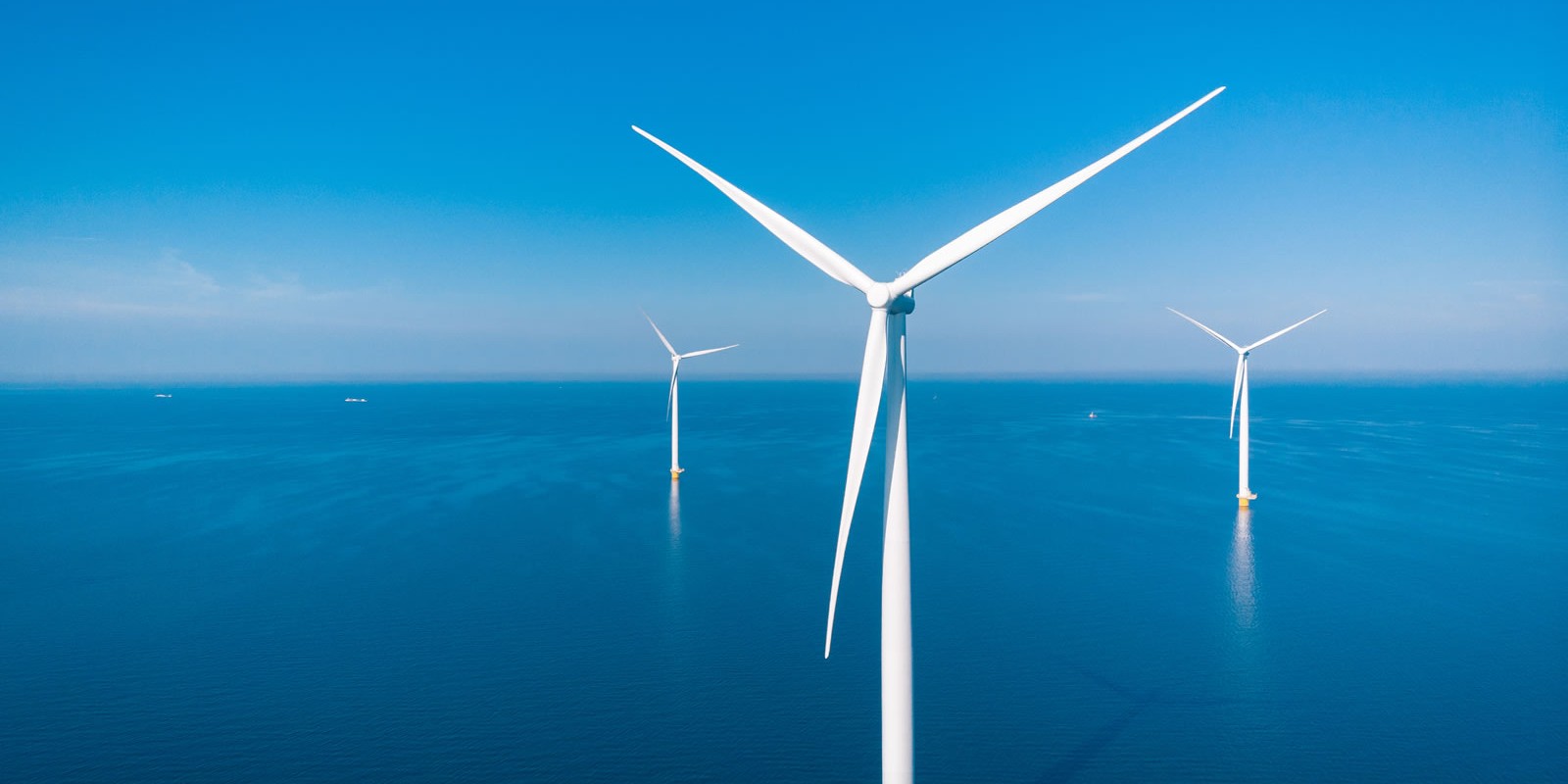
Britain’s wind turbines set a new wind generation record, generating an impressive 22.7 gigawatts (GW) at 7:30 pm on November 11. That was enough electricity to power 22 million homes, the National Energy System Operator (Neso) said.
Expand Expanding Close
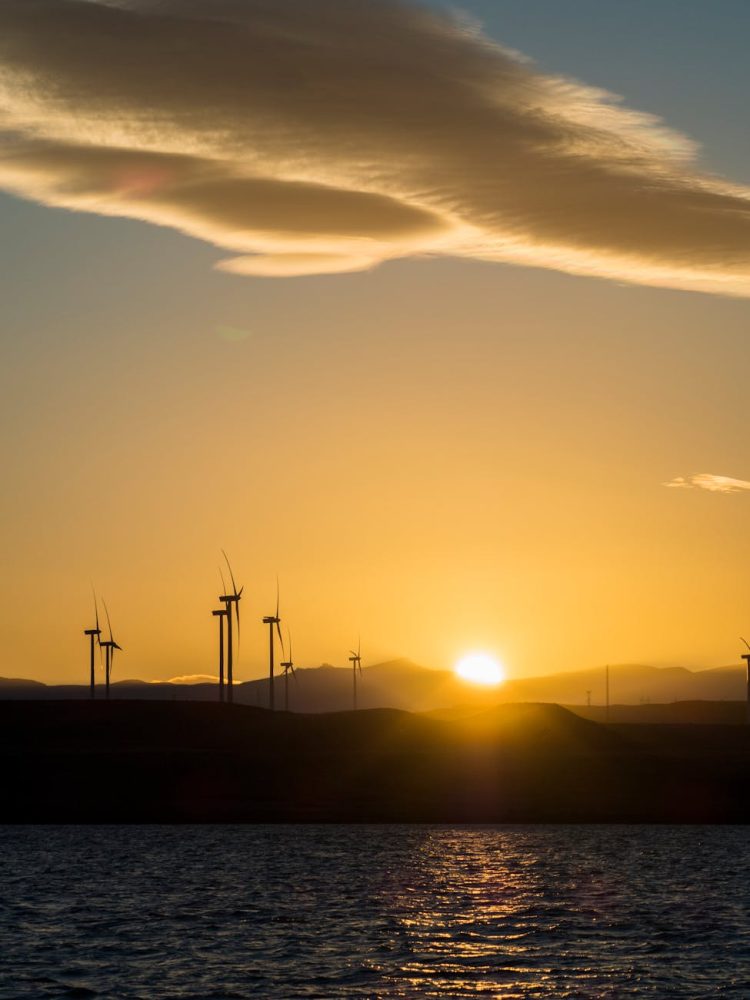
Solar and wind are growing fast enough to meet all new electricity demand worldwide for the first three quarters of 2025, according to new data from energy think tank Ember. The group now expects fossil power to stay flat for the full year, marking the first time since the pandemic that fossil generation won’t increase.
Expand Expanding Close