Author

Avatar for Fred Lambert

Fred Lambert

fredlambert

Fred Lambert is the Editor-in-Chief and one of the founding members of Electrek. He mainly covers electric vehicles and renewable energy.

He is also the co-founder of Combat Edge, a MMA stats website.

Lambert made a name in the EV space through a steady stream of exclusive scoops about Tesla, including being the first journalist to try Tesla’s Autopilot feature back in 2015. Lambert also repeatedly broke stories about new Tesla products like Enhanced Summon, Model S design refresh, Tesla Autopilot 2.5, and more.

In 2020, he was also the first to report that Tesla’s new planned Gigafactory in the US would be located in Austin, Texas months before the official announcement.

His reporting has been used by many mainstream news organizations, like the Wall Street Journal, The Washington Post, and many more.

Lambert has appeared on television (CNBC) and has been featured in national papers for his expertise in electric vehicles.

You can contact him by email at fred@9to5mac.com or on Twitter @fredericLambert

Connect with Fred Lambert

Elon Musk’s Boring Company has work crew in Nashville walk off job over unpaid bills and safety

The Boring Company, Elon Musk’s tunneling startup, is reportedly facing significant issues with its new project in Nashville, Tennessee. A key subcontractor has walked off the job, alleging that the company has failed to pay for work completed on the “Music City Loop,” claiming they have received only 5% of what they are owed.

Expand Expanding Close
Elon Musk slashes Tesla Robotaxi fleet goal from 500 to ~60 in Austin

Tesla Robotaxi hero

Elon Musk announced last night that Tesla is planning to “roughly double” its Robotaxi fleet in Austin next month. While an expansion of the pilot sounds positive on the surface, a look at the actual numbers reveals that Tesla is missing its own “end of year” target by a massive margin.

Just last month, Musk explicitly stated that Tesla aimed to have 500 Robotaxis in Austin by the end of the year. Now, “doubling” the current estimated fleet suggests the actual number will be closer to 60.

Expand Expanding Close
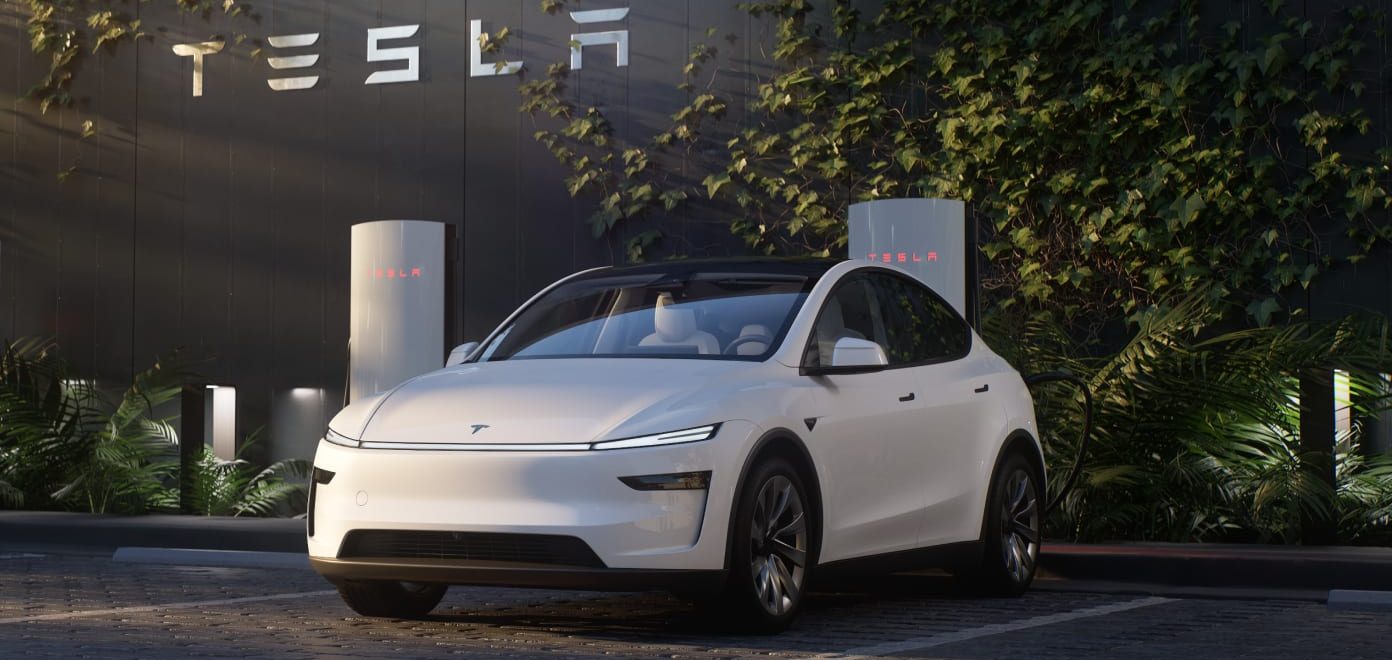
Tesla AI4 vs. NVIDIA Thor: the brutal reality of self-driving computers

The race for autonomous driving has three fronts: software, hardware, and regulatory. For years, we’ve watched Tesla try to brute-force its way to “Full Self-Driving (FSD)” with its own custom hardware, while the rest of the automotive industry is increasingly lining up behind NVIDIA.

Now that we know Tesla’s new AI5 chip is delayed and won’t be in vehicles until 2027, it’s worth comparing the two most dominant “self-driving” chips today: Tesla’s latest Hardware 4 (AI4) and NVIDIA’s Drive Thor.

Expand Expanding Close

Tesla announces expected FSD approval date in Europe, regulators deny

For the first time in what feels like forever, Tesla has put a hard date on the arrival of Full Self-Driving (Supervised) in Europe. The automaker confirmed that the Dutch vehicle authority (RDW) has committed to granting national approval for the system in February 2026, which is just a few months away.

Update: RDW has denied that it has told Tesla it plans to grant approval in February.

Expand Expanding Close
Electricity is about to become the new base currency and China figured it out

Fred Lambert standing over Shenzhen

For most of human history, currency was a direct claim on tangible, productive output. Before the abstraction of government fiat or cryptocurrency, value was stored in things that required real work and resources, bushels of grain, livestock, gold, assets with their own direct productive output: horses, and tragically, slaves.

These were the foundational assets of economies, representing a direct link between labor, resources, and stored value.

As we accelerate into an all-electric, all-digital age, this fundamental link is re-emerging, but with a new unit of account. The 21st-century economy, defined by automated industry, robotic, electric transport, and now power-hungry artificial intelligence, runs on a single, non-negotiable input: electricity. In this new paradigm, the real base currency, the ultimate representation of productive capacity, is the kilowatt-hour (kWh).

Expand Expanding Close
Tesla delays next-gen AI5 chip to mid-2027, Cybercab will launch on AI4 hardware

Tesla Full Self-driving computer

Tesla CEO Elon Musk has confirmed that the automaker’s next-generation self-driving computer, known as AI5, will not be available in volume until mid-2027.

The new timeline confirms that Tesla’s upcoming Cybercab, scheduled for 2026, will launch on current-generation AI4 hardware – raising more questions about the capability of the vehicle, which isn’t supposed to have pedals or a steering wheel.

Expand Expanding Close
A rare GM EV1 saved from the crusher is going to be driveable again

GM EV1 Electrek garage

The General Motors EV1 has a vital place in electric vehicle history. It mainly served to show two things:

  1. Show a viable path for battery-electric vehicles back in the 1990s.
  2. Some forces are clearly at play to suppress electric cars.

GM only leased the EV1, never sold any, and prevented almost anyone from keeping them when it killed the vehicle program.

The automaker ended up crushing the vast majority of them. While a few empty shells exist in museums, they are strictly prohibited from ever driving again. But a new project has surfaced involving what appears to be the only legally owned EV1 in private hands, and the new owner plans to put it back on the road with a modern battery pack.

A YouTube channel called Electrek Garage (no relation to us, though we like the name) posted a fascinating video detailing the acquisition and restoration plan for this unicorn of an EV.

Expand Expanding Close
Tesla obtains permit for its ‘Robotaxi’ with a safety driver in Arizona

Tesla Robotaxi hero

Tesla has been granted a Transportation Network Company (TNC) permit by the Arizona Department of Transportation (ADOT), enabling the company to operate a paid ride-hailing service in the state officially.

This will allow Tesla to launch its ‘Robotaxi’ similarly to how it does in California – meaning with Uber drivers using Full Self-Driving Supervised (FSD).

Expand Expanding Close

Stellantis becomes last automaker to adopt Tesla’s NACS, and goes global with it

Stellantis goes Tesla NACS

After watching every other major automaker, Ford, GM, Mercedes, Hyundai-Kia, and even the famously cautious Toyota, and just last week Volkswagen, jump ship from the clunky CCS standard to the elegant, proven, and reliable NACS connector, Stellantis was the last major legacy holdout.

Well, the last domino has fallen, but the most interesting thing is that the NACS connector, which stands for North American Charging Standard, is going global – beyond North America.

Expand Expanding Close

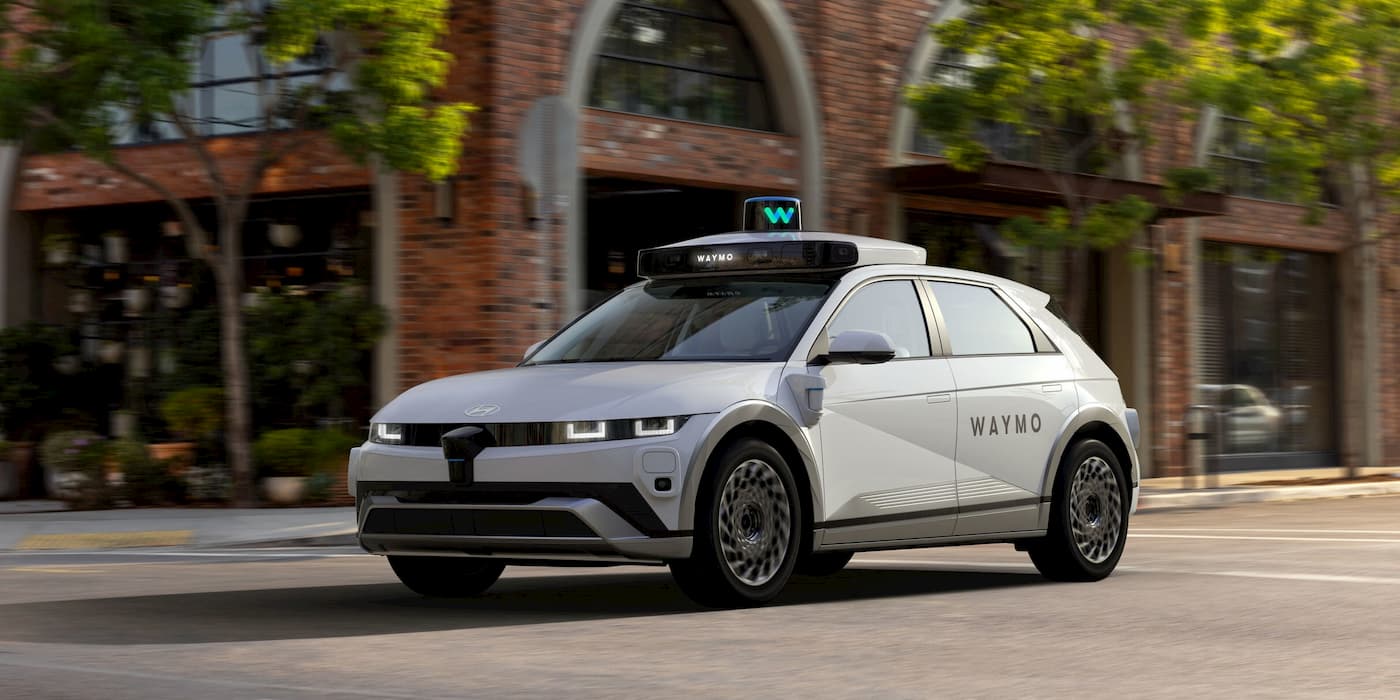
Waymo announces expansion: autonomous rides coming to Miami, Dallas, Houston, and more

Waymo cities

Waymo is significantly accelerating its rollout. After years of slow and methodical expansion, the Alphabet-owned company is now moving at a faster speed, announcing today that it is bringing its autonomous driving technology to five new major cities, starting with Miami.

This comes just days after the company finally unlocked driverless freeway rides for passengers in its core markets.

Expand Expanding Close

Tesla settles another lawsuit over Autopilot crash, 4th since losing first trial

Tesla Autopilot

Tesla has settled another lawsuit involving its Autopilot driver-assist system, which is alleged to have caused a crash. This time, a 2020 Model Y on Autopilot crashed into a stationary police vehicle in Texas.

This is Tesla’s fourth known settlement in lawsuits involving Autopilot crashes since losing its first trial earlier this year.

Expand Expanding Close