
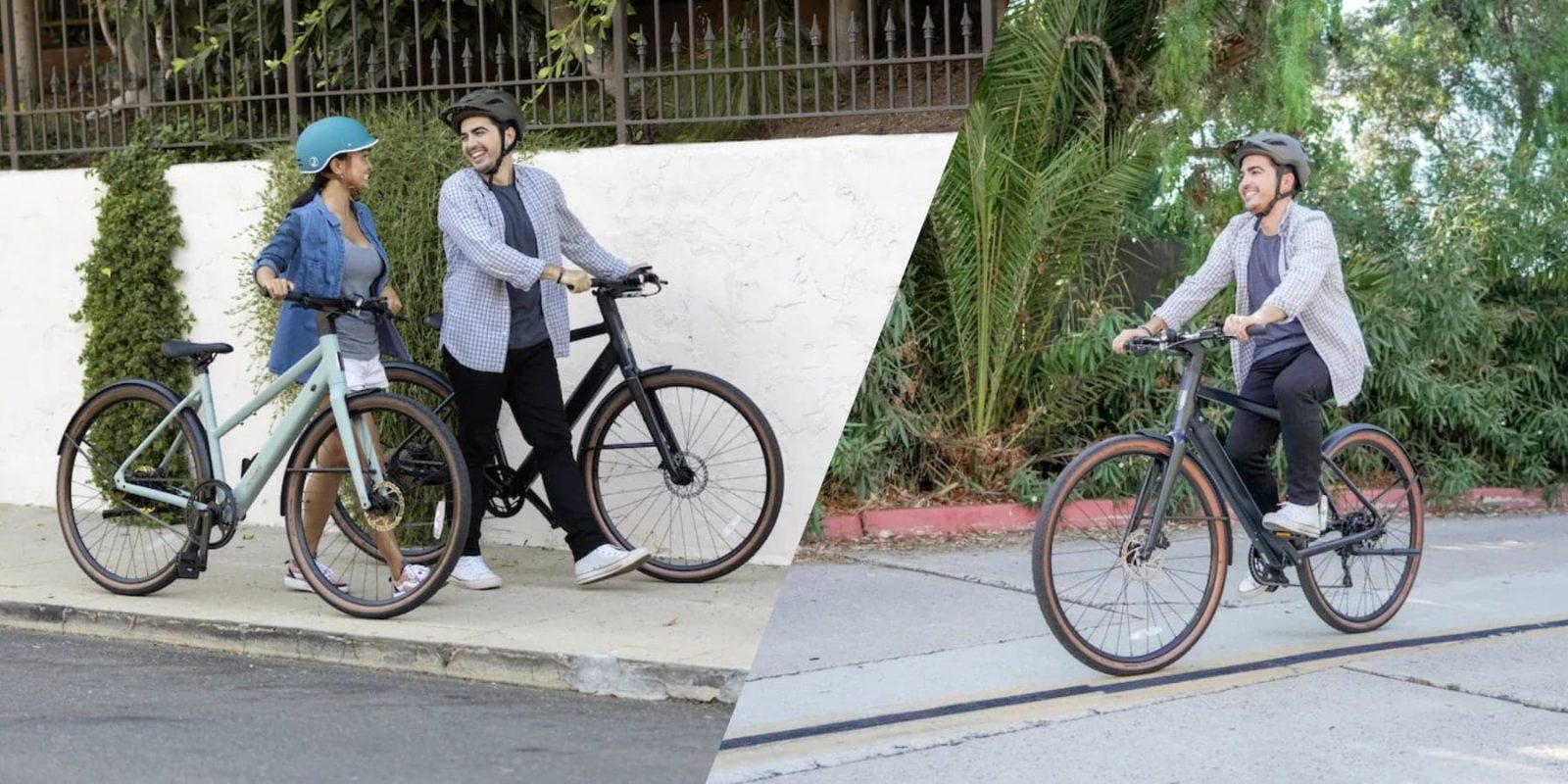
There was a time, not all that long ago, when the electric bicycle industry seemed headed in a very different direction. The promise of the e-bike was elegantly simple: take a normal bicycle and make it easier. Easier to commute, easier to climb hills, easier to ride farther without arriving sweaty, and easier to replace car trips.
And for a while, that’s exactly what much of the industry built.
The typical commuter e-bike of the late 2010s in the US was moderately light, often around 45-50 lb (20-22 kg). It looked like a bicycle because it was a bicycle – just one with a somewhat discreet motor and battery added in (ok, maybe discreet packaging wasn’t the highlight of early e-bikes, to be fair). But generally speaking, these bikes had narrower urban tires, modest motors, and geometries that still prioritized pedaling.
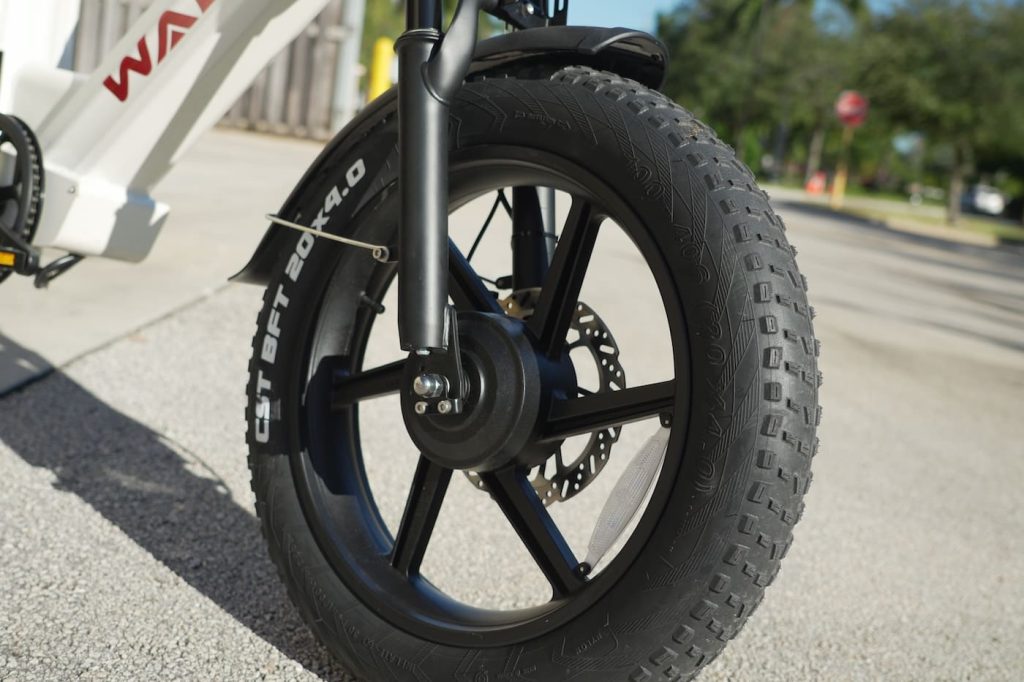
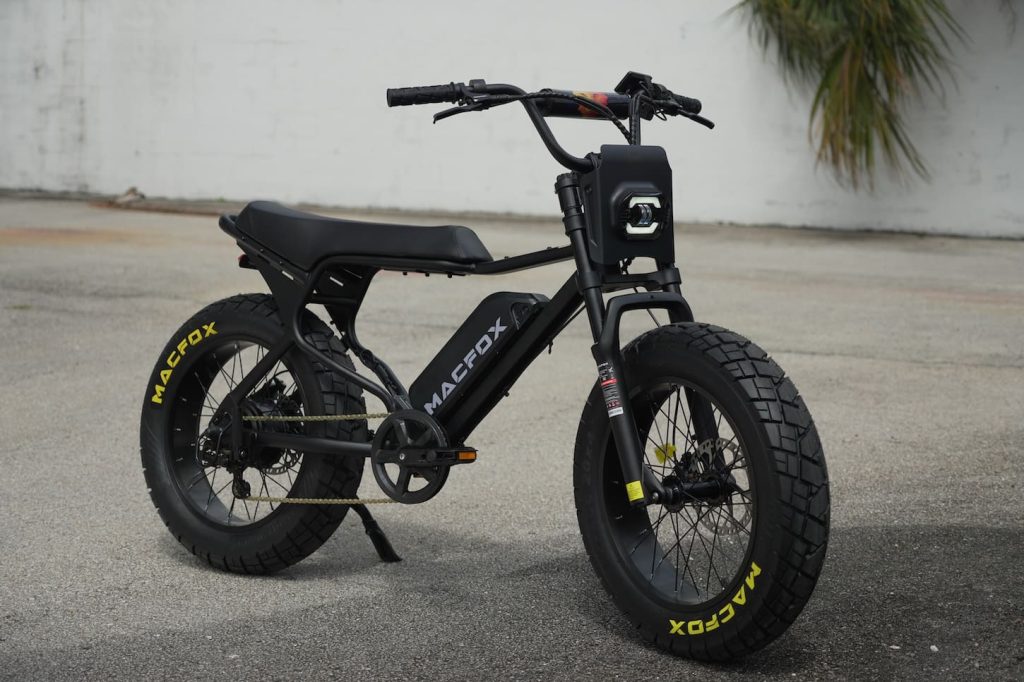
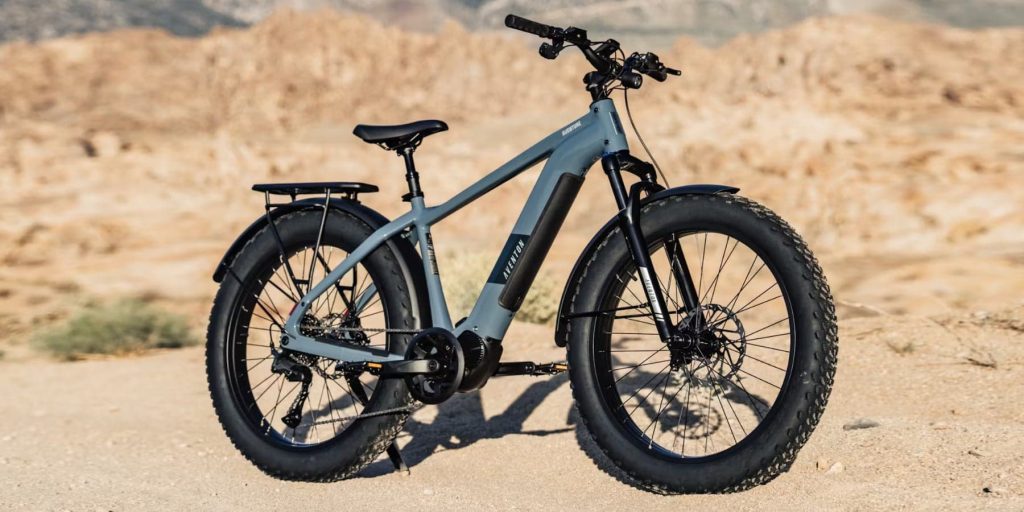
Then something changed. Today, the US e-bike market is dominated by machines that often weigh 70-90 pounds (30-40 kg), with some even surpassing 100 lb (45 kg). These are normal, not extreme examples. These are average e-bikes today. They wear fat tires, carry giant batteries, and boast oversized hub motors. Many feature motorcycle-style bench seats, dual crown suspension forks like motorcycles, and enough power to whiskey-throttle new riders right into a fence.
And I’m not saying that lighter e-bikes don’t exist anymore, but they’re now the exception instead of the rule. The lightweight commuter e-bike didn’t exactly die. But it definitely got pushed out of the spotlight.
And like the old Who Killed the Electric Car? documentary, the answer isn’t as simple as blaming one villain. The lightweight commuter e-bike was slowly crowded out by a combination of consumer demand, online marketing, cheap manufacturing economics, weak cycling infrastructure, and a spec-sheet arms race that reshaped the American e-bike market.
The golden age of the bicycle-like e-bike
In the earlier years of the modern e-bike boom, there was a clear design philosophy behind many commuter models.
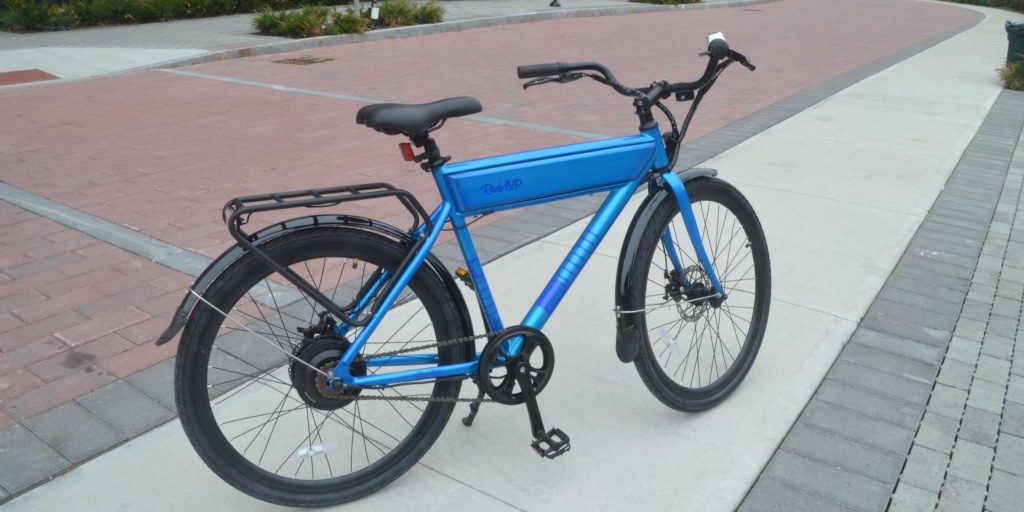
Companies like Propella, Wing, Ride1Up, Luna (to some extent with the “Fixed” model), and others focused on building e-bikes that still behaved like bicycles. Even premium brands like VanMoof and Specialized leaned heavily into the idea that the best e-bike was the one that disappeared underneath you.
The motor wasn’t supposed to dominate the experience. It was supposed to assist it.
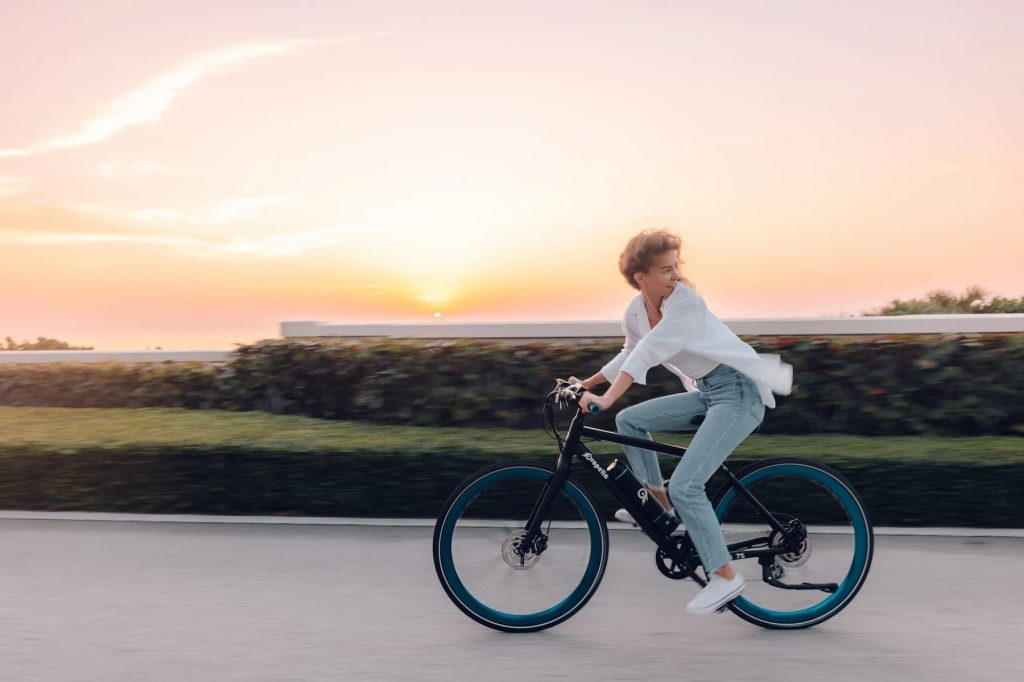
Many of these bikes used smaller motors in the 250W to 500W range, paired with relatively modest batteries. The result was lighter weight, often under 40 lb (18 kg), which made the bikes practical for apartment dwellers, train commuters, and anyone who occasionally had to carry their bike up stairs.
And importantly, these bikes pedaled well even without power.
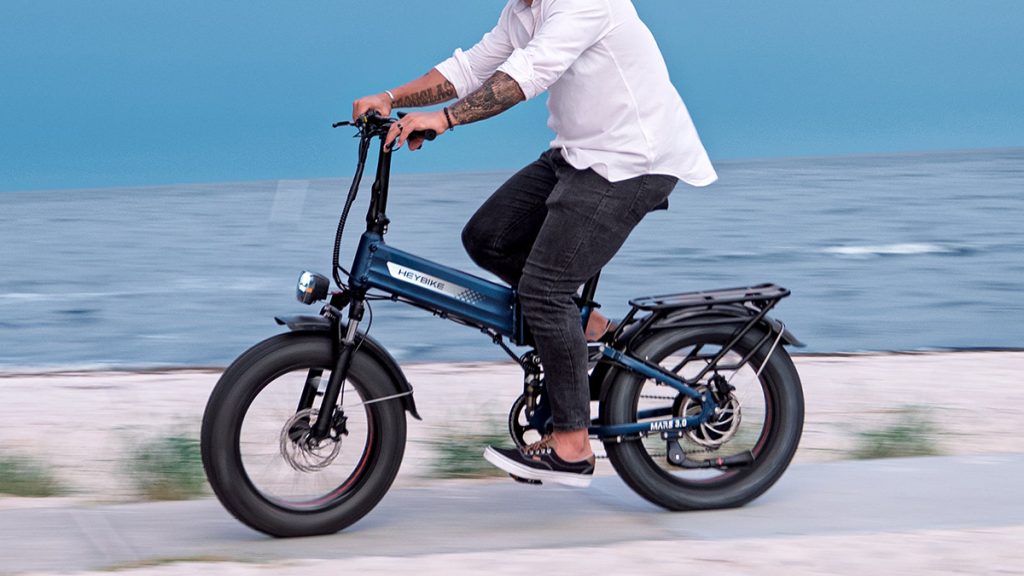
That’s something many newer riders may not fully appreciate until they try both styles. A lightweight commuter e-bike with efficient tires and decent geometry still feels enjoyable if the battery dies. A 90-lb (41 kg) fat tire bike with a giant direct-drive motor often feels like pedaling a refrigerator through wet sand.
These earlier commuter bikes also reflected a more European philosophy of cycling. They assumed riders would pedal, that efficiency mattered, and that the rider still wanted something fundamentally connected to cycling culture.
But then the market shifted.
The rise of the rolling tank
At some point, the American e-bike market became obsessed with “more.”
More watts. More battery. More speed. More suspension. More range. More tires.
And perhaps most importantly: more visible value.
The rise of direct-to-consumer online sales changed everything. Consumers shopping online couldn’t test ride bikes, so companies learned to compete on easily understood numbers instead.
A refined 39 lb commuter bike with excellent ride feel loses very quickly in an online comparison against a bike advertising “1,500W PEAK POWER!!!” and “80 MILE RANGE!!!”.
The latter sounds more impressive, even if the actual riding experience is worse in many real-world scenarios.
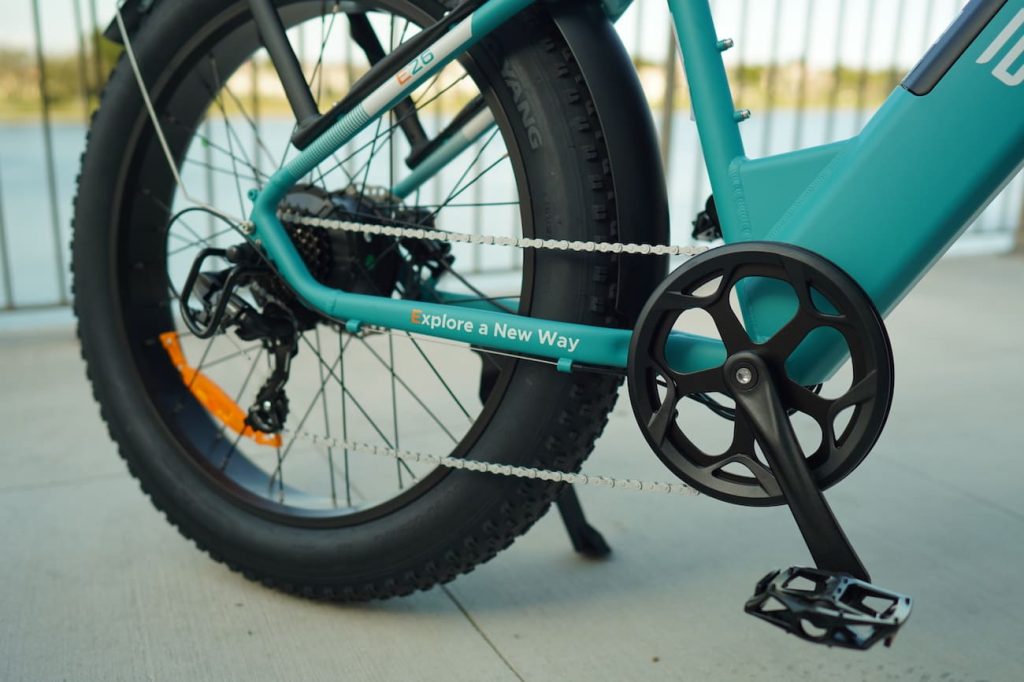
At the same time, Chinese manufacturing ecosystems became incredibly efficient at producing modular fat tire e-bikes. Factories could essentially mix-and-match giant batteries, generic hub motors, oversized frames, and suspension forks into endlessly rebranded products.
And frankly, these bikes sold extremely well.
That’s because power and battery capacity are easy to market. Ride refinement is not.
A customer scrolling Amazon or browsing through YouTube thumbnails can immediately understand “dual battery” or “1000W.” They can’t easily understand nuanced handling, balanced geometry, efficient power delivery, or natural pedal feel.
And so the industry gradually optimized around what was easiest to advertise.
The result was a new dominant archetype: the rolling tank e-bike.
These bikes often prioritized brute force over elegance. Huge motors compensated for poor efficiency. Fat tires compensated for mediocre suspension. Massive batteries compensated for excessive weight.
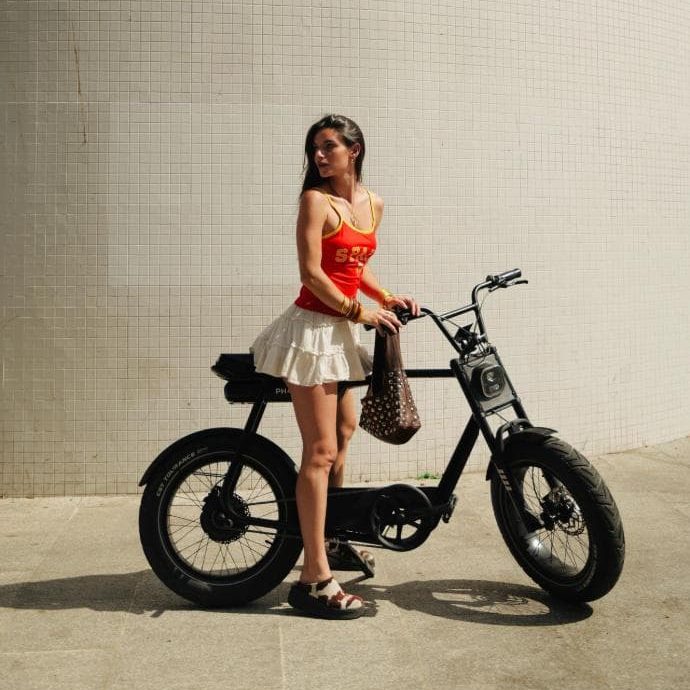
They were less like bicycles with motors and more like lightweight electric motorcycles with pedals awkwardly attached.
Now, I don’t intend for this to be an indictment against heavier e-bikes. Those very e-bikes are the ones that opened many Americans’ eyes to the fact that one could get out of a car and travel on two wheels instead. Most Americans simply weren’t interested in ‘cycling’, but this new ‘e-biking’ concept resonated with them.
Companies like Rad Power Bikes brought models like the fat tire RadRover to consumers, showing a new way to have fun on two (fat) wheels. Then innovators like Lectric eBikes took those massive fat tire e-bikes and shrunk them down a bit into folding models like the legendarily affordable Lectric XP (and then the XP2, XP3, and current XP4), which have put more Americans on two wheels than any other single model in the history of e-bikes.
This new level of accessibility totally changed the two-wheeled landscape, and generally for the better, by bringing with it that critical accessibility and renewed interest. But it did it with a “more is more” philosophy – one that has largely stuck to this day.
It’s a solution that has worked, and has worked well. Just a few weeks ago we covered the inspiring story of how Lectric eBikes revived the classic American e-bike brand Juiced Bikes, instilling it with new energy (and financial footing) to relaunch the Juiced Scrambler, an impressive – though heavy – electric bicycle that relies heavily on inspiration from moped and motorbike culture.
So good things have come from this trend, but at the same time, we’ve lost something along the way. We’ve lost that soft touch, that self control, and that nuance that made lighter e-bikes so nice to use.
Did America actually want motorcycles all along?
There’s another uncomfortable possibility to consider here.
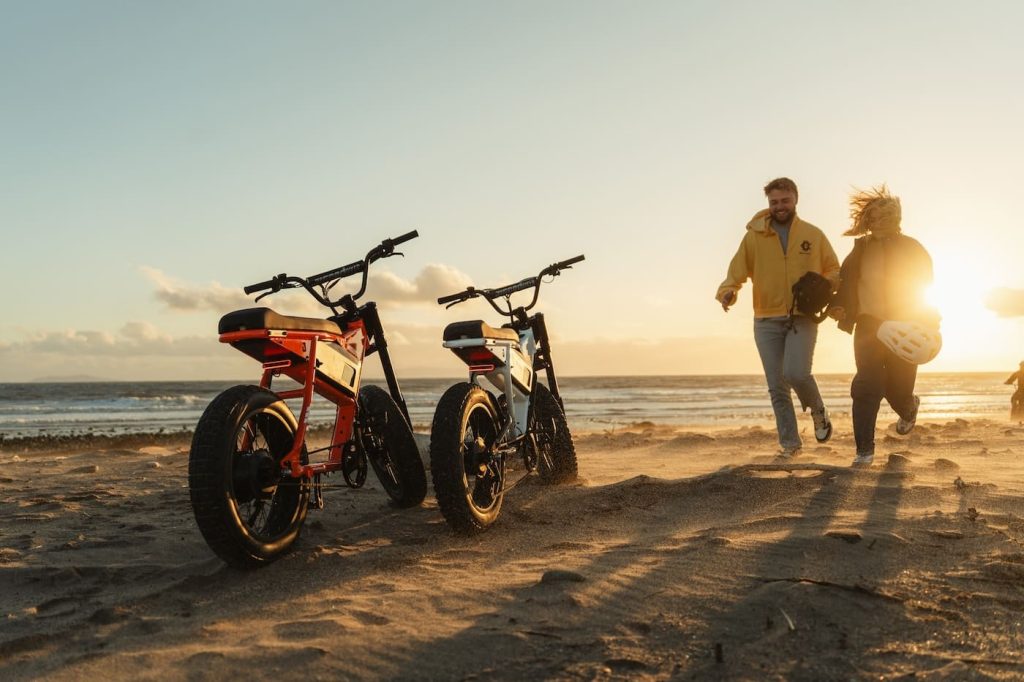
Maybe many American consumers simply didn’t want bicycle-like e-bikes in the first place. Maybe e-bikes took off in the West largely because of heavier e-bikes, and not in spite of them.
The US market differs significantly from Europe or Asia. In much of America, cycling infrastructure is weak, distances are longer, and car culture dominates transportation habits.
A huge percentage of American e-bike buyers were not cyclists before purchasing an e-bike. They were drivers.
And those buyers often prioritized very different things.
They wanted throttles. They wanted comfort. They wanted suspension. They wanted speed. They wanted something that didn’t require “cyclist fitness.”
Fat tire bikes and moped-style e-bikes solved many of those concerns. Wide tires softened potholes and rough pavement. Bench seats felt familiar and comforting in a way that a little bicycle seat never could. Throttles reduced physical effort. Powerful motors made hills irrelevant.
In a strange way, the heavy e-bike boom may have represented the democratization of electric mobility. These weren’t bikes designed by cyclists for cyclists anymore. They were designed for everyone else.
That’s part of why so many traditional cyclists recoiled at them.
To longtime bicycle enthusiasts, many of these machines felt crude and inefficient. But to millions of new riders, they felt approachable and unintimidating.
And once the market discovered that non-cyclists vastly outnumbered cyclists, the industry simply followed the money.
The companies that couldn’t survive
Unfortunately, lightweight commuter e-bikes also turned out to be harder businesses to build.
A heavy fat tire bike can get away with mediocre engineering because brute force masks many sins. Throw enough motor power and battery capacity at the problem, and the bike will still feel “fast” and “comfortable.”
But lightweight commuter bikes require refinement.
If the geometry is off, riders notice. If the power delivery is jerky, riders notice. If the frame flexes poorly or the tires feel inefficient, you can’t hide it behind an additional 10 pounds (4.5 kg) of fat tires and tubes.
And building lightweight bikes well is an expensive game.
That’s one reason many of the companies associated with earlier lightweight commuter trends struggled. Propella, for example, appears to have largely disappeared after years of producing some of the more affordable lightweight commuter e-bikes in the US market. VanMoof famously imploded under the weight of its own ambitious vertical integration strategy before later being rescued and revived.
Even successful companies often shifted toward heavier, more aggressive models simply because those sold better.
Ride1Up is a great example. The company still produces lightweight commuters like the Roadster series, but much of the broader market momentum moved toward larger fat tire and moped-style models because that’s where consumer demand exploded.
And from a business standpoint, it’s hard to ignore the products that fly off shelves.

The spec sheet arms race
Review culture also played a role.
YouTube and social media helped create an environment where excitement often overshadowed refinement.
Videos featuring drag races, top speed tests, burnouts, or “this thing absolutely rips” headlines naturally generated more clicks than nuanced discussions about handling balance or efficient urban geometry.
And honestly, I’m not immune to this either. Powerful bikes are fun. Giant batteries are convenient. Fast acceleration makes for entertaining content. And I have personally reviewed plenty of tanks on two wheels because that’s what has been asked of me (and I’ll admit they can be fun!), despite my personal e-bikes falling on the much more efficient end of the spectrum. In fact, the lightweight Ride1Up Roadster V3 is my current everyday rider e-bike, and I love the lightweight ride!
But the cumulative effect of years of spec-focused marketing gradually reshaped buyer expectations.
Consumers started equating bigger with better.
A 35 lb (16 kg) commuter bike with a 350W motor suddenly looked “underpowered” next to a 90 lb (41 kg) machine advertising 1,500W peak output and dual suspension.
Never mind that the lighter bike might actually be more practical for real urban commuting.
This trend even mirrors what happened in the automotive industry. America once embraced compact cars. Then, larger SUVs and trucks gradually became dominant because consumers associated size with capability, safety, and value.
E-bikes followed a surprisingly similar trajectory.
Regulation may have accidentally helped
Ironically, American e-bike regulations may have also nudged the industry toward heavier designs.
The US three-class system established a relatively generous 750W power ceiling. But instead of acting as an upper boundary rarely approached, many manufacturers treated it like a target to hit. And if your competitor’s bike is a 750W model, you better believe that it’s going to be harder for you to sell a 500W model next to it.
Once throttles and big motors became common, efficient pedal dynamics mattered less. If riders could simply throttle away from stoplights, there was less incentive to optimize bikes for efficient pedaling.
Meanwhile, Europe maintained stricter regulations, including lower motor power limits of 250W and more consistent emphasis on pedal-assist systems.
As a result, Europe retained a much healthier ecosystem of lightweight commuter e-bikes. Riders there often still expect bikes to behave like bicycles first. It’s not that powerful fat tire e-bikes don’t exist, but they’re often frowned upon at best or outright illegal at worst.
The US market increasingly drifted toward electric mopeds that occupied the legal category of bicycles, but focused on power and performance over lightweight convenience or pedalability.
But maybe the lightweight commuter e-bike isn’t dead
Despite everything, there are signs the pendulum may slowly be swinging back.
Many riders who bought giant fat tire e-bikes are discovering the downsides.
These bikes are difficult to carry upstairs. They’re awkward on car racks. They’re miserable to pedal unpowered. Some barely fit onto public transit racks or elevators. Others feel unnecessarily oversized for simple urban errands.
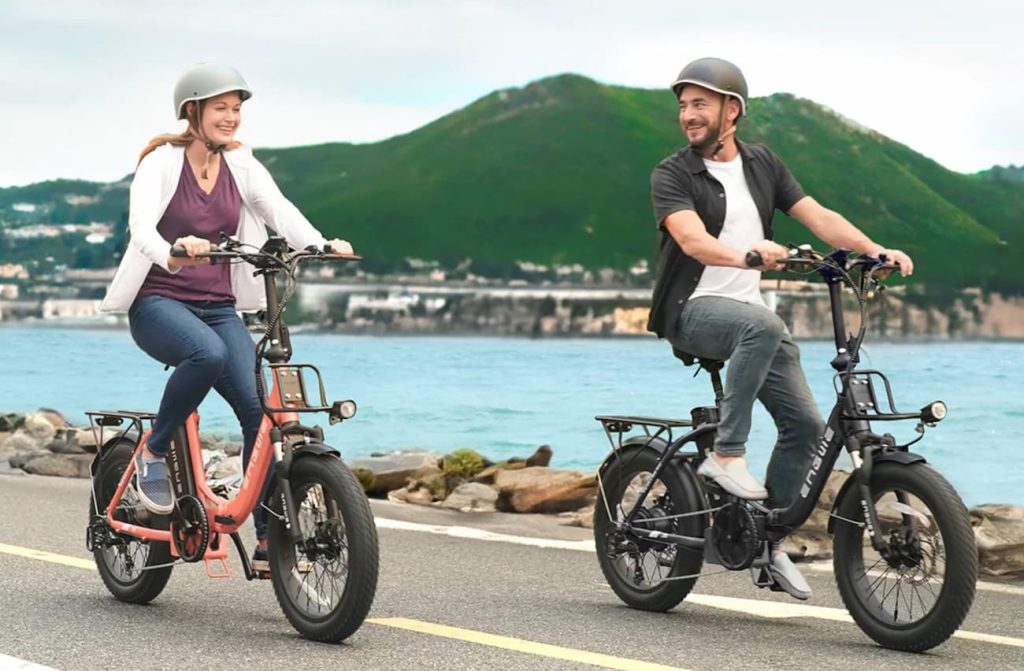
At the same time, newer lightweight commuter models continue appearing from companies that understand there’s still demand for elegant urban mobility.
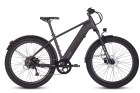
Premium brands like Specialized offer models like the Turbo Vado SL line, proving there’s a market for premium lightweight e-bikes. Tenways has built an entire brand around sleek urban commuters. Ride1Up’s Roadster V3 continues earning praise for packing surprisingly good performance into a lightweight package. And Lectric eBikes, which has put more people on fat tire e-bikes than any other company, offers multiple lighterweight and narrow-tire models that bring minimalism back, albeit with a performance edge rarely seen in the category.
And perhaps most importantly, cities themselves are changing.
As urban density increases and more people embrace apartment living, the practicality advantages of lighter e-bikes become impossible to ignore. Multi-modal commuting works far better with a 38 lb bike that can be lifted into a train or car trunk than an 85 lb monster bike.
The market may simply be maturing. Early buyers wanted excitement and novelty, but later buyers may start prioritizing usability and refinement.
So… who killed the lightweight commuter e-bike?
The answer is: almost everyone.
Consumers chasing bigger specs. Manufacturers chasing easier profits. Factories optimizing for online sales. Reviewers rewarding speed and power. Weak cycling infrastructure encouraging cushy tank-like designs. American transportation culture prioritizing throttle-driven convenience over cycling efficiency.
Nobody killed the lightweight commuter e-bike outright.
But collectively, the industry buried it beneath an avalanche of giant batteries, oversized motors, fat tires, and spec-sheet warfare.
Top comment by Sameer Sajid
I'll be real- I'm in this category. Not the fat tire, but wanting raw power and range on a commuter bicycle (Juiced CrossCurrentX). It's exactly what I wanted, and I love it. I commute 15.3 miles one-way to my workplace, and about half of it is on 30-35mph public roads. I feel much safer being able to almost keep up with traffic when I can sustain 28mph easily, even up hills. Maintaining the max 28mph is a MUST for me. Cars don't pass me nearly as aggressively, some are even content to stay behind me. Not only that, but the extra power and battery capacity ensures I'm able to get to work on time, every time, even if I can't pedal as hard. I almost always treat it as an exercise routine and pedal as hard as I can- but if I'm tired or sore, the bike ensures I get get to work on time, no more than 1-2 minutes later than usual. And finally, regarding inefficiency and weight- even the heaviest, biggest, stupidest ebike is still 5-10x more efficient (in terms of energy and space), than the even the most efficient EV, nevermind gas cars. I see any car travel offset by any ebike (yes, even the illegal 40mph+ e-motos) as a unconditional win.
And yet, I’m not convinced the story is over. To say that the lightweight commuter e-bike has been killed is an oversimplification. It’s still here.
Each day I throw my leg over a fun and lightweight Ride1Up Roadster V3, it brings a smile to my face. And many other models are out there, just a wheel length or two from the spotlight, quietly and efficiently shuttling Americans around town every day. They don’t get the same attention or sales volume, but they’re there.
And it’s ok that bigger, more powerful e-bikes still stand center stage. They play a critical role in the industry, and they’re changing lives for the better.
But I still believe that eventually, some riders discover something important: what they actually wanted might not have been a small electric motorbike. They merely wanted a bicycle that just happened to feel superhuman.


FTC: We use income earning auto affiliate links. More.


Comments