
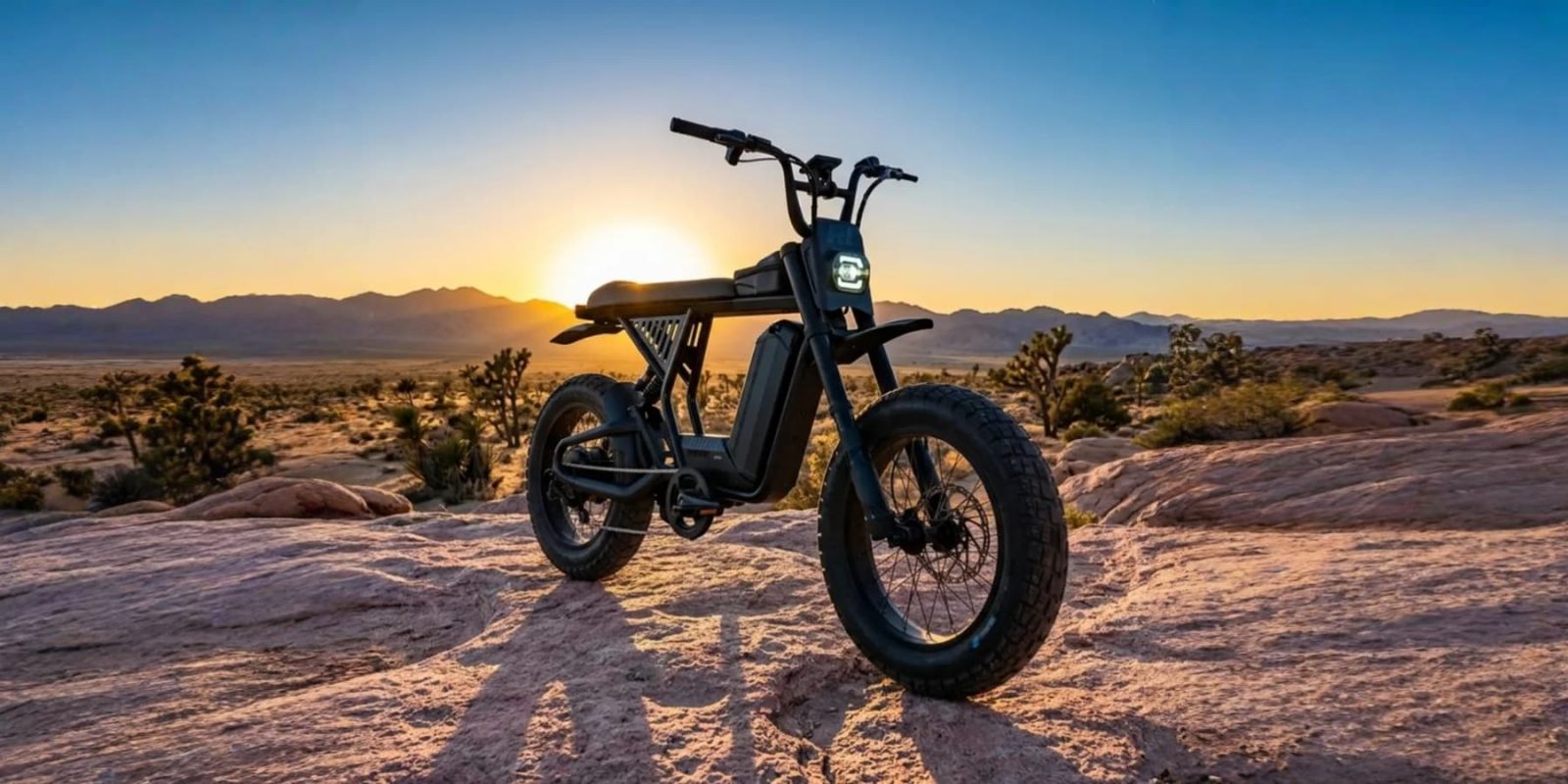
For years, “next-gen battery tech” in the e-bike world (and the EV world in general) has mostly been a promise. Solid-state batteries were always just around the corner, hyped in EV headlines but nowhere to be found on actual bikes you could buy.
That may finally be changing.
No, I’m not talking about those Donut batteries for electric motorcycles, which are still mired in controversy and increasingly shaping up to be a let-down. I’m talking about batteries for honest-to-goodness electric bicycles.
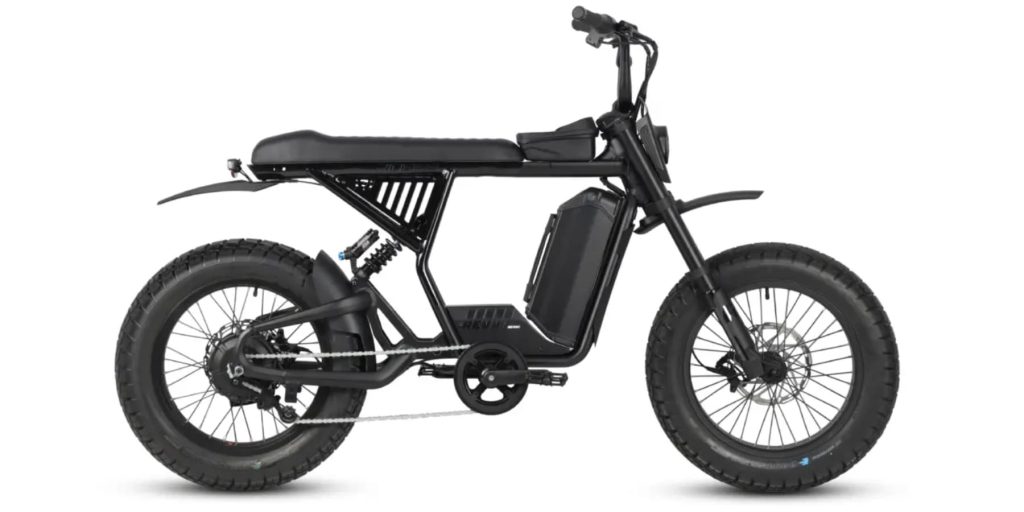
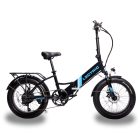
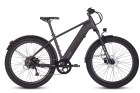
First, we heard about T&D, a Bafang offshoot that has developed semi-solid state batteries for e-bikes. Then we got word that Giant would begin integrating those batteries into its e-bikes. Most recently, we learned that California-based e-bike maker Ride1Up is now launching the Revv1 EVO moped-style electric bicycle featuring a semi-solid-state battery.
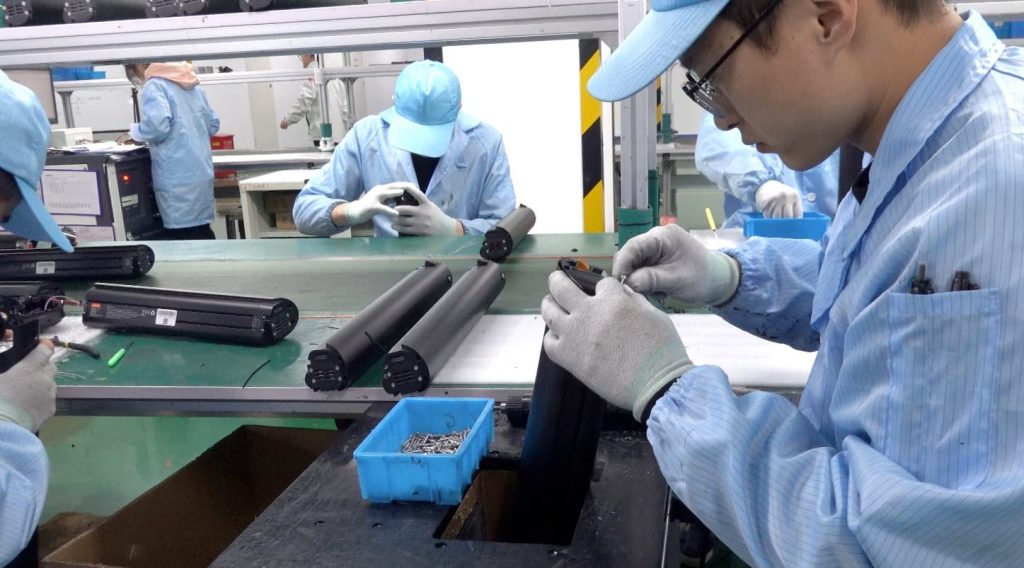
And these aren’t just press releases or vaporware. For its part, Ride1Up tells Electrek that its first production batch of semi-solid state batteries is already undergoing UL certification at TUV laboratories as I write this, and the company is working hard to ensure production meets its August delivery timeline.
This is starting to look like the first real wave of new battery chemistry reaching the e-bike industry in a meaningful way.
And importantly, it feels real this time, not just one-off prototypes and empty promises. These are legit bikes, from established brands, heading into production. And that’s a huge deal. The future is no longer coming; it’s here.
Why this matters more than another spec bump
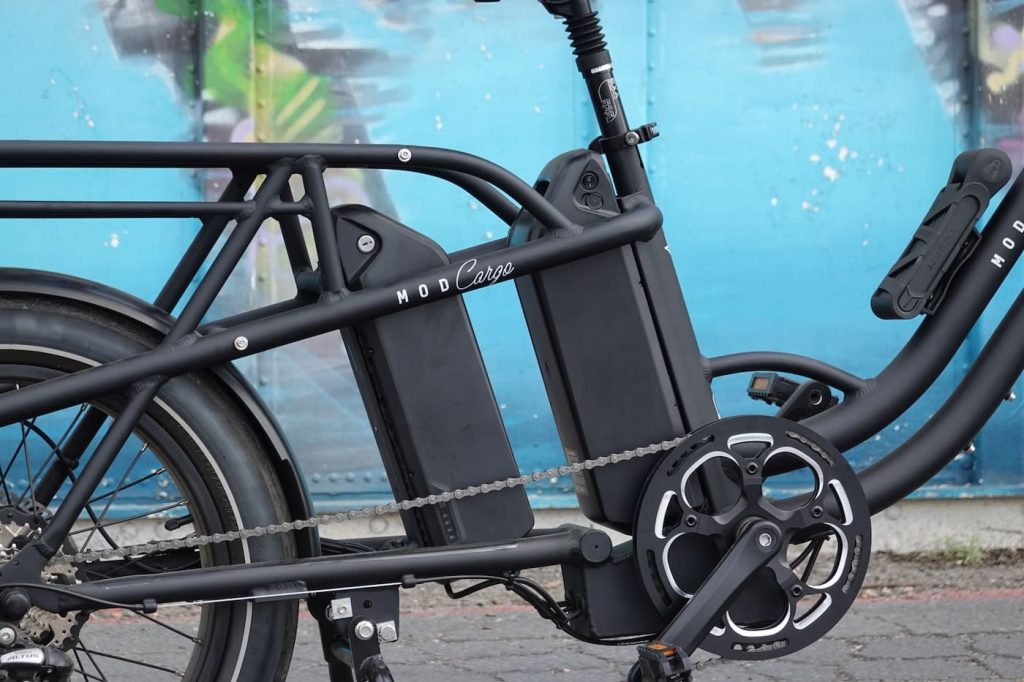
The e-bike industry has seen plenty of growth over the last decade, but most of that progress has been iterative. Motors got a bit stronger, software got smarter with more connectivity, and prices (eventually) came down. But the core battery technology – the single most important component on an e-bike – has remained largely unchanged.
Batteries slowly walked up in capacity, though that was largely thanks to better packaging with slightly more energy-dense cells. The chemistry, which is the heart of the battery, remained largely unchanged. Outside of a few rather innovative developments, such as potted batteries, we didn’t see much movement in battery tech over the past decade.
Semi-solid-state batteries could be the first meaningful disruption to that status quo.
They’re not fully solid-state (that’s still years away for mass-market use), but they offer many of the same advantages: better thermal stability, longer lifespan, improved safety, and stronger performance in extreme temperatures.
In other words, they address nearly every major complaint riders have about today’s lithium-ion batteries. They’re almost the holy grail of solid-state batteries, but close enough that we can reap most of the benefits already.
What it means for riders
If the early claims hold up in real-world use, riders could see several tangible improvements.
First is longevity. A battery that lasts 2–3 times longer fundamentally changes ownership. Instead of planning for a costly replacement after a few years, riders could realistically keep the same battery for close to a decade.
Then there’s charging. Faster charging without long-term degradation could make e-bikes far more convenient for daily use. Think less overnight charging and more “top it off while you grab lunch” type of usage.
Cold-weather performance is another huge win, especially in regions where winter riding has always meant compromised range. A battery that holds onto more of its capacity in freezing temperatures makes e-bikes more viable year-round transportation, and more than just fair-weather tools.
And finally, safety. Reducing reliance on flammable liquid electrolytes could significantly lower the risk of thermal runaway events – something that has become an increasingly important issue as e-bike adoption grows in dense urban areas.
What it means for the industry
If this technology proves scalable and reliable, it could trigger a shift in expectations across the entire market.
Right now, most brands are still competing on familiar metrics: motor power, battery size, and price. But if semi-solid-state batteries deliver on their promise, the conversation could shift toward lifespan, safety, and total cost of ownership.
That’s a harder game to play.
It’s relatively easy to spec a bigger motor or a slightly larger battery. It’s much harder to adopt entirely new battery chemistry, especially if it requires new supply chains or higher upfront costs.
That could create a temporary gap between early adopters and the rest of the industry.
Top comment by Chris M
This review points to several advantages of the new batteries, but one big one not covered is density, i.e., range improvements for a given battery size. That's the one I'll upgrade to.
We’ve seen this kind of transition before in electric cars. Early adopters of new battery tech gained a clear advantage before it eventually became the new standard. There’s a good chance the same pattern plays out here.
The beginning of something bigger
It’s still early days, and there are plenty of questions left. How well will these batteries hold up over years of real-world use? Can production scale quickly enough to meet demand? Will costs come down as adoption increases, helping to lower the current premium price of semi-solid state batteries? We just don’t have the answers yet.
But the key takeaway is that the shift has already started.
With major, well-respected electric bicycle companies stepping into semi-solid-state batteries, this is no longer theoretical. It’s not hype or a lab experiment. It’s the beginning of a paradigm shift in battery technology for e-bikes. It’s the first real sign that the e-bike industry’s most important component – the battery – is finally entering its next phase.


FTC: We use income earning auto affiliate links. More.


Comments