

Segway is expanding its footprint in the electric bike space with the launch of its new MUXI e-bike, a model that blends urban utility with a design that feels more akin to a light electric motorcycle than a traditional bicycle.
First teased at CES earlier this year, the bike officially launches for sale today.
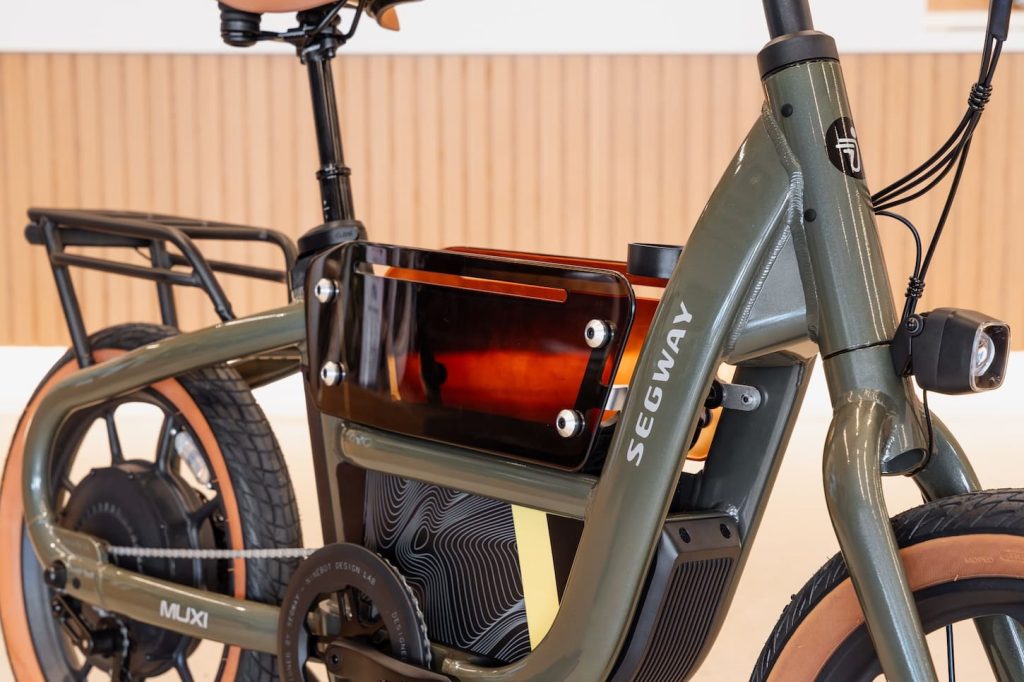
The Segway MUXI is built around a distinctive low-slung frame that immediately sets it apart from the growing sea of lookalike commuter e-bikes. Instead of the typical downtube-mounted battery, Segway has positioned the battery pack low in the chassis, helping to keep the center of gravity down. That’s a move more commonly seen in light electric motorcycles, and it should translate to improved stability and handling, especially at higher speeds or when carrying cargo.
The battery also clocks in at 716 Wh, which is just a tad bit larger than we typically see on most D2C (direct to consumer) e-bikes and should track with the cargo nature of the bike, helping it carry heavier loads without drastically dropping the range to something unusable.
Power comes from a rear 750W hub motor with 80 Nm of torque that can hit 20 mph (32 km/h), keeping it legal as a Class 2 e-bike with a throttle.
But despite the healthy battery size and maxing out the allowable power, Segway is clearly leaning just as heavily on the riding experience and modularity as it is on performance specs. The bike is designed with urban riders in mind, offering a compact yet capable platform for daily commuting, errands, and short-range transportation. It also comes with some great techie features like Apple FindMy tracking and OTA (over the air) software updates, plus a few other features that can be accessed via a subscription model, including GPS tracking, Airlock for anti-theft that automatically locks the bike when you walk away and unlocks it when you approach, navigation, family-sharing, and more.
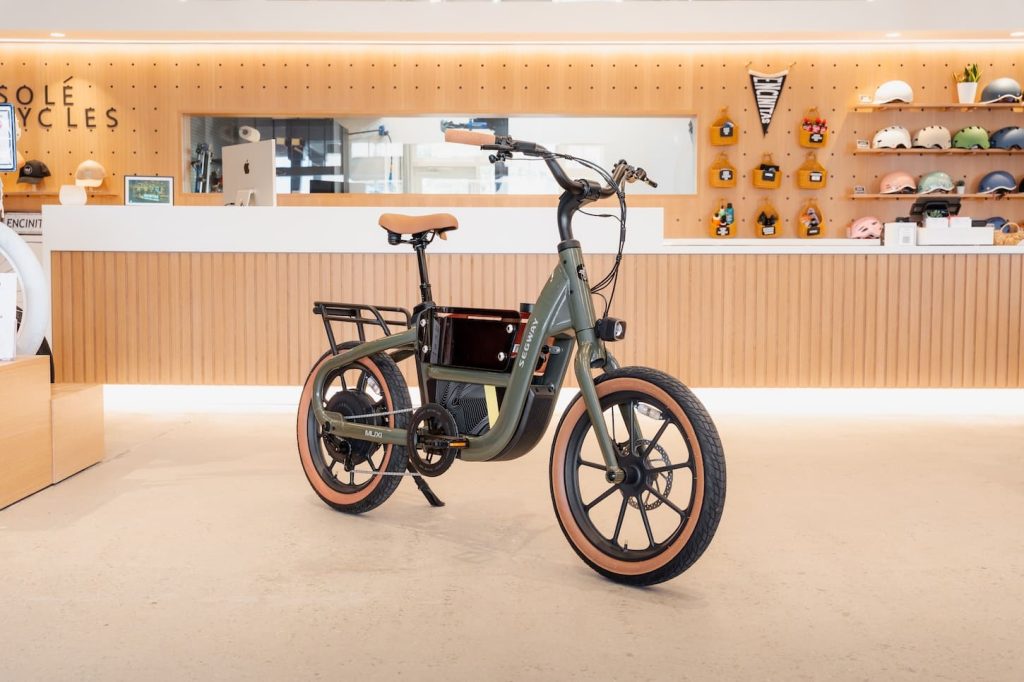
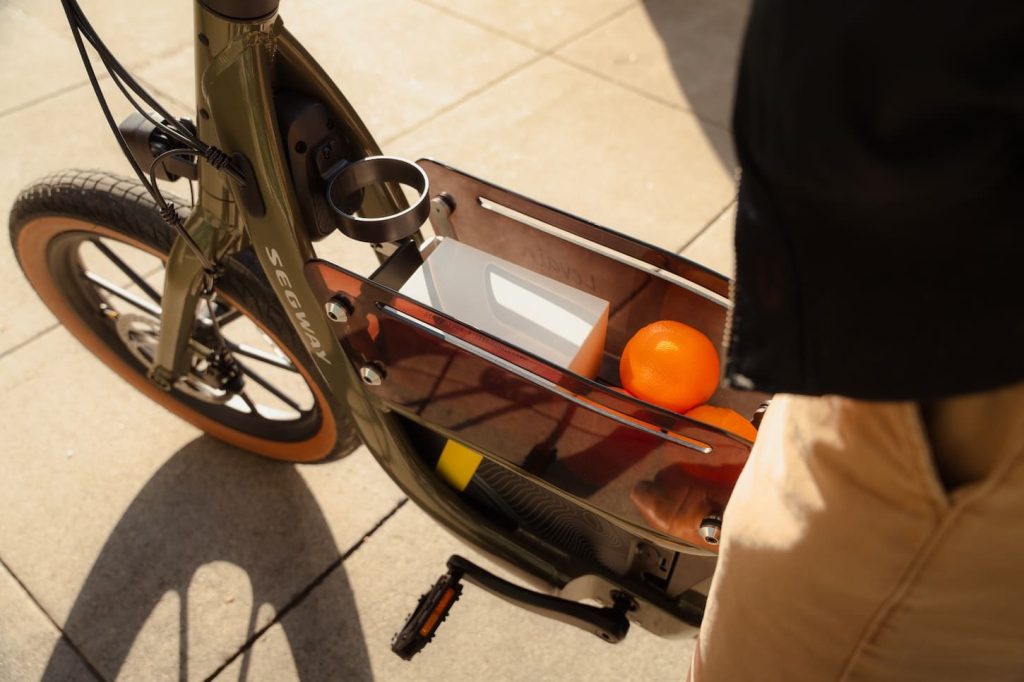
One of the more interesting elements of the MUXI’s hardware design is its configurable mid-frame area. Riders can opt to keep the step-through design for easy mounting and dismounting, or they can install a storage module between their knees.
That storage box effectively transforms the bike into something closer to a small utility vehicle, giving riders a convenient place to stash gear, groceries, or a backpack.
Personally, I really like this approach. The low battery placement already gives the bike a planted, confidence-inspiring stance, and adding that central storage option makes it even more practical. Sure, you lose the step-through convenience when you install it, but for many riders, especially those using the bike for daily errands, that tradeoff could be well worth it.
Segway has also leaned into a more robust frame design that hints at durability and versatility. This isn’t a featherweight city bike (and claims a 73 lb or 33 kg curb weight), and that extra heft helps make it purpose-built for real-world use including heavy duty hauling. The styling reinforces that, with a slightly rugged aesthetic that feels more “urban explorer” than “bike lane cruiser.”
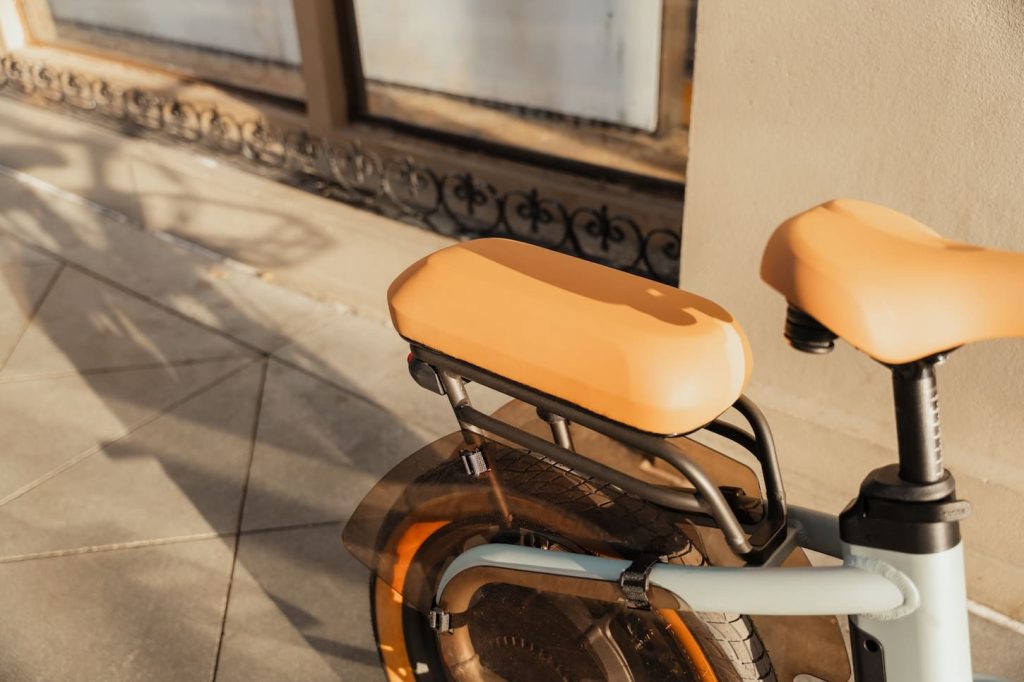
And there’s even an optional passenger package that adds a back seat and footpegs for a rear rider, turning this into a two-seater with twice the potential.

The launch of the $1,699 MUXI comes as Segway continues to broaden its micromobility portfolio beyond its well-known scooters. In recent years, the company has been steadily moving into e-bikes and other small electric vehicles, aiming to capture a larger share of the short-distance transportation market.
That market is getting increasingly crowded, but Segway’s approach here stands out. Rather than simply releasing another cookie-cutter commuter e-bike, the company is experimenting with form factor and functionality. The MUXI sits somewhere between an e-bike, a cargo bike, and a light electric moped, which could make it appealing to riders who want something more versatile than a standard bicycle but less bulky than a full cargo setup.
It also reflects a broader trend in the industry: the blending of categories. As urban mobility evolves, we’re seeing more vehicles that don’t fit neatly into traditional definitions. The MUXI is a good example of that shift, offering a hybrid design that prioritizes practicality, stability, and adaptability.
If Segway can stick the landing on the MUXI, it could carve out a nice niche for itself. Riders are increasingly looking for alternatives to cars for short trips, and bikes like this – with thoughtful design touches and real utility – are exactly what help make that transition easier.
In a market full of sameness, the MUXI feels like a nice, fresh take. And I’d argue that alone makes it worth paying attention to.






FTC: We use income earning auto affiliate links. More.


Comments