
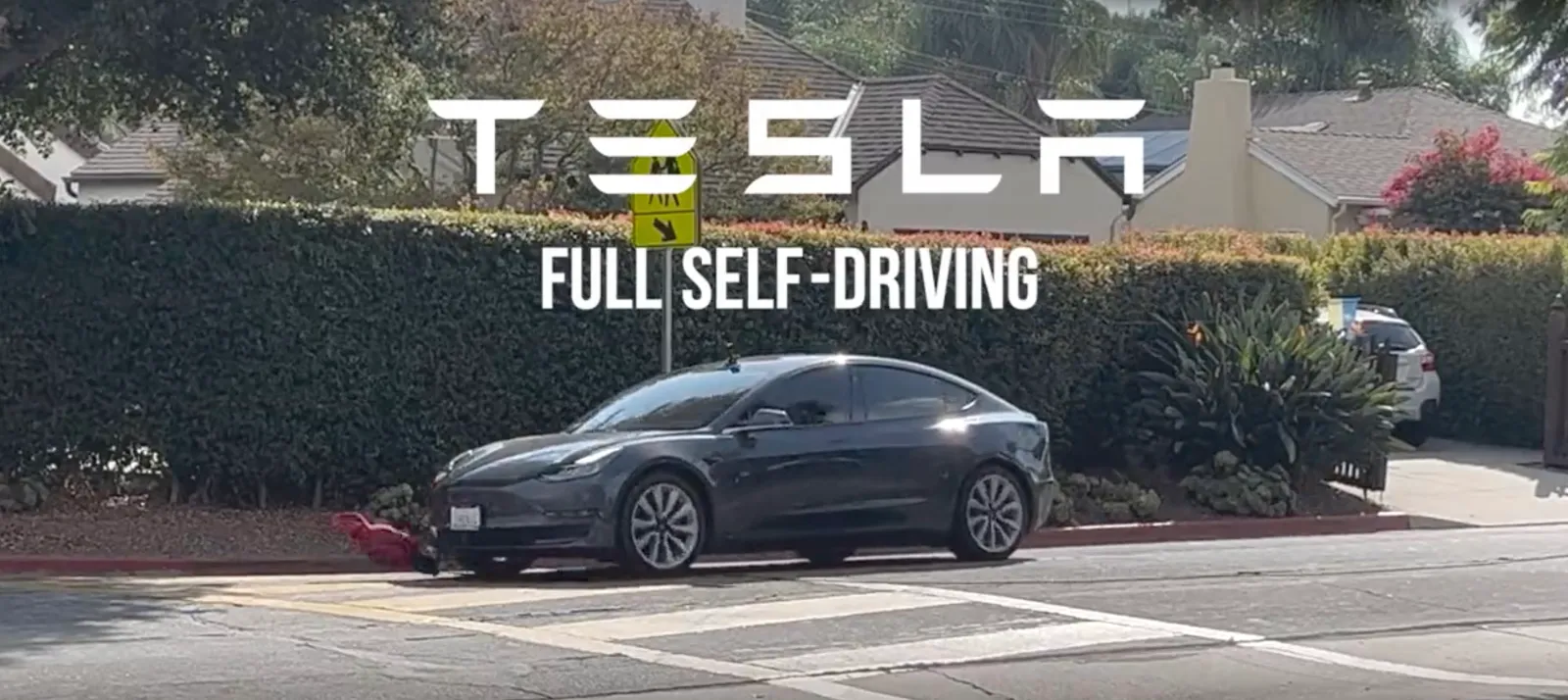
A Beijing court held its first hearing in a consumer fraud lawsuit against Tesla over its “Full Self-Driving” software, with 10 owners seeking more than 3.95 million yuan ($583,000) in damages.
The case, which we first covered when it was filed last September, has grown from 7 to 10 plaintiffs and marks China’s first collective legal challenge targeting Tesla’s FSD promises.
What the owners claim
According to a report from The Beijing News, the plaintiffs each paid 56,000 yuan (~$7,800) for Tesla’s FSD package between 2019 and 2021. They allege that Tesla sales staff and CEO Elon Musk assured them “full self-driving” capability was imminent and that the price would increase — motivating them to buy.
The reality turned out differently. When Tesla began rolling out its driving assistance software in China last this year, it only supported vehicles equipped with HW4.0 hardware. Owners with older HW3.0 vehicles, which includes all cars produced between 2019 and 2023, were excluded.
The plaintiffs argue Tesla’s FSD system has not received regulatory approval in China, cannot perform the functions promoted in its marketing, and that the company concealed hardware limitations in order to sell vehicles.
Under China’s Consumer Rights Protection Law, the owners are seeking full refunds plus triple damages — the standard penalty for consumer fraud in the country.
Tesla disputed the allegations during the hearing, claiming some FSD functions are “fully operational” while others are “partially functional” or still under development.
Timing couldn’t be worse for Tesla
The hearing comes at a particularly awkward moment for Tesla’s China autonomy strategy. Just nine days ago, Tesla confirmed that FSD (Supervised) is now available in China. And just a week ago, the company renamed its system “Tesla Assisted Driving” in the Chinese market — a tacit admission that the “Full Self-Driving” branding was misleading.
The renaming is unlikely to help Tesla’s legal defense, since the plaintiffs purchased FSD under the original branding and were specifically told the system would achieve autonomous driving.
The lawsuit also adds to Tesla’s growing global legal exposure over its self-driving claims. Tesla is facing up to $14.5 billion in lawsuits worldwide, many of them related to Autopilot and FSD. In the US, a class action over misleading FSD claims is proceeding, and a Texas owner recently won a $10,000 judgment against Tesla for failing to deliver on FSD promises — with Tesla still fighting the ruling.
Tesla is estimated to have over 1 million vehicles equipped with the HW3 computer in China, meaning this case could set a precedent affecting a massive number of owners.
No ruling timeline was disclosed.
Electrek’s Take
Top comment by Jamis
Time wounds all heels. This isn’t just a case of deceptive marketing, it’s outright lying to fleece monies from customers and with the arbitration clause in the US, it’s clearly intended as fraud.
I’ve been saying it for a long time: Tesla’s premature sales of autonomous driving features are a massive financial liability, and the bill is coming due around the world.
The core problem remains the same in every jurisdiction: Tesla sold a product called “Full Self-Driving” for thousands of dollars, its CEO repeatedly promised it was right around the corner, and it still doesn’t exist. Renaming the software to “Tesla Assisted Driving” in China is essentially an admission that the original name was misleading — which is exactly what these plaintiffs are arguing in court.
What makes this case particularly significant is the triple damages provision under Chinese consumer protection law. If the court sides with the plaintiffs, Tesla doesn’t just owe refunds — it owes three times what owners paid. Scale that across the million-plus HW3 vehicles in China, and you’re looking at billions of dollars in potential exposure. And with hundreds of additional owners reportedly consulting lawyers about filing, this is just the beginning.
If you own a Tesla and want to power it with cheap, clean energy, home solar is one of the smartest investments you can make. With electricity rates climbing nearly 10% last year, home solar protects you against future rate increases. And with lease and PPA options, you can go solar with zero upfront cost and start saving immediately. If you want to find the best deal, check out EnergySage. It’s a free service with hundreds of pre-vetted installers competing for your business, so you save 20 to 30% compared to going it alone. No sales calls until you pick an installer. Get your free quotes here.


FTC: We use income earning auto affiliate links. More.


Comments