
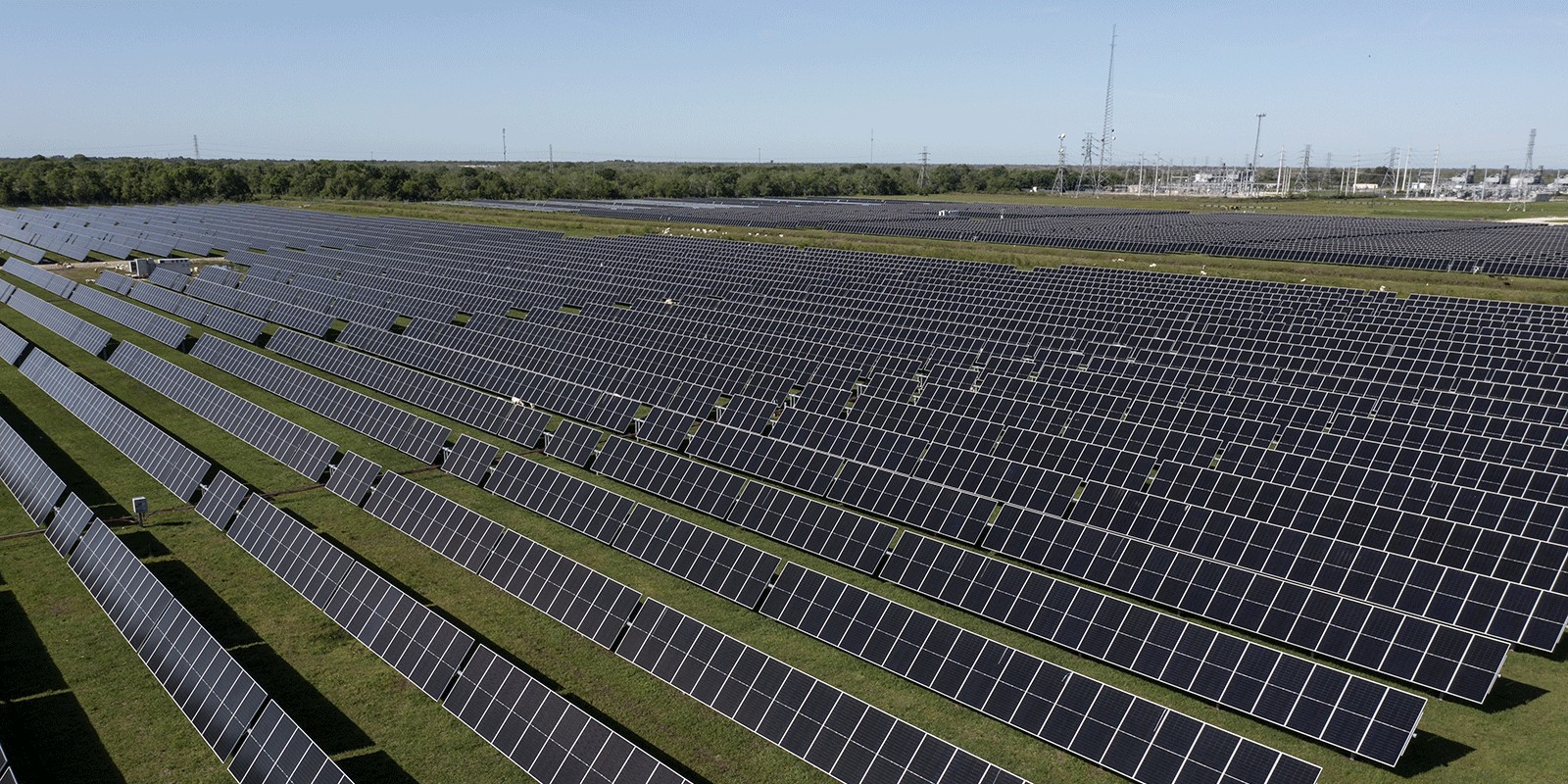
TotalEnergies just landed a massive solar deal to power Google’s expanding Texas data centers. The company signed two long‑term power purchase agreements (PPA) totaling 1 gigawatt (GW) of capacity, or about 28 terawatt‑hours of electricity over 15 years.
The power will come from two projects now in development: the 805‑megawatt Wichita solar farm and the 195‑MW Mustang Creek site. Construction is slated to start in Q2 2026.
It’s the largest renewable PPA TotalEnergies has ever signed in the US and a clear signal of how fast data‑center power demand is rising. Rather than tapping existing supply, the contracts are tied to brand‑new generation that will feed regional grids.
The agreements also stack on top of 1.2 GW in separate PPAs recently secured by Clearway, the California‑based developer that’s 50% owned by TotalEnergies. Those projects will supply Google facilities across ERCOT, PJM, and SPP power markets.
Marc‑Antoine Pignon, TotalEnergies’ vice president of US renewables, said deals like this show how major tech companies are increasingly seeking customized clean‑power supply as they scale energy‑intensive digital infrastructure. He added that colocated projects can help address land and power‑availability constraints associated with large data centers.
Will Conkling, Google’s director of clean energy and power, said bringing new generation online is critical as the company expands, adding that the projects will increase reliable and affordable electricity supply across the region.
TotalEnergies says its US portfolio now stands at about 10 GW of gross renewable and storage capacity, including 5 GW in ERCOT and 400 MW in PJM.
Electrek’s Take
This is a big deal, but it’s also worth keeping the scale in perspective. A 1 GW solar PPA is pretty dang hefty, but Google data centers with 24/7 demand will still tap into the grid (which means gas in Texas) at night unless battery storage is added alongside these solar farms.
There’s also the timing thing. Construction doesn’t start until 2026, which means this power won’t hit the grid for years, while data‑center load is rising right now. So deals like this help long‑term supply, but they don’t solve near‑term strain in the fast‑growing ERCOT market.
It does signal a real shift, though. Big Tech is moving beyond buying renewable credits and is starting to contract directly for new generation. That’s positive for clean‑energy buildout, but it also underscores who’s increasingly shaping grid expansion: a handful of hyperscale companies whose electricity demand can rival small cities.
Top comment by citizenjs
But after the AI bubble pops, maybe all this clean power will become available for residents and industries that actually contribute positive utility to society.
In other words, these agreements aren’t just about sustainability. They’re about power access. And as AI infrastructure scales, expect more headlines like this, and more pressure on grids, regulators, and developers to keep up.
Read more: This $900 million solar farm in Texas is going 100% to data centers

If you’re looking to replace your old HVAC equipment, it’s always a good idea to get quotes from a few installers. To make sure you’re finding a trusted, reliable HVAC installer near you that offers competitive pricing on heat pumps, check out EnergySage. EnergySage is a free service that makes it easy for you to get a heat pump. They have pre-vetted heat pump installers competing for your business, ensuring you get high quality solutions. Plus, it’s free to use!
Your personalized heat pump quotes are easy to compare online and you’ll get access to unbiased Energy Advisors to help you every step of the way. Get started here. – *ad


FTC: We use income earning auto affiliate links. More.



Comments