
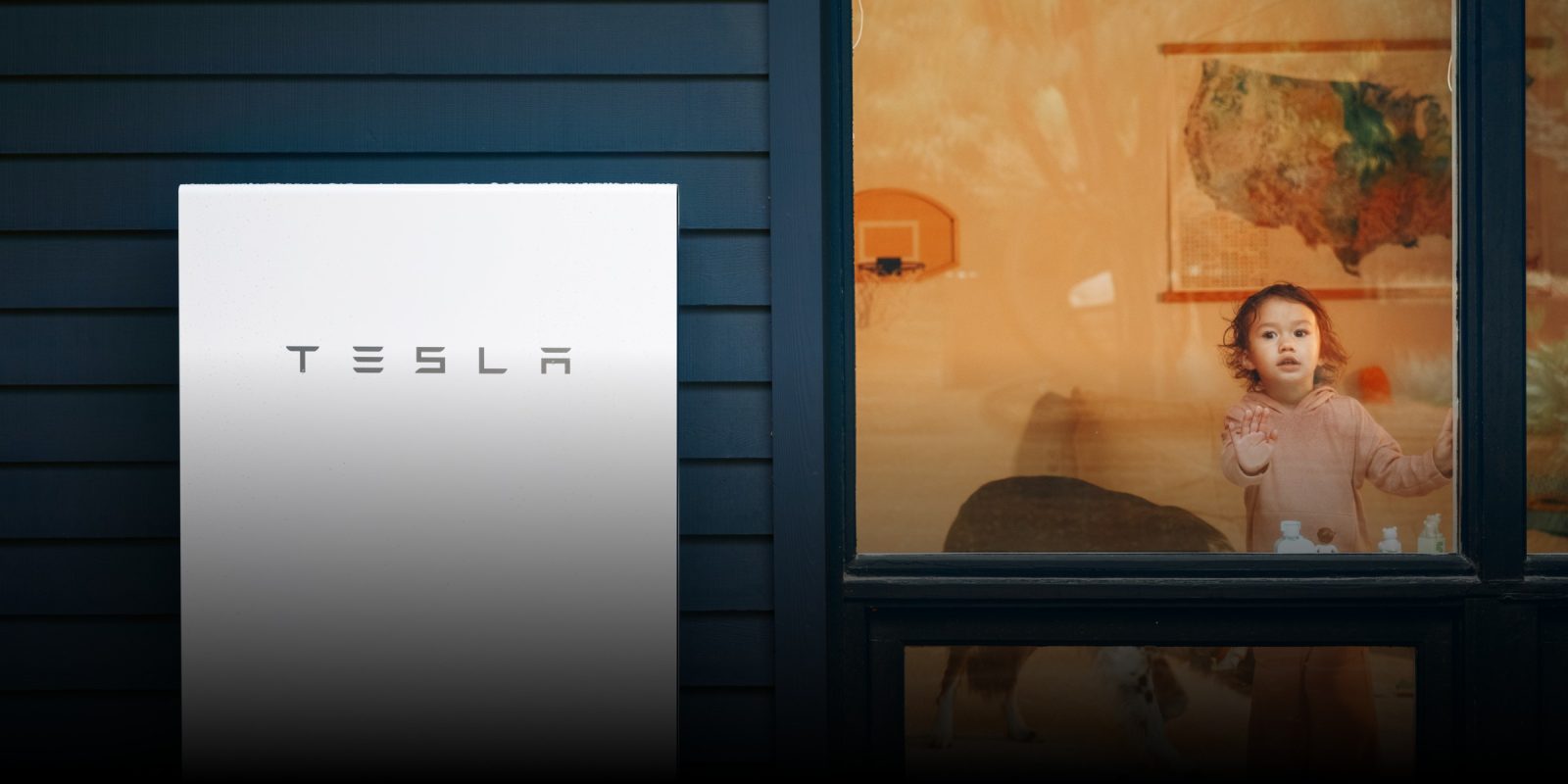
Tesla Powerwalls did most of the heavy lifting as California’s home batteries set a new grid record last week. On October 6, more than 85,000 Powerwall owners sent over 600 MW to the grid, the bulk of a combined 745 MW dispatch that Sunrun announced today.
That’s 28% more than the 580 MW record the two companies set less than a month ago. And it’s bigger than most gas peaker plants in the state.
Tesla posted its record first
Tesla Energy put out its own numbers on October 8, two days after the event. The company said 85,000+ Powerwall owners across California dispatched more than 600 MW to help meet peak demand, calling it “a new record for the largest Powerwall VPP event.”
Sunrun followed this morning with a release that has Sunrun “leading” the dispatch. It says “the companies” delivered 669 MW on October 5 and 745 MW on October 6, but it doesn’t break out how much came from Sunrun customers versus Tesla customers.
Put Tesla’s figure against Sunrun’s total and Powerwalls account for roughly 80% of the record. In September, the share was even higher: 517 MW of the 580 MW came from about 110,000 Powerwalls, and Sunrun owns or operates 55% of those.
So both companies are taking a victory lap for largely the same batteries. Sunrun is the biggest Powerwall channel in the country, which is why the two keep showing up in each other’s press releases.
There’s also an interesting detail in Tesla’s math. Just over 600 MW from about 85,000 homes works out to roughly 7 kW per home, well above the 5 kW continuous output of a Powerwall 2. That points to a fleet increasingly made of Powerwall 3 units, rated at 11.5 kW, and homes with more than one battery.
How the dispatch worked
The events came during an October heat wave, at the request of the California Energy Commission and the state’s utilities. Batteries discharged through multi-hour evening peaks to cut demand and push down real-time power prices.
Sunrun says October 5 was the first event this year where the state’s Demand Side Grid Support (DSGS) and Emergency Load Reduction Program (ELRP) both called dispatches at the same time across every participating investor-owned utility territory. DSGS kicks in once CAISO’s day-ahead price passes $200/MWh.
According to Sunrun, 745 MW is enough to cover every household in San Francisco and San Jose combined during peak hours. The company now has more than 120,000 home batteries enrolled in California grid programs.
The pace is what stands out. The previous residential record, 539 MW, stood from July 29, 2025, until September 9, 2026. It grew 8% in over a year, then 28% in four weeks.
Customers get paid for this, too. Sunrun CEO Mary Powell said “customers are being compensated for helping strengthen grid reliability.”
Next up: San Jose
Sunrun also says a Google-funded distributed power plant with PG&E in the San Jose area plans to enroll nearly 21,000 devices with Tesla and Everyday Electric, the company formerly known as Renew Home. Initial dispatches are expected this month.
It’s the first concrete piece of the 16.8 GW virtual power plant plan for data centers that Tesla, Sunrun, and Renew Home announced in June. But it’s early: Sunrun notes the Tesla and Everyday Electric part of the project is still under a non-binding letter of intent.
Electrek’s Take
Tesla’s real advantage shows up here: a huge installed base and software that gets 85,000+ homes to respond to the same grid signal at once. Nobody else in residential storage is close.
Top comment by Spec9
Meh. This is good news and bad news. The grid operators have been criminally neglecting demand-response programs than are open to a much larger group of people.... anyone willing to reduce power usage in response to a signal. This can be done with smart thermostats, smart plugs, smart switches, smart water heaters, etc ...or just a person willing to turn off devices & circuit breakers.
Don't make this something that just rich people benefit from.
The credit grab between Tesla and Sunrun is a bit silly. It’s one fleet, mostly Powerwalls, with Sunrun as the biggest owner. Fine. Both deserve it.
What I’d really like to see is energy, not just power. Both companies report MW, and neither gives MWh or exact duration. A 745 MW peak for 20 minutes and 745 MW held for three hours are very different things for the grid. The September event ran a three-hour evening window, which is good. Publishing MWh every time would make the case even stronger.
And this works because California pays for it. DSGS and ELRP put real money in homeowners’ pockets for discharging at the right time. Most states have nothing like it, so these batteries just sit there during peaks.
If you’ve got a Powerwall or are thinking of getting one, pairing it with solar is how you get the most value out of it, and in California it can now get you paid by the grid. With electricity rates up almost 10% last year and expected to keep climbing, going solar is one of the best ways to protect yourself against rising costs. And with lease and PPA options, you can do it with zero upfront cost and start saving immediately. If you want to find the best deal, check out EnergySage. It’s a free service with hundreds of pre-vetted installers competing for your business, so you save 20 to 30% compared to going it alone. No sales calls until you pick an installer. Get your free quotes here.


FTC: We use income earning auto affiliate links. More.




Comments