
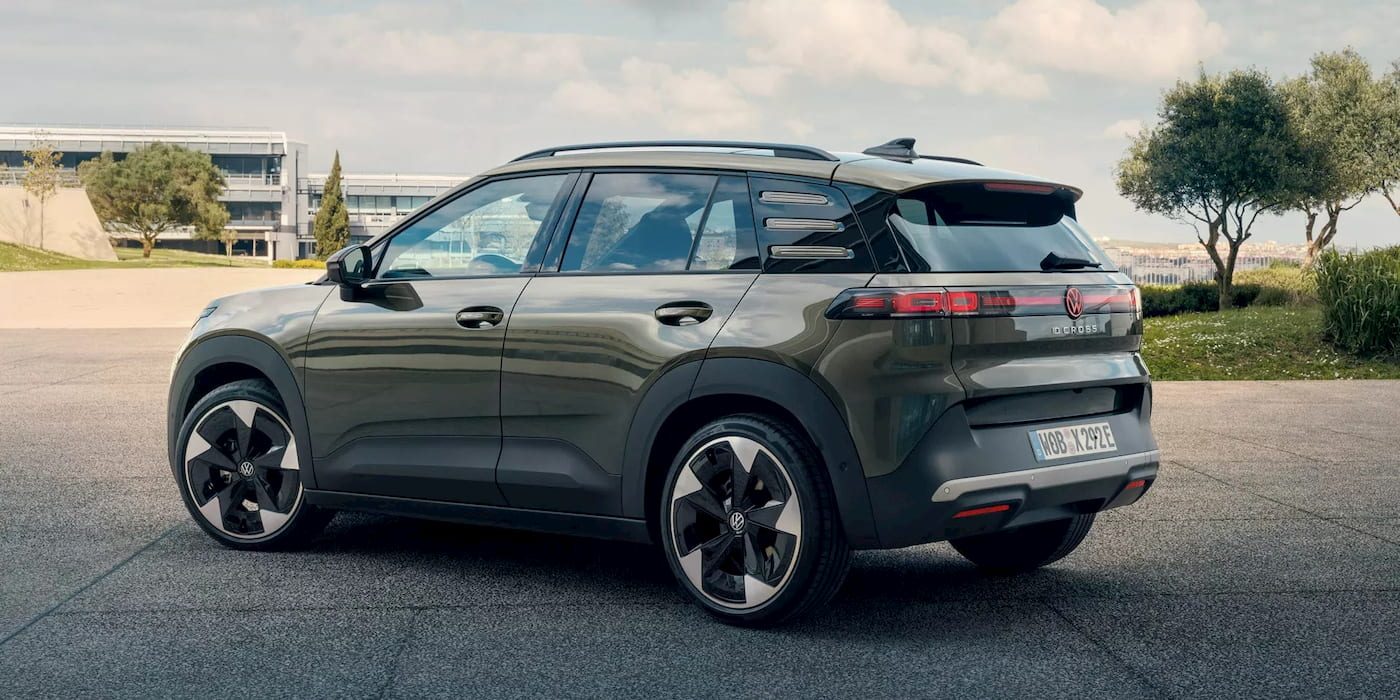
Shortly after launching, Volkswagen said its new Electric Urban Car Family is proving “highly popular,” with nearly 150,000 orders to date.
Volkswagen bets on low-cost EVs to beat China
If you can’t beat ’em, join ’em, right? Volkswagen is betting on its new lineup of smaller, more affordable electric cars to fight back against BYD and other Chinese automakers.
So far, it appears to be paying off—at least in Europe. The Volkswagen Group is “seeing a significantly accelerated trend towards all-electric vehicles” in its home market, according to Martin Sander, the Group’s sales boss.
Sander said the sudden rush of buyers is due to a combination of high fuel prices and its new lineup of entry-level EVs.
The Group’s Electric Urban Car Family has already received nearly 150,000 orders after series production began in June.
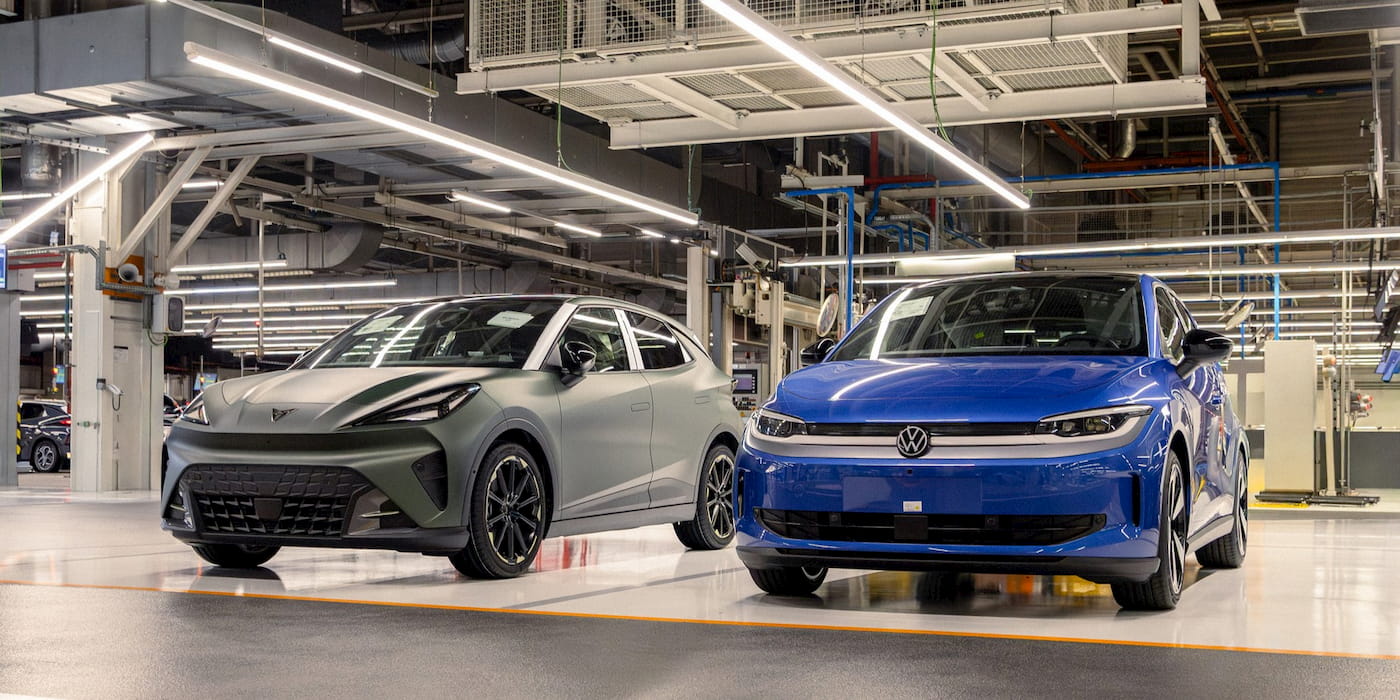
The lineup currently includes the Volkswagen ID. Polo and ID. Cross, plus the Cupra Raval and Skoda Epiq, all of which share the same underpinnings.
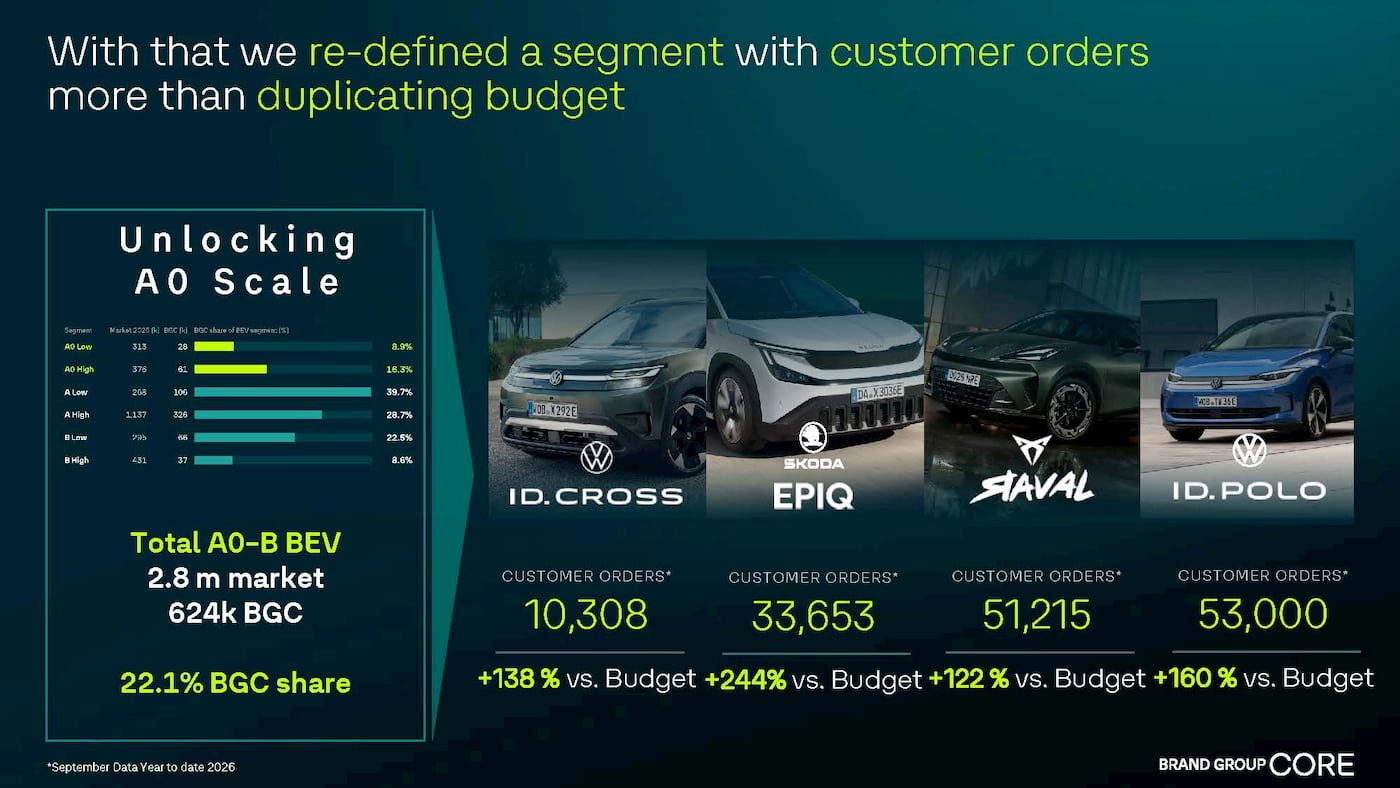
Overall, Volkswagen said that one in five models delivered in Europe was all-electric in the third quarter, with the order book share up to around 40%.
The Group delivered 209,100 EVs in Europe in the third quarter, up 20% from Q3 2025, while EV orders were up 60% year-over-year. Through September, VW Group delivered 586,100 all-electric vehicles in Europe, up 12% from the same period in 2025.
Last month, German auto news outlet Automobilwoche reported that Volkswagen is adjusting production across several plants to meet higher-than-expected EV demand.
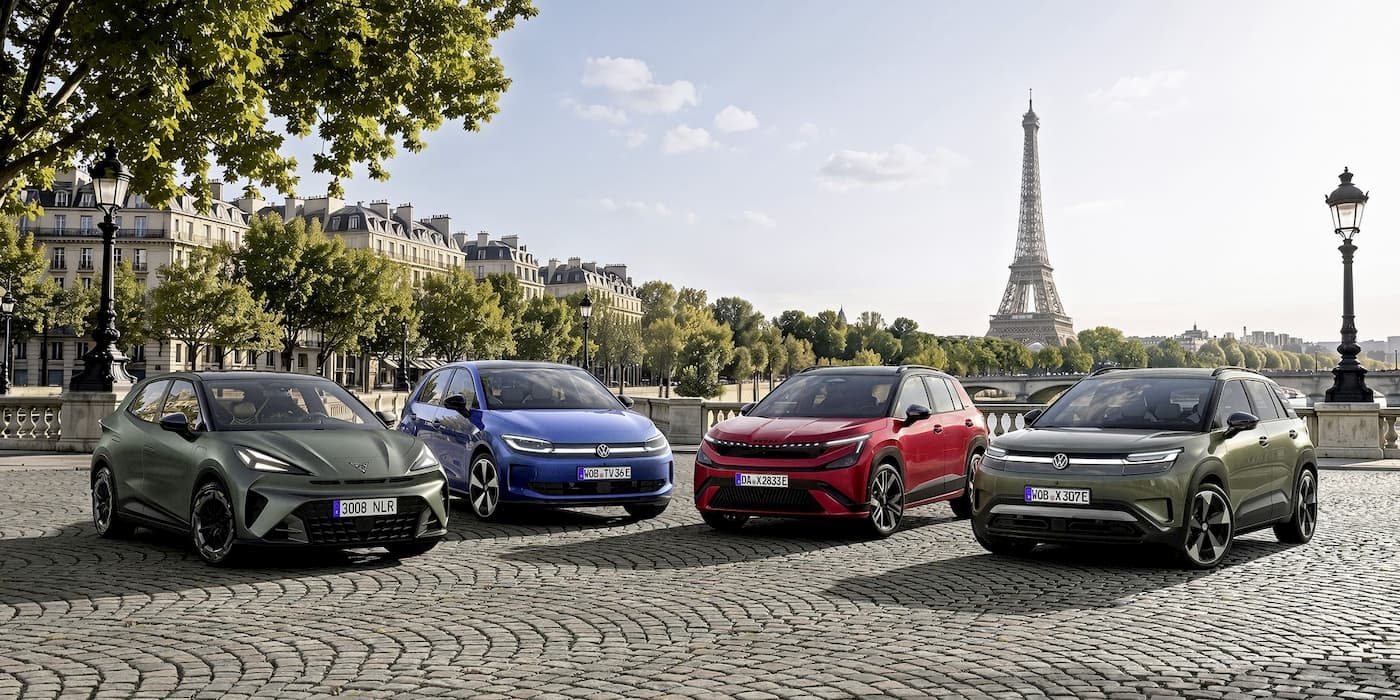
In Germany, Volkswagen’s home market and the heart of the European auto industry, orders for pure electric cars now exceed those of internal combustion engine (ICE) vehicles.
The VW ID. Polo Trend with the 37 kWh battery starts at just €24,995 ($29,000) and offers a WLTP range of 334 km (207 miles). The ID. Cross, the electric counterpart to VW’s best-selling T-Cross in Europe, starts at €27,995 ($32,000) in Germany.
While it’s gaining traction in its home market, Volkswagen Group’s total EV deliveries are down 5.4% through the first nine months of 2026.
The Group delivered 678,700 all-electric vehicles in the first nine months of 2026, down 5.4% from the 717,700 it moved during the same period last year.
In the US and China, the Group’s EV sales are down 78.4% and 42.5%, respectively, through September.
“The sharp decline in the overall market in China remains an industry-wide challenge,” Sander said, adding that the Group’s “new locally developed electric models are beginning to make an impact.”
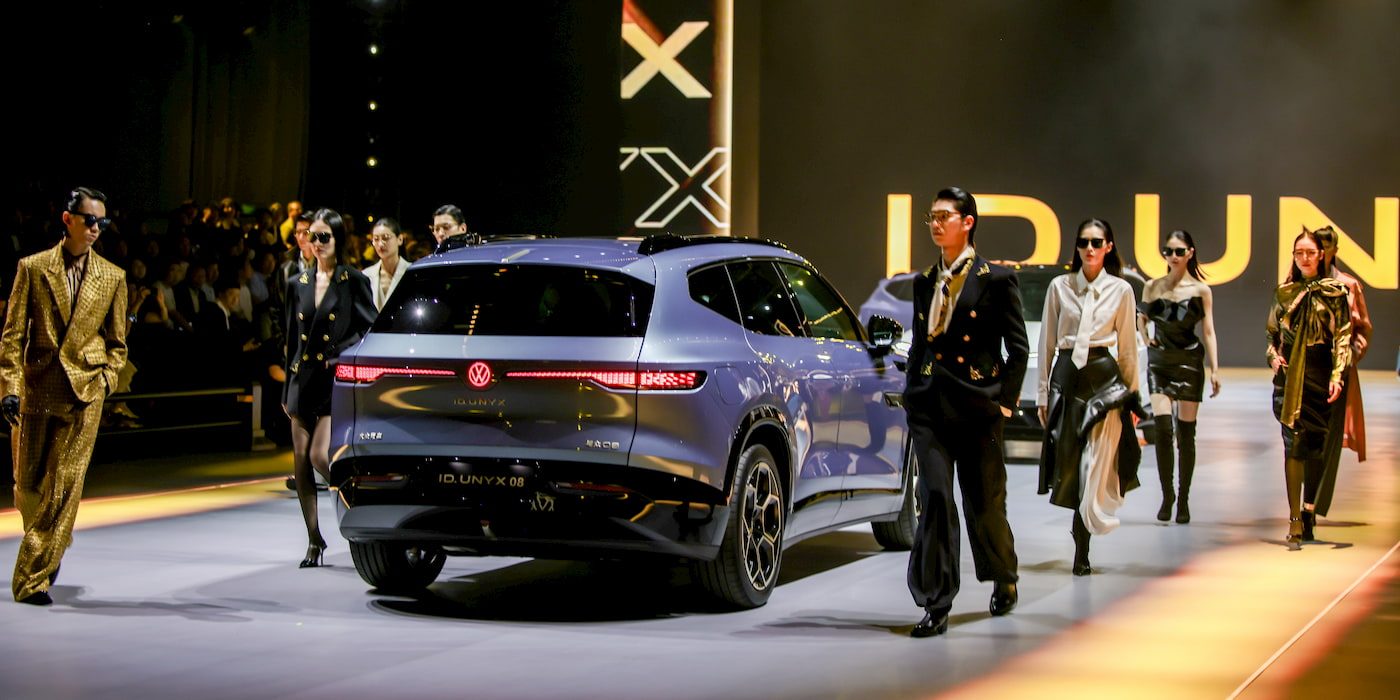
Compared to the same quarter last year, the company delivered about 30% more electrified vehicles, including plug-in hybrids and range-extended electric vehicles, in China in Q3. However, Volkswagen delivered just 48,900 EVs through September, down 42.5% from the same period in 2025.
The overall EV market in the US declined significantly, Volkswagen said, after the $7,500 federal tax credit expired and import tariffs were added.
The VW Group delivered just 14,900 all-electric vehicles in the US through September, down 78.4% from the 68,700 it managed during the same period last year.
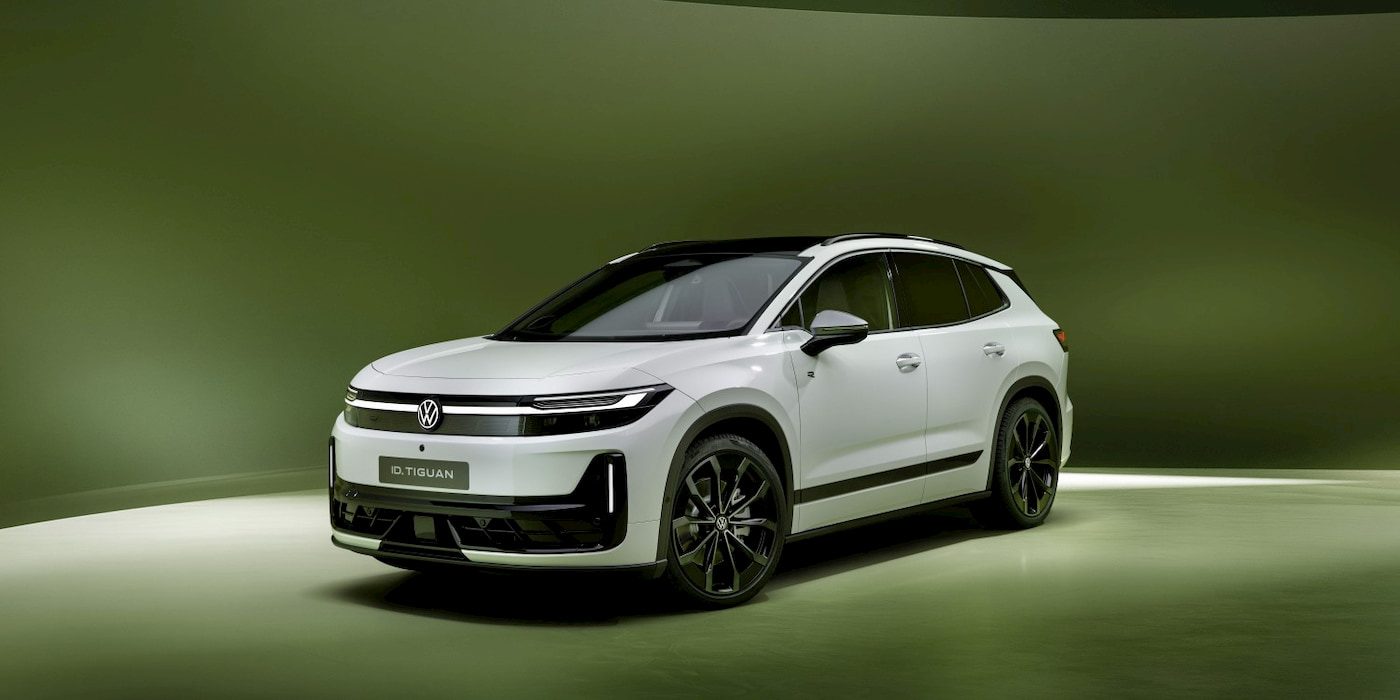
Volkswagen ended production of the ID.4 in the US earlier this year. The ID.4 (and ID.5 in Europe) will be replaced by the ID. Tiguan, set to go on sale in early 2027 as part of VW’s next-generation electric vehicles.
In total, the Group delivered 6.01 million vehicles in the first nine months of 2026 across all powertrains, down 9% year over year.
Electrek’s Take
Top comment by MJE
Much as many like to believe otherwise there are markers outside Europe, USA and China and these markets tend to focus more on price performance, intrinsic product quality and suitability and less on narrow nationalist agenda underlying tariffs and non-tariff barriers.
It is in these markets where VW’s decline is also precipitous. To succeed they will need to focus on an internationally known brand (VW) and produce models at scale.
Volkswagen’s new entry-level electric cars are off to a promising start in Europe, but will it be enough to overcome China’s brutal EV market?
As China becomes flooded with low-cost domestic EVs, BYD and other leading brands are looking overseas to markets like Europe, Latin America, and Southeast Asia to drive growth.
Volkswagen still faces an uphill battle. Last month, the company’s supervisory board approved its Future Plan 2030, which calls for reducing its global workforce by up to 100,000, closing plants, and narrowing its vehicle lineup to cut costs.


FTC: We use income earning auto affiliate links. More.


Comments