
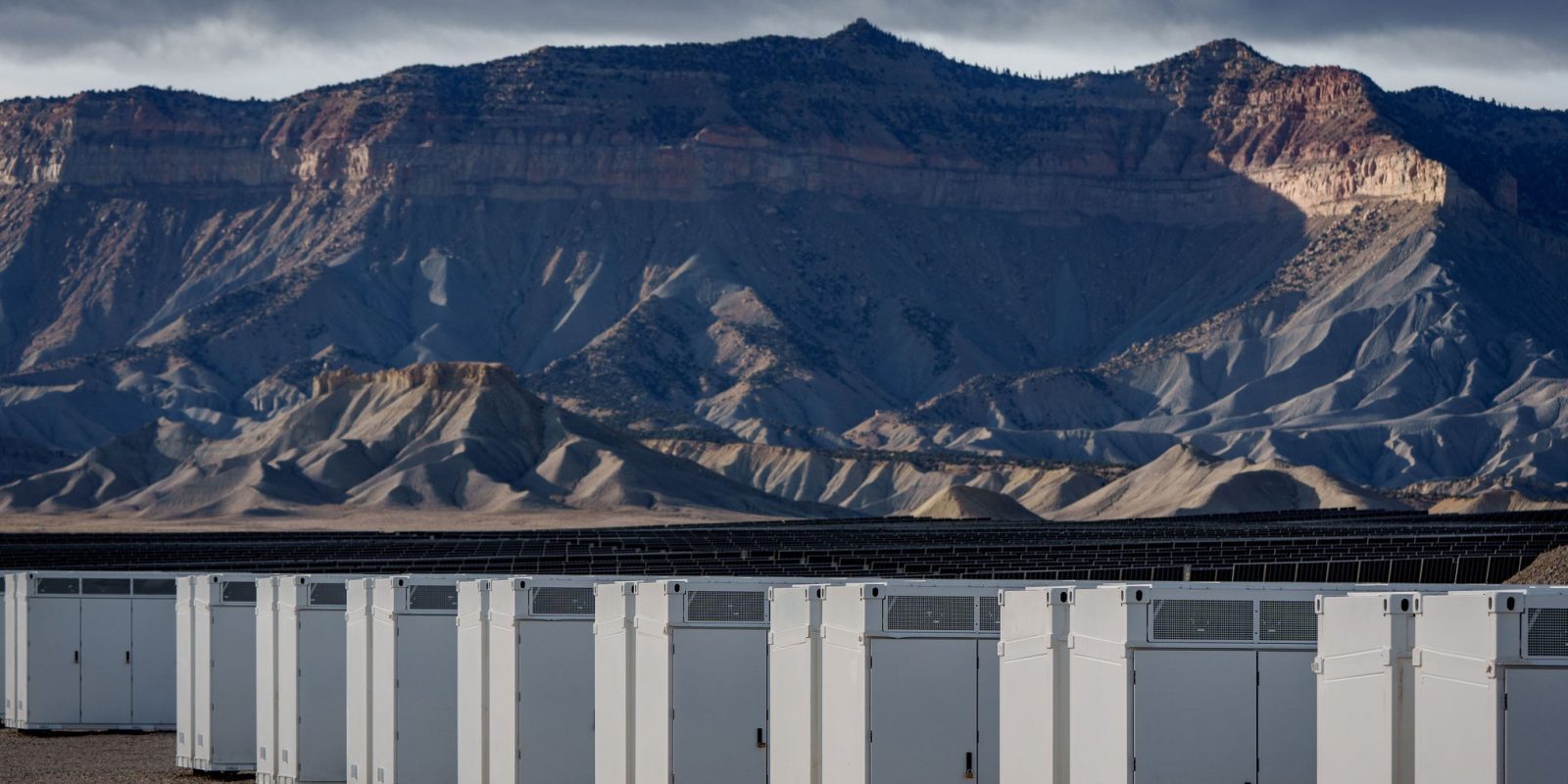
The US achieved a pretty big solar milestone in Q2 2026: it now has enough installed capacity to generate clean electricity equivalent to that used by more than 50 million homes. That’s more than one-third of all US households.
But that doesn’t mean 50 million homes are directly running on solar – it’s an industry calculation that converts the solar fleet’s output into the electricity used by an average home.
The milestone comes after a strong Q2 2026 for US solar. The industry installed 11.4 gigawatts direct current (GWdc) of new capacity, according to the latest US Solar Market Insight report from the Solar Energy Industries Association (SEIA) and Wood Mackenzie.
That’s a 45% jump year-over-year and a 43% increase from Q1 2026.
“Solar and storage have grown to a scale most Americans have yet to fully realize, and we simply can’t meet America’s growing energy needs without these technologies,” said SEIA CEO Tim Pawlenty.
Big solar farms did most of the heavy lifting. Utility-scale solar accounted for 9.6 GWdc of Q2’s new capacity – up 61% year-over-year – as developers hurried to get projects underway before a July 2026 safe harbor deadline for federal tax credits.
Solar and battery storage together made up 70% of all new US power capacity added in the first half of 2026. That’s especially important now because electricity demand is rising rapidly, and solar is cheap, quick to build, and environmentally friendly.
Here’s the ironic part: The Trump administration and Republicans in Congress have killed solar incentives, but they couldn’t kill enthusiasm for solar among their own supporters. States that voted for Trump in 2024 accounted for 71% of all solar capacity installed in the first half of 2026. Eight of the 10 leading states for new solar installations are also red states.
The project pipeline is still large enough to keep utility-scale solar busy for the next several years. Wood Mackenzie expects the US to add around 44 GWdc of solar annually through 2031, nearly doubling the country’s total solar capacity over the next five years.
“However, permitting and the post-ITC transition remain significant headwinds,” said Caitlin Connelly, senior analyst at Wood Mackenzie.
Rooftop solar is having a much tougher time. The federal Residential Clean Energy Credit, which covered 30% of the cost of qualifying home solar and battery installations, expired for systems placed in service after December 31, 2025.
Wood Mackenzie nevertheless expects residential solar and storage to resume growth in 2027, as homeowners continue to look for ways to lower their electricity bills and make their homes more resilient during outages.
Read more: Do wind and solar farms tank home values? A 20-year study has an answer
If you’ve ever considered going solar, make it easy by finding a trusted, reliable solar installer near you that offers competitive pricing by checking out EnergySage. It has hundreds of pre-vetted solar installers competing for your business, ensuring you get high-quality solutions and save 20-30% compared to going it alone. Plus, it’s free to use, and you won’t get sales calls until you select an installer and share your phone number with them.
Your personalized solar quotes are easy to compare online, and you’ll get access to unbiased Energy Advisors to help you every step of the way. Get started here.


FTC: We use income earning auto affiliate links. More.




Comments