

After posting its first annual loss in company history, Jeep maker Stellantis is scrambling to turn things around. To reduce EV costs and enable more affordable vehicles, Stellantis may tap into China’s wealth of resources, marking new territory for a Western automaker.
Stellantis seeks China’s help to slash EV costs
Stellantis reported a net loss of €22.3 billion ($26.3 billion) in 2025, largely due to write-downs from canceled EV projects.
CEO Antonio Filosa blamed “the cost of over-estimating the pace of the energy transition,” and warned Stellantis needs to “reset” the business.
Stellantis said the massive loss was primarily due to a €25.4 billion ($30 billion) write-down from scaling back EV plans. Instead, the company is shifting focus to a full range of electric, hybrid, and internal combustion engine (ICE) vehicles, following similar moves by US automakers Ford and General Motors.
Despite this, Stellantis still needs to compete with BYD, MG, Chery, and other Chinese EV brands that are quickly gaining market share in Europe.
To reduce costs and enable more affordable EVs, Stellantis is considering using Chinese technology in its European mass-market brands.
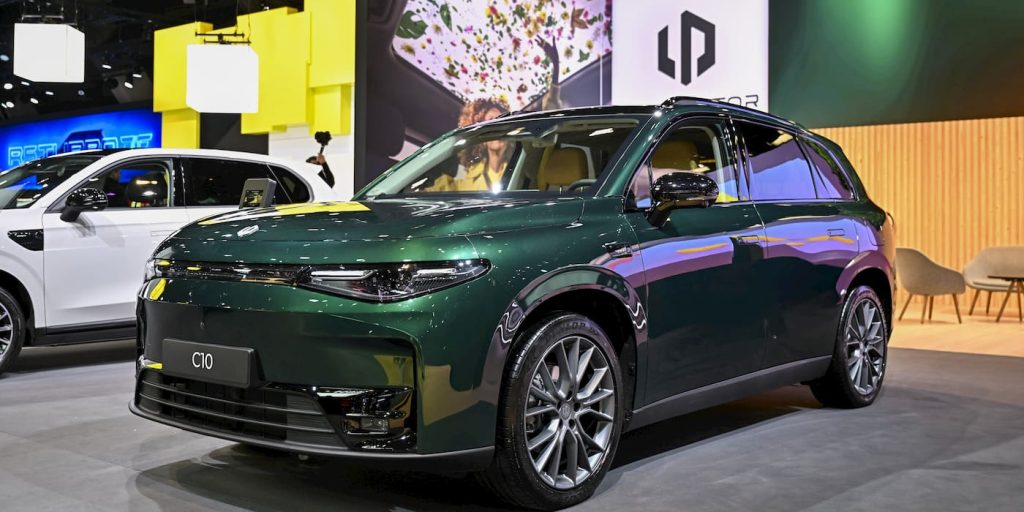
According to a Bloomberg report, citing sources familiar with the plans, Stellantis may expand its partnership with Leapmotor to use the Chinese company’s battery and EV powertrain tech. Leapmotor’s tech would be used in brands such as Fiat, Opel, and Peugeot to reduce EV costs and enable more affordable vehicles.
Using Chinese EV battery and powertrain tech to sell in European models would mark a new first for a Western automaker as global OEMs look to keep pace with BYD and others.
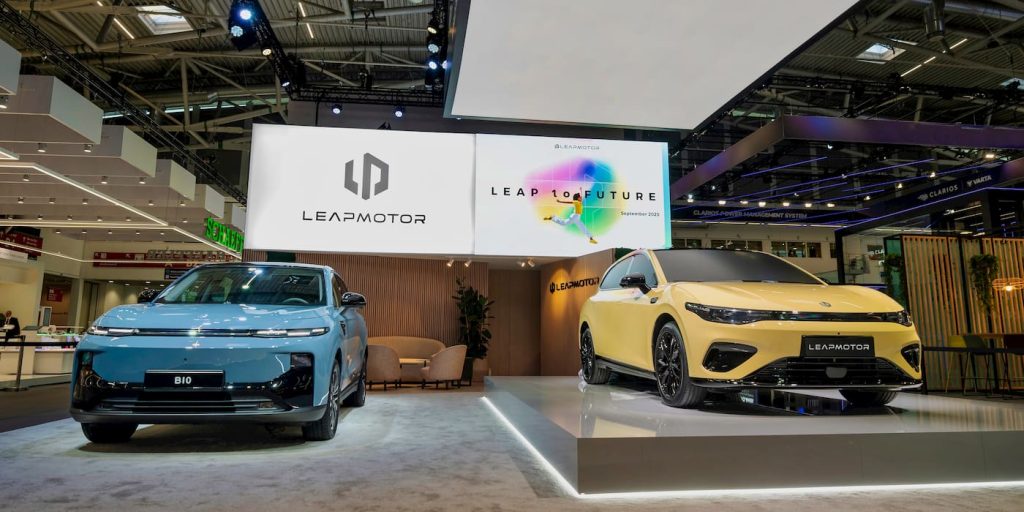
Although talks are still in the early stages, Stellantis aims to finalize an agreement by the end of 2026. However, Stellantis still faces an uphill battle with regulatory hurdles, data and privacy concerns, and US restrictions.
By using Leapmotor’s technology, Stellantis would not only save on investment, R&D, and other related costs but also help bring more affordable, more advanced electric vehicles to market more quickly.
Top comment by Actually Thoughtful
"CEO Antonio Filosa blamed “the cost of over-estimating the pace of the energy transition,” and warned Stellantis needs to “reset” the business."
EVs are now in 1 in 4 vehicles. By the end of the year it will be closer to 1 in 3. It would be hard for the transition to go any faster.
Stellantis already sells the Leapmotor C10 SUV in Europe and plans to introduce it to new overseas markets, including South America and Southeast Asia.
Electrek’s Take
With Volkswagen, Renault, and several other European automakers launching new entry-level EVs over the next few years and Chinese brands like BYD stealing market share, Stellantis will need to act fast to keep pace.
Expanding its partnership with Leapmotor might just be the best idea. Toyota, Volkswagen, Nissan, Hyundai, and Stellantis are tapping into China’s EV tech to gain an advantage in the global market.
If you can’t beat ’em, join ’em. Right?


FTC: We use income earning auto affiliate links. More.


Comments