
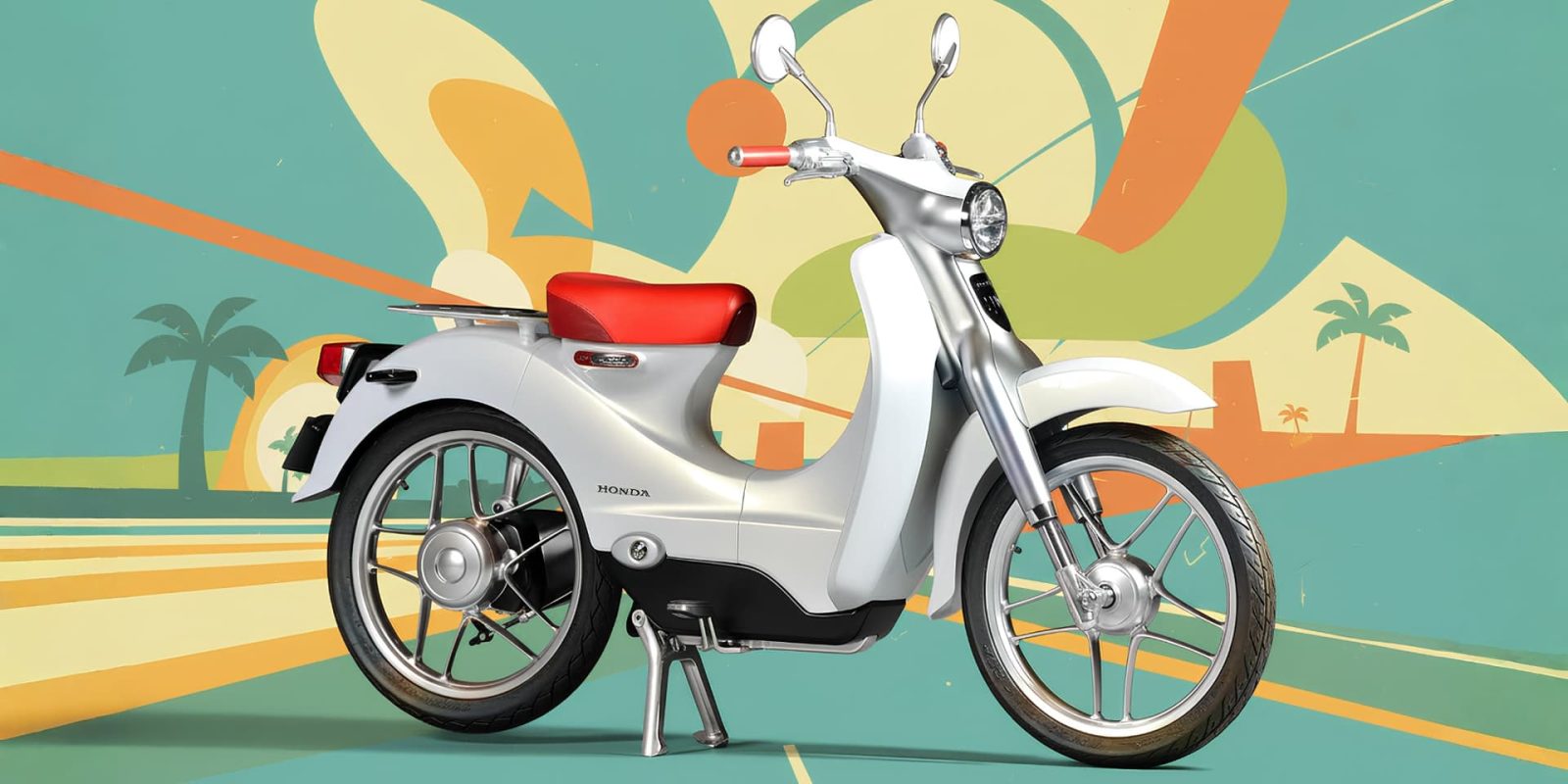
For years now, riders have been asking the same question: When is Honda finally going to give us a true-to-form electric Super Cub?
The gasoline-powered Honda Super Cub isn’t simply another small bike in the long history of mopeds and light motorcycles. It’s the best-selling motor vehicle in history, with more than 100 million units produced since its 1958 debut. The Cub helped motorize post-war Japan, democratized two-wheeled transport across Southeast Asia, and even carved out a cult following in the US with its step-through frame and famously approachable design. It’s not an exaggeration to say that the Super Cub is one of the most important vehicles ever built.
Which is exactly why the absence of a proper electric version feels so glaring.
It’s important to note that Honda has not been sitting still on the electrification of the two-wheeled industry. While the company did take its sweet time, the last few years have seen significant catch-up. Honda has rolled out several lightweight electric two-wheelers in recent years, including models like the Honda EM1 e: and Honda CUV e:. These scooters, aimed primarily at Asian and European urban markets, use Honda’s swappable Mobile Power Pack batteries and target the 50cc- to 125cc-equivalent commuter segment.
That sounds like pretty fertile ground for an electric Cub.
But so far, Honda hasn’t delivered the thing enthusiasts actually want: a recognizable, street-capable, Super Cub EV that captures the spirit and utility of the original while offering modern electric performance.
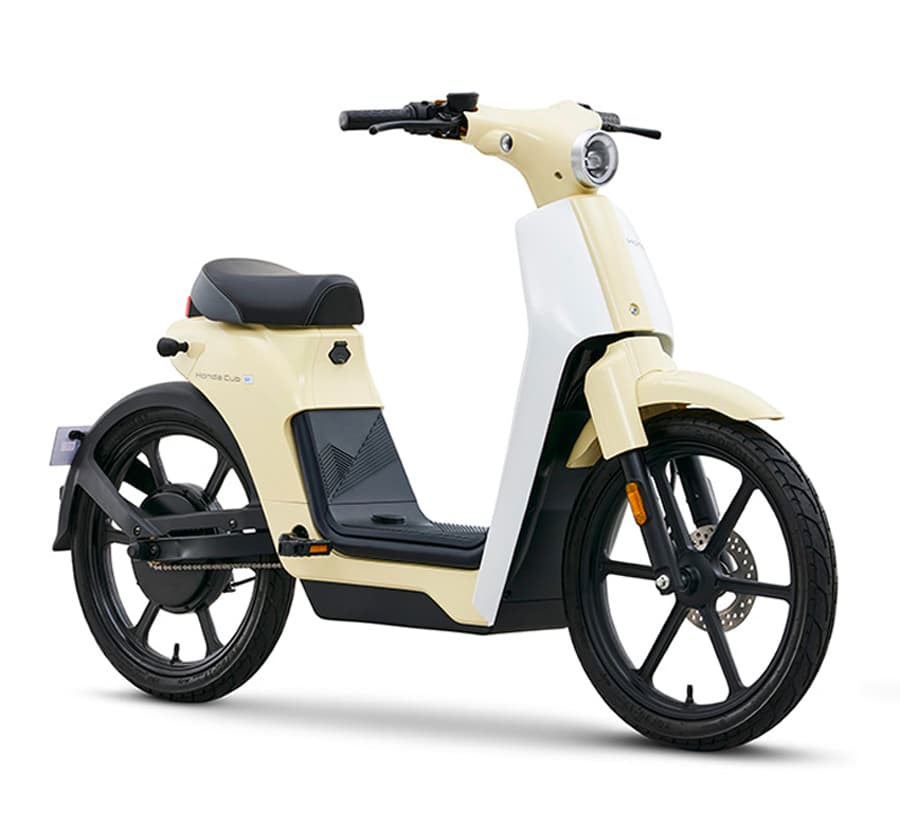
There have been near misses. The so-called Honda Cub e:, sold in limited Asian markets, carries Cub-inspired styling. But performance-wise, it’s closer to an ultra-low-speed electric moped. With modest power, limited top speed, and specifications that align more with local electric bicycle regulations than motorcycle standards, it feels less like an electric Super Cub and more like a cute electric bicycle wearing scooter bodywork.
That’s not necessarily a bad product for its intended market of low-speed bike and scooter lanes in Asia. But it’s not the global, next-generation Super Cub that many riders in the US and Europe have been hoping for.
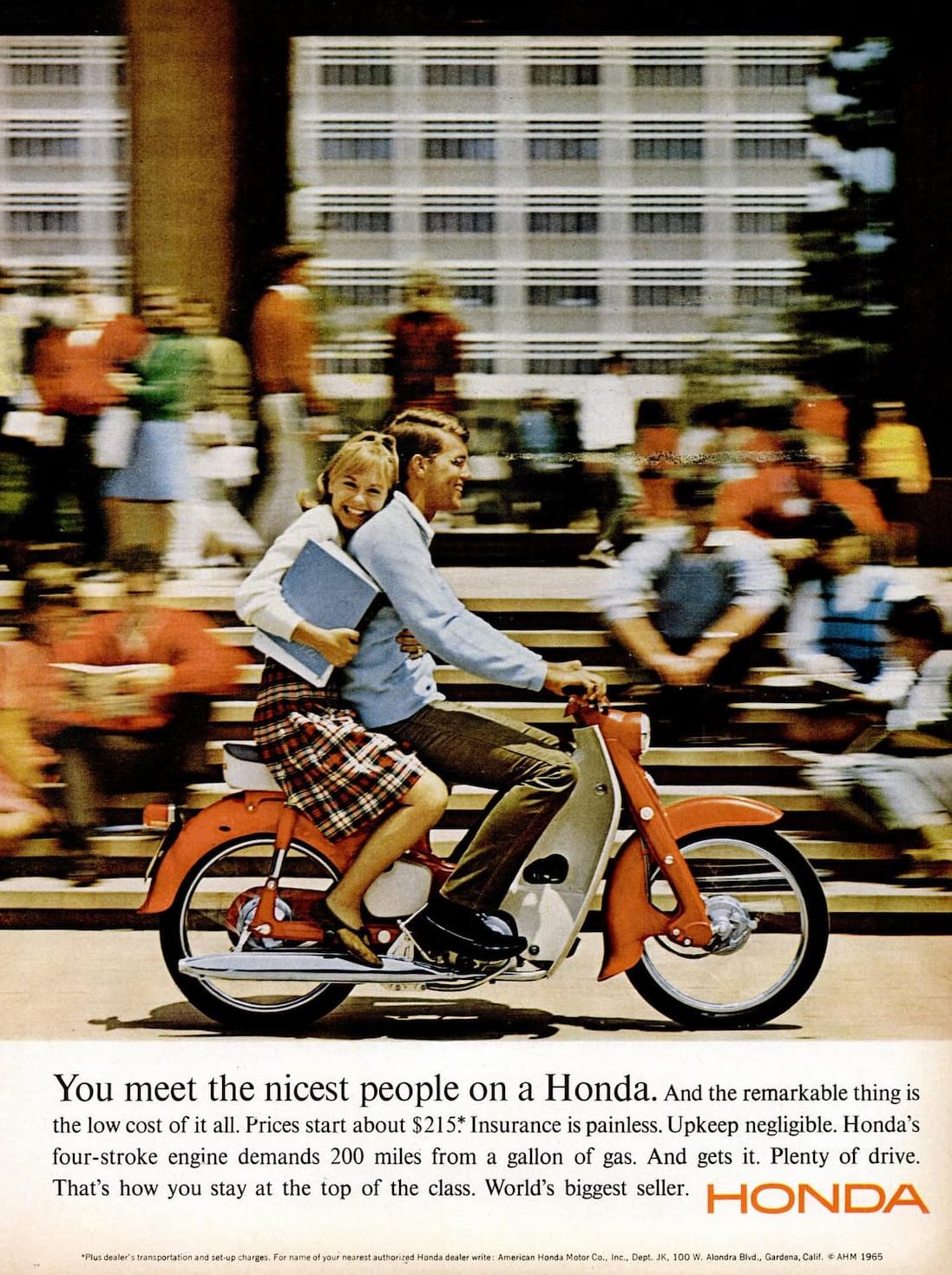
And it’s definitely not the electric mini-motorcycle that will bring back the 60s and 70s Americana nostalgia for beachside cruises and “You meet the nicest people on a Honda” commercials.
Honda did show a beautiful EV-Cub concept over a decade ago, teasing what looked like a faithful electric reinterpretation of the original. Since then, however, the company’s electric strategy has been more incremental and regionally focused. Rather than launching halo electric models in legacy nameplates, Honda appears to be prioritizing scalable commuter platforms in markets where small-displacement two-wheelers dominate daily transportation.
From a business standpoint, that approach makes sense. Southeast Asia and parts of Europe represent enormous volumes in the light two-wheeler category. Proving out battery-swapping systems and low-cost urban EV platforms there is arguably more strategic than launching a nostalgic electric Cub in North America.
Still, the demand is real. An electric Super Cub with 50 mph (80 km/h) capability, practical range, and Honda’s global dealer support would likely find an eager audience. It would bridge the gap between boutique electric startups and high-performance electric motorcycles, offering something charming, practical, and historically meaningful.
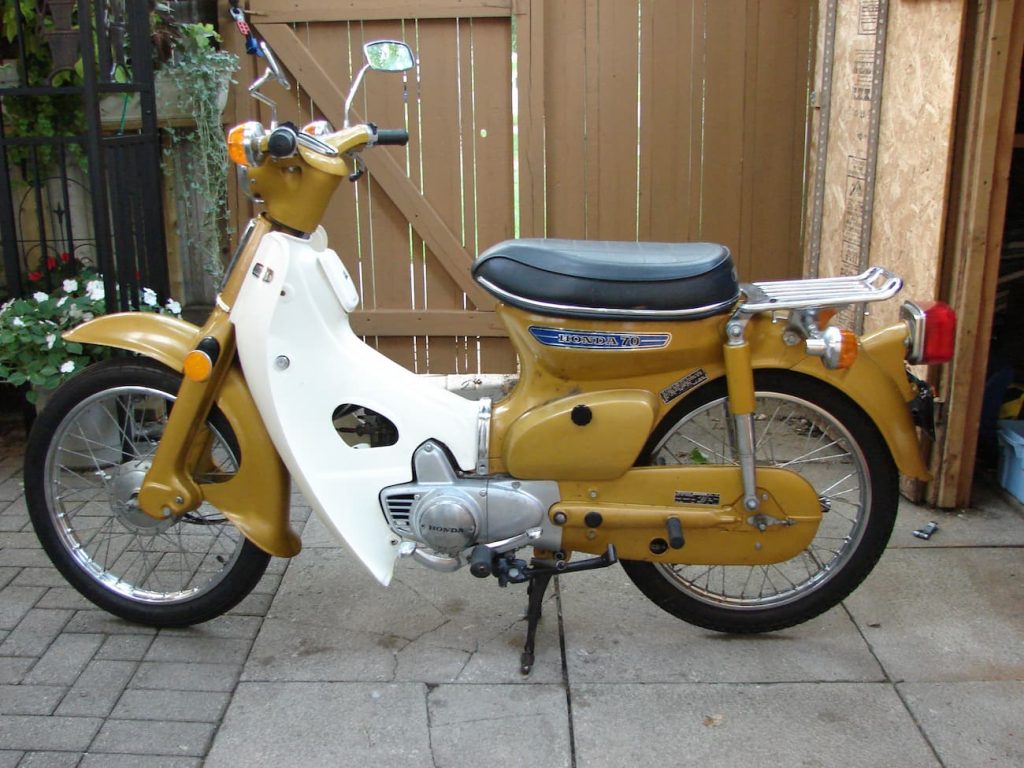
Will we see it?
Honda has publicly committed to launching dozens of electric two-wheelers by 2030, and it continues expanding its battery-swapping infrastructure. As costs fall and performance improves, the case for electrifying legacy nameplates grows stronger. The Super Cub is too iconic to ignore forever, and it feels like it’s just a matter of time before we get an honest-to-goodness electric Honda Super Cub.
For now, though, the electric Super Cub remains more dream than dealership reality. Honda is clearly building the pieces – just not yet assembling them into the bike many of us have been waiting for.


FTC: We use income earning auto affiliate links. More.


Comments