
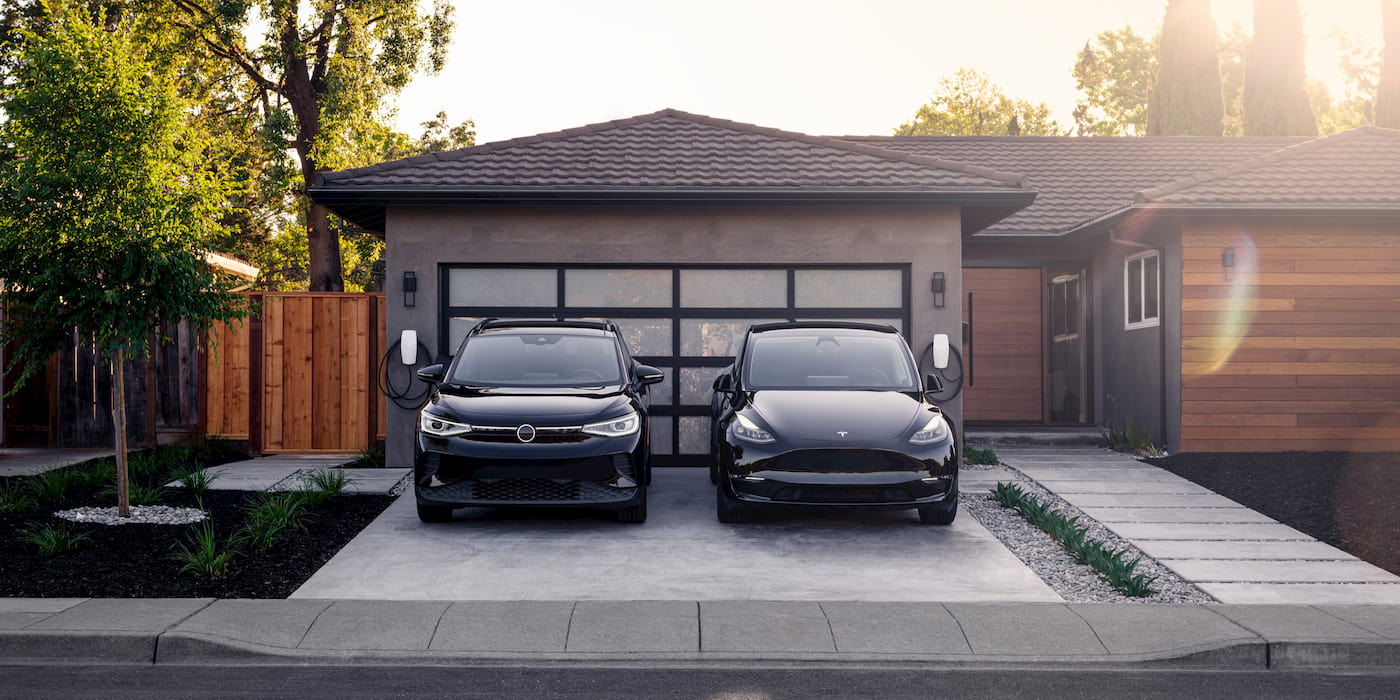
Nearly all EV owners would stick with electric for their next vehicle, a new study found. With improvements in battery tech, public charging, and more, EV owner satisfaction has never been higher. Here are the models leading the way.
EV owner satisfaction reaches an all-time high
If you’ve driven an electric vehicle, you know the feeling. After experiencing the nearly silent ride, instant acceleration, and zero tailpipe emissions (you know, on those nice sunny days when you want the windows down), it’s hard to go back to a regular gas-powered car.
According to the JD Power 2026 US Electric Vehicle Experience (EVX) Ownership Study, almost every single EV owner would consider buying or leasing another EV as their next vehicle.
Even if they received the now-expired $7,500 federal tax credit, 96% of owners would still consider sticking with an electric vehicle.
“Improvements in battery technology, charging infrastructure, and overall vehicle performance have driven customer satisfaction to its highest level ever,” Brent Gruber, executive director of the EV practice at JD Power, explained.
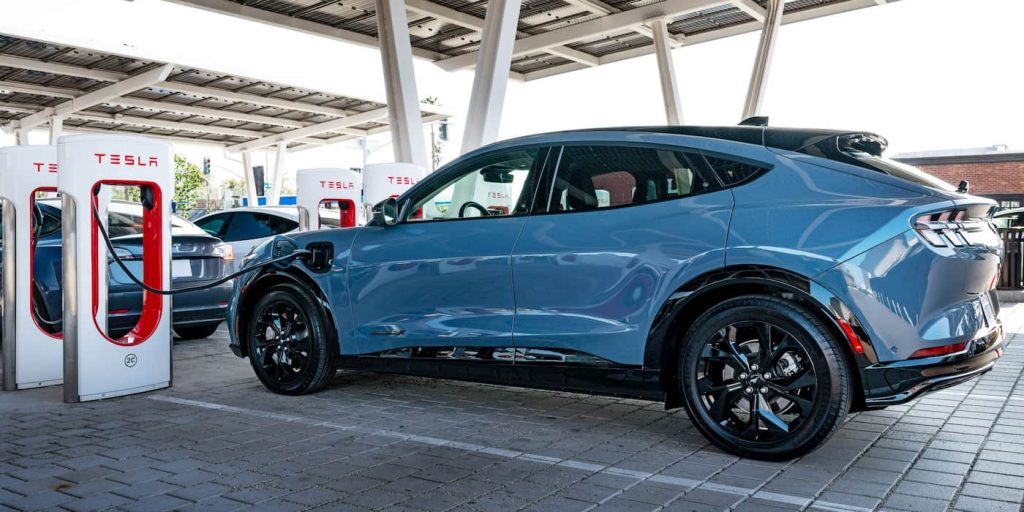
Public charging availability improved the most for both premium and mass-market models. With most brands adopting Tesla’s North American Charging Standard (NACS) to access its Supercharger network and the continued growth of ChargePoint, Electrify America, EVgo, and other public charging networks, owner satisfaction has risen considerably over the past few years.
On a 1,000-point scale, satisfaction among premium EV owners is 652, up 101 points from last year. Mass market EV owner satisfaction reached 511, up 115 points from 2025.
Mainly due to the lower cost of ownership, EVs have much higher satisfaction levels than plug-in hybrids (PHEVs) across both premium and mass-market models.
Premium EVs scored 114 points higher (786) than their PHEV counterparts, while mass market EVs (727) outperformed PHEVs by 117 points.
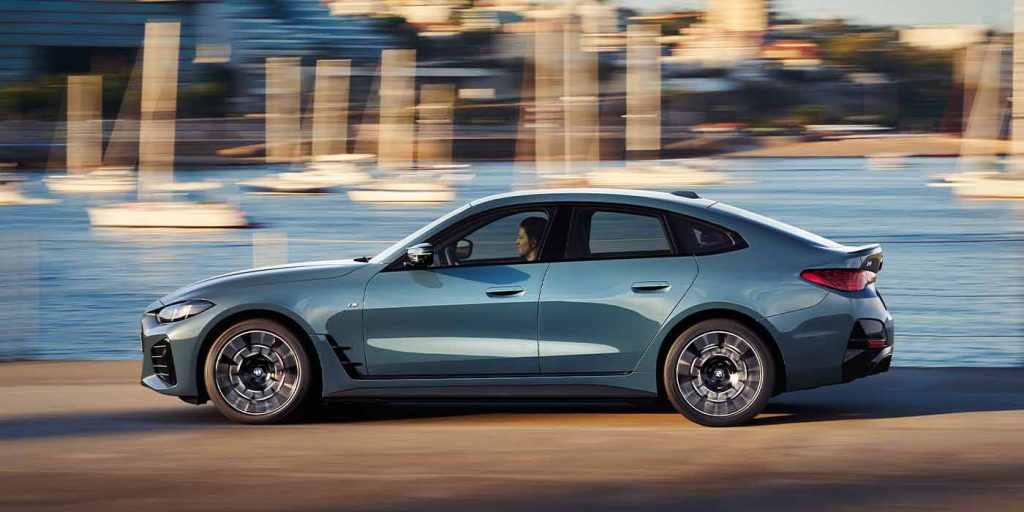
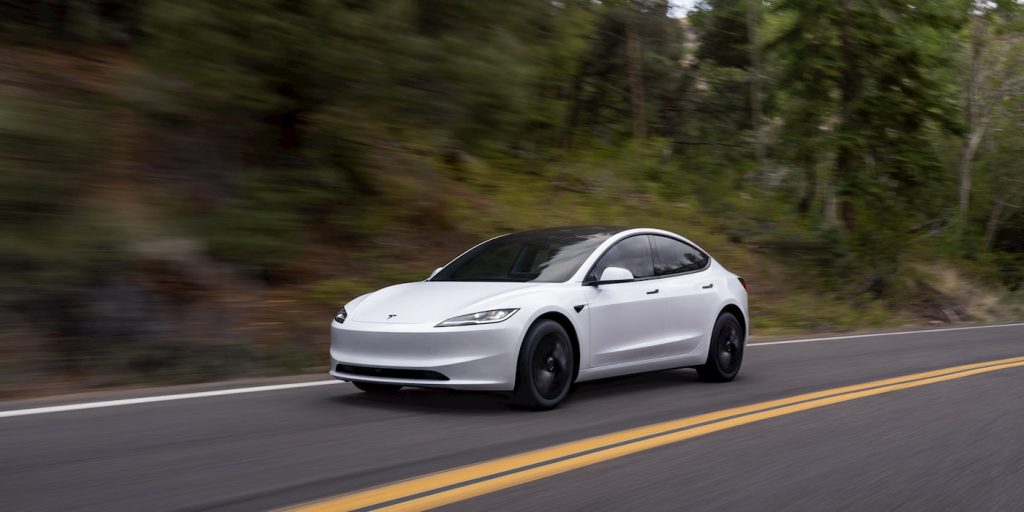
Which models were owners most satisfied with? The JD Power Study found that the Tesla Model 3 ranked highest overall and in the premium segment with a score of 804. The Tesla Model Y ranked second (797), followed by the BMW i4 (795) in third.
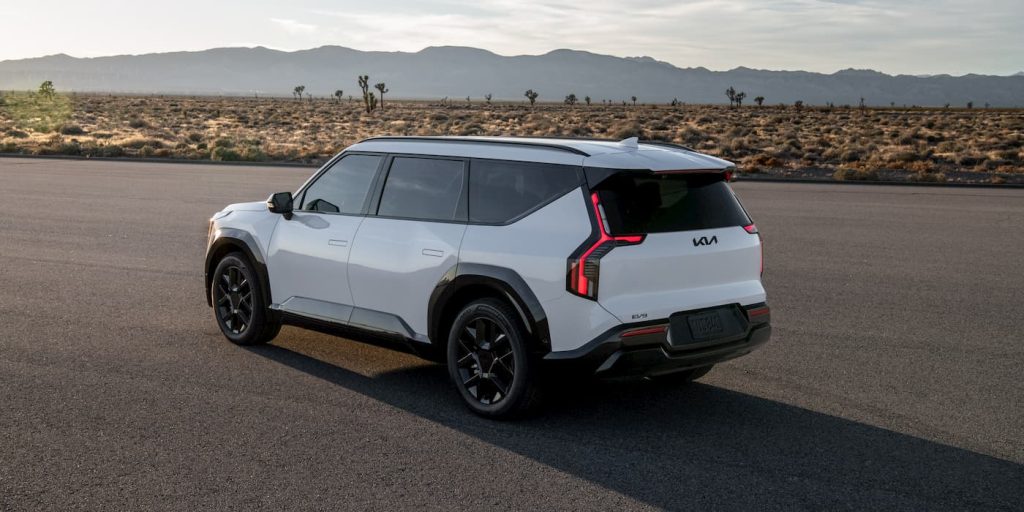
As for mass-market EVs, the Ford Mustang Mach-E took first, scoring 760. The Hyundai IONIQ 6 (748) ranked second, while the Kia EV9 (745) placed third.
Top comment by Damon Ekstrom
I couldn't agree more. Nothing beats waking up every morning to a "full tank". Not to mention, not having to deal with oil changes, tune ups, etc, just further sweetens the deal.
People are learning that range anxiety is only an issue should your daily driver require hundreds of miles a day. Plus, the batteries last far longer than many people feared. Many were left with sticker shock over how expensive it can be to replace a battery, but not only are most batteries covered for 8-10 years, but most batteries still hold a healthy charge even after hundreds of thousands of miles.
This is the sixth year that JD Power has released its US EVX Ownership Study, which focused on first-year ownership.
The 2026 study considered 10 factors: cost of ownership, battery range accuracy, availability of public charging, driving enjoyment, battery range, ease of charging at home, interior and exterior styling, safety and tech features, service experience, and the overall quality and reliability of the vehicle.
In collaboration with PlugShare, the study included 5,741 EV and PHEV owners with 2025- or 2026-model-year vehicles.
Want to see what’s available near you? You can use the links below to see what’s currently available at local dealerships.


FTC: We use income earning auto affiliate links. More.


Comments