
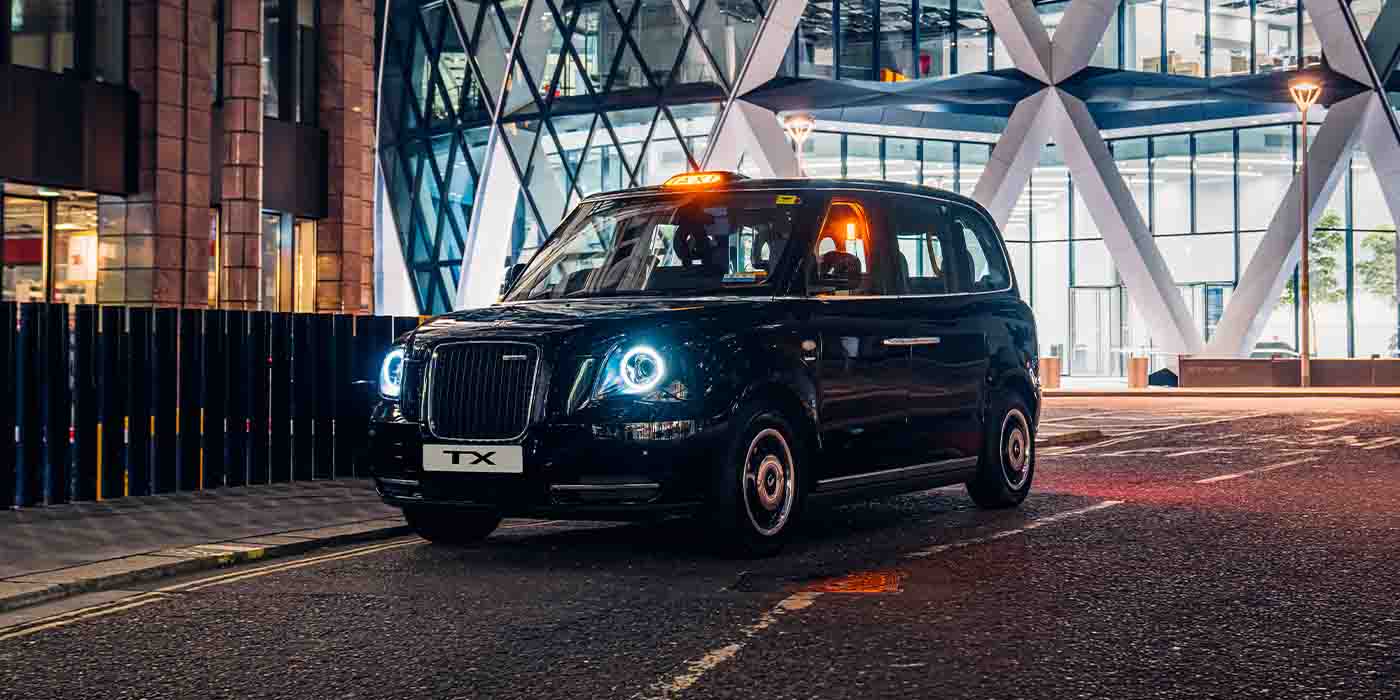
Battery electric vehicles accounted for a third of new car sales in December in the UK, right on target to meet or exceed the government’s 33% target for EV adoption in 2026, showing how policy can lead to goals getting met even when industry complains they are impossible.
The UK has gone through a lot of changes in its EV policy over recent years, with both Labour and Conservative governments working to strengthen and weaken them (yes, both sides have moved in both directions, oddly enough).
The current status is that the UK plans for all new car sales to be fully electric by 2035, with interim targets on the way there.
That’s a little weaker than the UK’s former 2030 all-EV target, but the weakening was mostly to allow for plug-in hybrid sales and credit trading by manufacturers, and the country still expects 80% of new car sales to be electric by 2030, with the remaining 20% of stragglers taking a little more time to clear out.
So, despite its recent goal-weakening – partially in response to disruptions in global trade brought on by a fossil fuel stooge – the UK’s target remains strong, and in fact one of the stronger targets in the world (even stronger than California’s target, which incidentally, the same fossil stooge has illegally tried to reverse).
And these targets are important to facilitate UK’s goal to become carbon-neutral in the world’s fight against climate change. The country is already doing well with its renewable energy supply, it just needs to make sure that energy goes into efficient, non-polluting vehicles.
UK already met its 2026 goal before the year even starts
According to new data published by New AutoMotive, BEVs accounted for 32.7% of new car registrations in the UK in December, in line with the UK’s interim target of 33% EV sales in 2026. This means that as long as EVs continue to become more popular over the course of 2026, the UK should be able to exceed its interim target.
And it’s likely that EV sales will continue to increase over time, as the EV market continues to grow, despite false headlines claiming otherwise. However, UK does often have a spike in EV sales in December, so we’ll likely see a drop next month and then gradual upward crawl over the course of the year.

The same happened within 2025. EVs made up 21.5% of the UK market in January, with that percentage gradually climbing over the course of the year, then spiking in December to the 32.7% number reflected in today’s report.
Taking into account full-year numbers, the UK did fall short of its 28% EV target for 2025, with 23.4% of sales being electric over the full year. But given that it exited the year well above that number, this shows that the country is capable of meeting and exceeding those goals (also, there are various credit flexibilities that allow automakers to escape fines if they sell more-efficient ICE cars, such as hybrids).
Plug-in hybrids grew in the UK, with a total of 44% of new cars in the UK in December having some sort of plug.
By powertrain and for the full year, PHEVs grew by 34.7%, BEVs grew by 23.9%, gas hybrids grew by 7.2%, and full petrol cars dropped 8% while diesel cars dropped 15..6%.
Electric vans did less well, with 11% of the new van market. However, this is only just shy of the UK’s 2025 targets for vans, and automakers’ overperformance on light-duty vehicles balances out their slight underperformance on vans.
Ben Nelmes, CEO of New AutoMotive, pointed out how EVs will help avoid oil conflicts and how policy has helped to drive EV sales:
“This is fantastic news for family budgets as well as the UK’s energy security. As 2026 starts with countries fighting over oil resources, the UK is increasingly turning to domestic clean electricity. This success is the result of pragmatic policy that rewards carmakers for the billions they are investing in delivering EVs that British motorists increasingly want.”
The UK is also on track for EVs to overtake diesel vehicles on its roads by 2030 (a landmark which world’s-best EV adopter Norway met last month). This will lead to enormous clean air benefits for the UK’s cities, with London projected to be the first to go “diesel-free” due to its highly-successful Ultra Low Emissions Zone.
But the auto industry is trying to make things worse
However, we can’t take a victory lap just yet. Industry is still lobbying the UK to roll back its timeline, despite the fact that rules were already weakened recently and, as we can see above, they’re already on target to meet or exceed these goals.
The automotive industry recently succeeded in getting the EU to soften its all-EV goals, opening up space for Chinese automakers to further dominate Western ones on state of the art EV production. And the industry is pressuring the UK to follow along, with the UK announcing that it will review its 2035 targets early. Though the country also says that it plans to stick with its targets.
Adding some confusion to the transition, the UK recently proposed a per-mile road tax for EVs specifically, a punitive measure on EVs which are less harmful to society and which already pay taxes on the fuel they use. If the goal is to use taxation to balance societal costs, a better solution would be a weight- and mileage-based road tax for all vehicles, not just EVs, along with pollution taxes on fuel in proportion to the damage done by its consumption. This would then benefit vehicles that are less damaging over ones that are more.
Tanya Sinclair, CEO of Electric Vehicles UK, pointed out the need for more consistent policy signals to build on UK’s success:
“One in three new car buyers chose electric last month, a meaningful milestone. But it’s also important to focus on the two-thirds who didn’t. Some are weighing up future road-pricing proposals, others are unsure whether current incentives apply to the models they want. That points to a need for clearer, more consistent policy signals. What is already clear, however, is that buyers now have genuine choice: electric cars offer strong value for money, best-in-class performance, and an increasingly compelling proposition for mainstream drivers.”
But with today’s news of UK’s high EV sales, the coming “review” of UK’s targets could find that everything is on track – as long as sales continue to build in strength over the course of 2026.
If you’re an electric vehicle owner, charge your car at home with rooftop solar panels. To make sure you find a trusted, reliable solar installer near you that offers competitive pricing on solar, check out EnergySage, a free service that makes it easy for you to go solar. They have hundreds of pre-vetted solar installers competing for your business, ensuring you get high-quality solutions and save 20-30% compared to going it alone. Plus, it’s free to use and you won’t get sales calls until you select an installer and share your phone number with them.
Your personalized solar quotes are easy to compare online and you’ll get access to unbiased Energy Advisers to help you every step of the way. Get started here. – ad*


FTC: We use income earning auto affiliate links. More.




Comments