
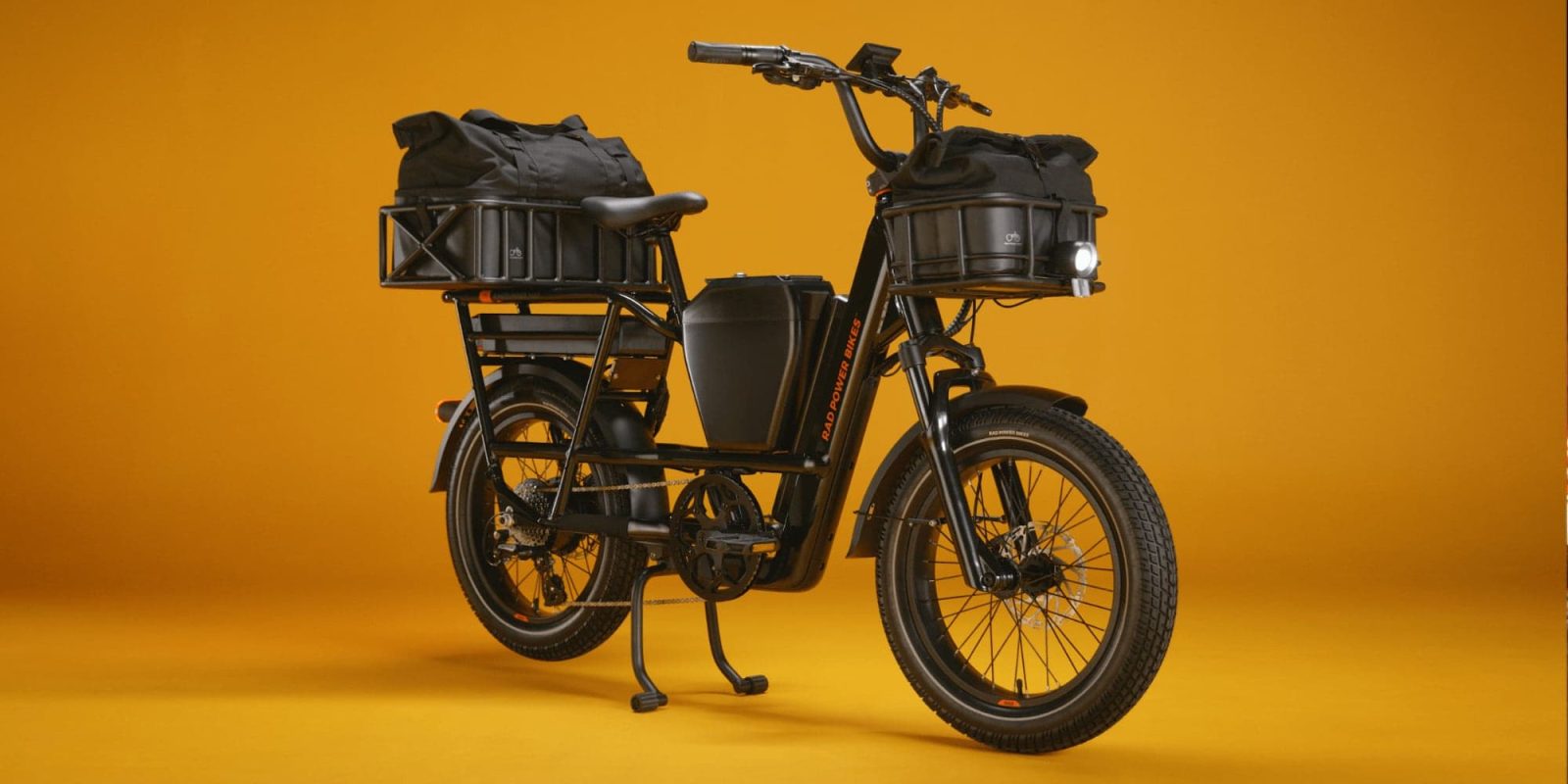
Rad Power Bikes has filed for Chapter 11 bankruptcy protection, marking a dramatic turn for one of the most recognizable names in the US electric bike industry. The Seattle-based company entered bankruptcy court this week as part of a plan to sell the business within the next 45–60 days, while continuing to operate during the process.
Court filings show Rad listing roughly $32.1 million in assets against $72.8 million in liabilities. A significant portion of that debt includes more than $8.3 million owed to US Customs and Border Protection for unpaid import tariffs, along with millions more owed to overseas manufacturing partners in China and Thailand. The company’s remaining inventory of e-bikes, spare parts, and accessories is valued at just over $14 million. Founder Mike Radenbaugh remains the largest equity holder, with just over 41% ownership.
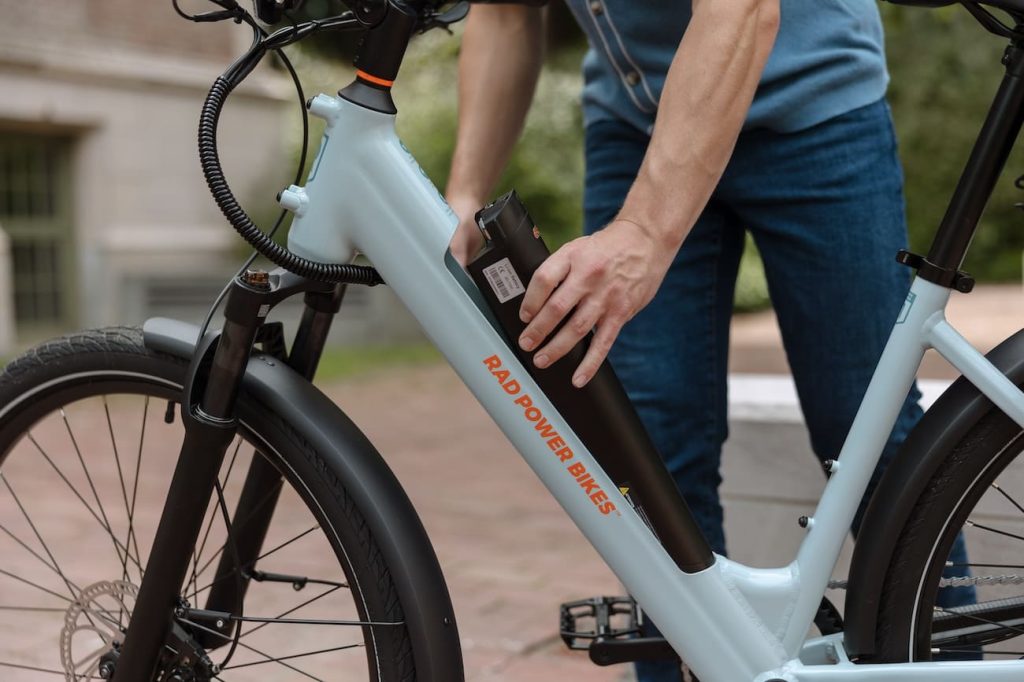
The bankruptcy filing comes less than a month after the US Consumer Product Safety Commission issued a rare public warning urging consumers to immediately stop using certain older Rad lithium-ion batteries, citing fire risks, particularly when certain batteries are exposed to water and debris. Rad pushed back on the agency’s characterization, stating that its batteries were tested by third-party labs and deemed compliant with industry safety standards, and touting its SafeShield batteries – another, more recent version of Rad’s battery introduced last year that is likely one of the safest e-bike batteries in the industry.

Financial pressure had been building steadily on the company. In early November, Rad Power Bikes issued a WARN notice to Washington state officials, indicating that up to 64 employees could be laid off in January, and warning that the company could shut down entirely if additional funding was not secured. That notice now reads as an early signal of the restructuring that has followed.
Chapter 11 bankruptcy is not the end of a company, and in this case, it allows Rad to continue operating while restructuring its debts under court supervision, pausing most litigation and collection efforts through an automatic stay. The company says it plans to keep selling bikes and supporting customers during the process as it works toward a sale.
The filing caps an unfortunate fall from grace for a brand that raised hundreds of millions of dollars in several funding rounds during the pandemic years. After years as a dominant force in the direct-to-consumer e-bike market, Rad now faces an uncertain future shaped by tightening margins, regulatory scrutiny, and unresolved legal and financial challenges.
via Bicycle Retailer


FTC: We use income earning auto affiliate links. More.



Comments