
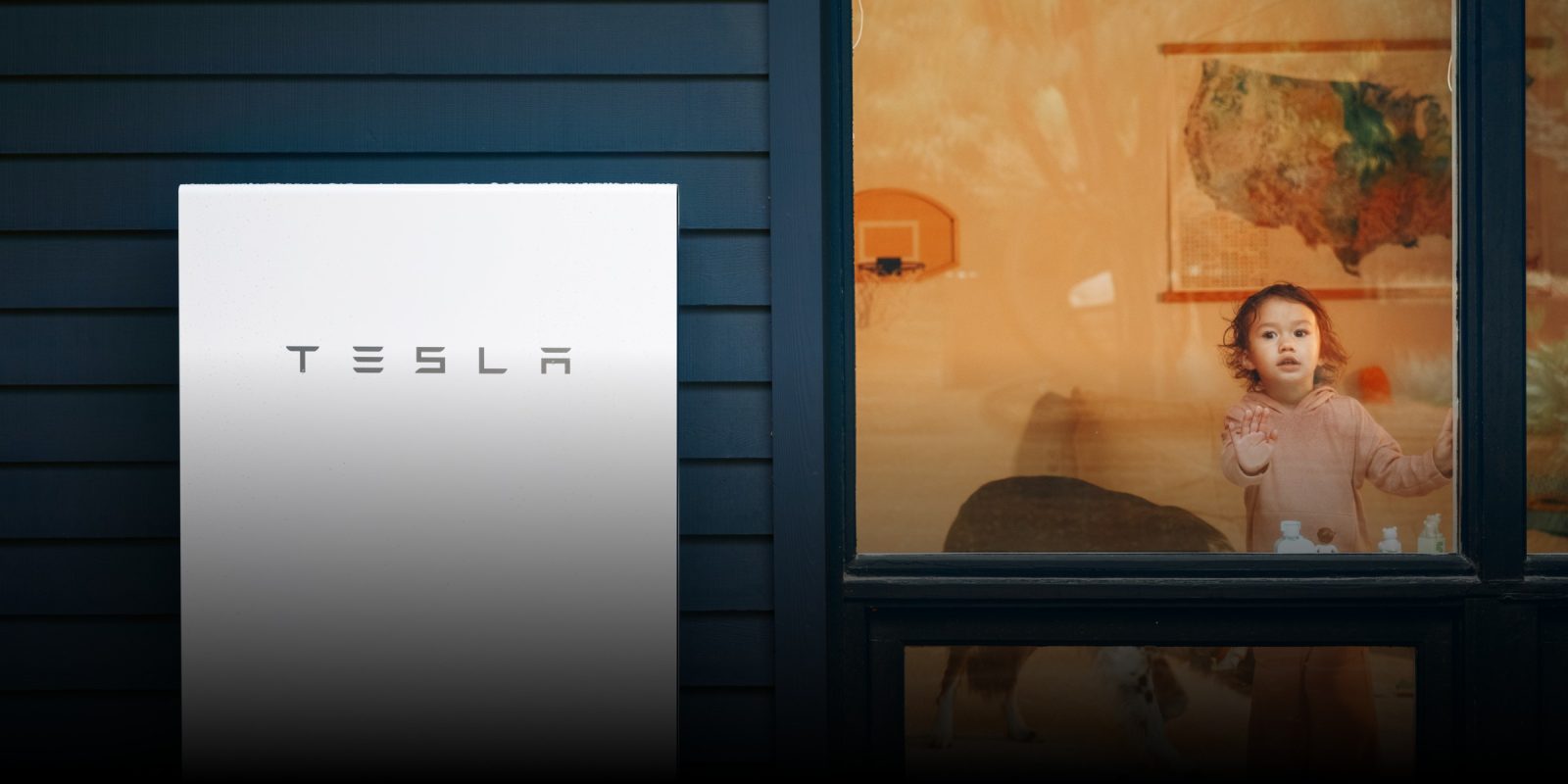
More than 100,000 home batteries across California stepped up as a virtual power plant last week in a scheduled test event, and the results were impressive, according to new analysis from The Brattle Group.
Sunrun was the largest aggregator, Tesla was the largest OEM, and most of the batteries were enrolled
in California’s Demand-Side Grid Support (DSGS) program.
Sunrun’s distributed battery fleet delivered more than two-thirds of the energy during a scheduled two-hour grid support test on July 29. In total, the event pumped an average of 535 megawatts (MW) onto the grid – enough to power over half of San Francisco.
The event, run between 7 and 9 pm, was coordinated by the California Energy Commission, CAISO (California Independent System Operator), and utilities to prepare for stress on the grid during August and September heat waves. And it worked.
Sunrun alone averaged over 360 MW during the two-hour window. The batteries kicked in right when electricity demand typically spikes in the evening, acting just like a traditional power plant, but from people’s homes.
Brattle’s analysis found that the battery output made a visible dent in statewide grid load, when the power is needed most. “Performance was consistent across the event, without major fluctuations or any attrition,” said Ryan Hledik, a principal at The Brattle Group. He called it “dependable, planning-grade performance at scale.”

Residential batteries, Hledik explained, don’t just help shave off demand during critical hours; they can reduce the need for new power plants entirely. “They can serve CAISO’s net peak, reduce the need to invest in new generation capacity, and relieve strain on the system associated with the evening load ramp,” he said.
This isn’t a one-off. Sunrun’s fleet already helped drop peak demand earlier this summer, delivering 325 MW during a similar event on June 24. The company compensates customers up to $150 per battery per season for participating.
Top comment by Jerry Wagner
When states & cities start mandating solar canopies on large hot asphalt parking lots +on-site BESS +Vehicle-2-BESS chargers, we'll really have something to talk about. France is already doing it, within 5 years. Instant neighborhood micro grids right where most utility rate payers live, work & commute from large apartments & condos to shopping centers, business parks & municipal facilities. No new utility monopoly transmission, site acquisition or other site improvement spending required. And no permitting & interconnection delays or armies of litigious NIMBYS.
Sunrun CEO Mary Powell summed it up: “Distributed home batteries are a powerful and flexible resource that reliably delivers power to the grid at a moment’s notice, benefiting all households by preventing blackouts, alleviating peak demand, and reducing extreme price spikes.”
Read more: The US’s largest virtual power plant now runs on 75,000 home batteries
The 30% federal solar tax credit is ending this year. If you’ve ever considered going solar, now’s the time to act. To make sure you find a trusted, reliable solar installer near you that offers competitive pricing, check out EnergySage, a free service that makes it easy for you to go solar. It has hundreds of pre-vetted solar installers competing for your business, ensuring you get high-quality solutions and save 20-30% compared to going it alone. Plus, it’s free to use, and you won’t get sales calls until you select an installer and share your phone number with them.
Your personalized solar quotes are easy to compare online and you’ll get access to unbiased Energy Advisors to help you every step of the way. Get started here.


FTC: We use income earning auto affiliate links. More.





Comments