
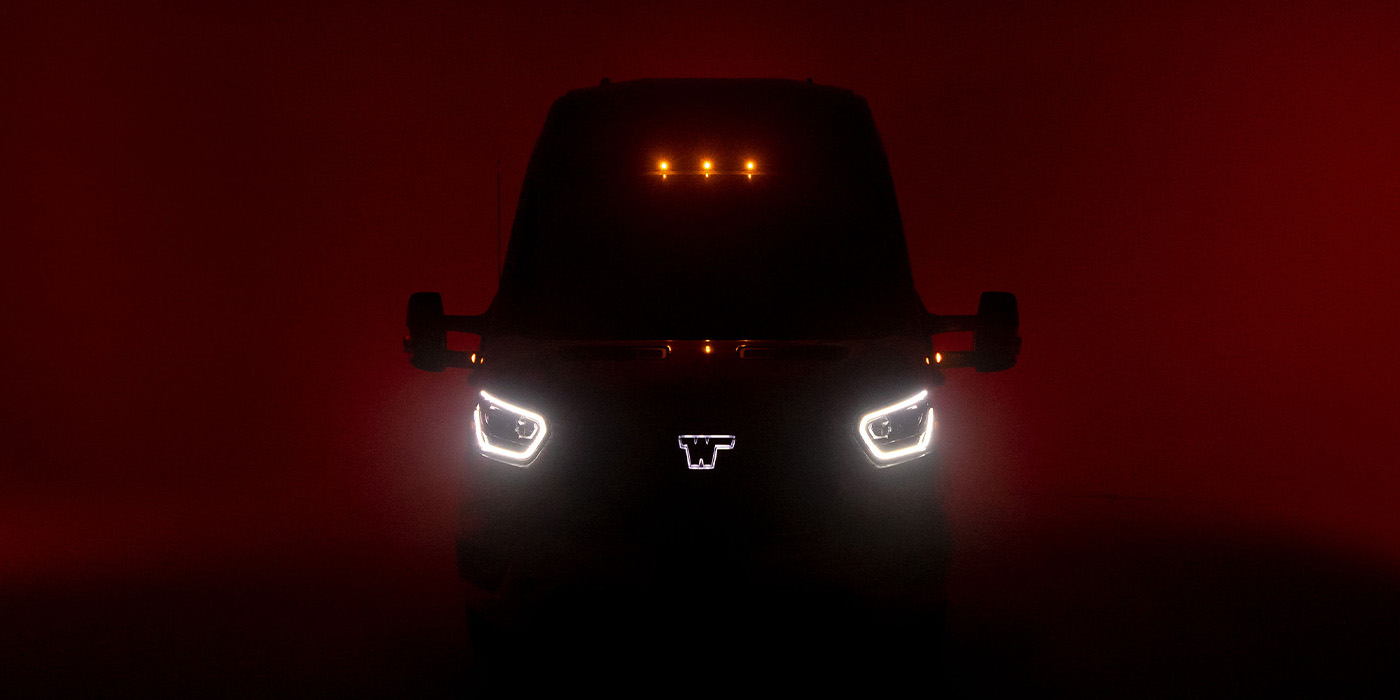
During this year’s Florida RV SuperShow in Tampa, legacy RV and motorhome manufacturer Winnebago unveiled its all-electric, operational RV prototype called the eRV2. This zero-emission RV evolved from Winnebago’s eRV prototype and is being used for test drives to gather feedback from consumers before it reaches its final production-intent design. You’ve gotta check this thing out.
As Kleenex is to tissues and Q-Tip to cotton swabs, Winnebago is practically a synonym for recreational vehicles (RVs). While it has been building RVs and motorhomes for decades that are reliant on gas and diesel engines, the legacy brand has had the foresight to explore a future in which electric versions of its vehicles can become a reality, and we applaud that.
That being said, the company still has a ways to go. During the 2022 Florida RV SuperShow, Winnebago unveiled the eRV – an all-electric RV concept that truly kicked off its venture into zero emissions travel after a less successful attempt at an EV platform back in 2018.
The concept was built off the ever-popular Ford Transit platform, upfitted by a familiar name in Lightning eMotors. It utilized the vehicle’s body, chassis, and suspension, then was equipped with an 86 kWh battery that was expected to deliver 125 miles of range and charge time of 45 minutes on DC fast charger.
Now, almost a year later to the day, Winnebago has hit the Tampa RV show yet again with an all-electric encore called the eRV2. It’s still only a prototype, but it’s operational, available for test drives, and ever closer to becoming a genuine electric RV option for consumers. Have a look.
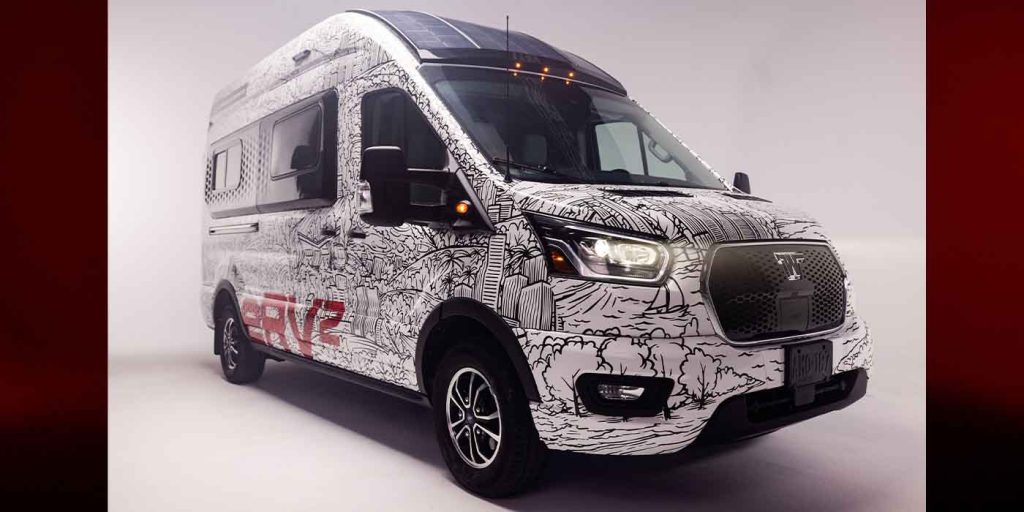
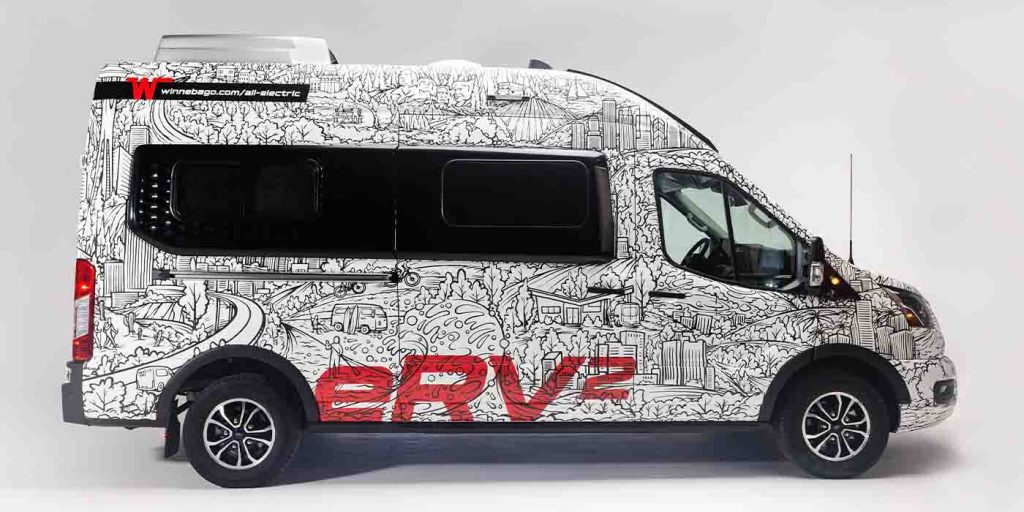
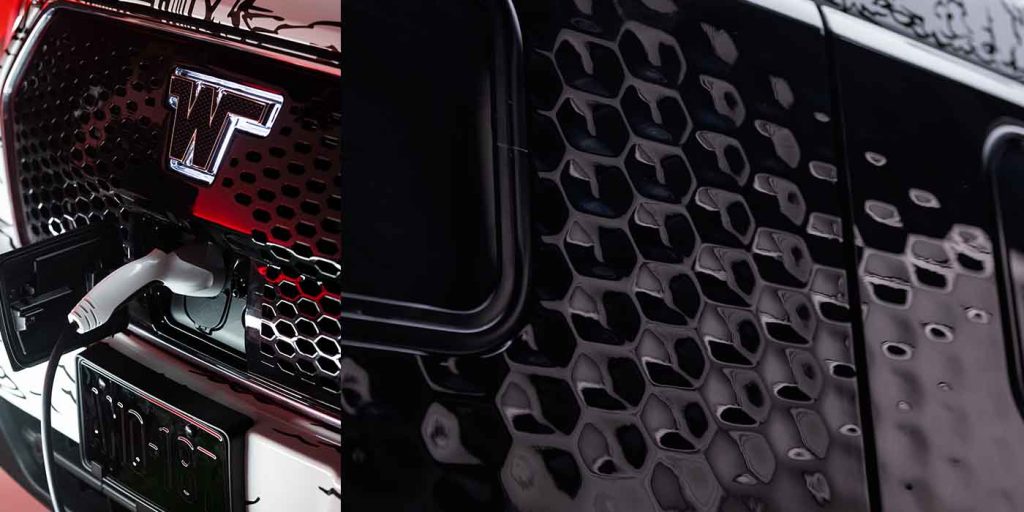
Winnebago is showcasing the eRV2 electric RV in Florida
The all-electric eRV2 made its debut in front of a crowd in Florida today and will be on display through the weekend. Built upon a Ford E-Transit chassis similar to the concept it emerged from, this electric RV currently has a published range of … 108 miles. Hmm.
Winnebago appears well aware that is far too low of a number for a production version of this RV, stating it is “actively pursuing range extension opportunities to incorporate into a future commercial version.” Phew.
The motorhome specialist partnered with Lithionics Battery to create a proprietary “IonBlade” lithium house battery to be powerful and compact, featuring a 48V system capable of over 15,000 usable watt-hours.
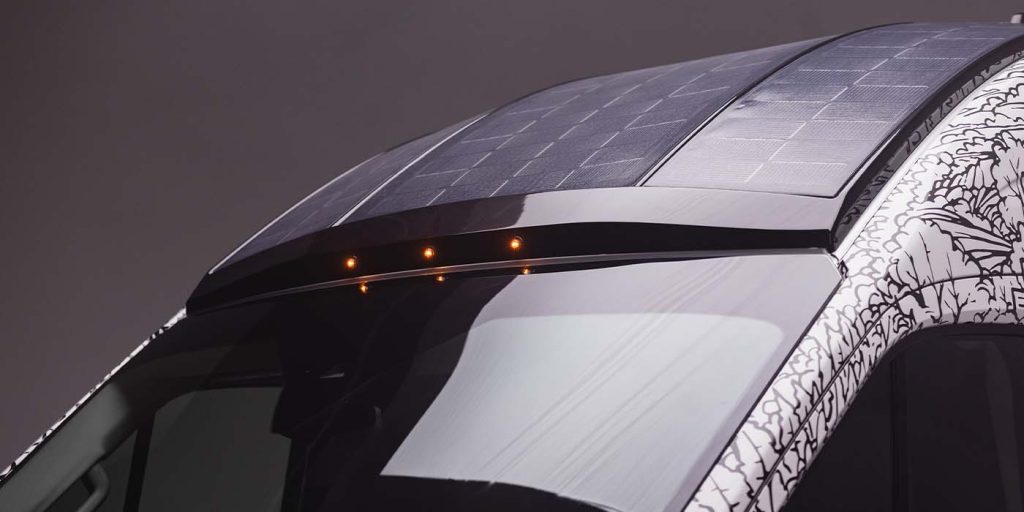
Both the powertrain and house systems are powered by entirely by electricity, capable of up to seven days of boondocking (camping without any hookups to electricity, water, sewage). Winnebago states that this is made possible in part by the electric RV’s 900-watt solar capacity using panels on its roof (seen above).
How about the interior though? See for yourself.
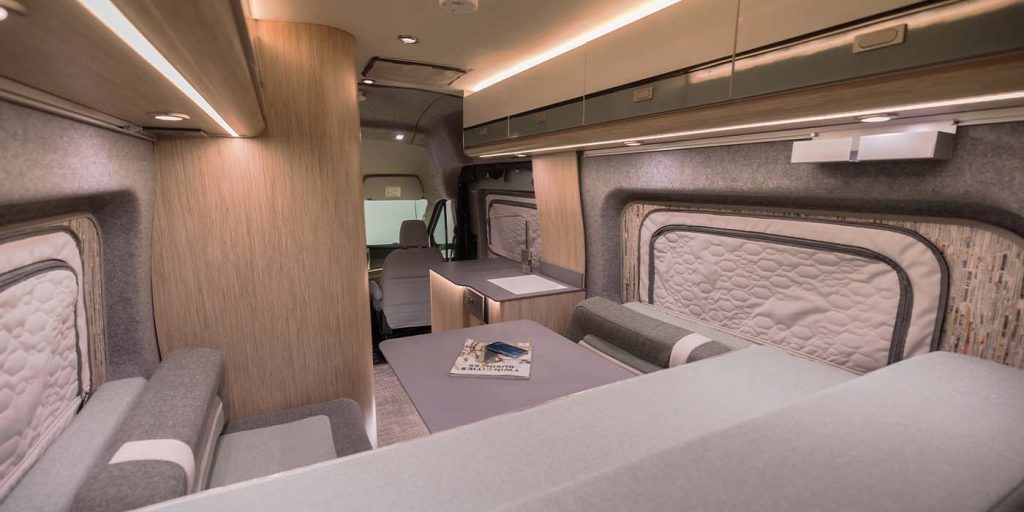
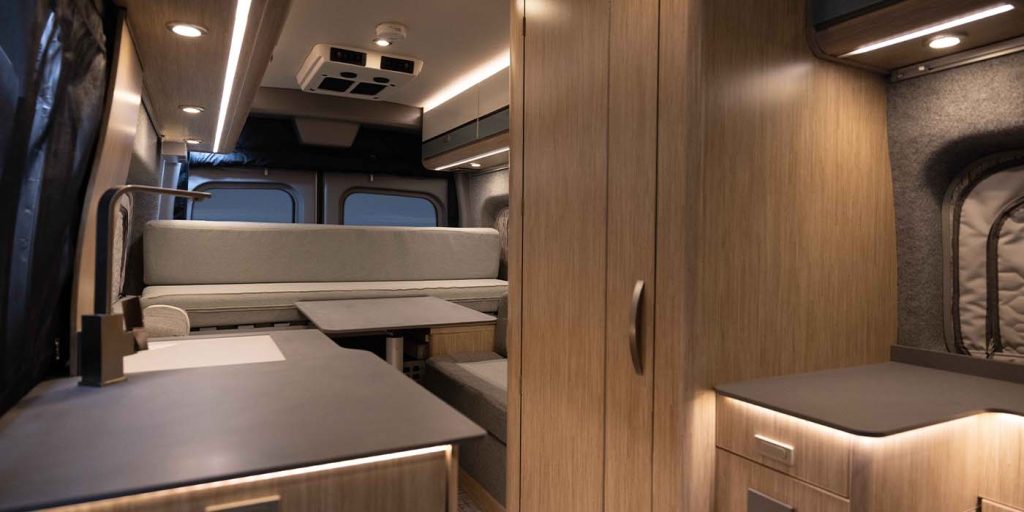
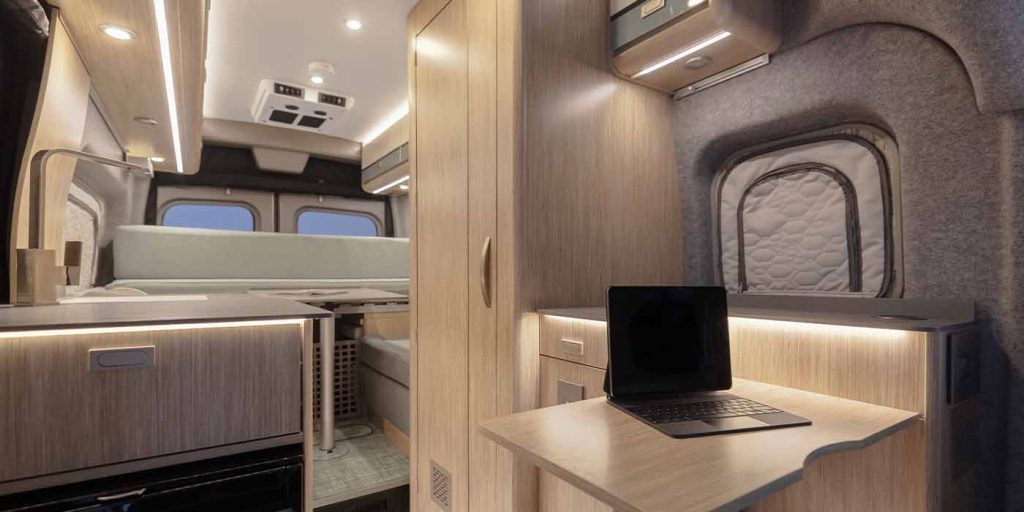
If you’re making a zero emissions recreational vehicle, you best promote sustainability as much as you can throughout. Inside Winnebago’s all-electric RV prototype, you’ll find loads of recycled materials including the flooring, mats, window trim, and even the WinnSleep mattress system. The cab seats feature plant-based coverings, while all the acrylic countertops are made from biodegradable materials. Nice.
Top comment by #1Sycophant
this is where it is all going folks, what better way to cut the cord than to not even have a home to cut the cord too. It's like the cell phone when it first came out, everyone kept the landline because the didn't want to give out their cell phone number but then slowly but surely it didn't matter anymore and many couldn't afford both so they just cut the cord. Same will happen with homes, no one can afford a home anyway and most dream of one day cutting the cord to utilities who are nothing more than legalized private monopolies who always get their rate case hikes approved sooner or later.
If you are woke at all you know that utilities should be public and not be private or traded stocks. You don't get to become a protected monopoly with out greasing a few hands, I can go down the rabbit hole for anyone interested but I can tell you from first hand accounts that it is one greasy rabbit hole.
All roads point to FSD electric motorhomes, that recycle gray water, compost black water and drive like 40 mph overnight to your destination for as little as 200 kWh / mile in a full size class A motorhome. You have to have transportation as many have proved by living out of their car in expensive markets, but you don't have to have a home. I would buy stock in any RV manufacturer who says that this is 100% of their focus and building chargers. This will take over all other forms of transport as your home becomes your car because that's all anyone can afford and they have to have trans
Winnebago appears to be off to a great a start here with the eRV2 but admits that it still needs to perform vigorous field testing to inform the electric RV’s final design. Let’s not forget that range either, gang.
Still, the veteran company recognizes that there is an exploding demand for all-electric travel, particularly in the large van, RV segment. Winnebago president Huw Bower spoke to the company’s progress and future goals:
Our primary goal in building the eRV2 was to help people comfortably explore the world around them with less environmental impact. The user experience was at the heart of this prototype’s development, through the early days of market research and even now as it goes through field testing. The eRV2 embodies our pioneering legacy, representing not only an achievement in design, innovation and sustainability, but also our commitment to continuously evolve with the changing needs of consumers and the world we share.
The eRV2 will be on display through the January 22 at the Winnebago booth (No. 760) at the Florida RV SuperShow. If you’re attending, we implore you to schedule a test drive and let us know what you think.
We’re hoping to get inside the electric RV soon and, who knows, perhaps we’ll be reporting from the production model at next year’s RV show. In the meantime, check out the full reveal video of Winnebagos’ all-electric eRV2.


FTC: We use income earning auto affiliate links. More.


Comments