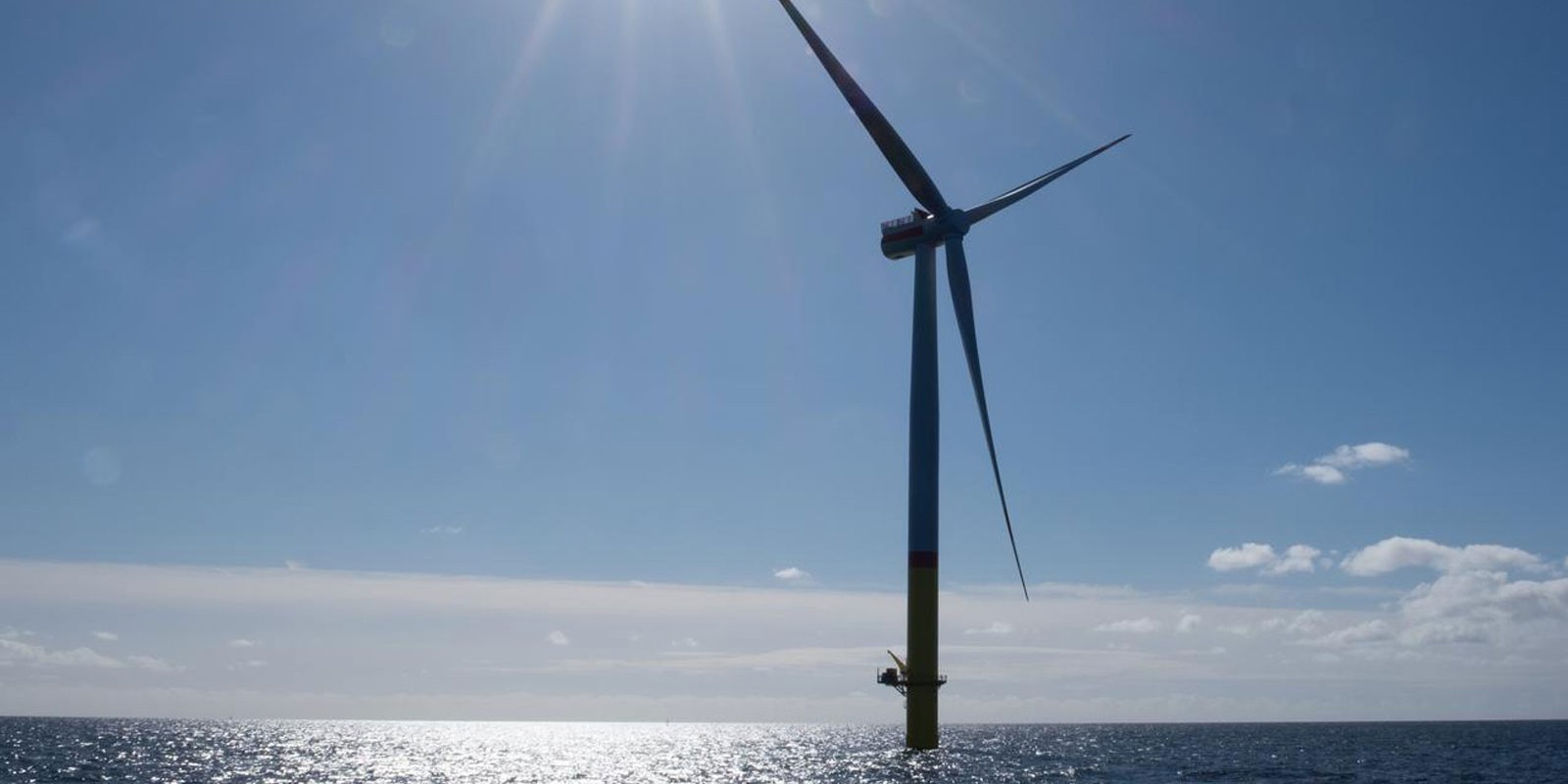
In its most aggressive attack against offshore wind yet, the Trump administration halted the $5 billion Empire Wind 1, already under construction off New York’s coast.
The US wind industry installed just 5.2 gigawatts (GW) in 2024 – the lowest level in a decade, according to Wood Mackenzie’s new US Wind Energy Monitor report. Installations are expected to rebound in 2025, but the real concern lies in US wind’s sharply downgraded 5-year outlook. As for the reason behind that bleak forecast, we’ll give you one guess as to why, and it starts with a T.
Renewables and nuclear provided 40.9% of the world’s power generation in 2024, passing the 40% mark for the first time since the 1940s, according to a new global energy think tank Ember report.
Fossil fuels just hit a record low in the US electricity mix last month, while solar and wind soared to all-time highs, according to fresh data from global energy think tank Ember.
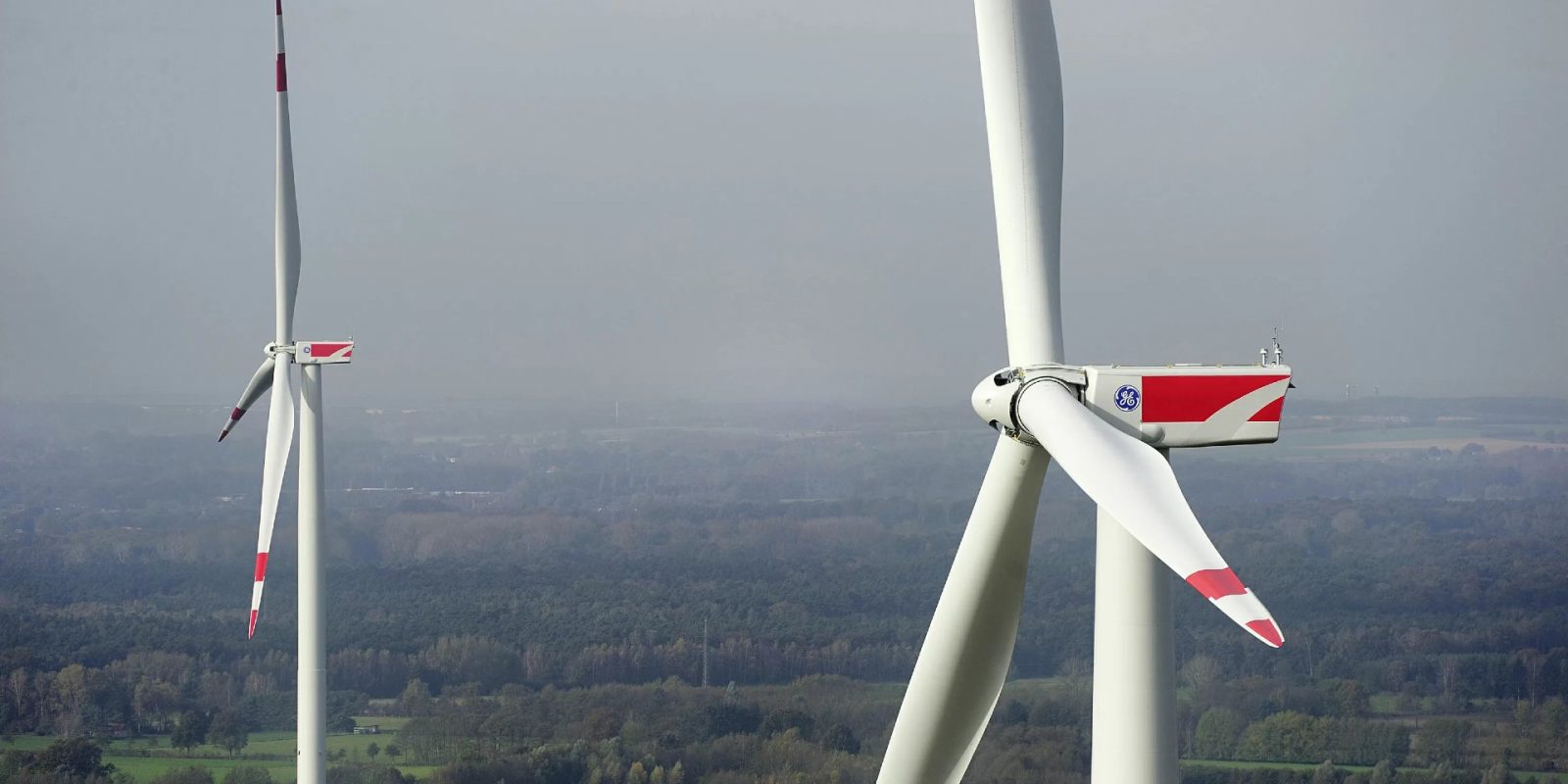
GE Vernova has produced over half the turbines needed for SunZia Wind, which will be the largest wind farm in the Western Hemisphere when it comes online in 2026.
Global energy demand spiked in 2024, driven largely by surging electricity use, according to a new report released today by the International Energy Agency (IEA). Electricity consumption jumped by nearly 1,100 terawatt-hours – a hefty 4.3% increase – nearly twice the annual average growth of the past decade.
This dramatic rise was largely fueled by the electrification of transportation, record-breaking global temperatures that ramped up cooling needs, coupled with increased industrial activity, and growing energy demand from data centers and AI applications.
By February 1, 2028, renewables would account for 37.4% of total available installed utility-scale generating capacity – just behind natural gas (40.2%) – with solar and wind making up more than 75% of the installed renewable energy capacity, according to data just released by the Federal Energy Regulatory Commission (FERC).
In the US in 2024, wind and solar accounted for 17% of total electricity generation, surpassing coal, which fell to a record low of 15%, according to a new report from global energy think tank Ember.
South Dakota’s Public Utilities Commission (PUC) has approved a 260-megawatt (MW) wind farm that will become one of the largest in the wind-friendly state.
Global offshore wind is gearing up for a comeback in 2025, with new capacity additions expected to hit 19 gigawatts (GW) and spending projected to soar to $80 billion, according to Oslo-based independent energy research firm Rystad Energy. That’s a big rebound after a sluggish end to 2024 when new installations dropped to around 8 GW – 2 GW lower than in 2023.
Renewables increased their output by almost 10% and provided nearly a quarter of US electrical generation in 2024, according to newly released US Energy Information Administration (EIA) data.
British energy giant National Grid has reached a deal to sell National Grid Renewables in the US to Canadian investment firm Brookfield Asset Management for $1.74 billion.
Clean energy investments took a serious hit in January, sinking to their lowest point since the Inflation Reduction Act (IRA) supercharged the industry with tax credits and incentives. Growing uncertainty around the future of these policies – especially with the Republican-majority Congress debating potential rollbacks – has led to a sharp drop in new projects and an increase in cancellations, reports E2.
Trump’s new trade tariffs and more import restrictions could drive up costs for US onshore wind power, potentially slowing down the industry’s momentum, according to a new report from Wood Mackenzie.
Renewable energy – solar, wind, geothermal, hydropower, biomass – accounted for more than 90% of total US electrical generating capacity added in 2024, according to data released yesterday by the Federal Energy Regulatory Commission (FERC) and reviewed by the SUN DAY campaign.
Solar alone accounted for over 81% of the new capacity. Moreover, December was the 16th month in a row in which solar was the largest source of new capacity.
A coalition of clean energy groups – representing over 2,000 companies and hundreds of billions in private investment – is holding more than 100 meetings today with bipartisan members of Congress to underscore the critical role of IRA clean energy tax credits.
Renewable capacity additions, especially solar, will continue to drive the growth of US power generation over the next two years, according to the US Energy Information Administration (EIA).
Solar generation for the first 11 months of 2024 increased by over 26%, while new solar generating capacity added in November was the second-highest monthly total ever reported, according to new data released by the Federal Energy Regulatory Commission (FERC) and the US Energy Information Administration (EIA).
New solar capacity easily surpassed all other energy sources during the first 11 months of 2024, followed by wind, according to the SUN DAY Campaign, which reviewed the data.
Solar generated 11% of EU electricity in 2024, overtaking coal which fell below 10% for the first time, according to the European Electricity Review published today by think tank Ember.
EU gas generation declined for the fifth year in a row, and total fossil generation fell to a historic low.
For the first time ever, global investments in cleantech are projected to outpace upstream oil and gas spending in 2025, according to a new S&P Global Commodity Insights report.
Wind energy powered 20% of all electricity consumed in Europe (19% in the EU) in 2024, and the EU has set a goal to grow this share to 34% by 2030 and more than 50% by 2050.
To stay on track, the EU needs to install 30 GW of new wind farms annually, but it only managed 13 GW in 2024 – 11.4 GW onshore and 1.4 GW offshore. This is what’s holding the EU back from achieving its wind growth goals.