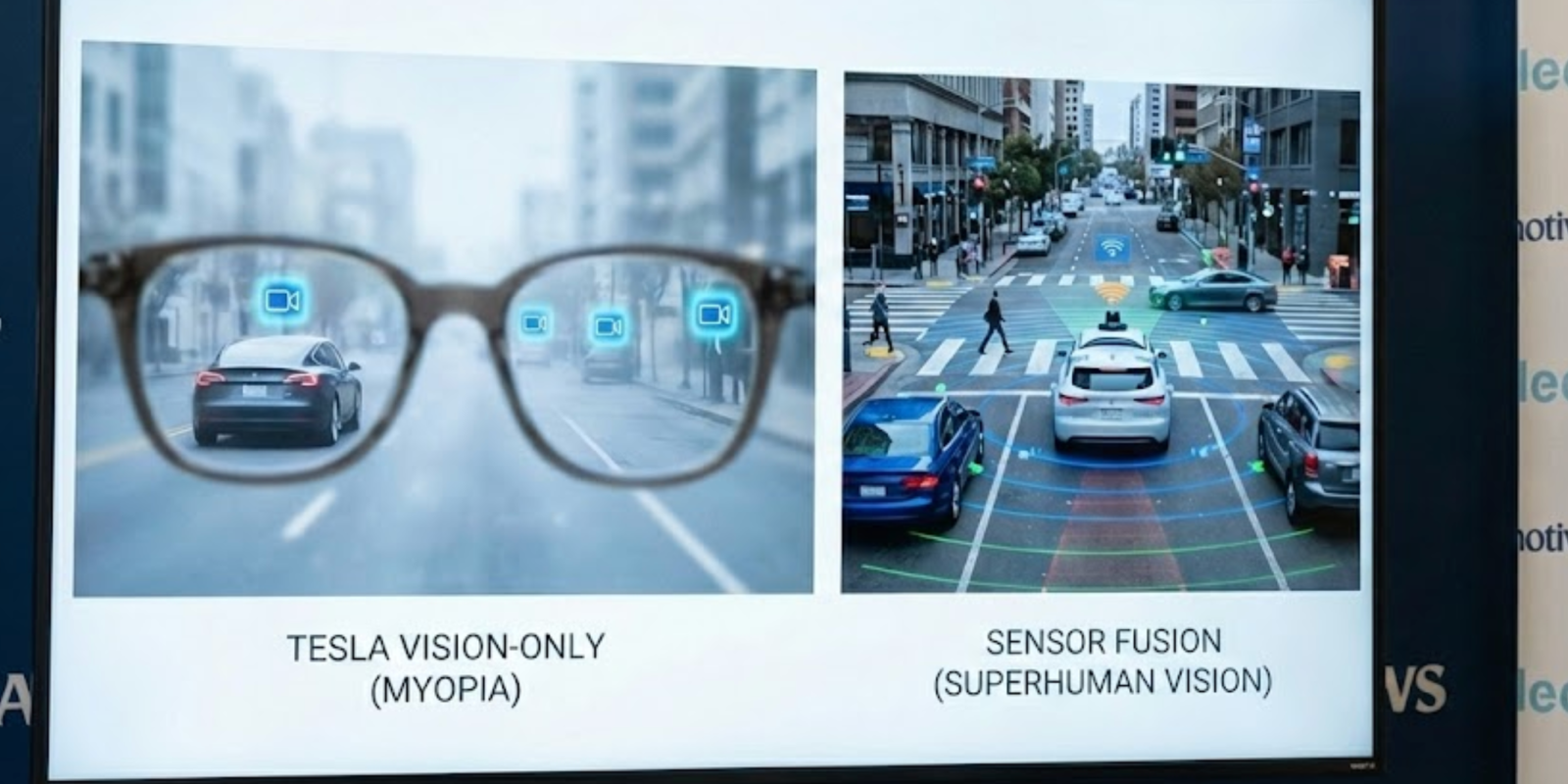
John Krafcik, the former CEO of Waymo, is doubling down on his criticism of Tesla’s self-driving strategy. In new comments, he is going after the hardware itself, specifically Tesla’s insistence on a “vision-only” approach.
One of the godfathers of autonomous driving argues that Tesla’s FSD has a “bad case of myopia.”
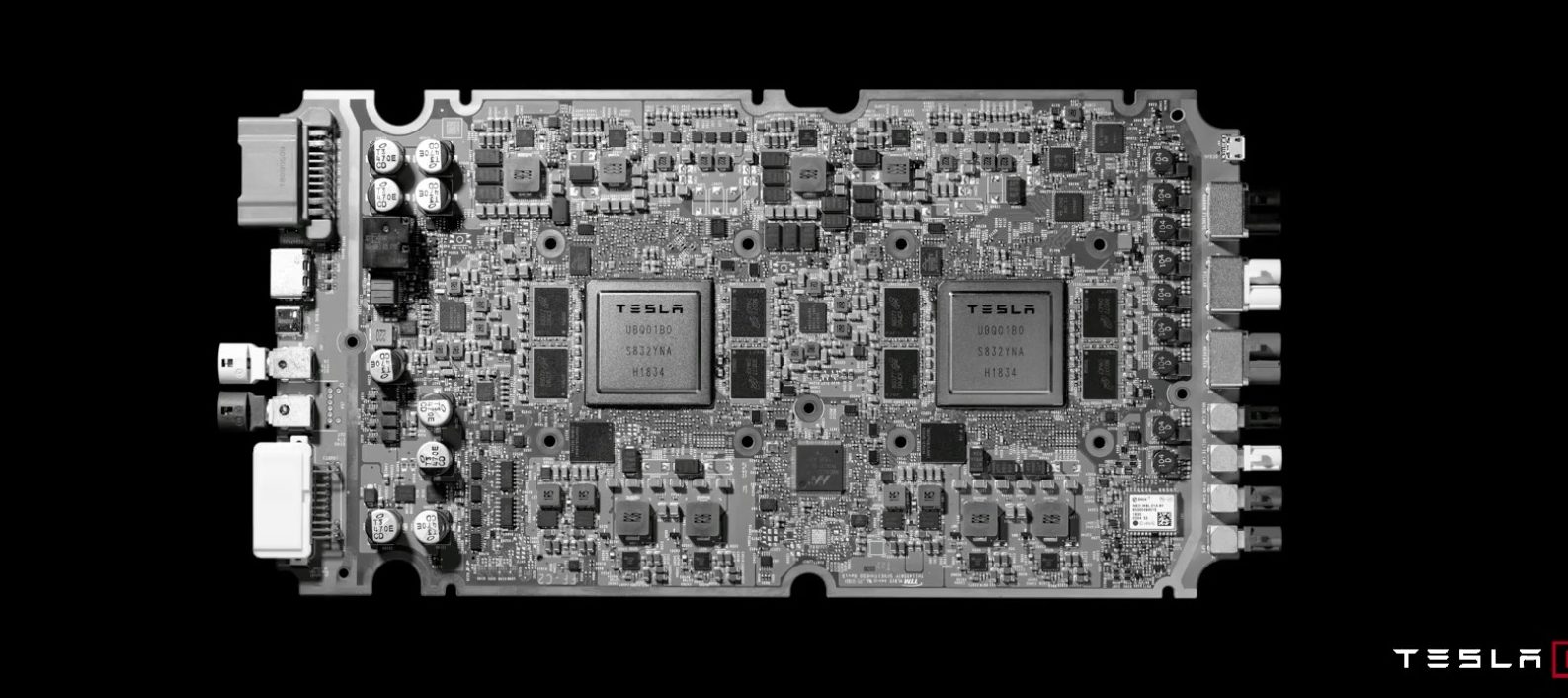
Elon Musk took to X today to announce that the design for Tesla’s next-generation self-driving computer, the AI5 chip, is “almost done” – 6 months after he announced that it was “finished.”
The CEO also made a wild claim about accelerating Tesla’s chip development to a 9-month cycle for future generations, starting with AI6.
In the Electrek Podcast, we discuss the most popular news in the world of sustainable transport and energy. In this week’s episode, we discuss Tesla to stop selling FSD, Canada and EU to slash Chinese EV tariffs, the battery that could change the world, and more.
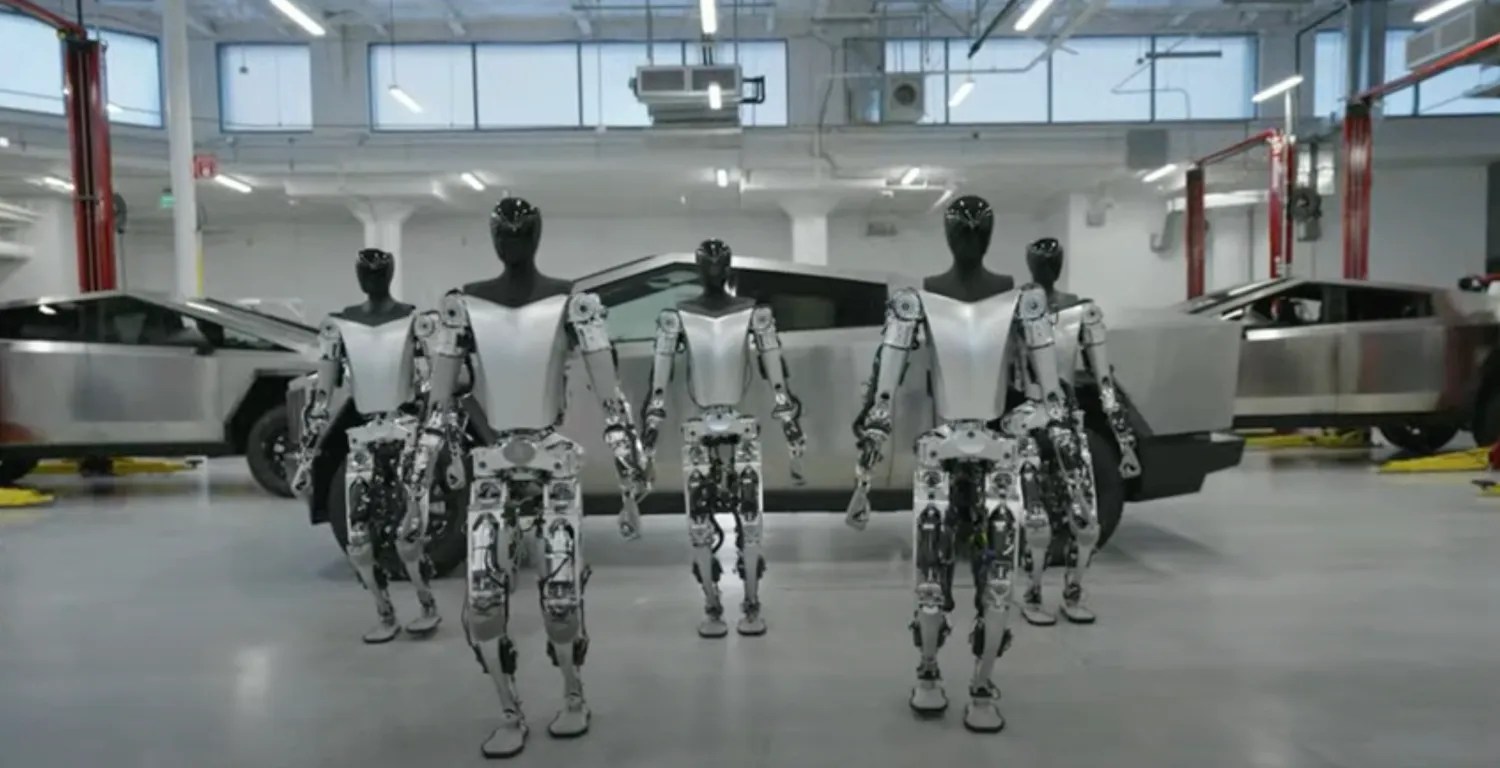
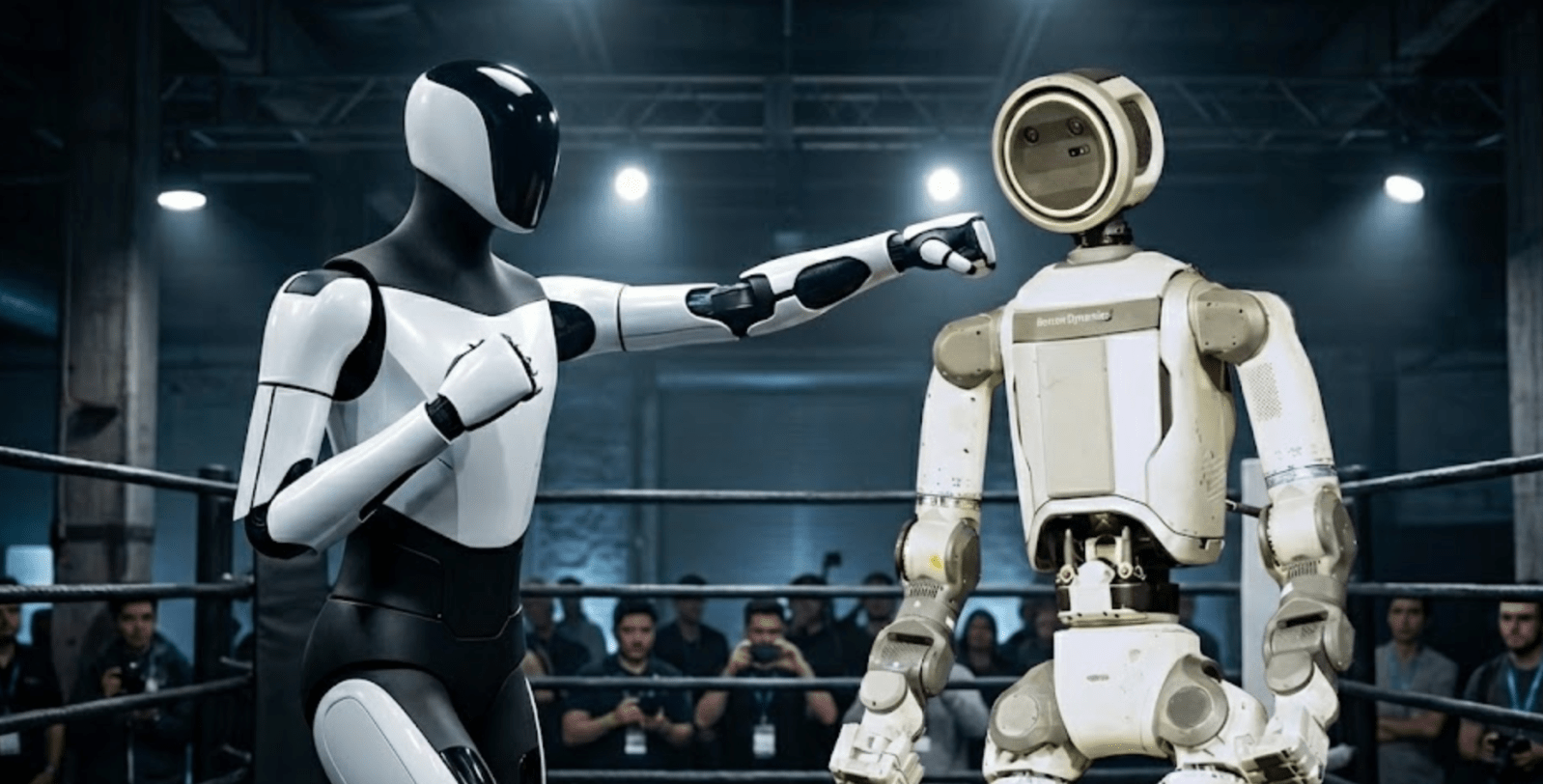
Hyundai’s Boston Dynamics has hired Milan Kovac, Tesla’s former senior vice president and head of the Optimus humanoid robot program, as a group adviser and outside director.
The move is a major blow to Tesla’s humanoid robot ambitions and a significant coup for Hyundai, which is clearly serious about dominating the nascent humanoid robot market.
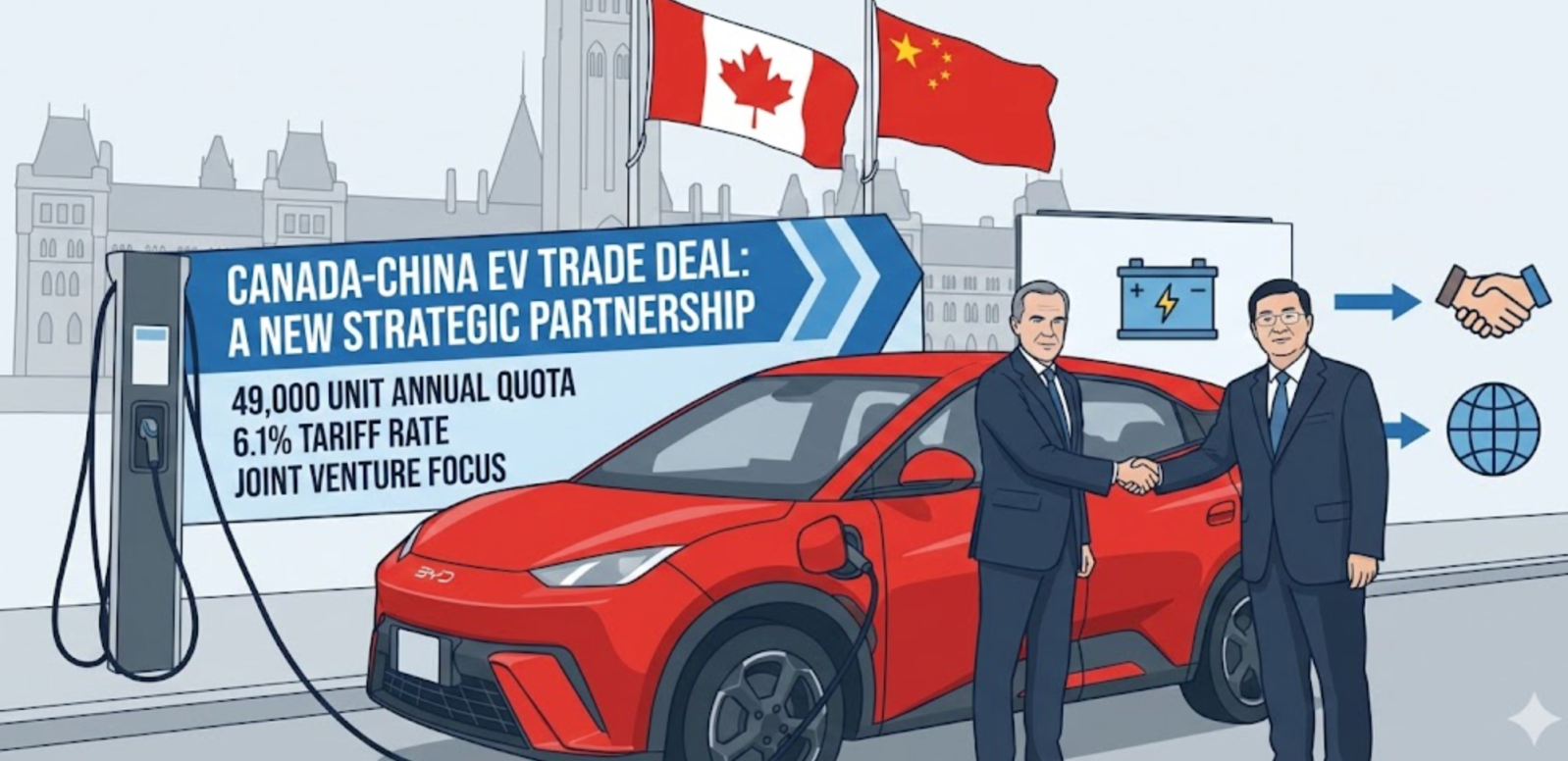
In a massive shift in North American trade policy, Prime Minister Mark Carney announced today a new “strategic partnership” with China that effectively reopens the Canadian border to Chinese electric vehicles.
The move marks a significant departure from the United States’ hardline protectionist stance and could bring affordable EV options like the BYD Seagull to Canadian roads as early as this year.
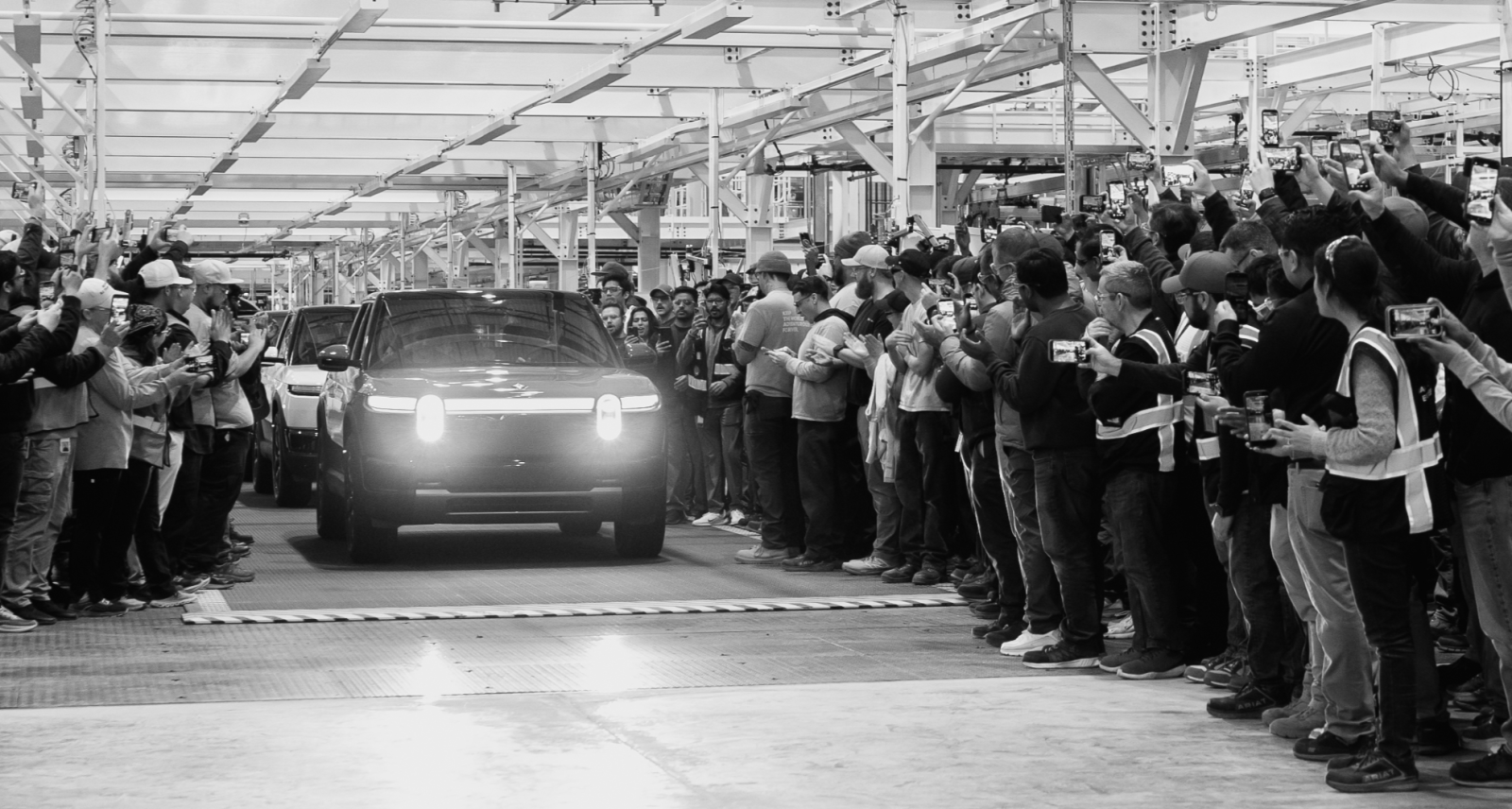
Rivian (RIVN) has officially started rolling out validation units of its highly anticipated R2 electric SUV from its factory in Normal, Illinois. CEO RJ Scaringe shared the news, confirming that the company is on track for customer deliveries in the first half of the year.
Tesla is reportedly offering discounts on unsold Model Y inventory in India as the automaker faces a “letdown” in the major auto market following its official launch last year.
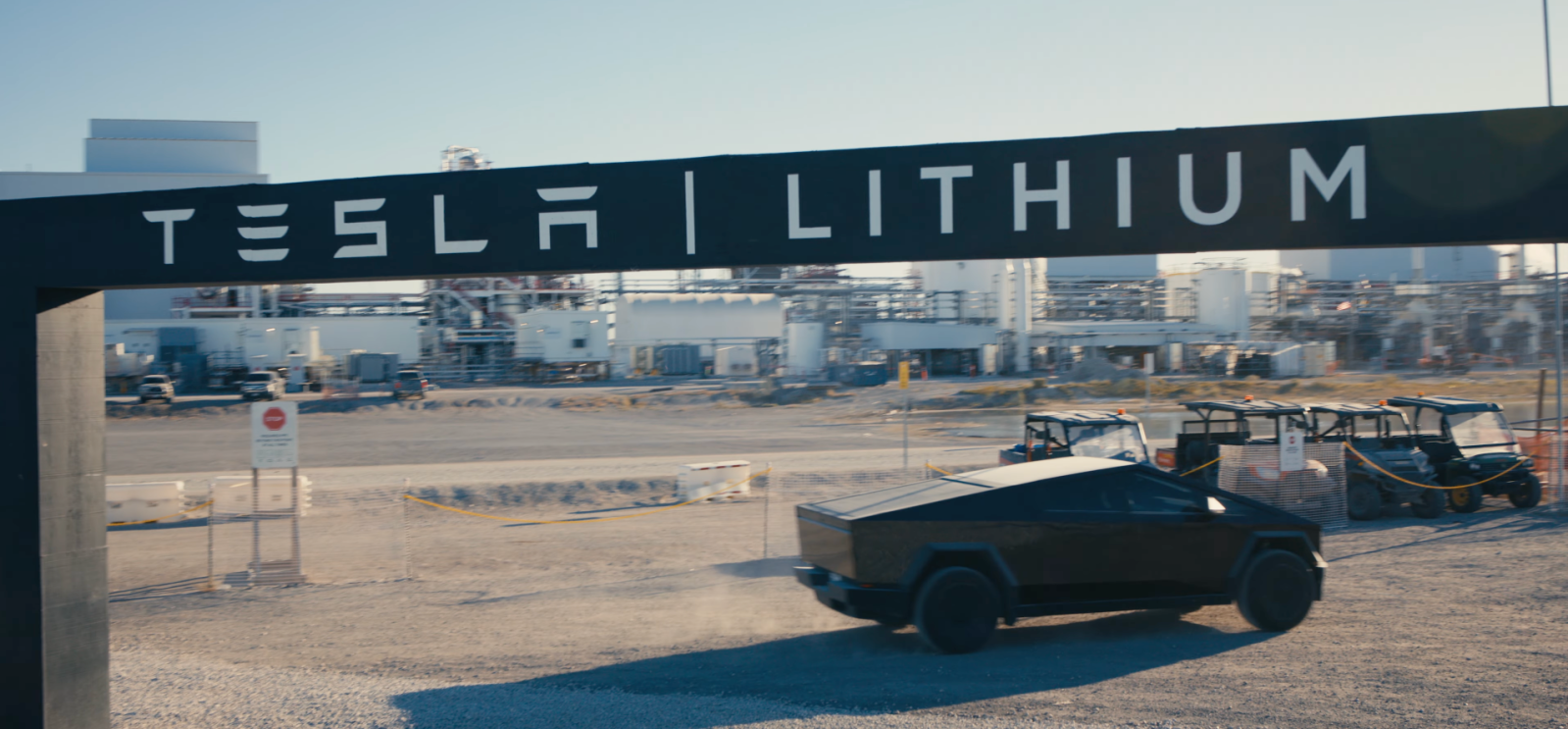
Tesla has released a new video giving us a closer look at its massive lithium refinery in Corpus Christi, Texas, and confirming that the facility has officially started production.
Donut Lab lit the EV and energy storage industry on fire last week with its announcement of a 400 Wh/kg solid-state battery cell that can last for 100 years. At face value, if true, we are looking at the single most disruptive announcement in the history of the electric vehicle industry and energy storage as a whole.
We aren’t just talking about a better motorcycle battery. If the claims of a 5-minute charge, 100,000-cycle life, and ~400 Wh/kg energy density are accurate and scalable, as Donut Lab claims, this is the holy grail of energy storage.
Battery breakthrough announcements generally don’t catch fire like this, but Donut Lab’s did because it said that the cell was already in production and will be in a production vehicle, Verge’s electric motorcycle, this quarter. It gave credibility to the claim, pushing everyone to report on it.
Now, we have interviewed Donut Lab’s CEO and investigated the technology. At this point, it looks like either this battery changes the world within the next 3 months, or it will make the CEO look like a fool. In this article, we discuss the impact of the battery, whether real or not, as well as clues about the secret sauce behind its chemistry.
Tesla is officially killing the option to purchase its Full Self-Driving (FSD) package upfront. CEO Elon Musk announced today that the automaker will stop selling FSD as a one-time option and will instead only offer it as a monthly subscription.
It marks a massive shift in Tesla’s strategy for the software, which Musk has famously claimed for years would become an “appreciating asset.”
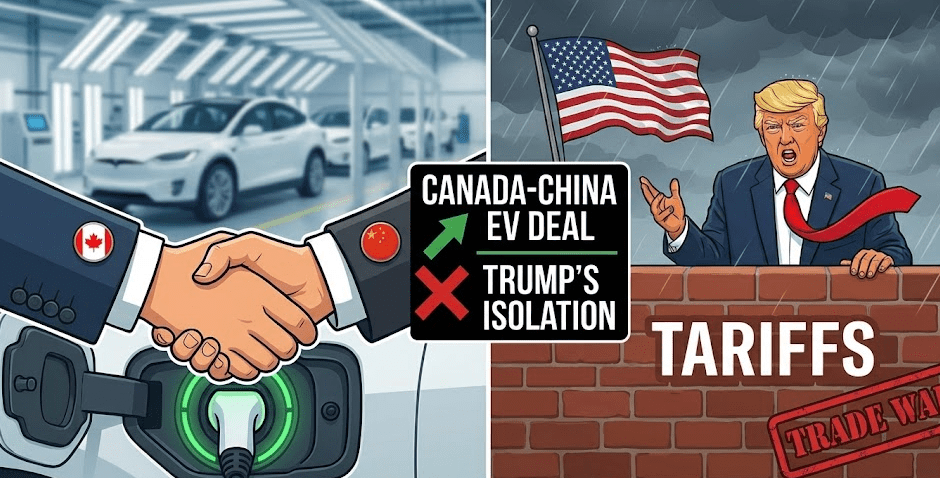
As a potential reversal of a significant policy implemented just over a year ago, the Canadian government is reportedly in advanced talks with China to remove or significantly reduce the 100% tariffs on Chinese electric vehicles.
The reversal comes as Prime Minister Mark Carney looks to stabilize trade relations with Beijing while navigating an increasingly hostile trade war initiated by the Trump administration against… well, everyone.
The Tesla Cybertruck program is in shambles. The latest data indicate production is running at roughly 10% of its planned capacity. Meanwhile, the Ford F150 Lightning outsold the Tesla Cybertruck in 2025 and was then canceled for not selling enough.
Tesla has granted Tom Zhu, its Senior Vice President of Automotive and one of the most critical executives at the company, a massive new stock option package covering over $226 million worth of shares.
After months of anticipation and a few teasers, Tesla has officially launched the Model Y 7-seater in the US, along with a suite of small new features for the electric SUV.
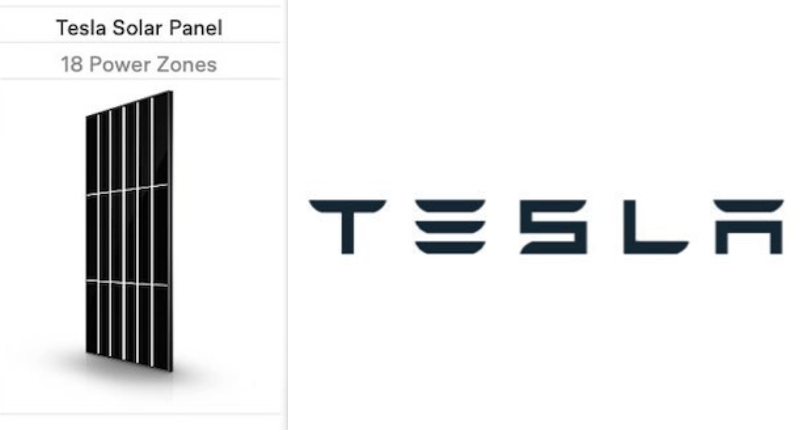
Tesla has updated its online configurator with a new solar panel heavily emphasizing its US manufacturing at Gigafactory New York. It’s a surprising new product launch for a business that Tesla has seemingly been dismantling for the last two years.
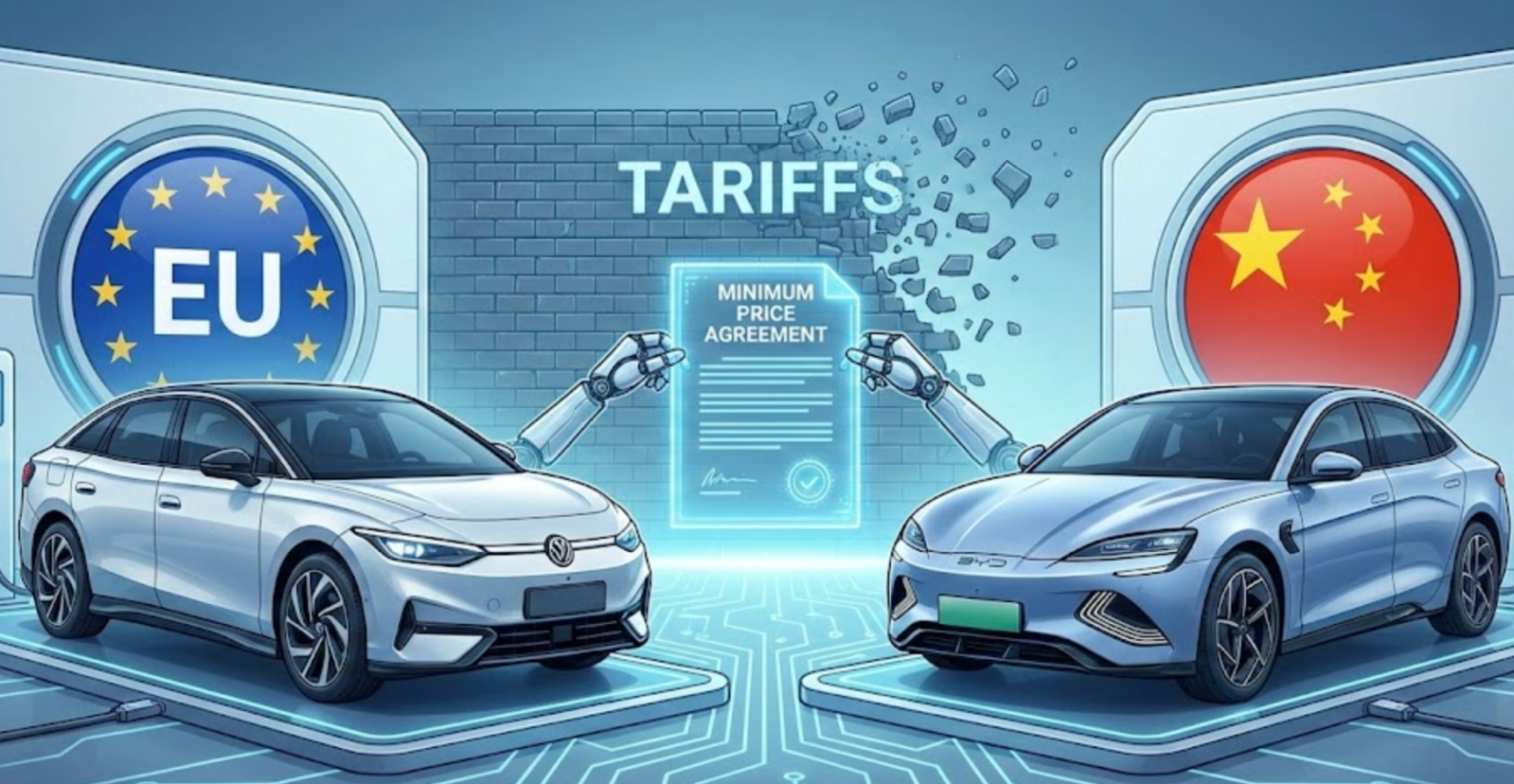
After months of back-and-forth and the looming threat of a full-blown trade war, the European Union and China are reportedly nearing a deal that would replace the EU’s controversial tariffs on Chinese electric vehicles with a minimum price undertaking.
It looks like sanity might prevail, or at least, a “soft landing.”
In the Electrek Podcast, we discuss the most popular news in the world of sustainable transport and energy. In this week’s episode, we discuss a battery holy grail too good to be true, NVIDIA open sourcing self-driving, Tesla Model Y ‘Standard’ Long Range, and more.
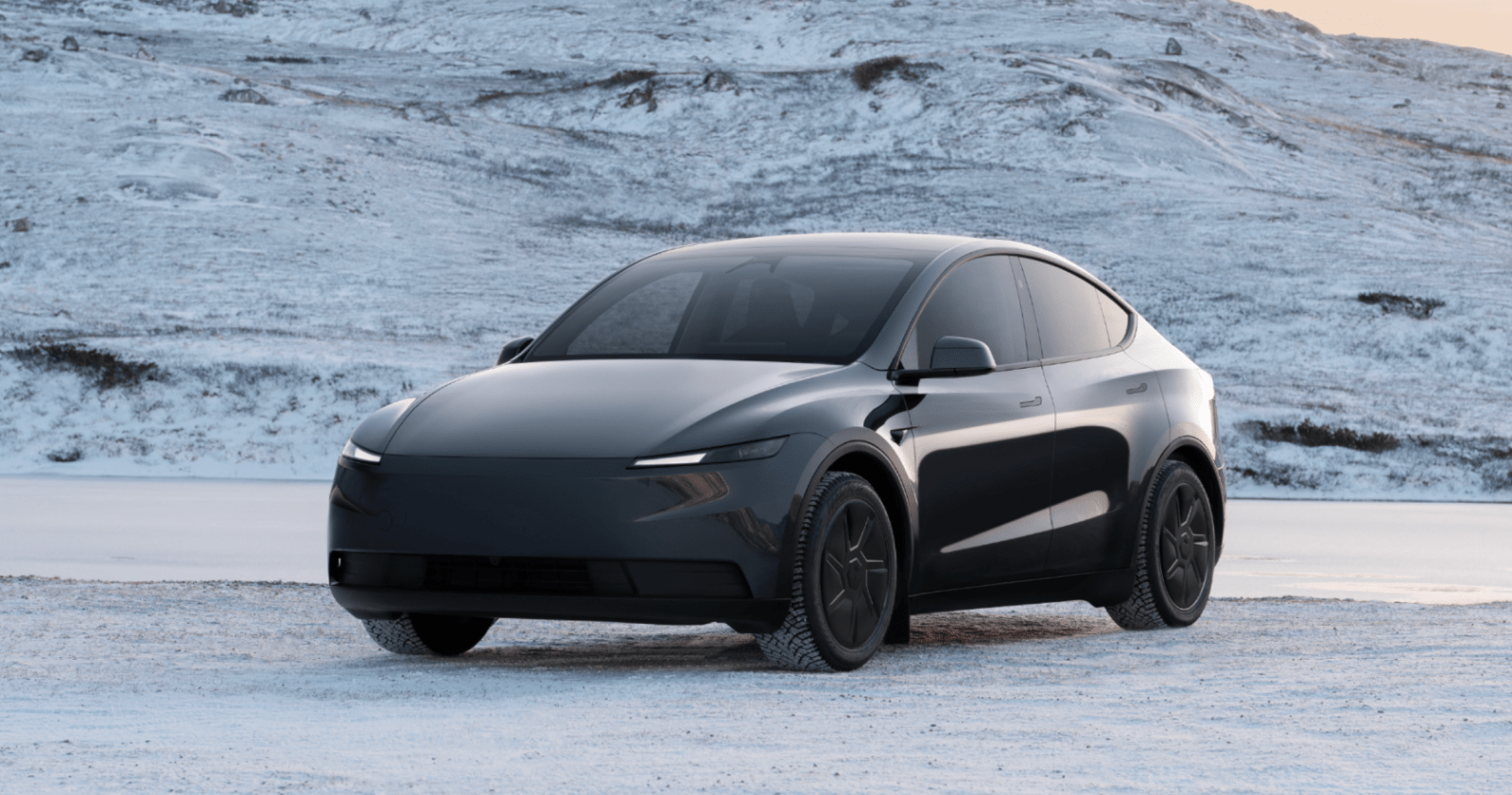
Tesla has launched a new “Standard” Model Y Long Range in Europe and a non-long range version in Canada, bringing another more affordable version of its best-selling electric SUV to these markets.
The simultaneous launch in the two markets separated by an ocean is due to Model Y vehicles in Canada actually coming from Europe.
Tesla’s trim name-scheming is starting to get a bit complicated.
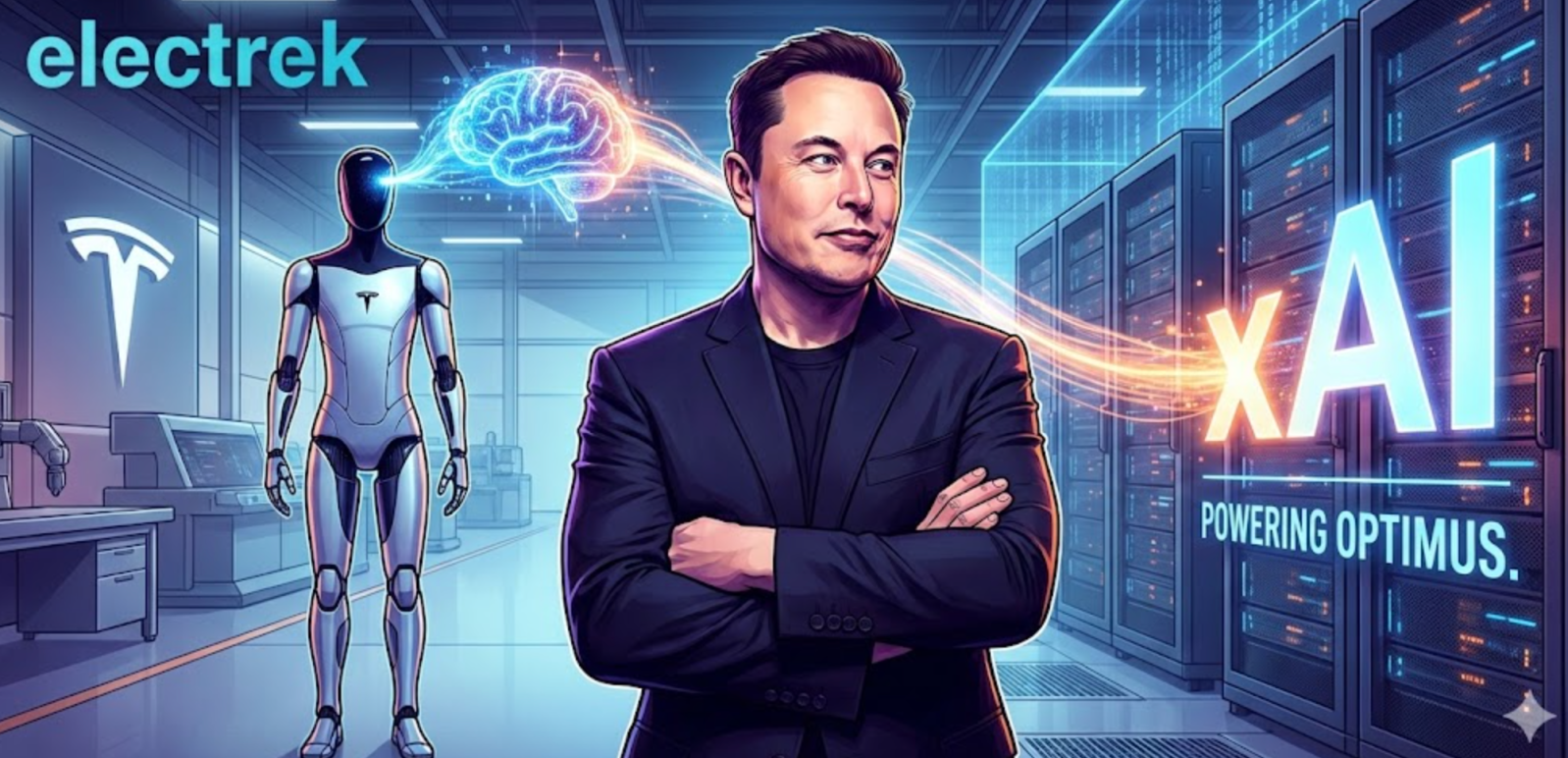
In a move that completely undermines the “Tesla is an AI company” narrative, Elon Musk’s private startup, xAI, has reportedly told investors that it plans to build the AI to power Tesla’s Optimus robot.
This new development comes from a Bloomberg report detailing xAI’s widening losses and massive cash burn. According to the report, xAI executives explicitly told investors that their goal is to “develop self-sufficient AI to power robots like Tesla’s Optimus.”
This is a massive shift in the narrative and potentially the smoking gun in ongoing shareholder lawsuits regarding Musk’s breach of fiduciary duty.
Is Tesla preparing to pull the plug on domestic production in Germany? It might sound crazy for a factory that just opened a few years ago, but when you look at the abysmal sales numbers in Europe and combine them with the latest threats from management against the union, the writing might be on the wall.
For months, we have been reporting on the demand issues Tesla is facing in Europe. Now, the situation has deteriorated to a point where the existence of Gigafactory Berlin itself seems to be in question.
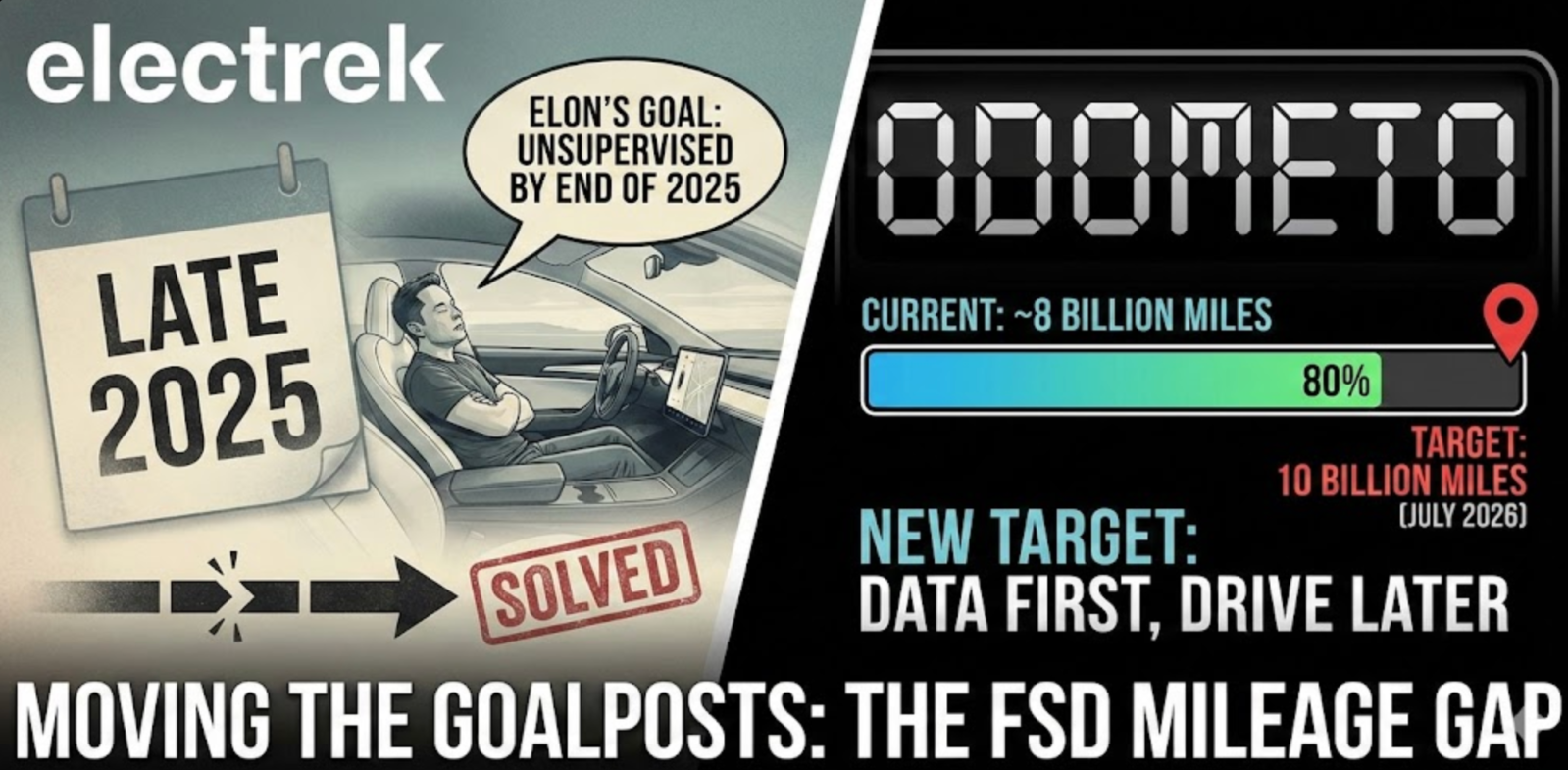
We are barely a week into 2026, and we are already seeing a significant shift in the narrative regarding Tesla’s Full Self-Driving (FSD) timeline. After missing yet another high-profile deadline to achieve unsupervised autonomy by the “end of the year” in 2025, Elon Musk has now dropped a new metric that explains a lot — and raises even more questions.
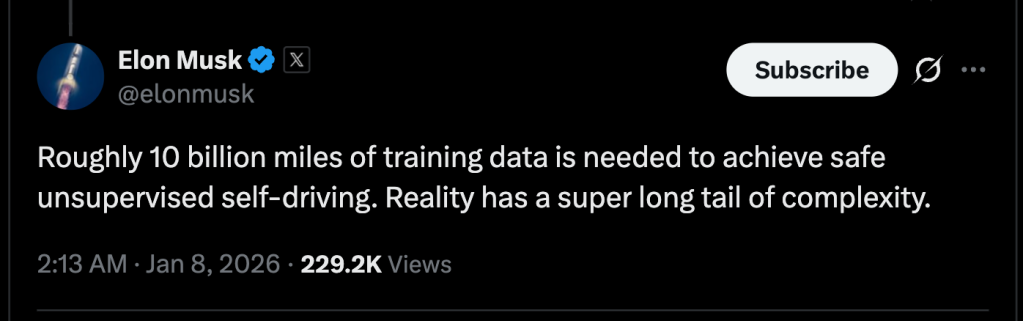
In a new comment today, Musk has stated that Tesla needs to accumulate roughly 10 billion miles of data to achieve “safe unsupervised self-driving.”
The new statement raises the question: why did Musk claim that Tesla would be unsupervised in Austin just a few weeks ago, when he knew that Tesla was nowhere near 10 billion miles?
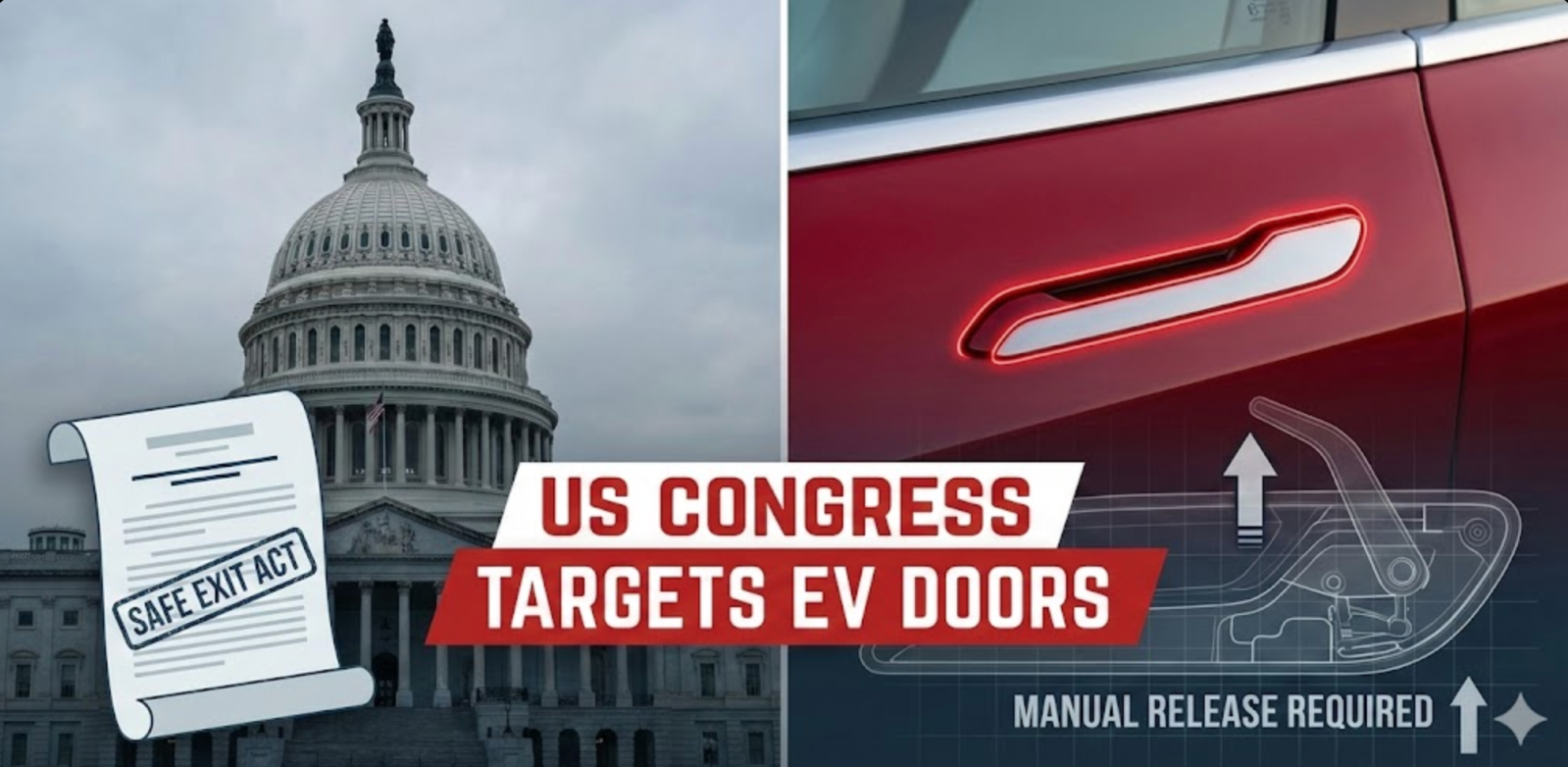
A new bill has been introduced in the US House of Representatives today that specifically targets the design of electric vehicle door handles, with the sponsor explicitly calling out Tesla and Elon Musk.
The bill, dubbed the “Securing Accessible Functional Emergency (SAFE) Exit Act,” aims to force automakers to install easy-to-find manual releases in case of power failure.
CES 2026 in Las Vegas has been dominated by two things: the next generation of AI compute and a sudden explosion of credible humanoid robots.
While Tesla isn’t officially exhibiting on the floor, Elon Musk has been actively monitoring the event from X. His reactions, and lack thereof, to the major announcements give us a fascinating look into how Tesla views the rapidly crowding field of autonomy.
Musk was quick to comment on NVIDIA’s major push into embedded AI for autonomous systems, but he has been noticeably quiet regarding the masterclass put on by Hyundai and Boston Dynamics.
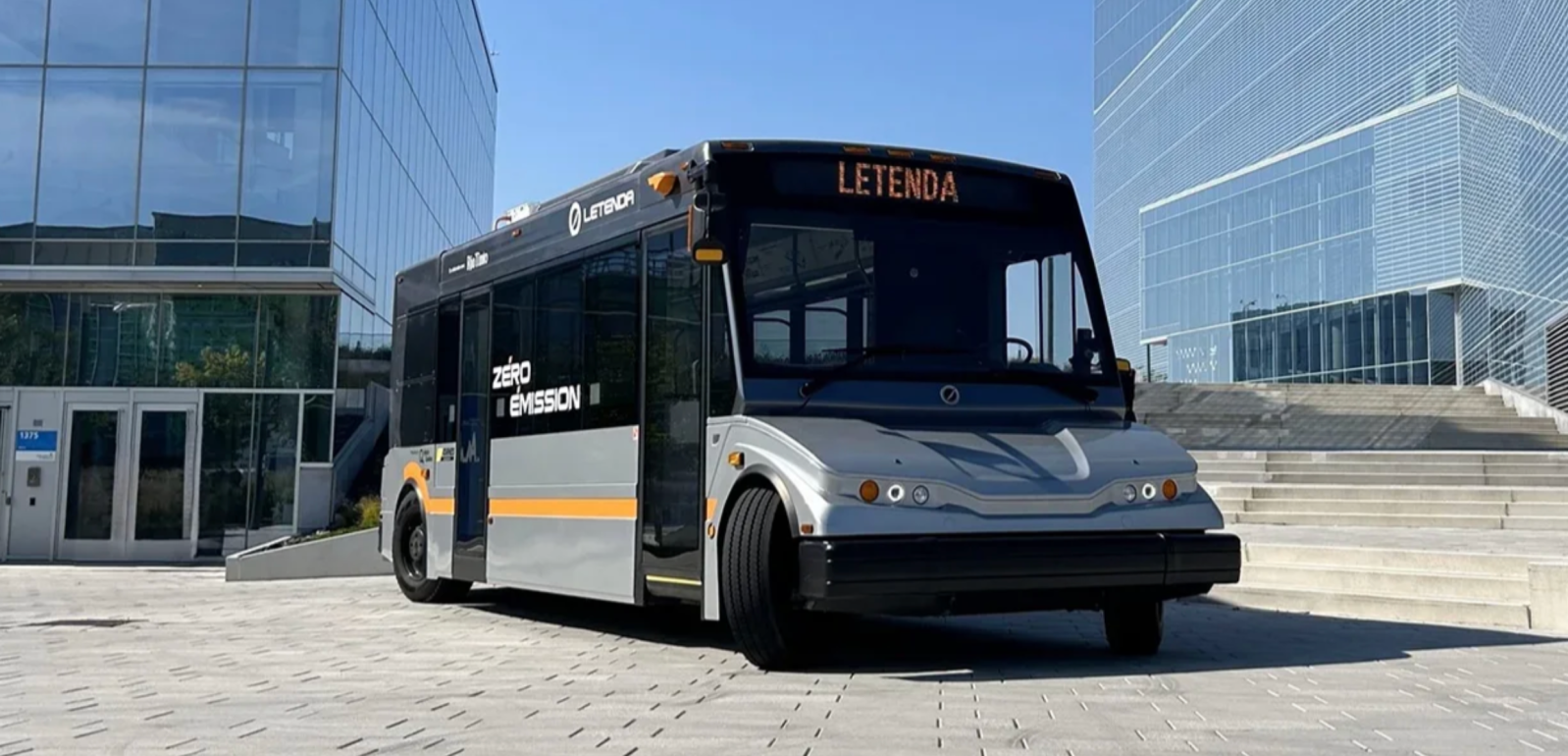
A new player in the electric transit space, Quebec-based Letenda, is trying to solve a problem that has plagued the transition to electric buses in North America: the “missing middle.” While we have seen plenty of full-size 40-foot electric buses and smaller shuttles, the 30-foot “midibus” market has been largely underserved.
Letenda thinks they have the answer with the “Electrip,” a ground-up design that focuses heavily on winter efficiency and a modular build.