
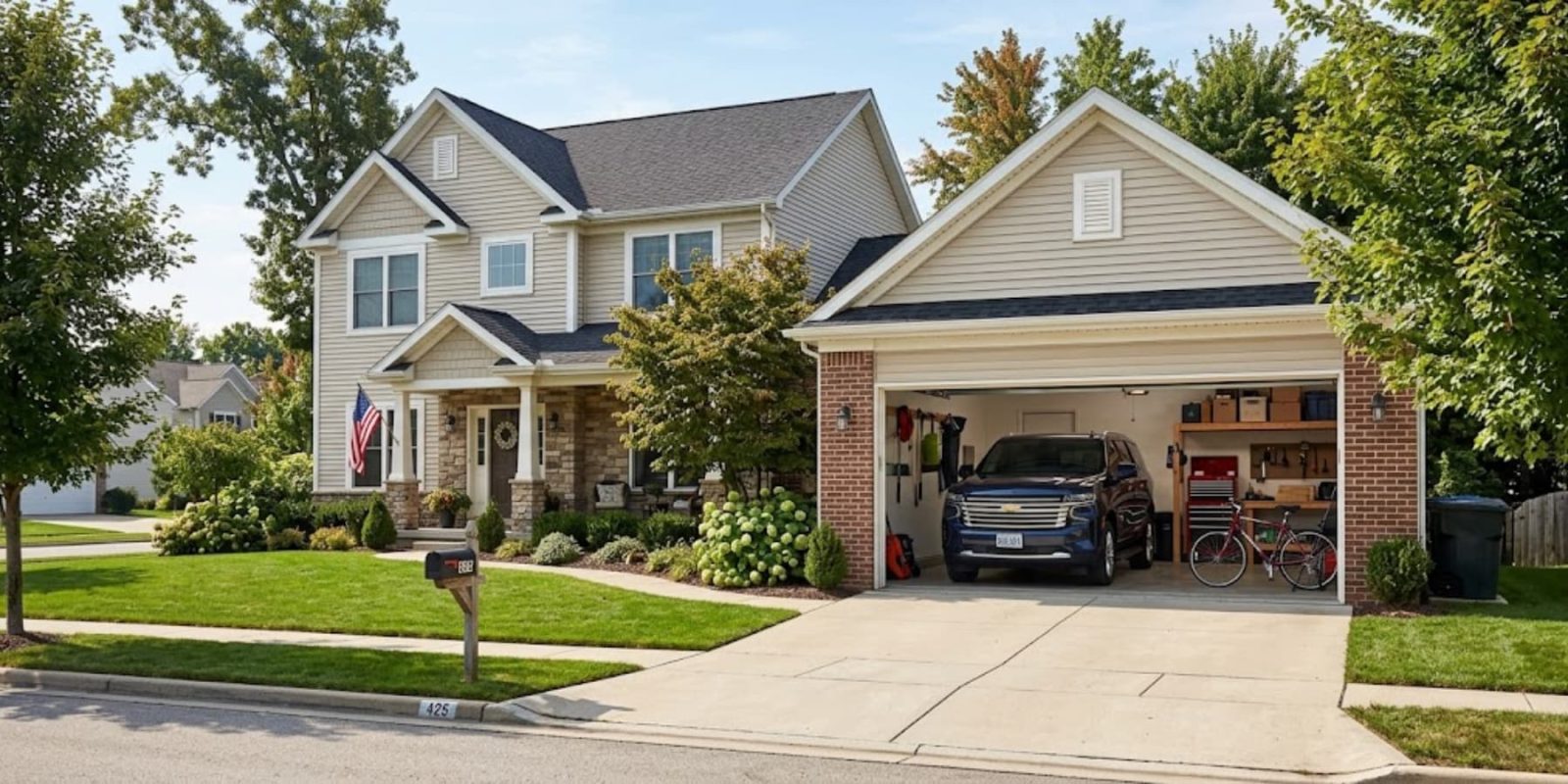
Being a one-car family works great right up until the moment two people need to be in two different places. Maybe your spouse took the car to work, but you need to grab groceries. Maybe you’ve got to pick up a kid from daycare. Perhaps you’re meeting a friend for coffee, heading to the gym, or just running some mundane errand that happens to require going a few miles across town.
Those are the moments when a second car starts sounding awfully convenient.
But before dropping $20,000, $30,000, or considerably more on another automobile, I’d suggest asking a slightly different question: Does your family actually need a second car, or does it simply need a second vehicle?
Because those aren’t necessarily the same thing.
Most “second car” trips don’t need a car
As nice as the car-free lifestyle sounds, it doesn’t work for a lot of people. And while it’s common for most American households to own multiple cars, that’s also not necessarily as much of a requirement as some might have thought.
Think about the trips that second car would actually make.
Sure, maybe there would occasionally be another highway trip or a run to IKEA. But chances are, a lot of those trips would be short hops around town with one person aboard. Maybe two. The first car usually doesn’t the family’s heavy lifting, so to speak, making a second car more of a backup for many people.
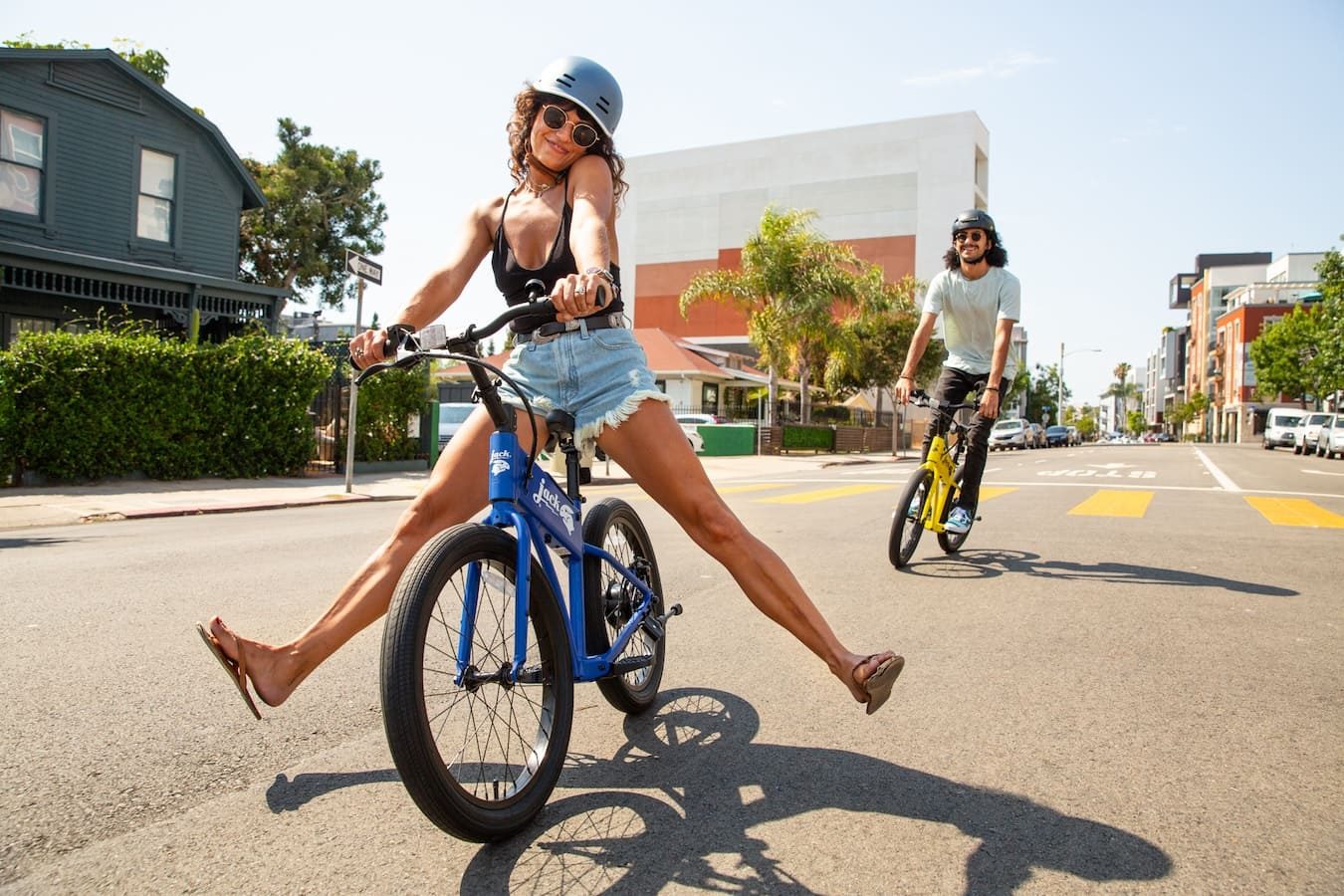
That’s exactly the type of transportation that electric two-wheelers are incredibly good at.
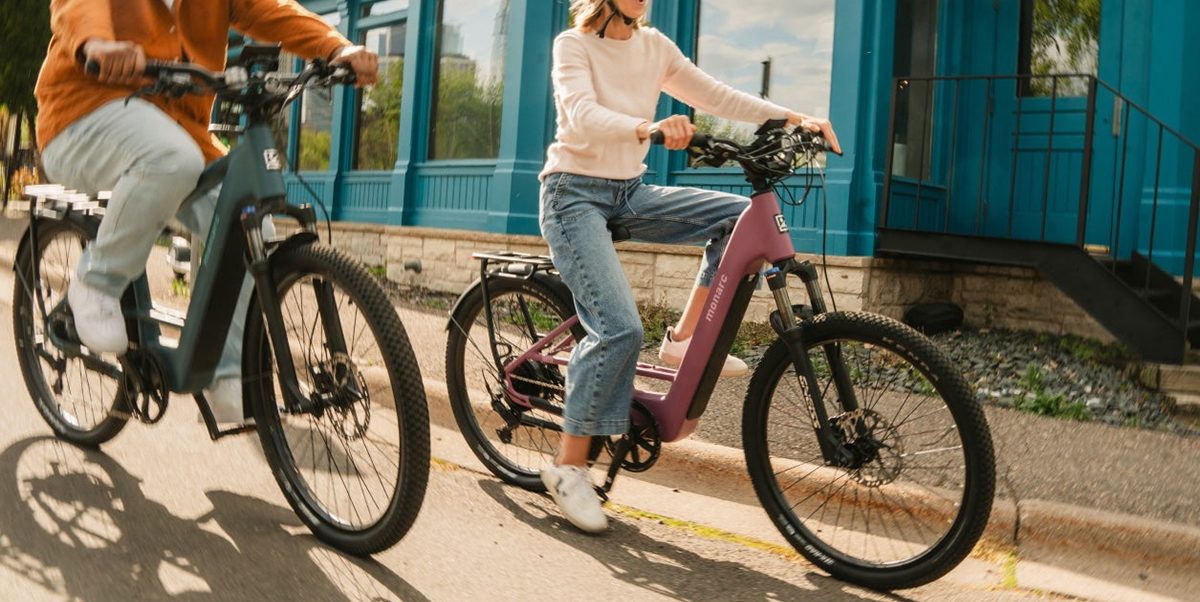
The simplest option could be a basic multi-role e-bike. These days, $1,000 or so can buy a surprisingly capable electric bicycle like a Lectric XP4 with enough range for several days of typical errands. Throw a rack and some panniers on the back and you’ve got grocery-hauling capability, too.
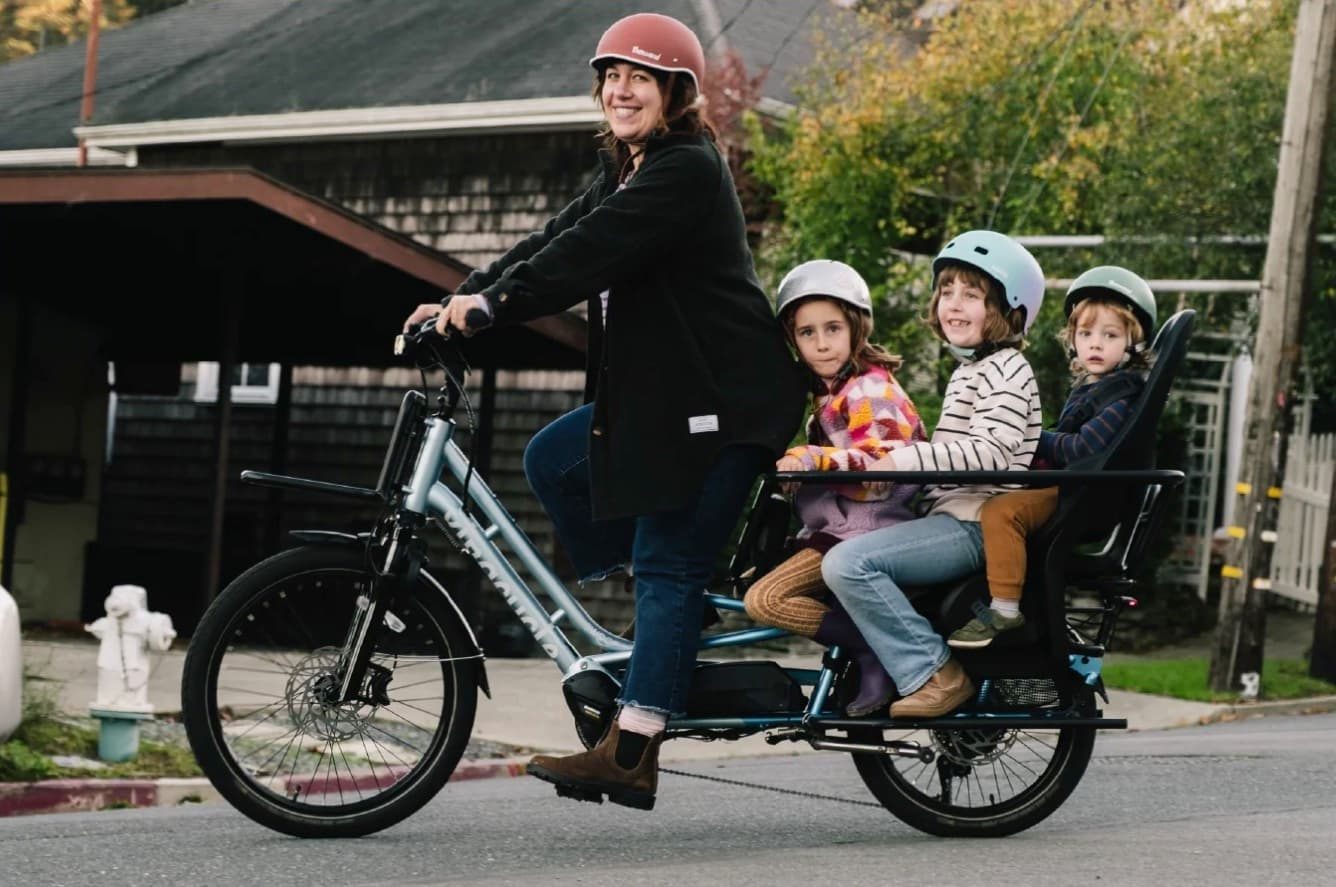
Need to carry kids? That’s where cargo e-bikes shine. Long-tail models can carry one, two or sometimes even three children on the back, while front-loader cargo bikes can haul kids, groceries, backpacks, and all the random junk that somehow accompanies parenthood.
If you don’t need the bicycle part at all, there are even more options. A standing electric scooter can be a wonderfully compact second vehicle for short solo trips, especially if storage space is tight.
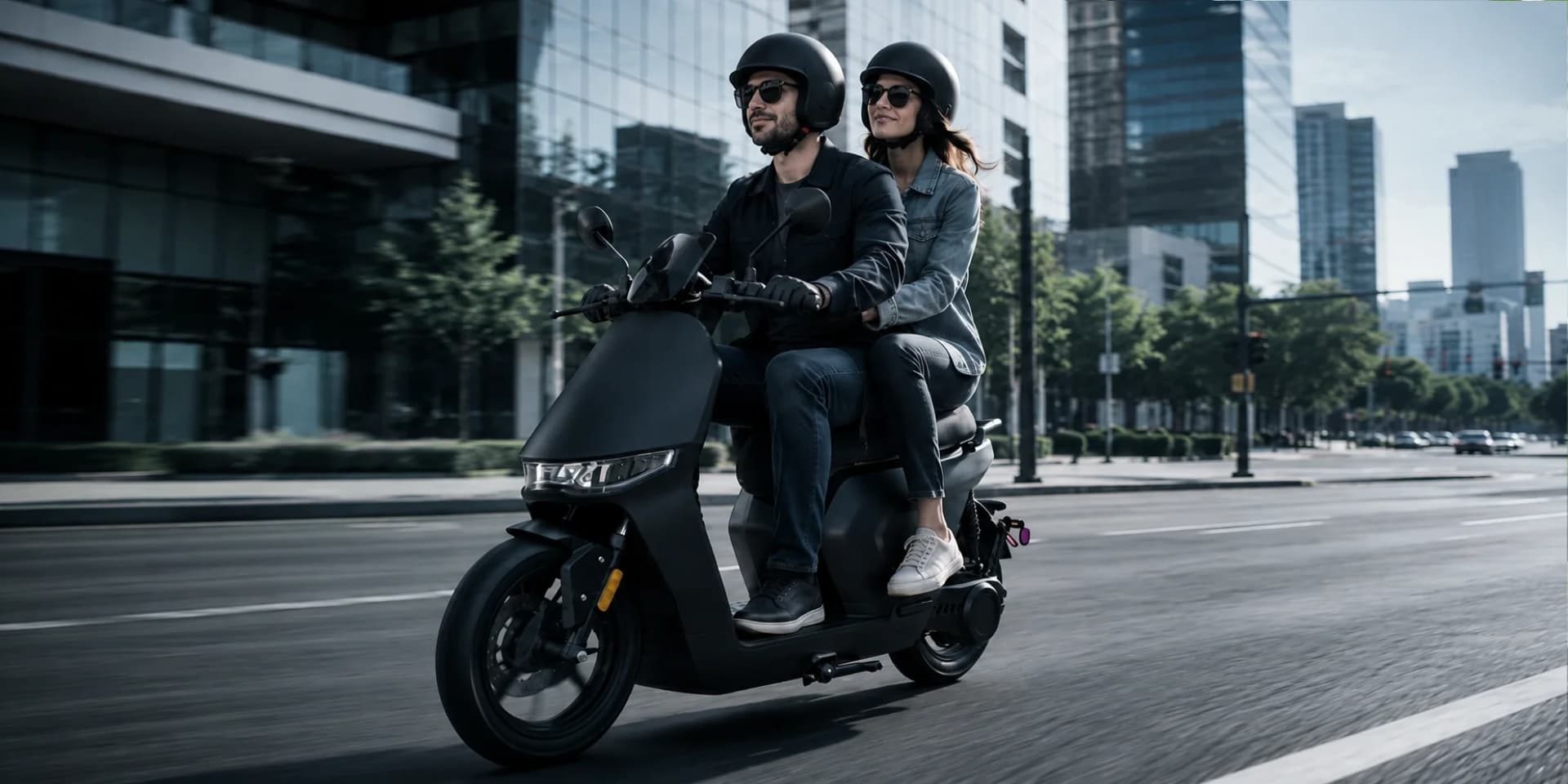
And if you want something more substantial, a seated Vespa-style electric scooter can give you higher speeds, more storage, and often room for a passenger while still being far cheaper and easier to park than another car. Depending on the vehicle and where you live, licensing, registration, and insurance requirements may apply, of course.
The point isn’t that everyone should buy an e-bike. It’s that there’s a huge spectrum of transportation between “walking” and “buy another 4,000-pound automobile.”
The math gets interesting quickly
A $2,000 e-bike can seem expensive compared to the $200 bicycle you might remember riding years ago. But compare it to a car, and suddenly it looks almost comically cheap.
Buying that second car is only the beginning. There’s insurance, registration, maintenance, tires, fuel or electricity, parking in some cities, and eventually repairs. And all the while, that vehicle is depreciating.
Even splurging on a really nice $4,000 or $5,000 cargo e-bike can make financial sense if the alternative is purchasing and maintaining another car for years. It’s not that e-bikes have zero upkeep costs, but their maintenance is an order of magnitude lower than that of cars, and their fuel costs are several orders of magnitude lower.
And if you’re already thinking that this might not be for you, then consider what I’d consider the most important part: Your electric two-wheeler doesn’t have to replace every trip that second car could theoretically make.
It just has to replace enough of them that you no longer need to own the second car.
That’s a much lower bar, and one that I think fits a lot more families than it might appear at first.
Keep the car for car things
I’m not suggesting that every family sell its cars and pedal off into the sunset.
Cars are incredibly useful. If you’ve got a family road trip, terrible weather, a huge grocery haul, several passengers, or a 30 mile (50 km) highway commute, take the car. That’s what it’s there for.
The beauty of the one-car-plus-an-e-bike setup is that you don’t have to force the e-bike into situations where it doesn’t make sense.
Instead, when one person has the car and the other just needs to go ten to fifteen minutes away to pick up a kid, buy some groceries, get to a yoga class, or meet someone for lunch, you’ve still got independent transportation.
In many cities, that smaller vehicle can actually be more convenient. There’s less time sitting in traffic, parking becomes a non-issue, and operating costs are measured in pennies rather than dollars.
And frankly, if you ask me, it can be more fun. I’d rather ride an e-bike across town on a nice afternoon than sit in another metal box staring at the bumper in front of me. There’s something so demoralizing about sitting in traffic and just staring at a motionless line of cars. But on an e-bike, traffic simply doesn’t matter anymore. I’ve traveled much of this world, and I’ve yet to see a bicycle traffic jam, even in cycling-centric countries like the Netherlands or scooter-heavy countries like China and Taiwan. When vehicles are right-sized, they flow like water instead of getting stuck like bricks.
Obviously, this won’t work for everyone. Local cycling infrastructure matters probably more than anything; people need to feel safe while riding. Weather is also important, though suffice it to say that in most areas where people think the weather doesn’t permit cycling, there are still plenty of people who prove that misconception wrong. Then there’s trip distance, theft risk, physical ability, child-carrying needs, and local regulations that can all change the equation dramatically.
But if you’re a one-car household that’s almost making it work, I’d think carefully before solving those occasional transportation conflicts by simply buying another car.
Don’t ask whether an e-bike can replace a car – that car-free dream doesn’t fit everyone, or even most families in the West. Instead, ask whether an e-bike, cargo bike, or electric scooter can replace the trips your family would have made with your second car.
You might still need that first family car for everything cars do best.
But the second vehicle in your driveway doesn’t necessarily need four wheels.


FTC: We use income earning auto affiliate links. More.


Comments