
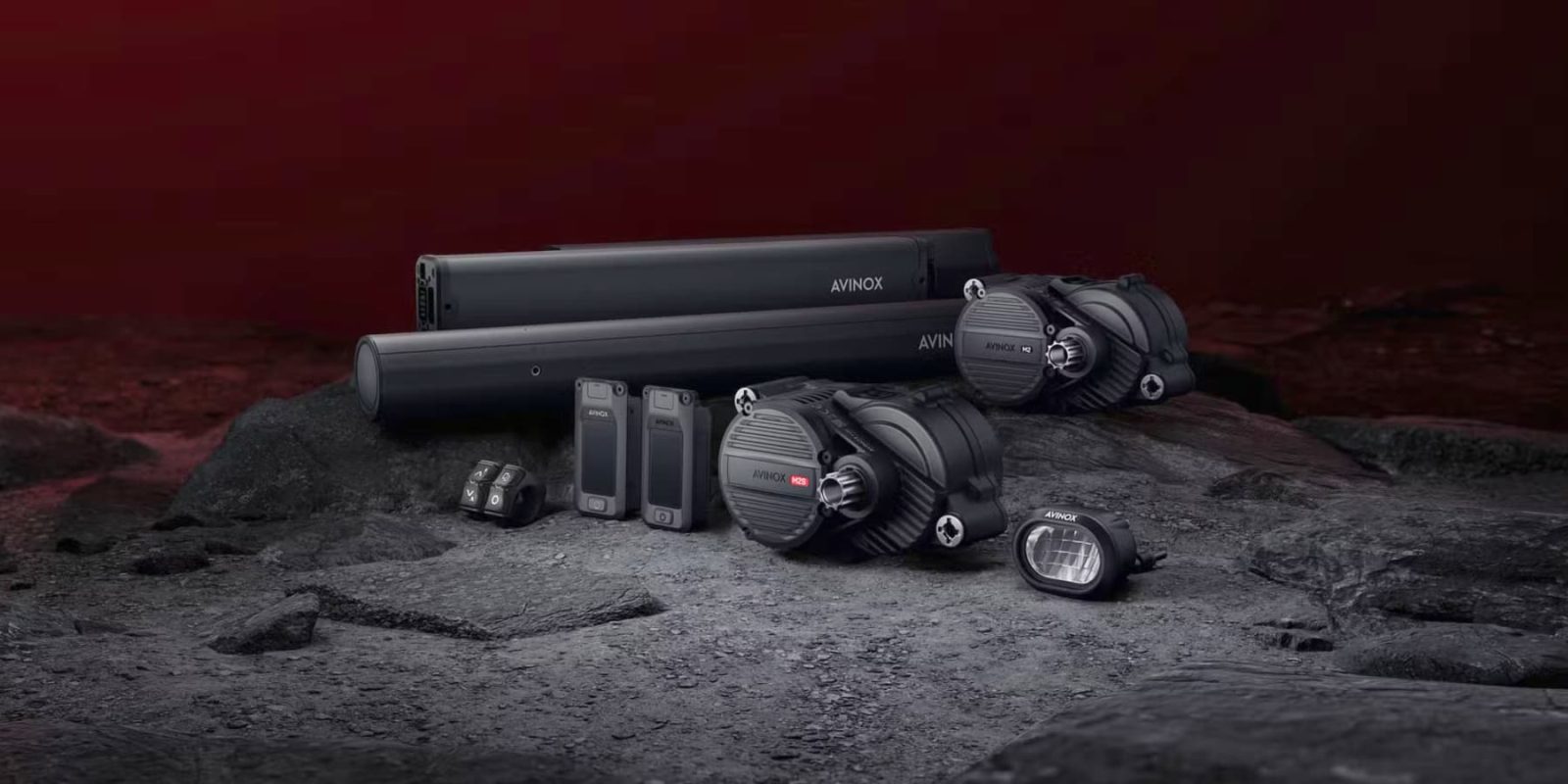
DJI’s Avinox e-bike drive system has quickly become one of the most talked-about names in the high-performance electric mountain bike industry, largely because of one headline-grabbing fact: the thing is absurdly powerful.
Now the company is trying to explain why.
In a lengthy statement released today titled “Power with Purpose,” Avinox defended its philosophy behind building ultra-high-output eMTB drive systems that can produce up to 1,500 watts of peak power and 150 Nm of torque in boost mode. Those figures significantly exceed what’s typical in the mainstream eMTB industry, where many premium mid-drive systems from brands like Bosch, Shimano, Brose, and Yamaha generally operate closer to 600-850W peak power and 85-100 Nm of torque.
For context, the legal limit for electric bicycle motor power is usually between 250-750W, depending on the country, though there is some debate regarding how this power is measured and reported.
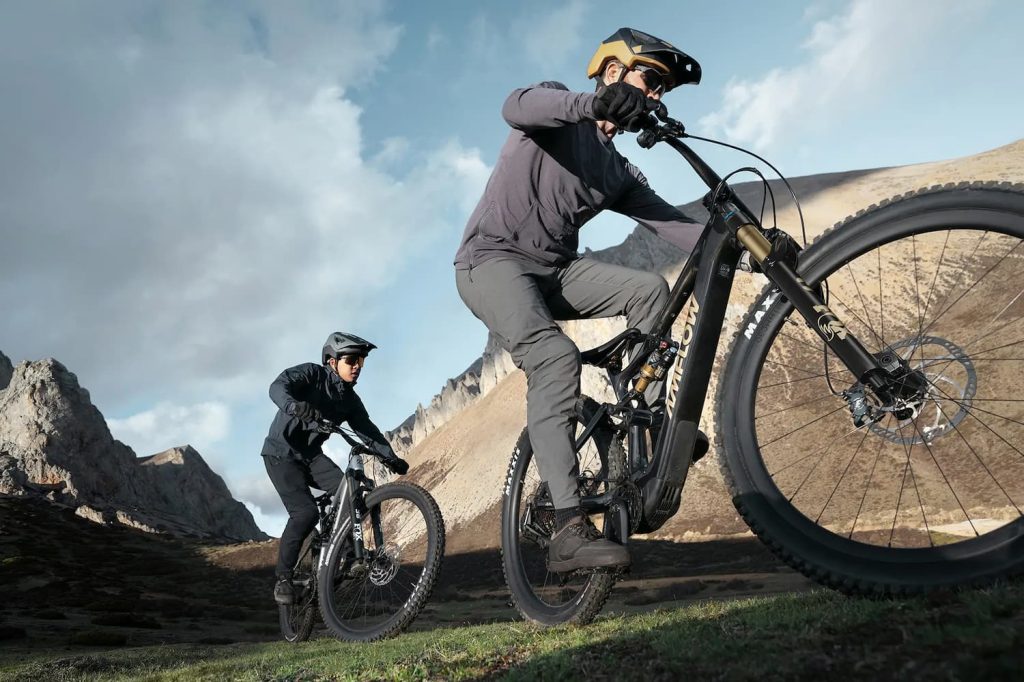
The reaction from the cycling world has been mixed since Avinox launched. Some riders have praised the high-power system for making steep climbs and technical terrain dramatically easier, while critics worry that increasingly powerful e-bikes could blur the line between bicycles and lightweight electric motorcycles. This is especially worrisome in the eMTB community, where most electric bicycles have been of a more ‘pure’ form, largely mimicking pedal mountain bikes yet with reasonable assist. This stands in stark contrast to the more street- and recreational-oriented e-bike industry, where electric models have become increasingly powerful in recent years, evolving far beyond the realm of merely reasonably assisted bicycles.
Avinox’s argument is essentially that people are focusing on the wrong metric.
“Power is about capability, not speed,” the company wrote. “Speed is what ultimately determines safety risk. Power is the force that helps riders accelerate, especially at low speeds and in demanding situations such as steep climbs, technical ascents, and navigation around obstacles.”
The company repeatedly emphasized that its systems still comply with regional e-bike speed regulations and argued that additional power can actually improve safety by helping riders maintain control and momentum on difficult terrain.
Avinox also framed higher-powered systems as an accessibility issue. The company pointed to heavier riders, riders with disabilities, older riders, and cargo-hauling applications as examples where additional power may be beneficial or even necessary.
“A rigid, one-size-fits-all power limit risks excluding riders who benefit most from additional assistance,” the company explained.
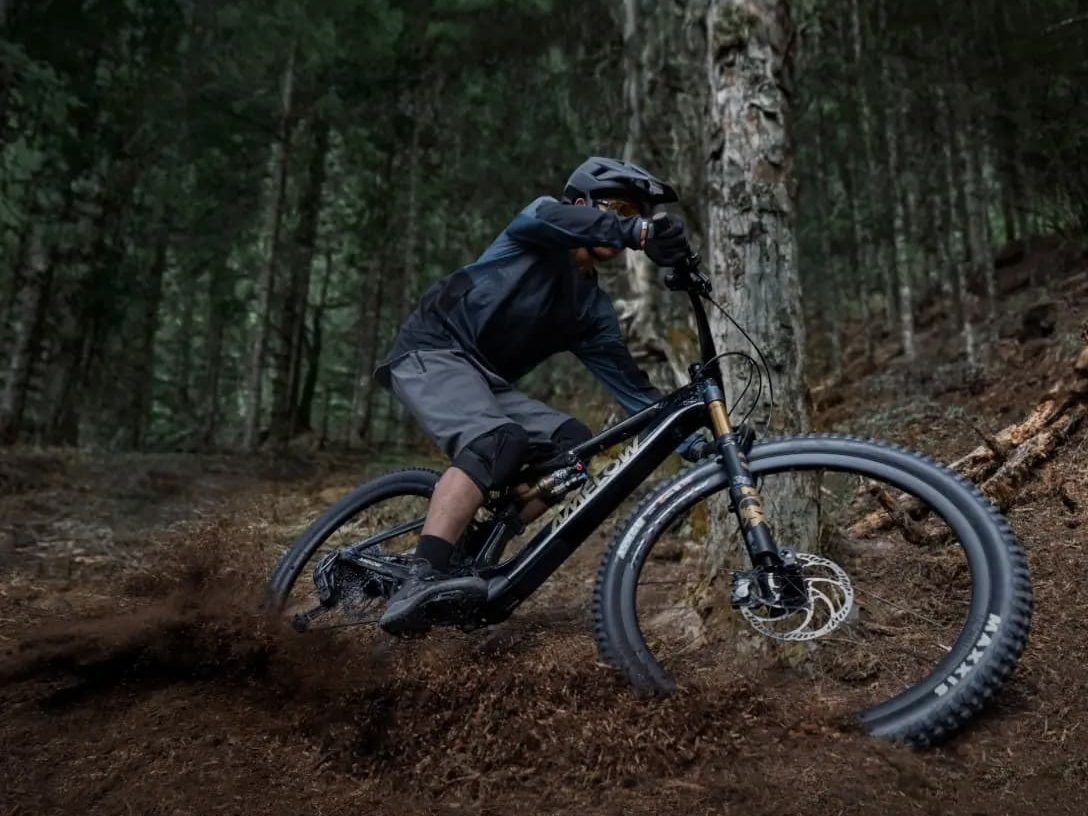
The statement also appears aimed at growing concerns within the bike industry that increasingly powerful eMTBs could invite regulatory backlash or damage trail access relationships. Some traditional mountain bikers and advocacy groups have expressed concern that ultra-high-power systems may accelerate trail wear or encourage irresponsible riding behavior.
Avinox pushed back against that idea as well, arguing that “innovation should not be constrained by arbitrary power limits that lack a clearly explained basis.”
Top comment by OrangeTurtle
Performance should not be regulated. We should regulate driver behavior.
There are plenty of dangerous things we have access to without regulation. A 5kW bike isn't suddenly "dangerous" unless the rider choose to ride recklessly.
I am a licensed motorcyclist, I built a 16kW eBike (it is not freeway capable but can match road speeds up to 50 mph) and I ride safely and responsibly everywhere. Having the skill set of a motorcycle rider helps, so perhaps mandatory MSF training could be part of obtaining a license plate. I'd support that. Most of the trouble seems to be caused by children and teenagers who do not drive, so perhaps having a driver's license ought to be required for plated eBikes. If I had to pick a power level over which a license plate should be required, I'd pick 5HP or 3.75kW, because that's about the power level of a scooter/moped which are safety ridden all over Europe and Asia.
I'm not a Libertarian, but I don't support unnecessary panic.
To its credit, DJI’s entry into the e-bike market hasn’t simply been limited to raw numbers. Avinox systems have also earned attention for their relatively lightweight construction, fast charging batteries, sophisticated software integration, and strong power-to-weight ratio. In many ways, the company appears to be bringing the same aggressive engineering philosophy that helped DJI dominate the drone industry into e-bikes.
The bigger question now is where the rest of the industry goes from here.
For years, the eMTB world seemed to settle into an unofficial consensus around roughly 85 Nm of torque as the “right” amount for high-performance electric mountain bikes. With nearly double that amount of torque, Avinox has essentially kicked the door open on a new power war. It remains unclear whether competitors will follow, regulators will step in, or consumers will ultimately decide they actually want these kinds of ultra-powerful systems.
For now, Avinox seems determined to argue that more power doesn’t necessarily mean more danger – just more capability.


FTC: We use income earning auto affiliate links. More.


Comments