
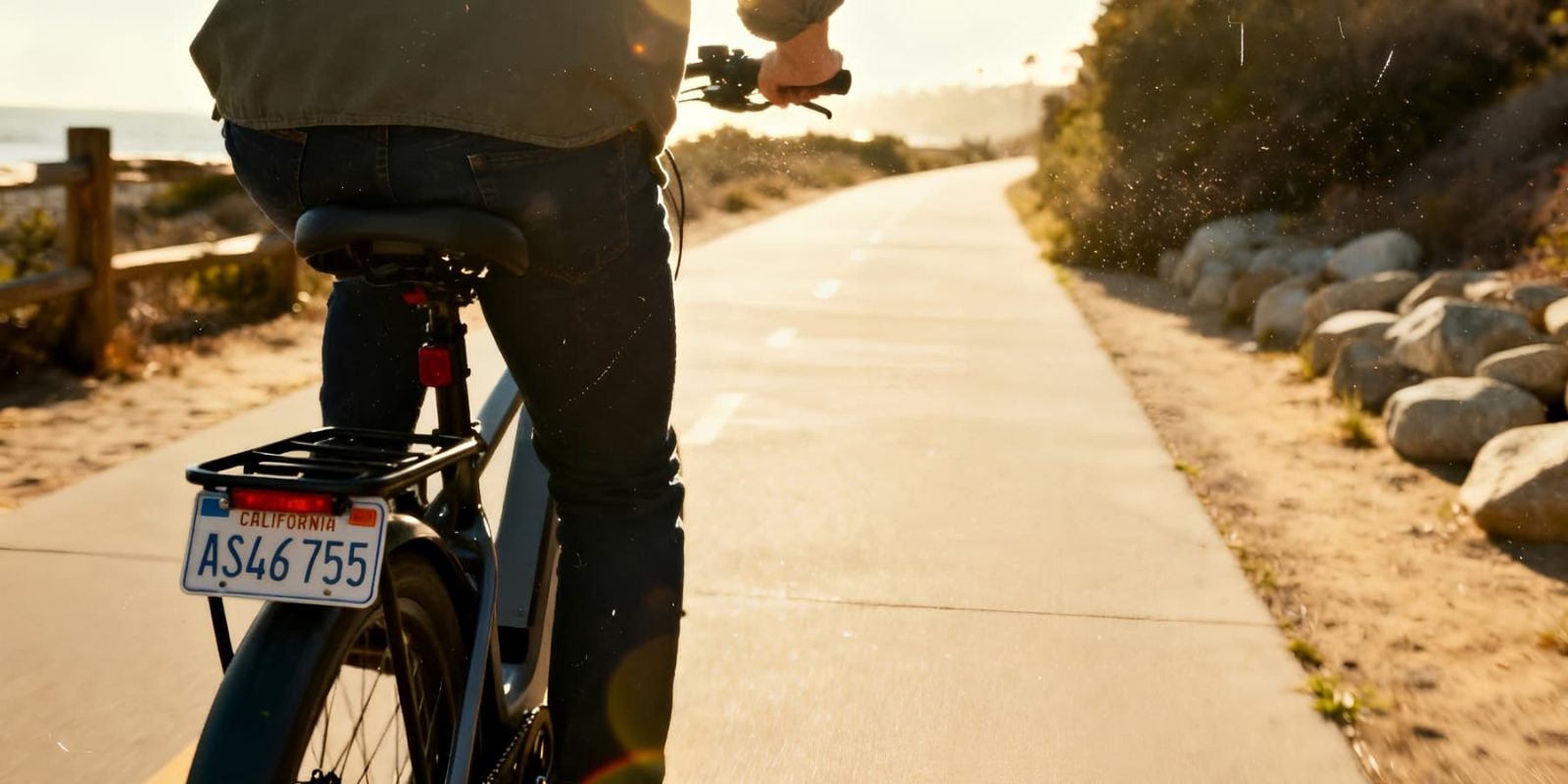
Many states across the US have spent the last several years promoting electric bikes as a climate solution. California, one of the leaders in e-bike adoption in the US, has funded rebate programs, invested in bike infrastructure, and championed e-bikes as a way to reduce car trips and cut emissions. At the same time, however, another trend has emerged: a sharp increase in youth ridership – and with it, a growing number of complaints about unsafe riding.
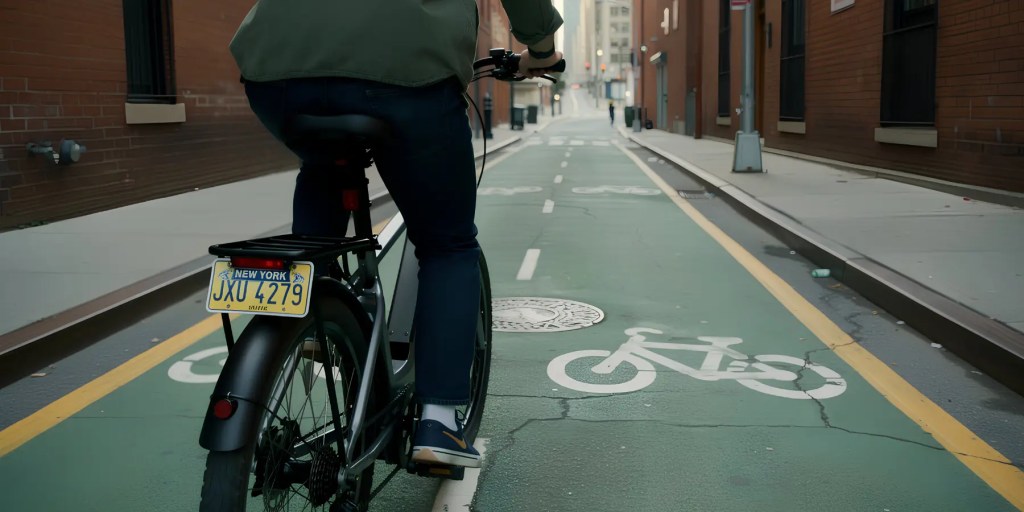
Now, some lawmakers in states with high e-bike usage are proposing something that would have sounded unthinkable just a few years ago: license plates for e-bikes.
The conversation isn’t happening in a vacuum. E-bike sales have surged statewide, particularly in suburban and coastal communities where teenagers use them to commute to school, visit friends, and get around without relying on parents for rides. In many areas, high schools are ringed by parking lots full of electric bikes instead of cars. With more models available at affordable prices, they’re quickly becoming an independent form of transportation for teenagers. For families, that’s often a win. For city officials and law enforcement, it has created new challenges.
In other states, particularly New York, opponents of e-bike usage have argued that delivery riders create unsafe conditions, often traveling the wrong way down one-way streets, cutting across sidewalks, or blowing through red lights. Both New York and California now have proposed e-bike license plate bills sitting in state legislature committees, and the concept could eventually become law if it receives enough support from state lawmakers.
Supporters of registration requirements often combine two concerns: accountability and public backlash. Police departments say they are fielding rising complaints about riders running red lights, weaving through pedestrians on shared paths, and riding at excessive speeds. When an incident occurs, identifying the rider afterward can be difficult, since teens on e-bikes might not stick around after knocking over a pedestrian on a sidewalk or slicing through a red light at a busy intersection, for example. A visible plate, proponents argue, would provide a way to track repeat offenders and reinforce that the rules of the road apply to electric bicycles in addition to cars.
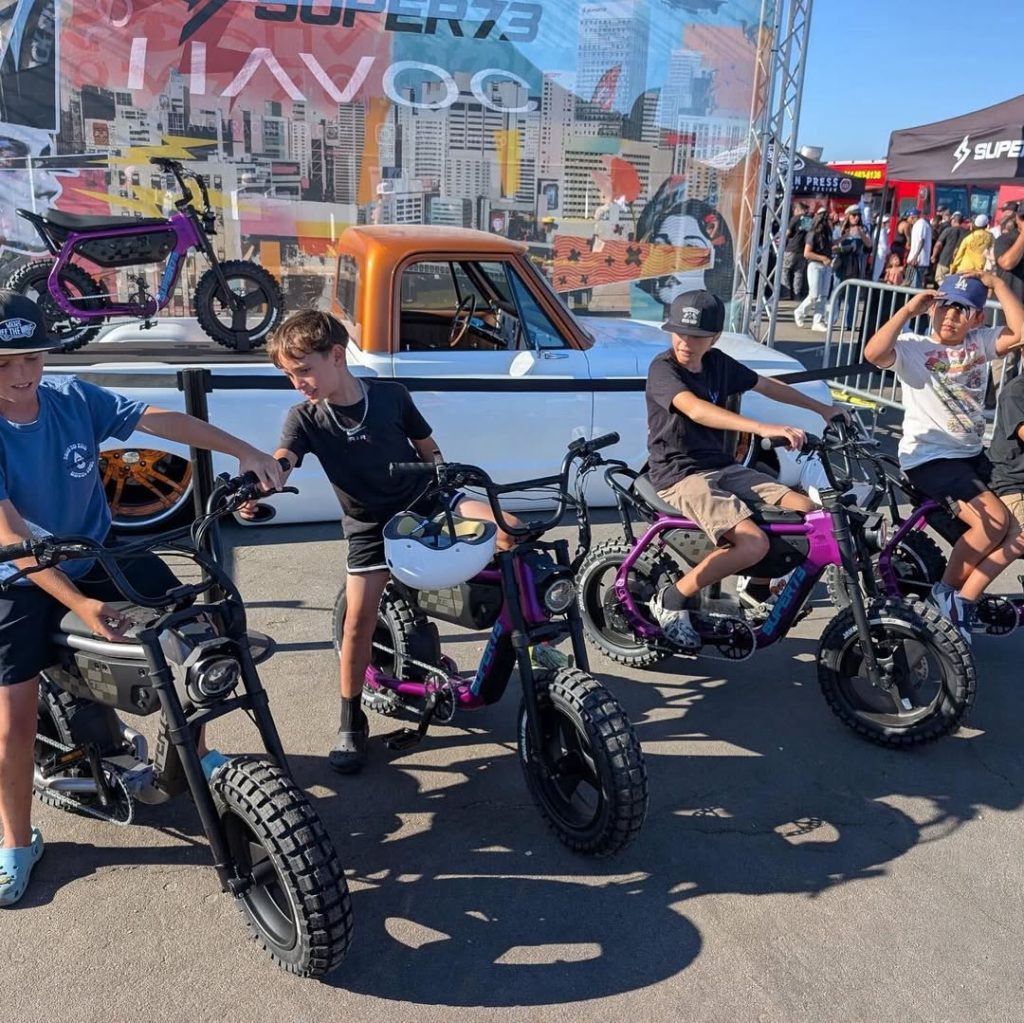
The issue has become particularly sensitive in beach towns and dense urban areas where shared paths are crowded with pedestrians, conventional cyclists, mobility scooters, and increasingly, fast-moving electric bikes. Lawmakers face pressure from residents who feel that enforcement hasn’t kept pace with the speed and power of modern e-bikes. A license plate requirement is viewed by some as a visible signal that the state is taking those complaints seriously.
Another key argument centers on the blurred line between traditional e-bikes and high-powered electric dirt bikes. Police frequently point out that many of the vehicles involved in high-profile incidents aren’t actually Class 1, 2, or 3 e-bikes under most states’ laws, but rather throttle-controlled machines capable of 30–50 mph. These “e-motos”, frequently sold under names like Sur-Ron, Talaria, Tuttio, and others, are often unregistered and are technically legally considered to be purely off-road vehicles, yet they are commonly ridden on public streets and bike paths. Registration, supporters argue, could help distinguish compliant e-bikes from de facto electric motorcycles.
There are also practical considerations. A registration database could aid in theft recovery, which remains a major issue as e-bike values climb. And from a policy perspective, some lawmakers argue that if a vehicle uses public roads with motor assistance, requiring basic registration is consistent with how other vehicles are treated.
But the proposal is far from universally supported.
Critics warn that states like California and New York risk overcorrecting by requiring license plates. E-bikes have been one of the most effective tools in these states for reducing short car trips, particularly among younger riders who might otherwise depend on family vehicles, or delivery workers who no longer need to clog up streets with single-occupant cars.
Plus, getting kids and teens back on two wheels while they’re young could help reduce the number of future drivers, further helping to clean up roads and improve cities for decades to come.
But adding fees, paperwork, and potential insurance requirements could slow adoption at a time when states are actively trying to shift transportation habits away from cars.
There are also equity concerns. E-bikes often serve as a lower-cost alternative to car ownership. Registration fees – even modest ones – could disproportionately affect lower-income riders and families. Teenagers, who make up a significant share of new e-bike users, would be particularly impacted by additional legal and administrative requirements.
Enforcement presents another complication. Would license plates apply to all three e-bike classes? What about throttle-equipped Class 2 bikes versus pedal-assist-only Class 1 models? How would the state handle do-it-yourself conversions, a still-popular segment of the broader e-bike market? Opponents argue that implementation could create confusion rather than clarity, potentially sweeping compliant riders into a regulatory net aimed at a smaller group of bad actors.
Top comment by tanker
Just another way for government to take more money from you, annual registration, inspection, insurance costs... add add up to another vehicle that doesn't burn gasoline, doesn't create pothole and on the loosing end of most vehicle accidents.
Some cycling advocates also worry about precedent. Historically, bicycle licensing proposals have surfaced during periods of concern over rider behavior, only to fade after facing resistance. Expanding vehicle-style regulation to e-bikes, they argue, could erode their legal treatment as bicycles and open the door to broader restrictions in the future.
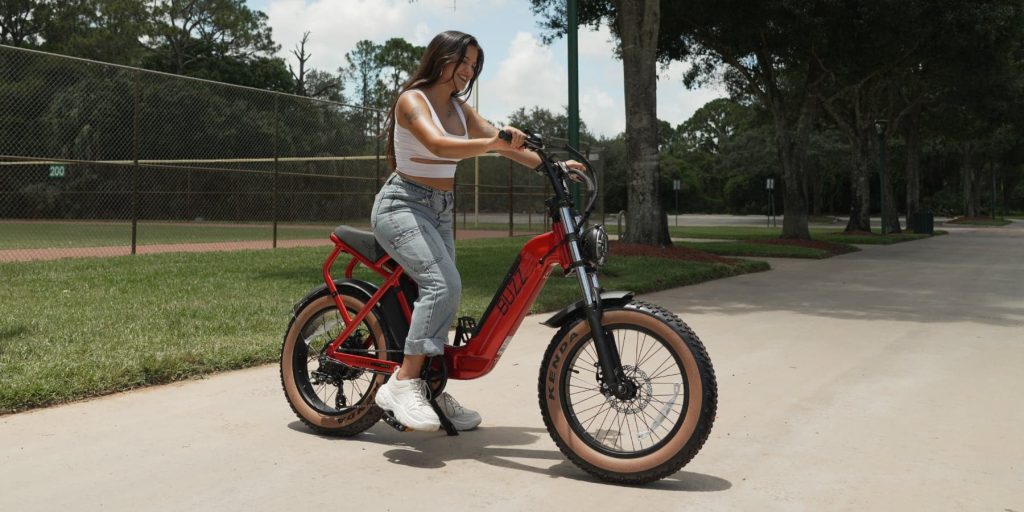
Underlying much of the debate is a more fundamental question: is the issue one of identification, or infrastructure and enforcement? Critics contend that existing traffic laws already apply to e-bike riders. The challenge, they say, lies in enforcing those laws and designing infrastructure that safely accommodates a wide mix of users – from pedestrians to teens on 28 mph (45 km/h) Class 3 e-bikes.
California’s e-bike boom has undeniably changed the streetscape. What began as a climate and mobility success story is now intersecting with youth independence, public safety concerns, and evolving vehicle categories. Whether proposed bills to regulate e-bike license plates are a proportional response or an overreach remains an open question with varying answers depending on who you ask.
I think it’s clear that the debate reflects real growing pains. As more teenagers swap car keys for bike locks, and as electric bikes continue to evolve in power and popularity, lawmakers are grappling with how to balance safety, accountability, and access. The outcome will likely shape not just enforcement practices, but the broader perception of e-bikes in the US transportation ecosystem.


FTC: We use income earning auto affiliate links. More.


Comments