
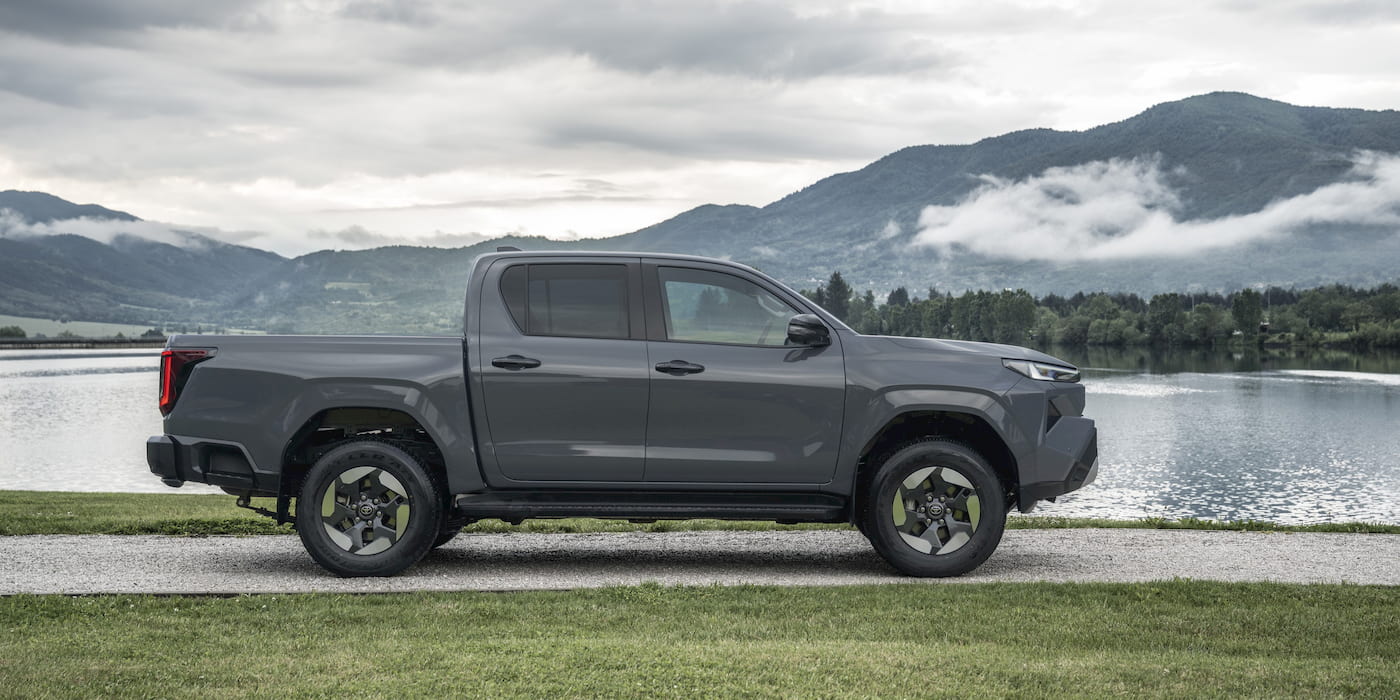
Toyota will invest around $1.3 billion, the largest in Argentina’s automotive industry to date, to produce a new electric vehicle at its site in Buenos Aires.
Toyota plans to build a new EV in Argentina
Toyota Argentina announced it had received approval from the Evaluation Committee to join the RIGI (Incentive Regime for Large Investments) to produce a new electric vehicle at its plant in Zárate, Buenos Aires province.
The project will cost around $1.3 billion, Toyota said, making it the largest investment in Argentina’s auto industry ever.
Toyota has been producing vehicles at the facility since 1997. The new investment will create around 3,600 jobs during the initial construction phase and about 2,600 once the upgrades are complete.
The site currently produces Toyota vehicles, including the Hilux pickup, SW4 SUV, and Hiace commercial van.
Toyota said it will announce more details shortly, including production plans. According to Automotive News, Toyota’s all-electric pickup, the Hilux BEV, is a likely candidate for production in Argentina.
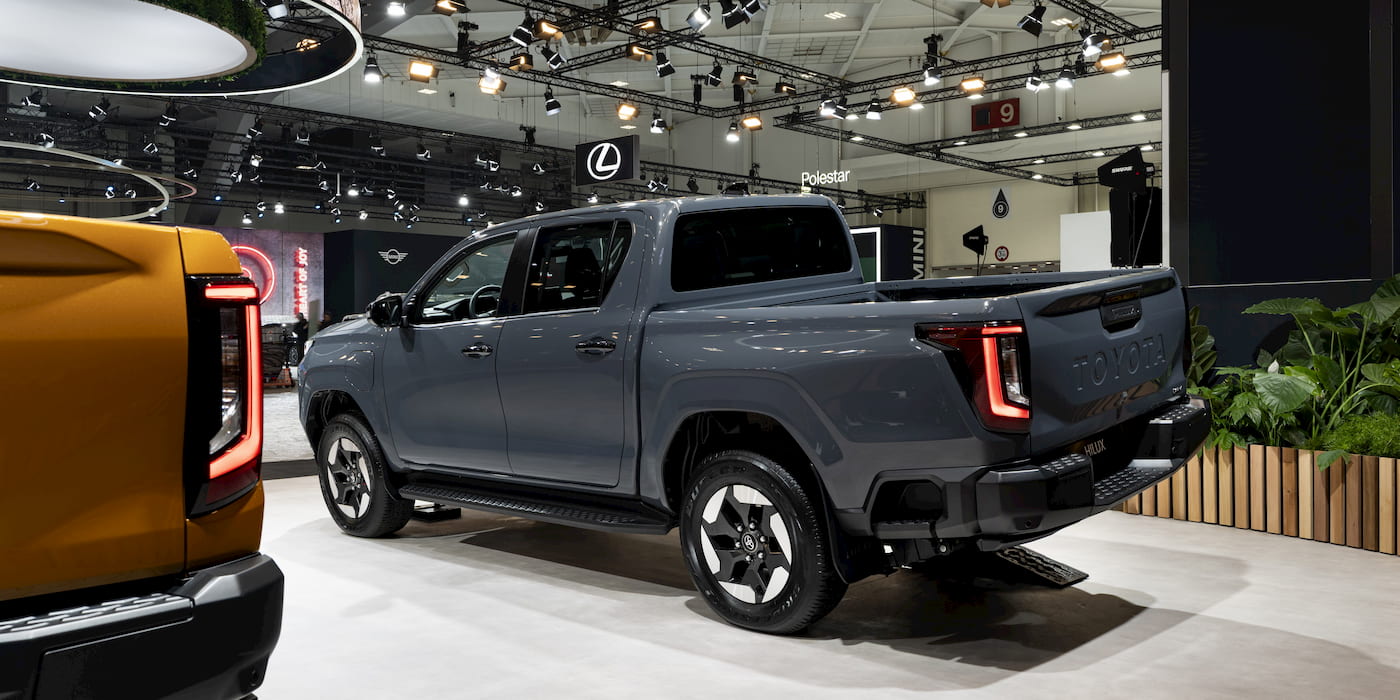
Toyota currently builds the Hilux EV in Thailand and exports it to Europe, Asia, Australia, and other overseas markets.
The announcement comes as Chinese brands like BYD, Geely, and Chery dominate EV sales in Latin America with lower-cost vehicles.
BYD sold 85,800 vehicles in Latin America through July, according to MarkLines. That’s nearly 60% of the region’s 147,493 electric vehicles sold in the same period.
Argentina’s Minister of Economy, Luis Caputo, said Toyota’s plant would generate around $1.28 billion in annual exports, with about 70% of production dedicated to foreign markets.
Electrek’s Take
Toyota’s “multi-pathway” strategy calls for offering all powertrain options, including gas, hybrid, plug-in hybrid, battery electric, and fuel cell electric vehicles.
As Chinese brands like BYD gain market share in key global markets such as Latin America, Southeast Asia, and Europe, Toyota is being forced to adapt.
Breaking with its traditional approach, Toyota, like many global OEMs, is increasingly relying on Chinese batteries, software, and other vehicle components to compete globally.
Toyota broke ground on a new Lexus EV manufacturing plant in Shanghai last summer. The facility, set to open in 2027, will move at “Lexus speed,” the company calls it, using advanced manufacturing methods, including gigacasting, to cut costs and speed up output.
Its top-selling electric vehicle in China, the bZ3X, reportedly uses nearly 90% locally sourced parts.
After introducing several new or updated all-electric vehicles globally, Toyota has sold considerably more EVs this year.
Through August, Toyota sold 267,649 EVs globally, more than double the number it sold in the same period in 2025.


FTC: We use income earning auto affiliate links. More.


Comments