
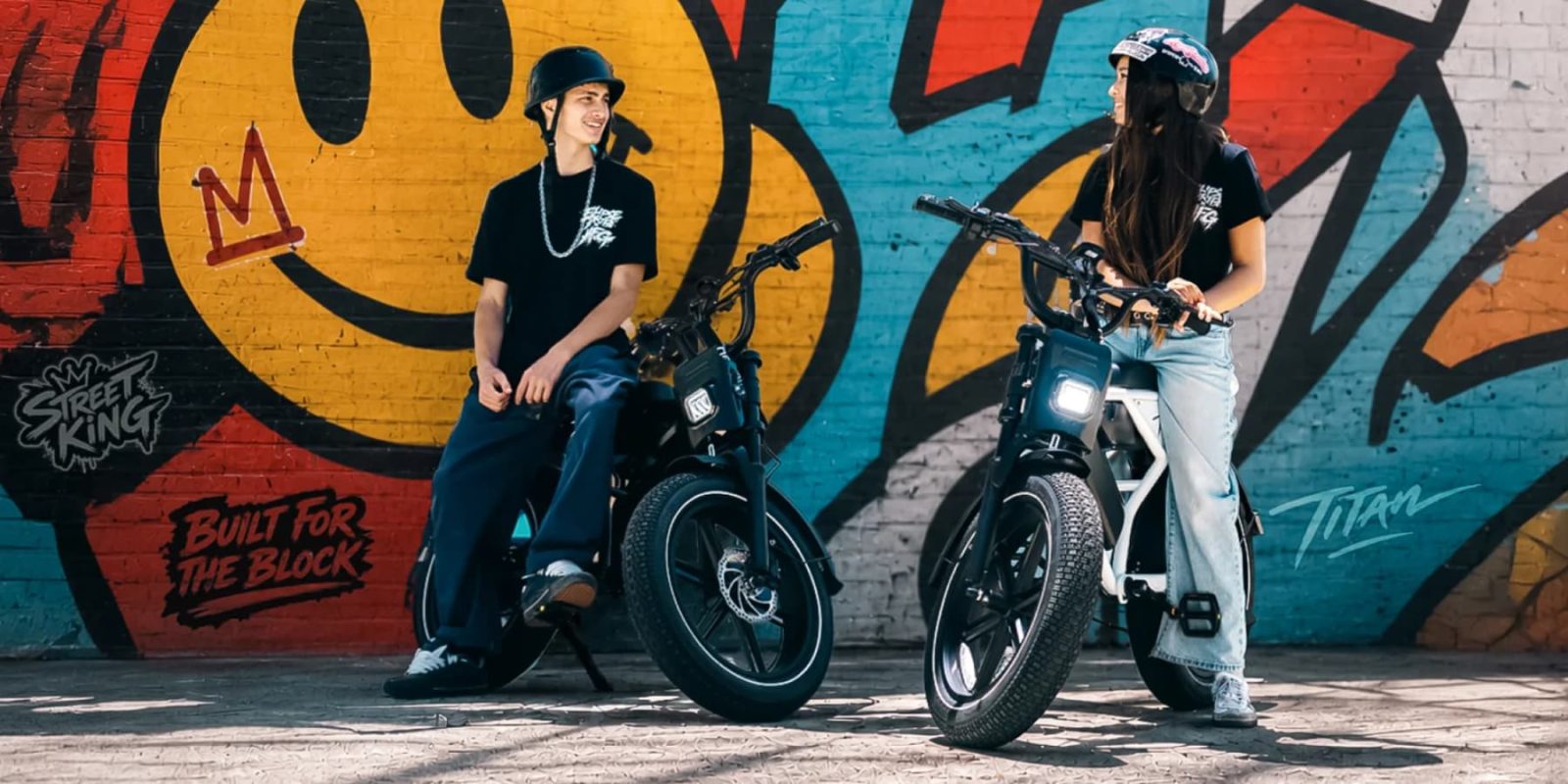
If you’ve spent any time reading local neighborhood social media groups lately – and for your mental health, I hope you haven’t – you’ve probably encountered a familiar complaint: teenagers on e-bikes.
They’re everywhere. Riding around town. Congregating in parks. Hanging out in parking lots. Stopping at convenience stores. Traveling in packs.
And while there are absolutely legitimate concerns about reckless riding, illegal electric motorcycles, and kids doing dumb things on two wheels (or dumb things on just the rear wheel), I think we may be overlooking something important.
E-bikes are quietly becoming a new kind of “third place” for teenagers.
The term “third place” generally refers to the social spaces outside your home and workplace – or, for teenagers, home and school. Traditionally, those places were cafés, malls, parks, arcades, community centers, and other spots where people could simply exist together without necessarily having a specific purpose for being there. But with the death of malls and arcades, and kids constantly being accused of loitering for hanging around in public places, there just aren’t many third places left for kids. Yesterday’s third places were replaced by kids alone in their bedrooms texting each other.
At least until teens discovered e-bikes.
Technically, an e-bike obviously isn’t a place. Unless you’ve got one of those really long cargo bikes, in which case you could probably get a studio apartment on the back in Manhattan.
But the social ecosystem developing around e-bikes increasingly serves the same purpose.
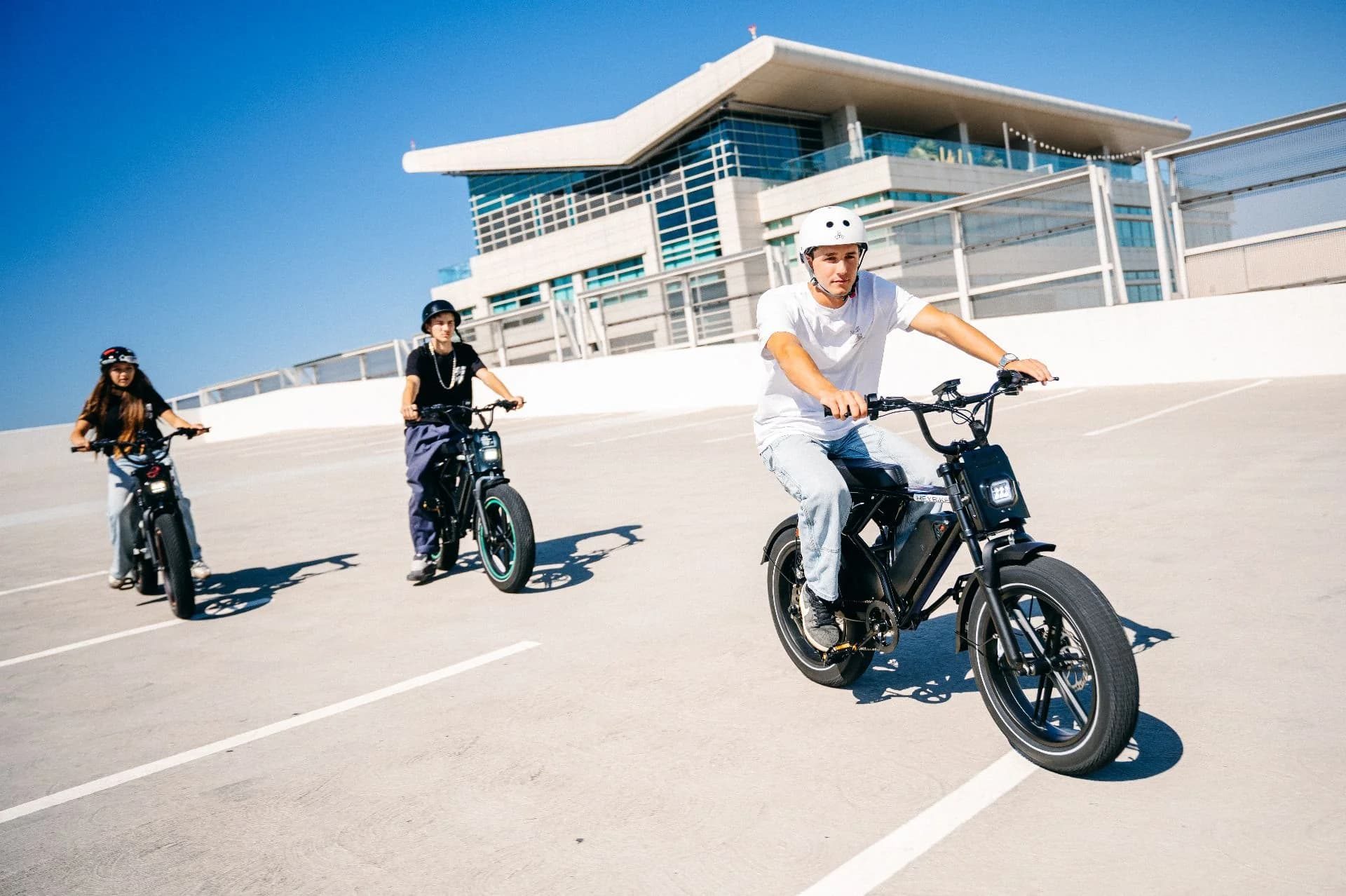
For many teenagers, the e-bike isn’t merely how they get somewhere. The ride itself is part of hanging out.
Kids meet up on their bikes, ride to a park, cruise around town, stop somewhere for a snack, ride to another friend’s house, explore some trails, and eventually wind up somewhere else entirely. The “third place” becomes mobile.
And perhaps most importantly, it’s shared. These are the same teens who just five years ago would have been alone in their bedrooms on their phones after school, but are now cruising around together and being social.
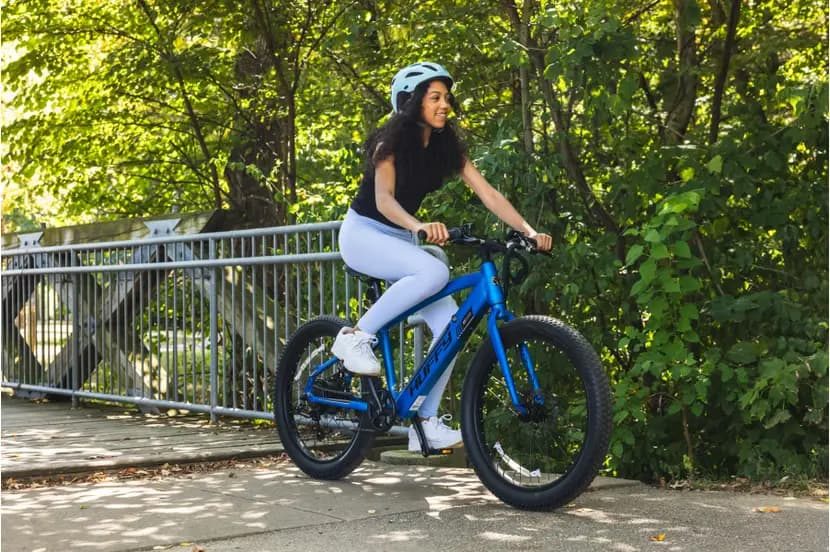
E-bikes give teenagers something increasingly rare: independence
For decades, bicycles were one of the first real tastes of independence kids experienced.
A bicycle expanded your world from “where my parents will take me” to “wherever I can pedal.”
But American communities have changed. Destinations are farther apart. Roads have gotten wider and faster. Suburbs have sprawled. The local hangout might now be five or ten miles away instead of five or ten blocks. And we shouldn’t ignore the elephant in the room: kids just aren’t as fit as they used to be. Sure, a bicycle could help change that, but only if they rode one, which they won’t. But an e-bike? That’s suddenly a lot more fun, and also getting those same kids more exercise than a gaming chair.
An e-bike, compared to a traditional pedal bicycle, dramatically expands the radius that a teenager can reasonably cover without needing Mom or Dad to become their personal Uber driver.
Suddenly a friend who lives six miles away isn’t particularly far away. Neither is the beach, the basketball court, the trail system, the shopping center, or wherever teenagers have collectively decided is the cool new spot (oof, I felt so old writing that).
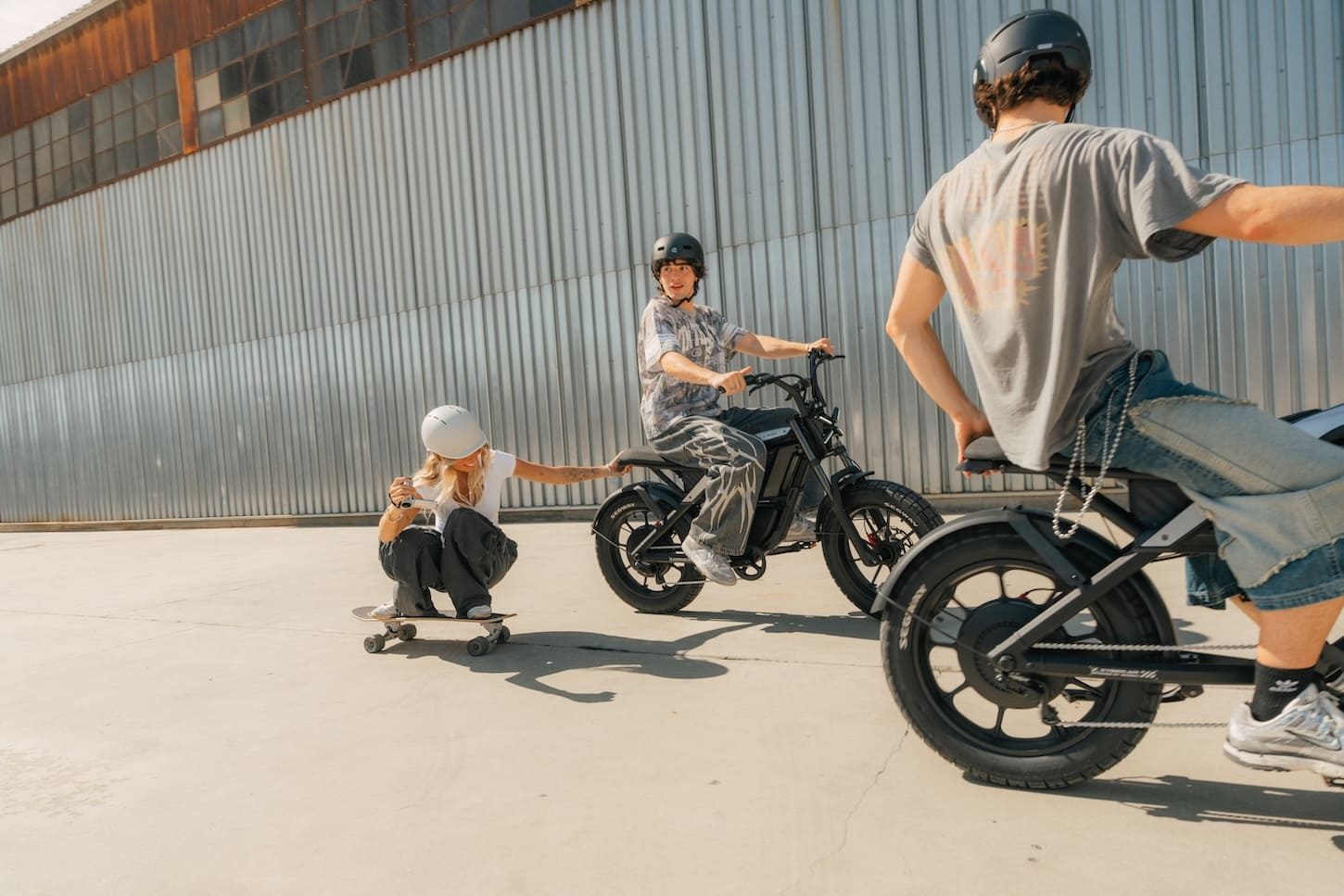
There’s also something wonderfully old-fashioned about all of this.
Adults have spent years worrying that kids don’t go outside anymore. They spend too much time on screens. They don’t roam around the neighborhood. They don’t have enough independence. They don’t hang out with friends in person like previous generations did.
Then a bunch of teenagers discovered electric bikes and started leaving the house, roaming around their neighborhoods, meeting their friends, exploring their communities, and developing some independence.
And apparently our response was: “No, not like that.”
Of course, there’s an enormous asterisk here
None of this means we should ignore genuinely dangerous behavior.
There’s a major difference between teenagers riding legal e-bikes around town and an 11-year-old riding a 50 mph Sur-Ron-style electric motorcycle down a public road.
There’s a difference between kids congregating in a park and kids weaving through pedestrians at 30 mph.
And there’s a difference between youthful independence and behavior that puts other people at risk.
Those distinctions matter, and unfortunately they increasingly get flattened into the same category of “kids on e-bikes.”
I’ve argued plenty of times that police should enforce existing traffic laws when riders behave dangerously, particularly when electric motorcycles are being operated illegally on public roads. If someone is riding a motorcycle, electric or otherwise, then motorcycle rules apply. If someone is riding an electric bicycle on the roads, then road rules apply. Let’s enforce them.
But enforcement of dangerous behavior shouldn’t turn into treating teenagers simply riding around together as a public nuisance.
Because underneath some of the legitimate problems surrounding youth e-bike use, there’s also something surprisingly wholesome happening.
Kids are outside. They’re going places. They’re meeting their friends in person. They’re learning how to navigate their communities without their parents.
They’re getting some exercise – yes, pedal-assist e-bikes still require pedaling – and developing the kind of transportation independence that many American teenagers otherwise don’t experience until someone hands them the keys to a 4,000-pound SUV.
If the alternative is four teenagers riding 50-pound e-bikes to the park or four teenagers eventually driving four separate cars there, I know which future I’d rather build infrastructure around.
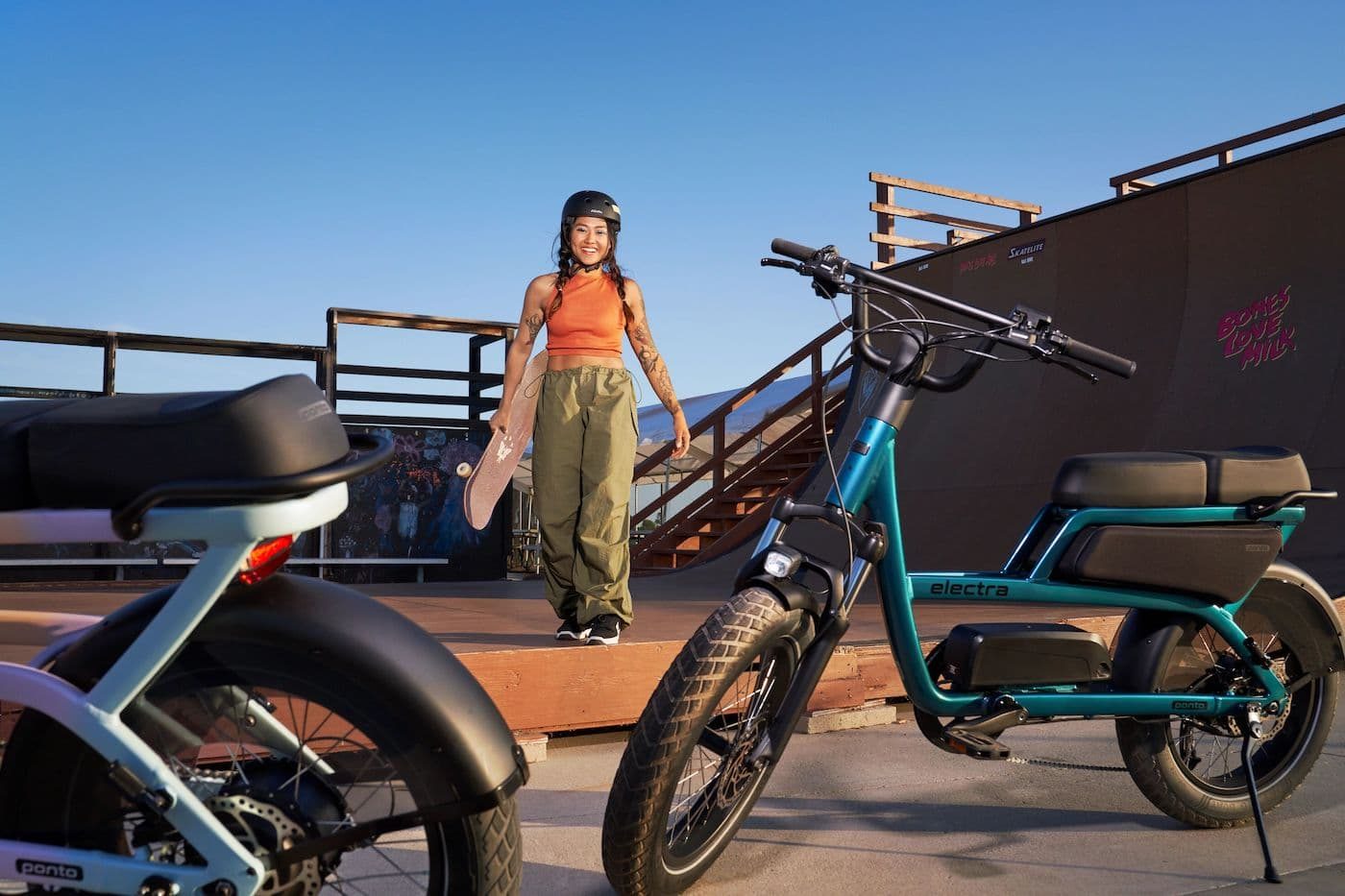
Perhaps instead of asking how we can get teenagers off e-bikes, cities should be asking how we can make this behavior safer.
Top comment by Phil
In the late '70' and early '80's, 2-stroke mopeds were the "third space" for all of my 14-16 year-old friends and I. Well, that and our regular bikes, at least for the kids in my group that didn't have mopeds. Somehow, we managed to achieve a ratio of about three mopeds per every five kids in our group, and the bike-riding kids would just latch onto the the shoulder of one of us moped pilots, and we'd tow them around as we drove. We'd range far and wide, on fishing trips, newspaper routes, fast-food runs, and to the local schoolyard, for after-school pick-up football and baseball games.
Mopeds were our gateway to independence, and our first set of real, motorized wheels. Teenagers need a bridge like this to adulthood. E-bikes are perfect for the job. Good article!
That means better bike infrastructure. More places where kids can legally ride. Better education about traffic rules. Enforcement aimed at genuinely dangerous behavior. And, yes, clearer separation between actual e-bikes and high-powered electric motorcycles that happen to have vaguely bicycle-shaped silhouettes.
Teenagers have always looked for places where they can get away from adults and hang out with each other. Previous generations had malls, arcades, parking lots, BMX bikes, skateboards, and cruising around in cars.
Today’s teenagers may have found their own version.
It just happens to have a battery.


FTC: We use income earning auto affiliate links. More.


Comments