
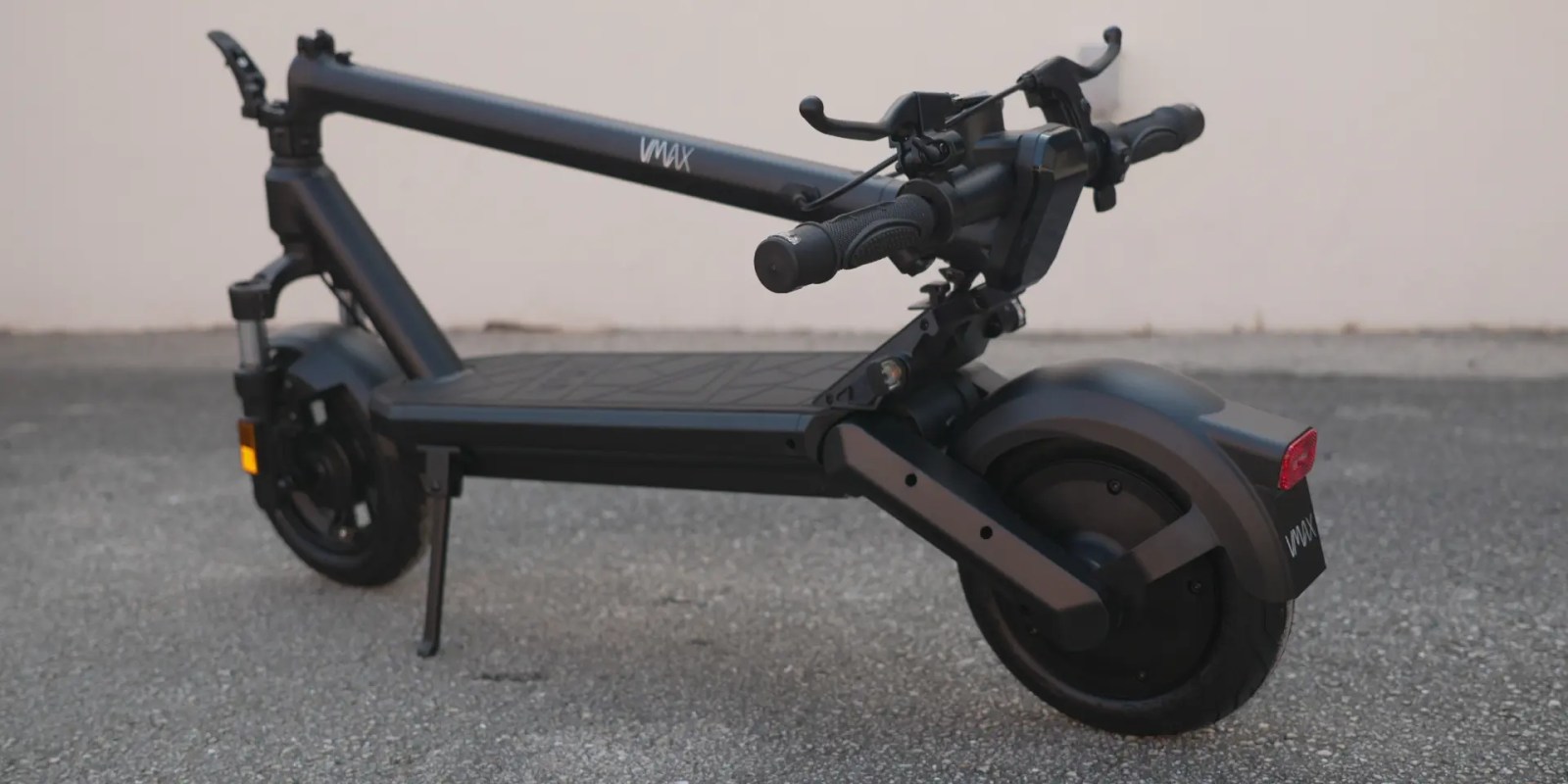
Electric scooters have long demonstrated an interesting dichotomy. On one end of the spectrum, you’ve got cheap commuter scooters that feel like they’re one pothole away from shaking themselves apart. On the other end are increasingly large, dual-motor monsters that weigh 80 or 100 pounds (45 kg) and blur the line between scooter and motorcycle.
The VMAX VX2 Lite aims for the sweet spot in the middle. It promises a genuine full-suspension ride, respectable 25 mph (40 km/h) performance, and up to 56 miles (90 km) of claimed range without turning into something you dread carrying up a flight of stairs. After spending time riding the long-range version, I think VMAX got surprisingly close to that goal.
I’ll tell you all about my experience riding the VMAX VX2 Lite electric scooter below, but why not also see it in action? Check out my review video here, then keep reading for all of my complete thoughts.
Suspension is the real star of the show
The biggest selling point here is undoubtedly the suspension.
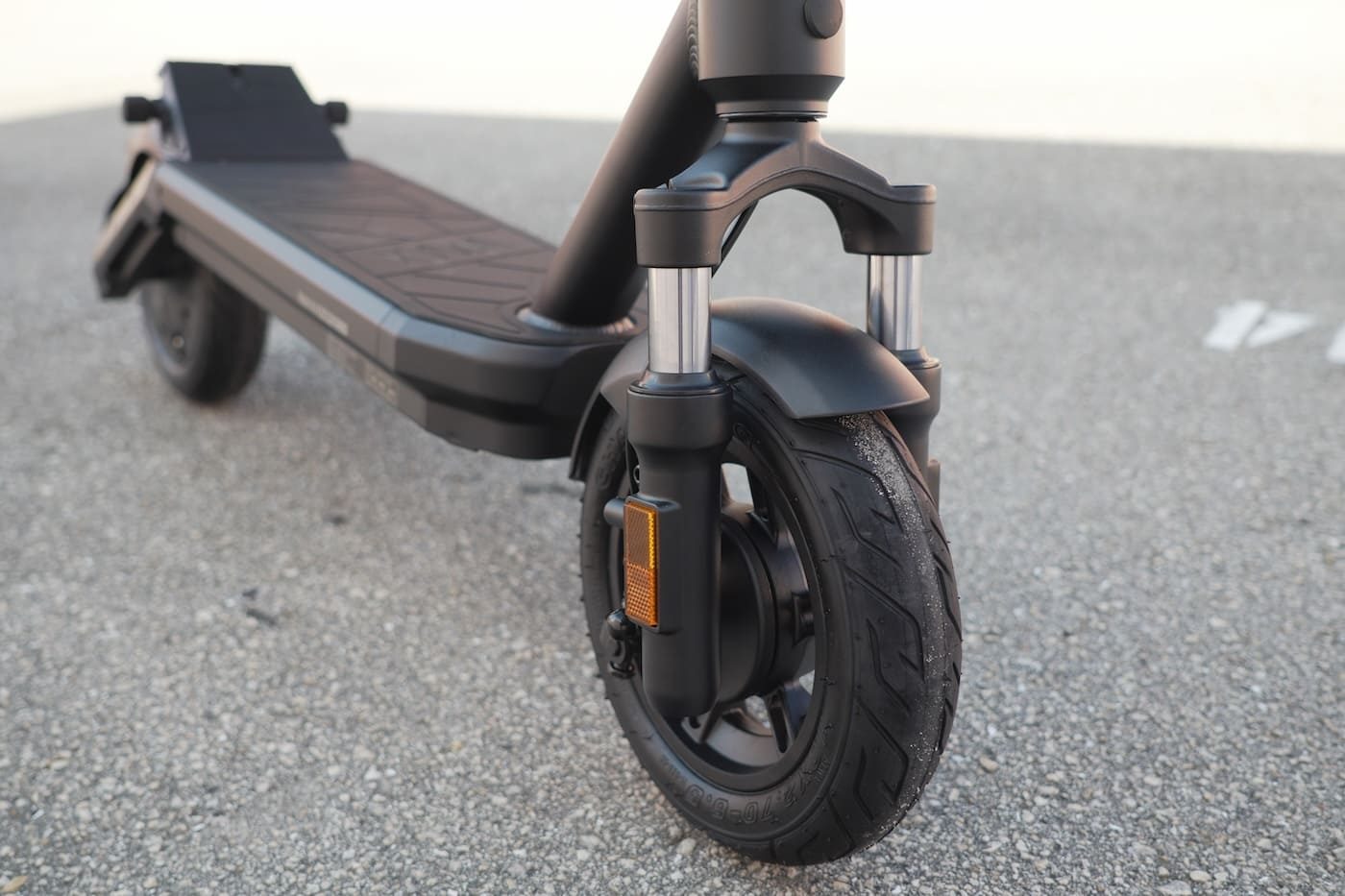
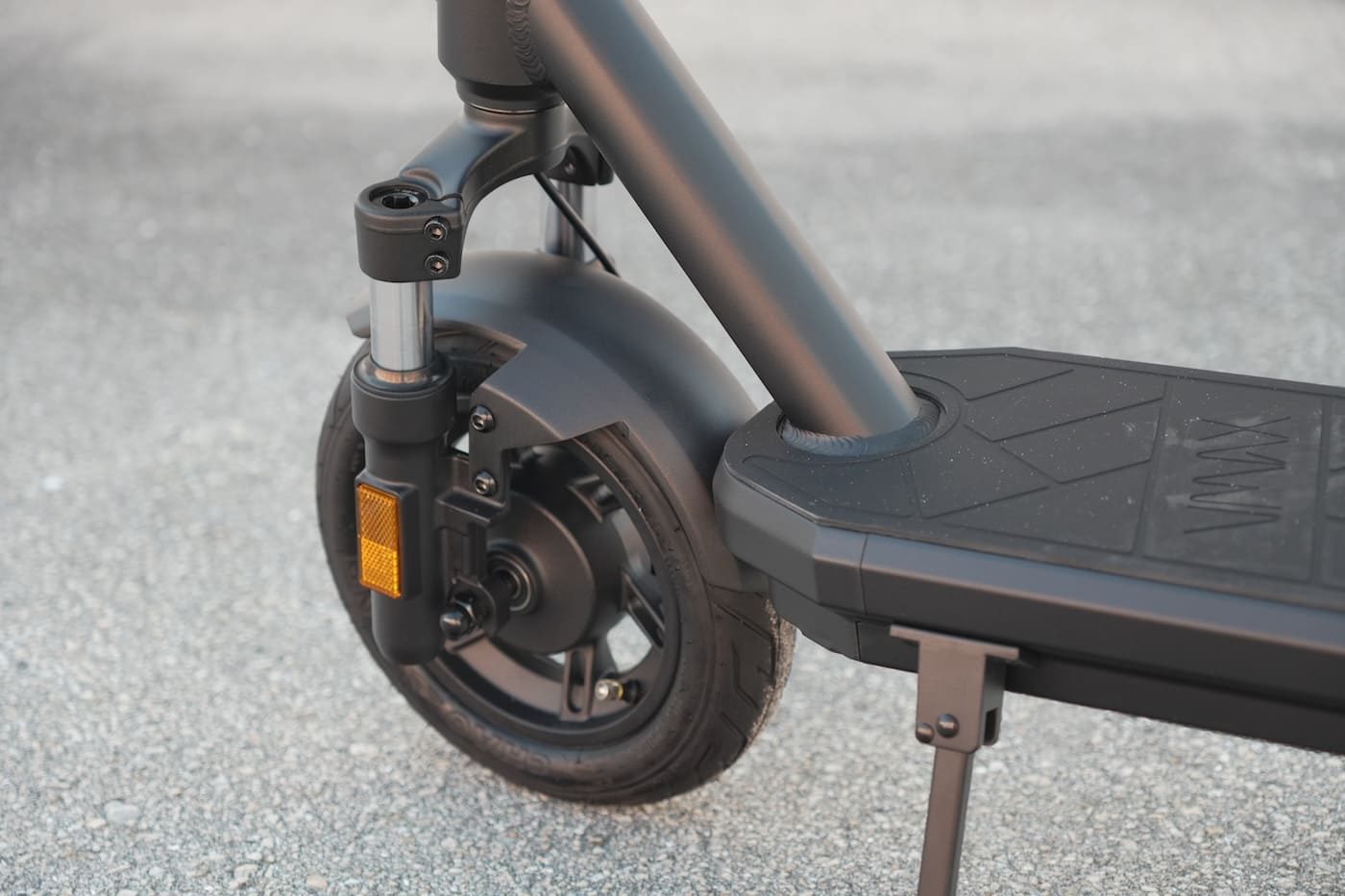
The VX2 Lite combines a 47 mm hydraulic front fork with an elastomer rear suspension, and while that spec sheet doesn’t sound particularly exciting, it completely changes how the scooter feels to ride.
Instead of constantly bracing for cracks in the pavement or rough patches of asphalt, you simply ride through them. Expansion joints, brick streets, uneven bike paths, and rough pavement all become significantly less jarring.
And while the scooter is definitely not an off-roader, I specifically took it through some grass and dirt sections just to see how it fared. The street tires aren’t really optimized for it, but the scooter handled dry off-road sections just fine.
More importantly, that suspension doesn’t just make a scooter more comfortable – it makes it more fun. There’s a weird child-like thrill from purposefully ramping off of speed bumps when you know the landing is going to be controlled and not shake your ankle bones out of position.
I found myself taking routes I might normally avoid simply because the scooter handled rough surfaces so much better. The tires stay planted, the steering feels calmer, and the overall ride inspires more confidence. It transforms the experience from cautiously avoiding imperfections to simply enjoying the ride.
That’s a hard thing to appreciate from a spec sheet, but it’s immediately obvious once you’re rolling.
Surprisingly punchy performance
The other pleasant surprise was the motor.
On paper, the VX2 Lite uses a 500W nominal rear hub motor with up to 1,400W peak output. The continuous power number off 500W doesn’t necessarily scream performance, but the scooter feels much stronger than I expected. That’s the peak power speaking. And to really make use of that peak power, you’ll want to put the scooter in Beast Mode (five quick pushes on the power button and then one push of the throttle). For some people, that may even be more power than they need, but if you can handle it, it’s a lot of fun to have that much acceleration underneath you.
Don’t worry though, if you just leave it in normal mode then you’re still getting a lot of the scooter, plus you’ll have the benefit of even longer range – but more on that soon.
Acceleration is brisk enough to keep city riding entertaining, and I never found myself wishing for significantly more power during normal urban riding. I don’t have a ton of hills to test out in my flat city, but climbing parking garage ramps and other short steep ramps definitely showed off the power hiding away in this scooter. VMAX’s claimed ability to climb grades up to 28% isn’t something I could test myself (most people don’t have any 28% grade hills in their area – that’s some serious incline), but it also doesn’t seem unrealistic for shorter climbs, based on what I experienced.
The 25 mph (40 km/h) top speed also feels like a nice balance. It’s quick enough to comfortably keep pace with urban traffic in many situations without venturing into the “this is getting a little ridiculous” territory occupied by some high-performance scooters.
Even on the crazy super scooters that can hit twice these speeds or more, I rarely like going much faster than 40 mph (64 km/h), and even that feels a bit reckless unless the wheels are huge. Here, 25 mph (40 km/h) seems sensibly fast, especially since people rarely use the absolute top speed of a scooter anyway. And with 10″ tires, these are actually larger wheels than you’ll find on a lot of budget scooters, so you have a bit more confidence at these speeds, too.
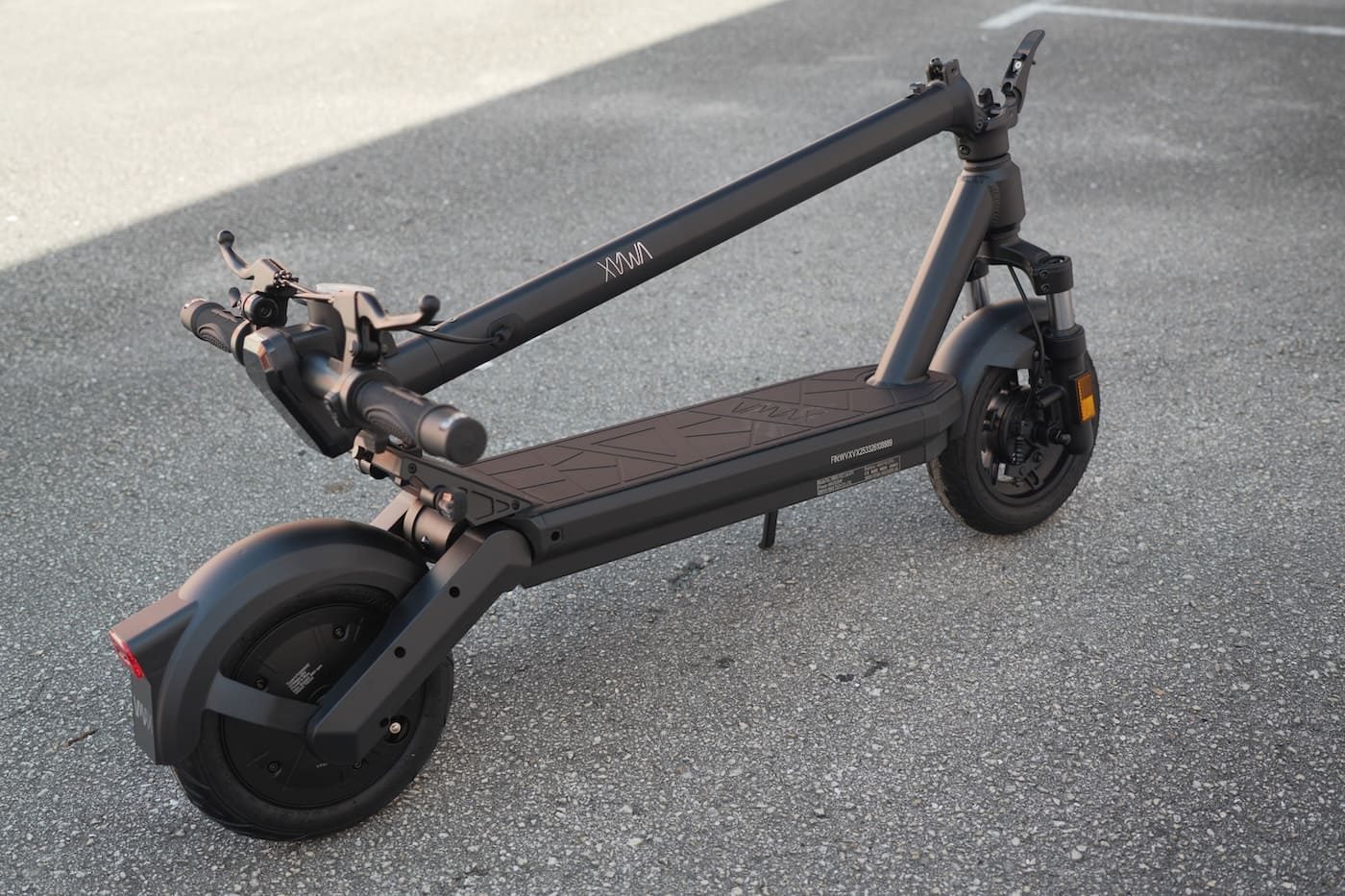
A commuter that feels well thought out
Little design decisions often separate good scooters from great ones, and VMAX deserves credit for getting a lot of those details right.
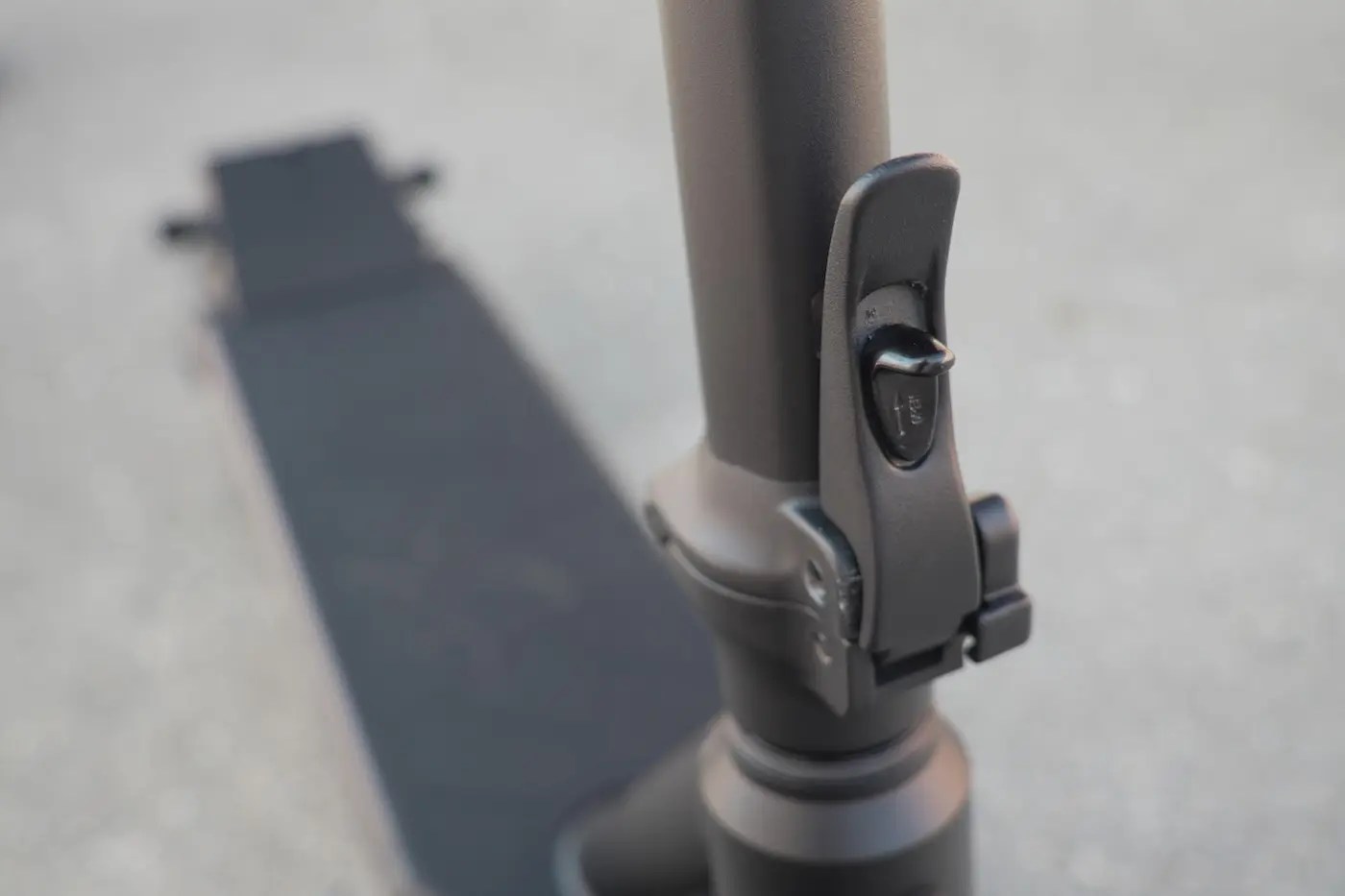
One of my favorites is the folding latch. After unfolding the scooter, the latch folds neatly down against the deck and locks itself out of the way. It sounds like a tiny feature, but anyone who’s ever had a folding latch poking into their foot while riding will immediately appreciate it. I saw it on the VX2 Hub also, a faster and more powerful big brother to the VX2 Lite, and it’s a neat little feature.
The folding mechanism in the stem also feels reassuringly solid. There’s no discernible play once locked into position, giving the scooter a sturdy, confidence-inspiring feel.
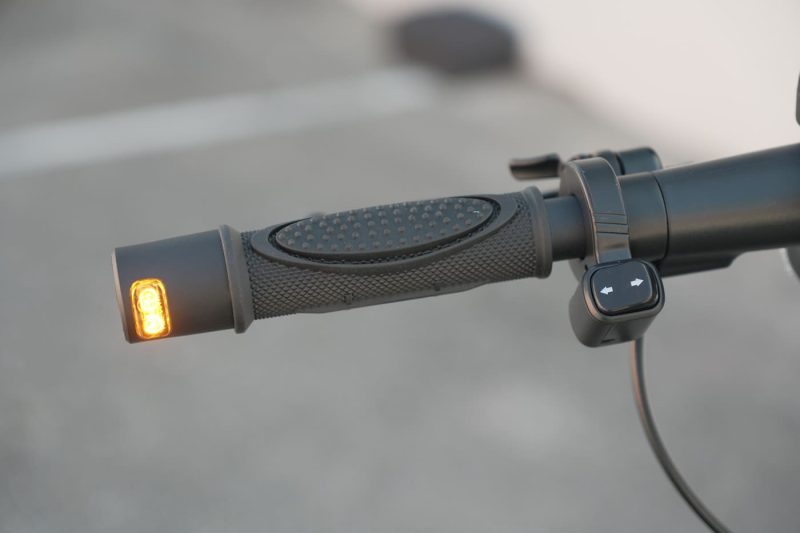
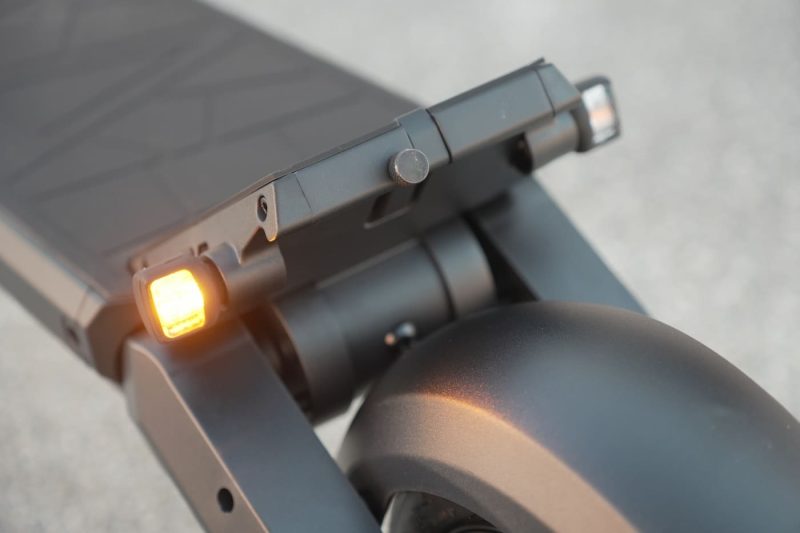
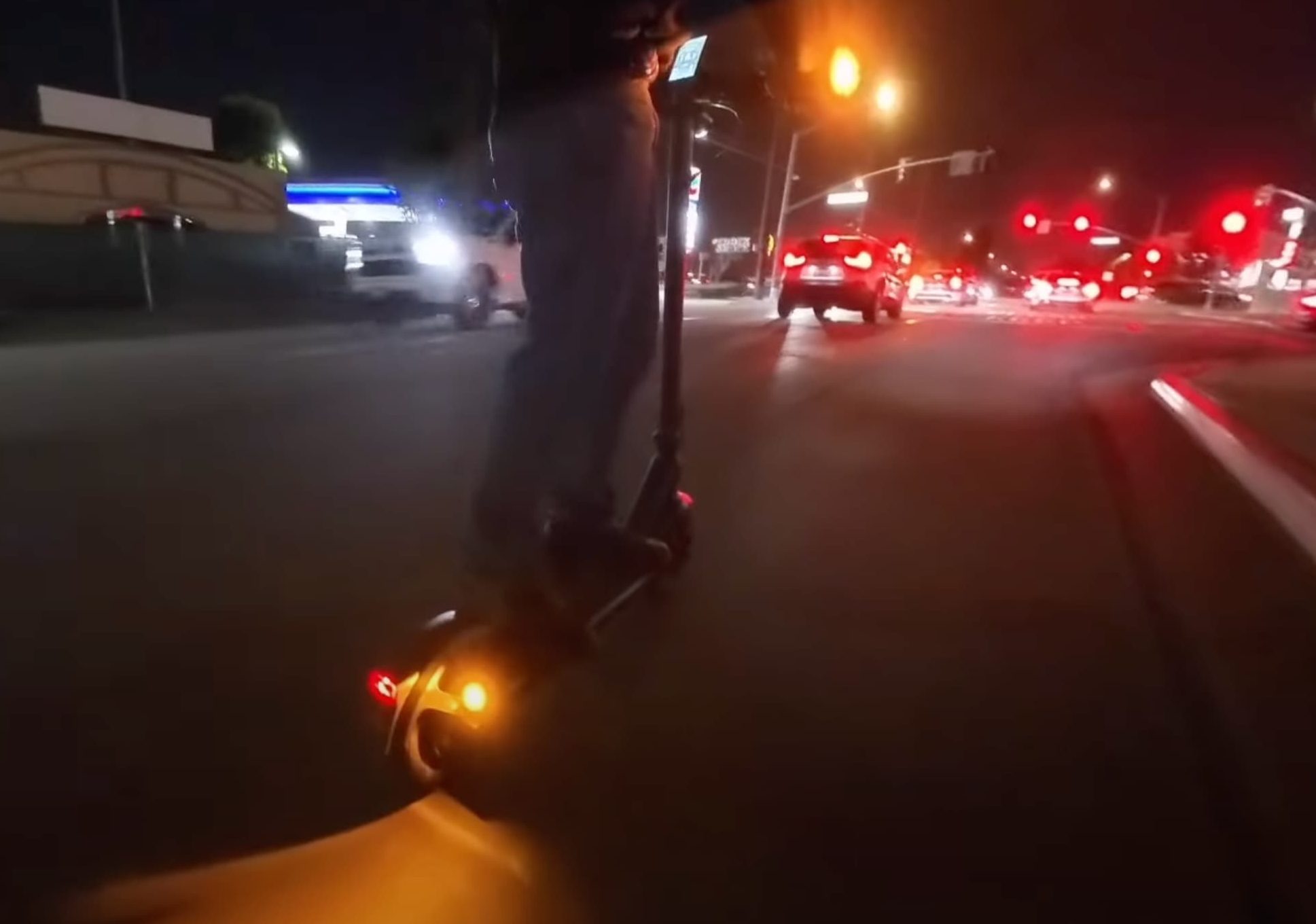
Lighting is another highlight.
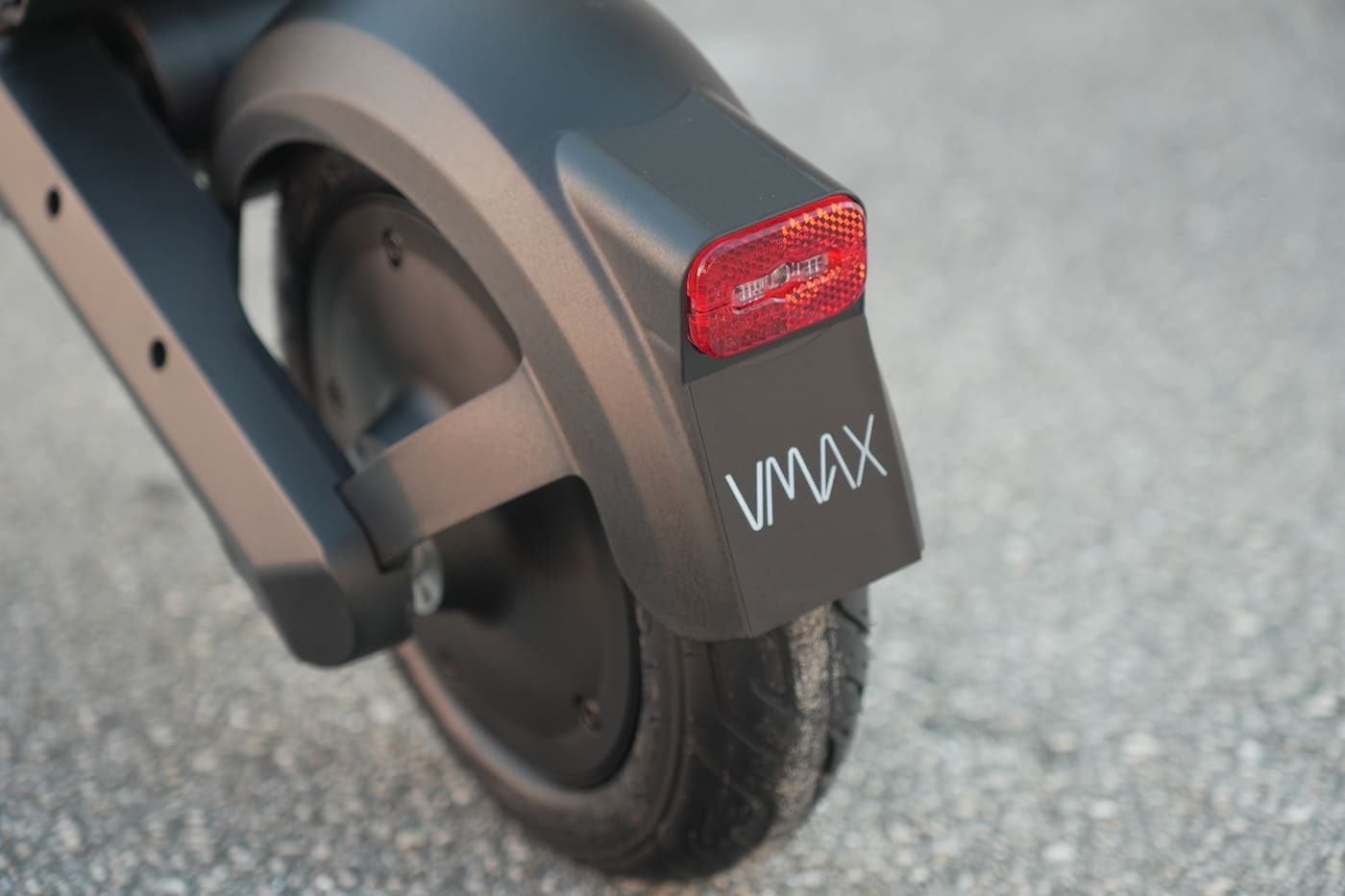
The VX2 Lite doesn’t settle for a basic headlight and tiny rear reflector. Instead, it includes bright lighting all around, complete with motorcycle-style turn signals integrated into both the deck and the ends of the handlebars. They’re much more visible than the tiny blinking indicators found on many scooters, and anything that makes riders more noticeable to drivers gets a thumbs-up from me.
Again, this is par for the course with VMAX, as I’ve enjoyed this well-designed wraparound lighting with highly visible turn signals on several of the company’s models before. It’s an important part of riding, especially at night when you’re basically just a narrow vertical stick on two wheels, compared to cars looking for other cars.
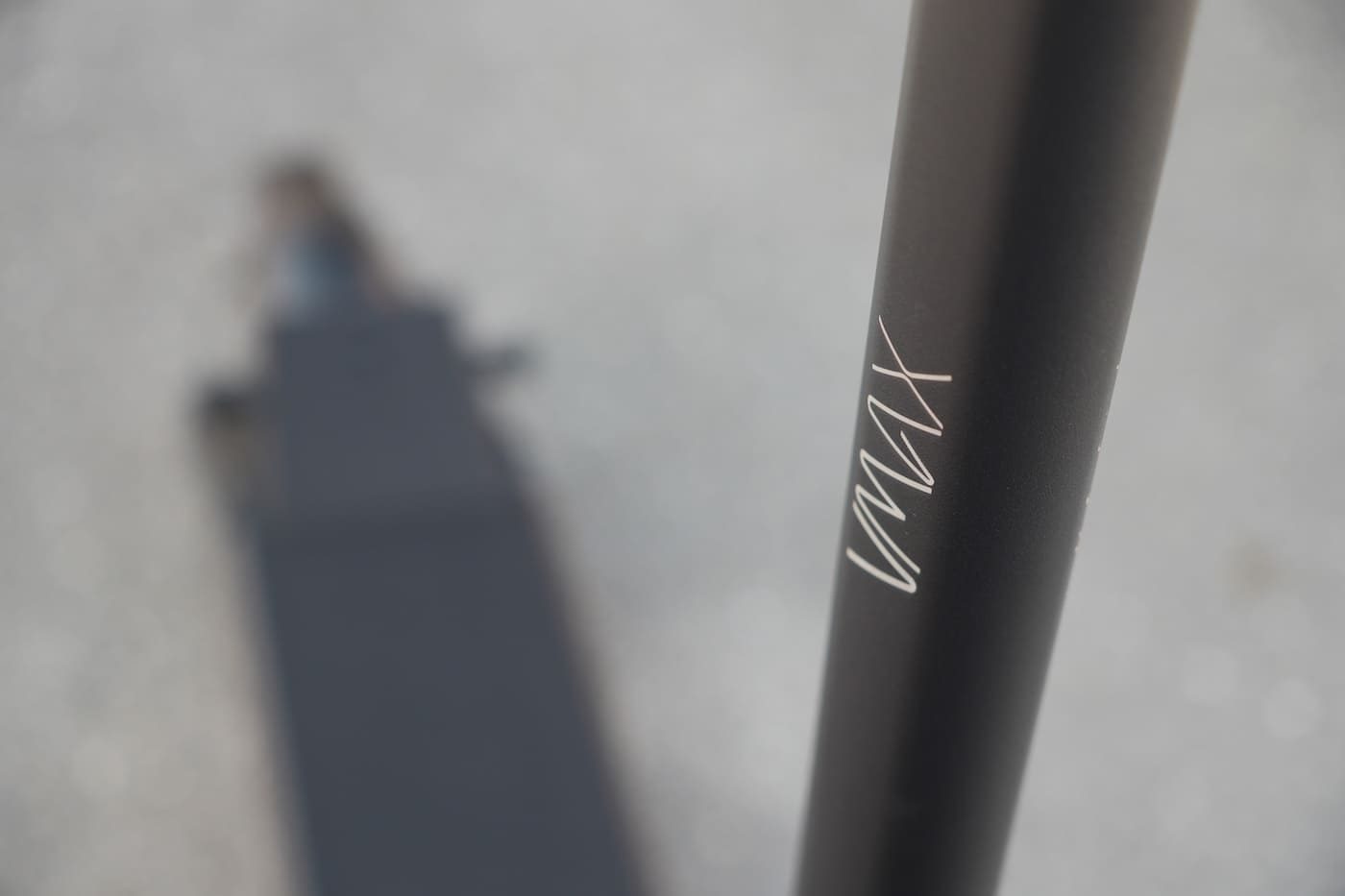
Thank you for not forcing an app on me
This is becoming one of my biggest pet peeves in the micromobility industry.
Too many companies now expect riders to download an app, create an account, pair the scooter, verify an email address, and usually even accept privacy policies before they can access basic functions.
Thankfully, VMAX didn’t go down that road.
The companion app exists if you want additional ride data and customization, but you don’t need it.
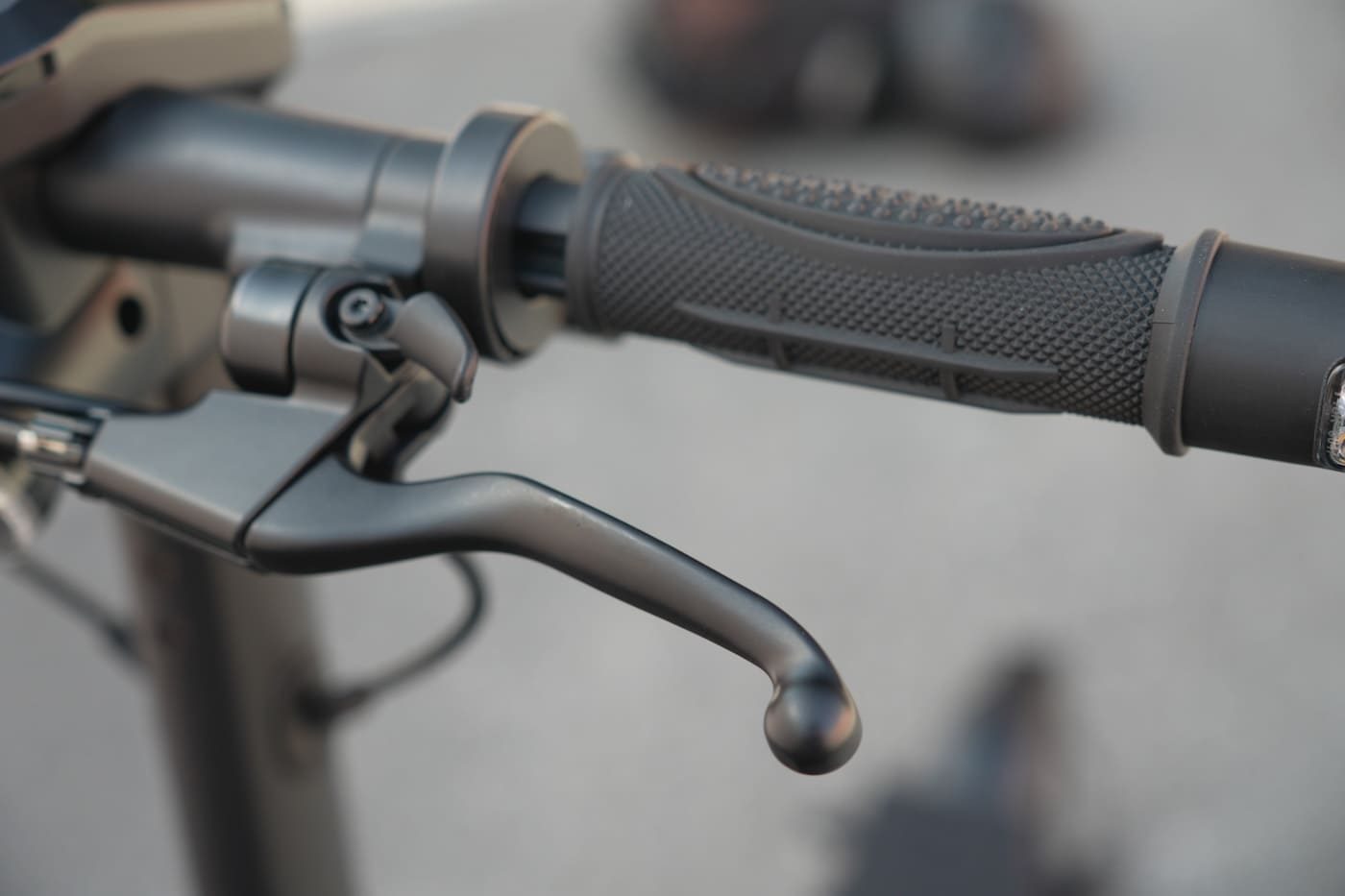
Power modes, riding settings, and normal operation can all be handled directly from the scooter itself. And to prevent having too many buttons, several features (like opening and locking that Beast Mode) are performed by the same button, just with different numbers of quick presses.
Not requiring an app might sound like a small thing, but I genuinely appreciate products that still function perfectly well without requiring me to download another app onto my phone.
It’s just how these vehicles should work.
Weight and value
At around 52 lb (23.6 kg) for the larger battery version I tested, or 48 lb (21.8 kg) for the smaller battery version, I wouldn’t call the VX2 Lite lightweight. You’ll still notice it if you’re carrying it upstairs every day.
But context matters here. Compared to many other full-suspension scooters with similar ride quality and performance, it’s actually fairly light. VMAX has done a nice job balancing portability with comfort, and I think they landed in a reasonable place.
Pricing is another pleasant surprise.
The lineup starts at $799 for the 499 Wh version with a claimed 31-mile range, while the larger 874 Wh battery model I tested comes in at $1,099. In today’s market, that’s a pretty competitive starting price for a scooter that delivers this level of refinement, suspension, and performance.
Sure, there are cheaper models from a never-ending list of Chinese companies, and I’m not knocking them, but you do feel a real difference in the quality and ride of a VMAX scooter. So in this case, you get what you pay for – and I still think the price is fair. Add in the included 2-year warranty, which twice what the budget brands usually offer, and it looks even better.
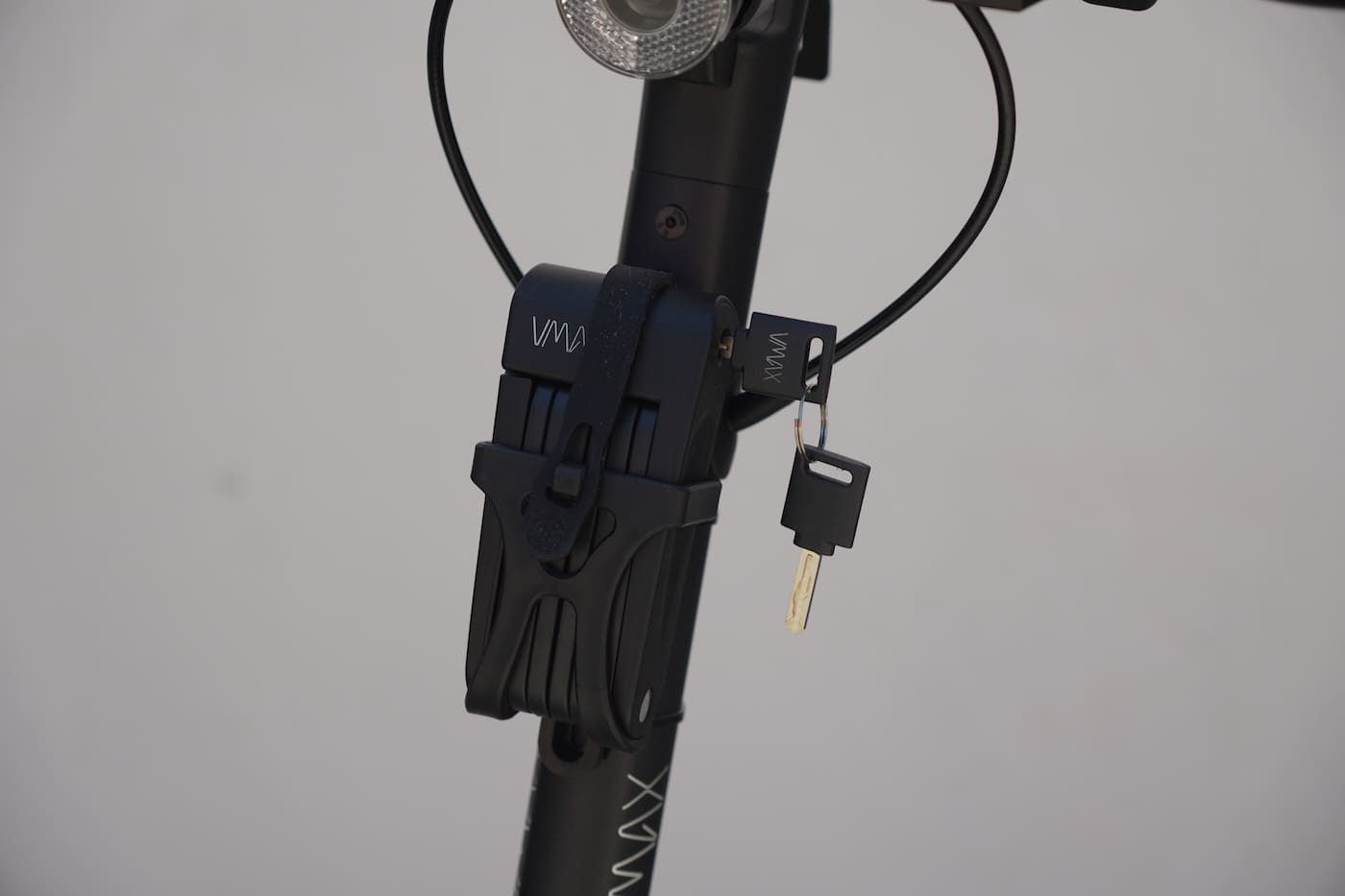
And with reasonable pricing, you get to save some cash for extra accessories. I tested out the folding lock from VMAX, and it’s a convenient way to carry a small lock in a holster on the scooter itself, but that still opens up into a large circle for locking to non-standard racks, small trees, etc. But they’ve got tons of other accessories worth checking out, also.
A couple of things I’d still change
No product is perfect, and the VX2 Lite isn’t an exception.
My biggest complaint is simply that I’d always prefer a scooter to weigh less. While it’s lighter than many competitors in this category, 50-ish pounds is still enough that you’ll think twice before carrying it long distances.
The other nitpick is cosmetic.
The available colorway is clean and understated, but it doesn’t exactly stand out. To be fair, most electric scooter manufacturers seem convinced that buyers only want black scooters, so VMAX isn’t exactly alone here. Still, a splash of color would have been nice. But then again, a black canvas does give you plenty of open real estate to play around with your own coloring, stickers, or however you want to customize your ride.
Final thoughts
The VMAX VX2 Lite manages to do something I always appreciate: it avoids chasing spec-sheet bragging rights and instead focuses on making the riding experience better.
The suspension genuinely improves both comfort and fun. The motor feels stronger than its rating suggests. The thoughtful design touches make everyday use easier. And perhaps most refreshing of all, it works perfectly well without demanding you install another smartphone app just to ride it.
If you’re shopping for a commuter scooter in the $800-$1,100 range and your priorities are ride quality, comfort, visibility, and solid real-world performance rather than outrageous top speeds, the VX2 Lite deserves a spot near the top of your list.
Sometimes, making a scooter more enjoyable isn’t about adding another motor or another 10 mph. Sometimes it’s simply about making every mile feel smoother and better. The VX2 Lite is a great example of exactly that.


FTC: We use income earning auto affiliate links. More.



Comments