
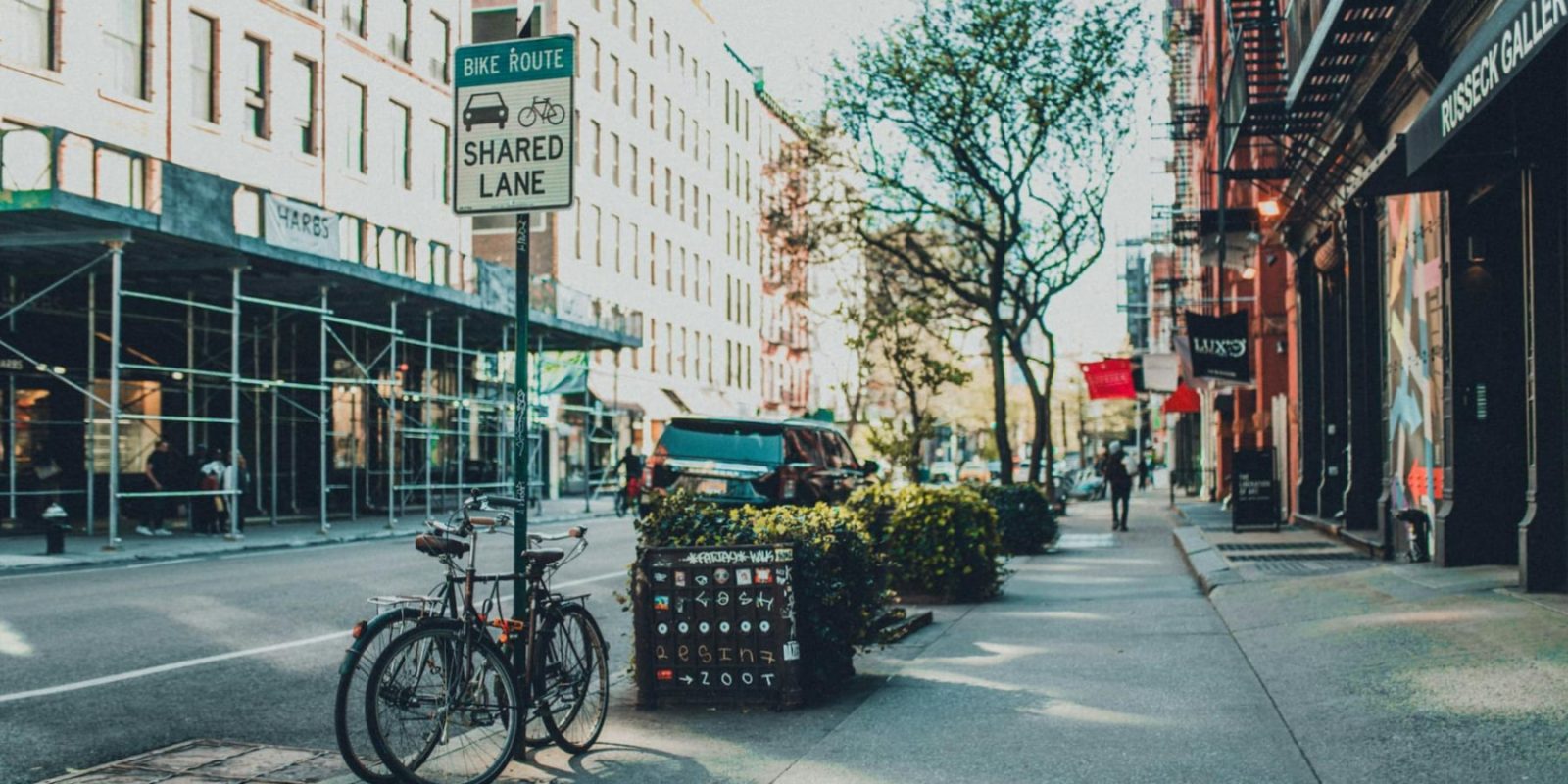
New York City lawmakers are preparing what could become one of the most sweeping overhauls of e-bike regulations in the city’s history, unveiling a package of 17 proposed bills aimed at tightening oversight of electric bikes, scooters, and other micromobility vehicles.
The legislative package, announced Tuesday by City Council leadership, comes in response to a recent rise in high-profile crashes involving electric two-wheelers, many of which involve cars and SUVs striking and/or killing cyclists.
While the proposals still face committee hearings and months of debate, according to the New York Times, they signal that New York City is far from finished adding new rules governing e-bikes.
Among the proposals are measures to ban the sale of Class 3 e-bikes that are currently legal (though limited to 25 mph or 40 km/h in New York), require delivery companies to obtain commercial licenses, share more rider data, carry additional insurance, and face greater responsibility for the behavior of their riders. Other bills would increase enforcement against illegal electric mopeds and higher-powered vehicles masquerading as bicycles, strengthen penalties for hit-and-run riders, establish a trade-in program for illegal vehicles, and create a task force to study street design improvements.
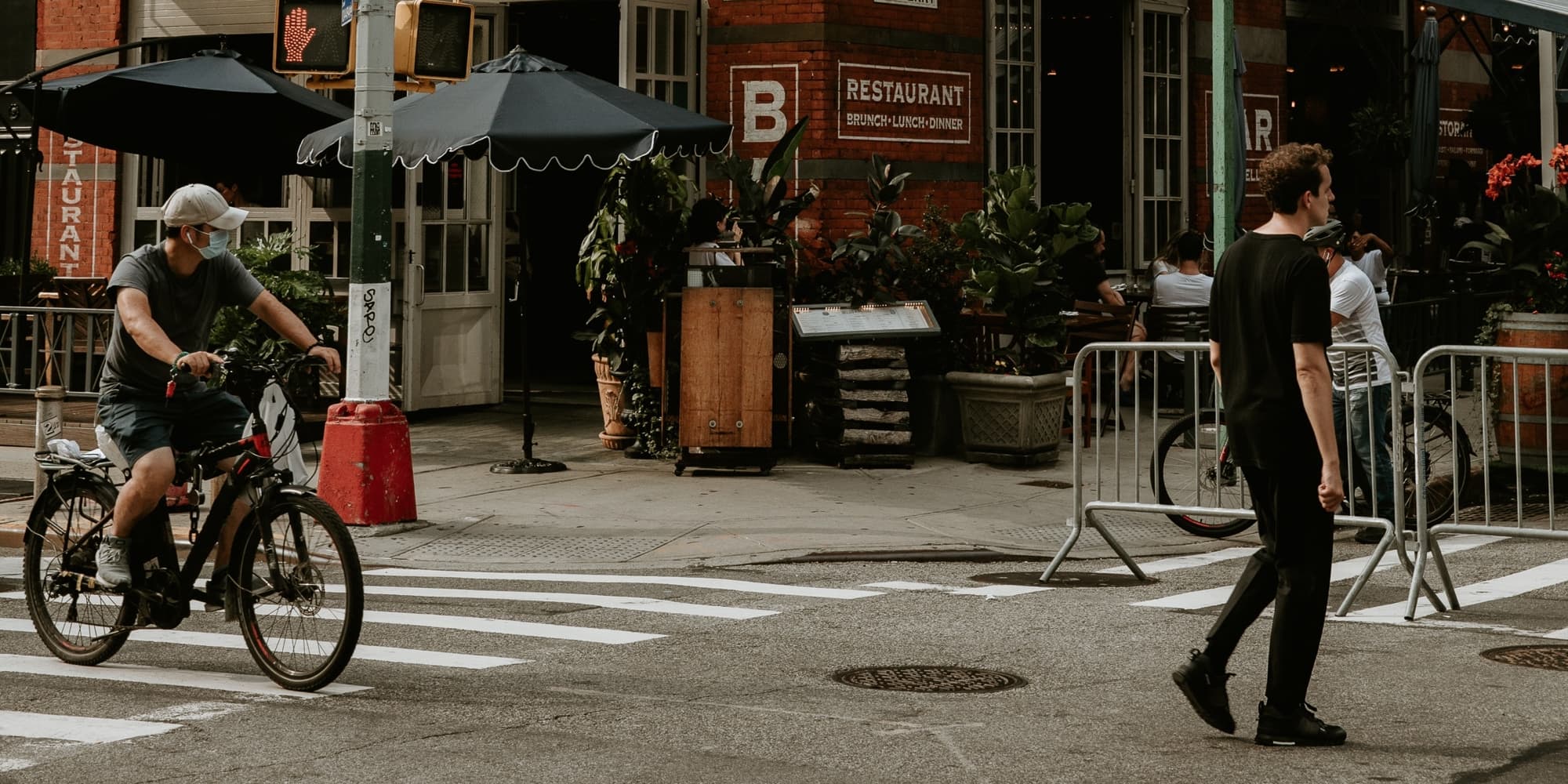
Notably absent from the package is a proposal requiring license plates and registration for all e-bikes and e-scooters, an idea that has been heavily debated in New York. Some advocacy groups criticized its omission, while bicycle advocates argued such a requirement would discourage people from riding legally compliant low-speed e-bikes while doing little to stop riders already ignoring the law.
Top comment by Robert Benson
Micah, I don't doubt the city is going to over react here. However I think its a little disengenous to go into the whole "was hit by an SUV" thing.
This is all in reference to the fatal incident from last month. All indications are that the driver did nothing wrong and the teen veered into traffic without warning. Perhaps a better angle would be the city is not looking at this as an example of needing to do more for safer cycling infrastructure. That said the city's proposal's so far seem semi reasonable. They aren't going full nuclear like neighboring NJ.
The proposals also continue New York City’s focus on regulating the delivery industry rather than individual workers. Council leaders said the goal is to place greater responsibility on food delivery platforms instead of penalizing the city’s roughly 80,000 delivery riders, though some worker advocacy groups remain concerned that increased enforcement could still disproportionately affect immigrant communities.
Many of the proposed bills appear aimed at addressing illegal high-speed electric motorcycles and mopeds that have increasingly been lumped together with conventional e-bikes in the public conversation. That’s an important distinction, as legal Class 1, 2, and 3 e-bikes already operate under strict speed limits and represent only a portion of the broader micromobility landscape.
The City Council is expected to begin hearings on the legislation this fall, setting the stage for another major chapter in New York City’s ever-evolving approach to micromobility regulation.


FTC: We use income earning auto affiliate links. More.



Comments