
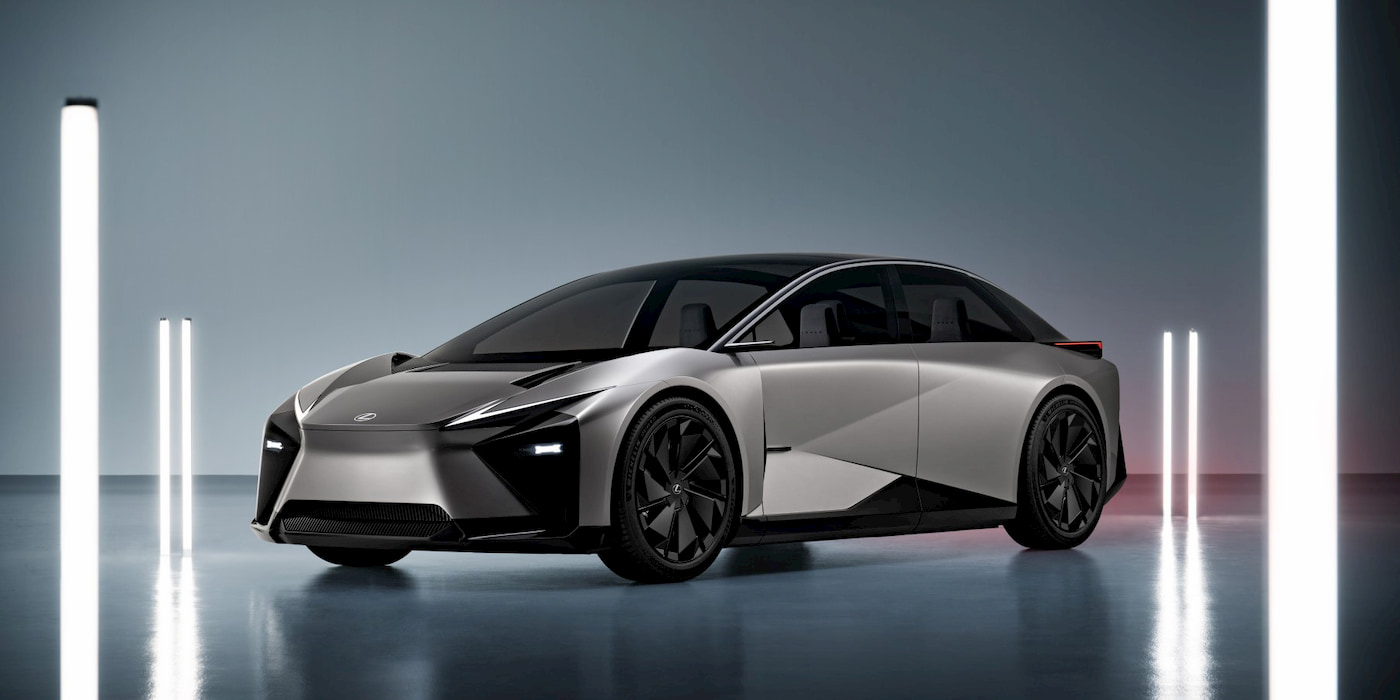
Toyota will at least partially compensate suppliers after the scrapped flagship Lexus EV caused an “unprecedented” impact.
Toyota scrapping its flagship EV is unprecedented
Toyota’s executive vice president, Hiroki Nakajima, confirmed the plans last week, telling Japanese news outlets that “We have discontinued development of the Lexus LF-ZC.”
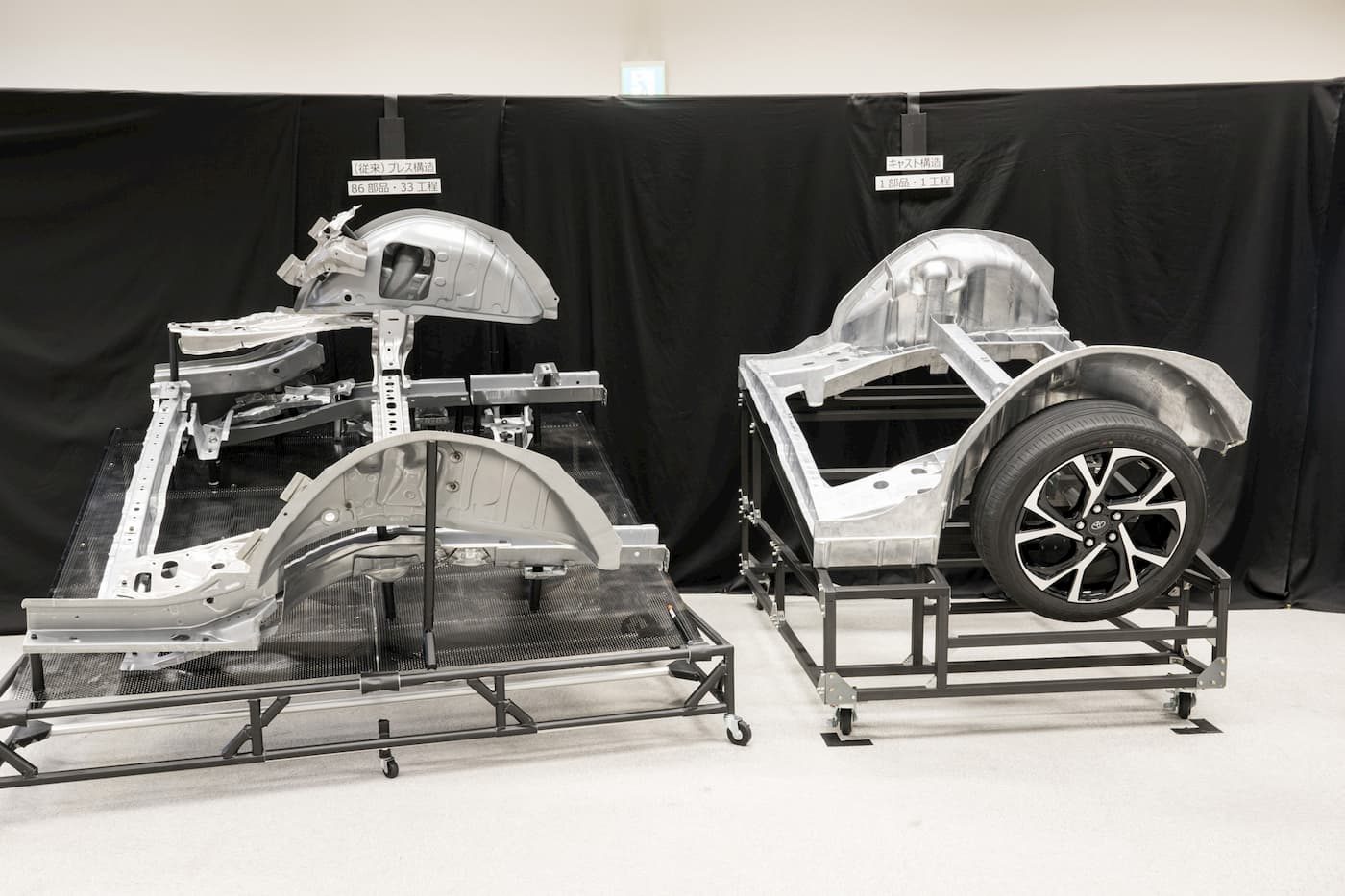
The Lexus LF-ZC was set to introduce Toyota’s latest battery advancements, manufacturing practices like Gigacasting, and other breakthrough EV tech, which it promised would drastically cut costs while improving efficiency.
According to a new report from Nikkei, Toyota will compensate suppliers for some of the costs of canceling its flagship Lexus EV.
Toyota could pay tens of billions of yen in compensation, as some suppliers have already invested in specialized equipment and other tech or resources needed to produce it.
As a flagship model, “the cancellation is an unprecedented shock,” said an executive at one of Toyota’s suppliers, who wished to remain anonymous.
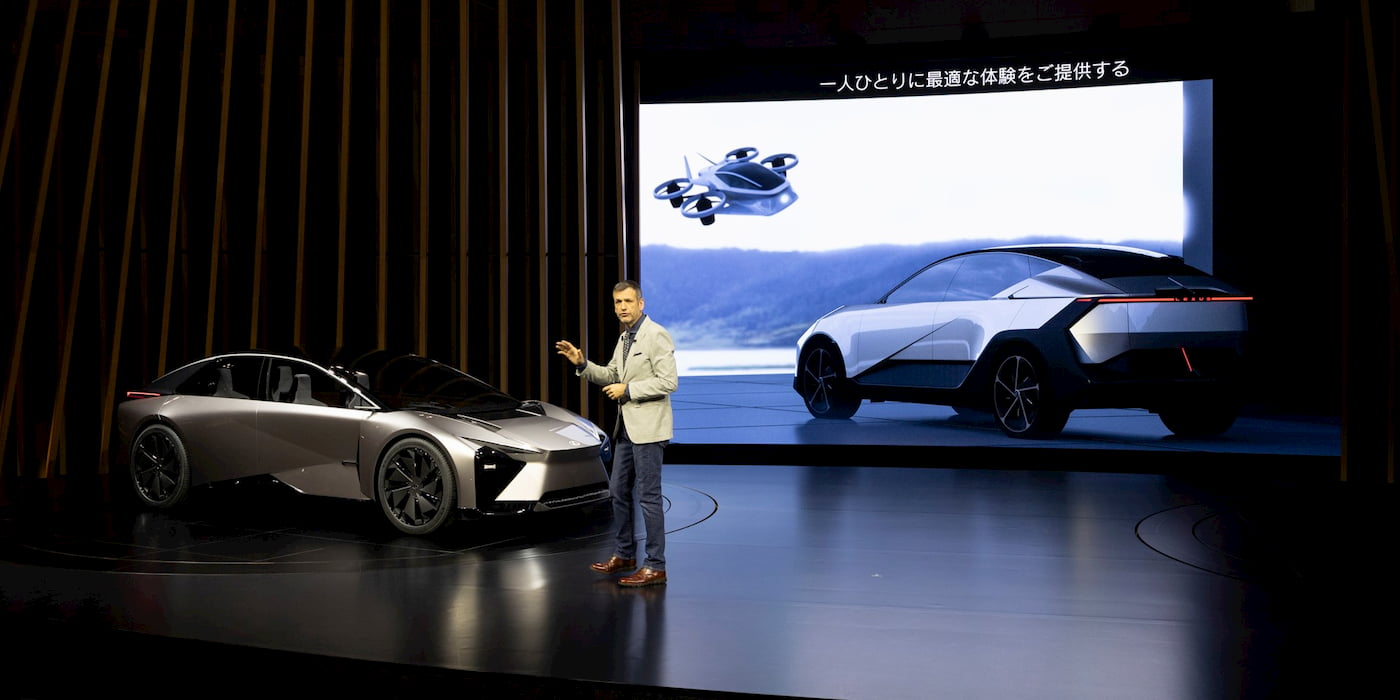
While the Lexus LF-ZC will no longer enter production, Toyota plans to use the new technology on a different model.
“Many new technologies cultivated during the development of the LF-ZC, such as Gigacast, a new electrical and electronic platform for advanced driver-assistance systems (ADAS), and miniaturization and weight reduction, have already been completed,” Nakajima told reporters last week, adding, “We have decided to develop a successor vehicle.”
Toyota unveiled the Lexus LF-ZC at the 2023 Japan Mobility Show, showcasing its latest innovations, which were initially set to enter production this year. Toyota later pushed it back until mid-2027.
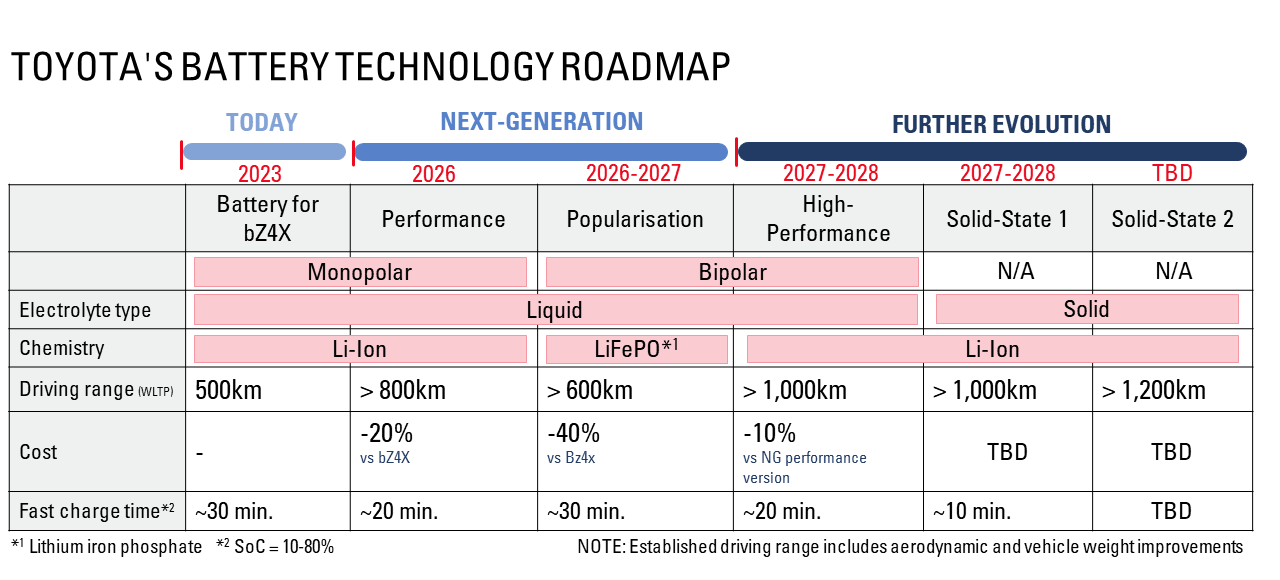
The flagship EV was slated to use its new high-performance prismatic batteries, which Toyota claimed would deliver about triple the driving range of the previous-generation bZ4X and support fast charging in 20 mins.
A source in Toyota told Nikkei that “The cancellation at such a timing is probably the first in Toyota’s history.” The source added, “When we released next-generation vehicles like the Prius hybrid and the fuel cell vehicle Mirai, we often disregarded profitability.”
Electrek’s Take
Toyota reportedly discontinued development because the costs of molding and other new production equipment for the flagship EV were too expensive.
Now, it’s compensating suppliers, engineers, and other partners for investing in the next-generation technology.
While Toyota is still planning to introduce the new tech on a successor model, when and if we ever see it remains unclear.
Toyota’s global sales, including Lexus, fell 7.2% in May, marking its fourth consecutive month of lower year-on-year sales. Although demand was steady in North America and Japan, Toyota blamed rising gas prices and stiff competition for a 32% crash in sales in China.
Meanwhile, Toyota’s battery-electric vehicles (BEVs) helped cushion the blow, with sales rising 170% to 37,313. Through May, Toyota sold 155,074 battery electric vehicles (BEVs), up 138% from the same period in 2025.
Top comment by Nick From Montreal
Toyota's costly mistakes has impacted smaller Japanese manufacturers like Honda, Nissan & Mitsubishi who try to move in locked step with them. Japan as a group bet on hydrogen while China bet on pure electric. They really believed that if they made the cars, oil companies would build the hydrogen infrastructure for them. Spoiler alert: Oil companies only care about their IMMEDIATE profits $$$, not placing bets on a theoretical future.
While internal combustion engine (ICE) vehicles continue falling out of favor, Toyota remains committed to selling vehicles across all powertrains.
The strategy may work in the short term, but with BYD and others stealing buyers in China and other key markets such as Europe, Southeast Asia, and Latin America, it will likely only leave Toyota behind in the long run.
Last month, BYD’s CEO, Wang Chuanfu, said the company will “truly become the No. 1 automaker globally in terms of scale.”
The Chinese EV giant already surpassed Ford to become the sixth-largest automaker in 2025. Where will it rank this year, or in 2027? Let us know your thoughts in the comments below.


FTC: We use income earning auto affiliate links. More.


Comments