
Solid-state batteries promise longer range, faster charging, and improved safety, but durability has been a major hurdle. Researchers in China are getting closer after developing a new solid-state battery electrolyte system that maintained over 84% of its capacity after 350 charge cycles.
Solid-state batteries become a reality, but hurdles remain
For years now, automakers, battery makers, and other startups have been promising the “holy grail” of battery tech, solid-state batteries, are just a few years away.
It’s now becoming a reality as the battery tech moves into the real world. Several companies are now testing or plan to test prototype vehicles equipped with solid-state batteries on public roads.
All-solid-state batteries are often hailed as the “holy grail” of battery tech, with the potential to significantly improve energy density, driving range, and charging speeds while slashing costs.
Although they’ve shown promise in the lab and in limited real-world tests, producing them at scale has not been easy.
All-solid-state batteries use a solid electrolyte, rather than the liquid one used in current lithium-ion batteries.
The issue is finding the right material. Many common sulfide-based solid electrolytes are hard and brittle, making them difficult to bond and leading to poor conductivity.
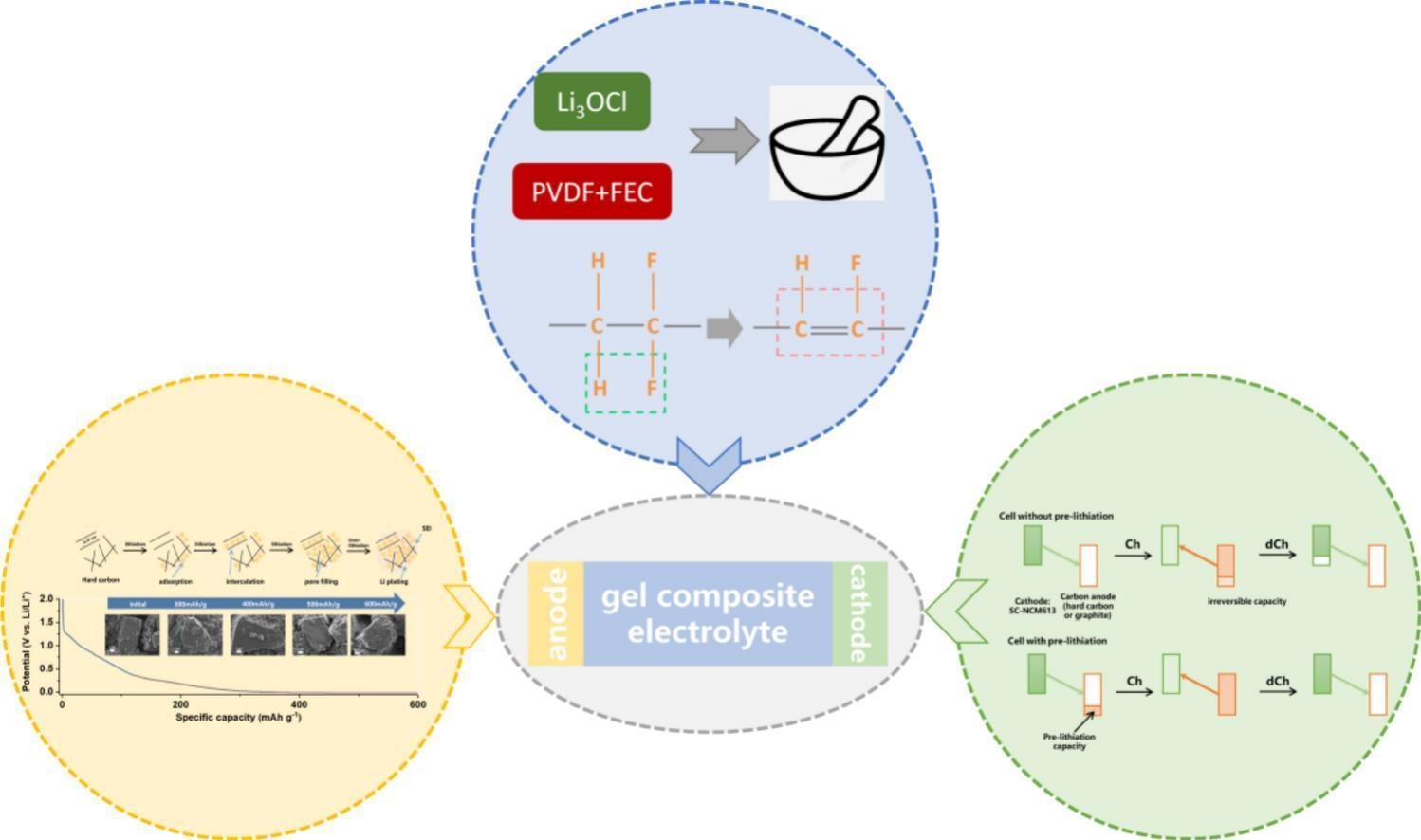
A research team at the Dalian Institute of Chemical Physics, Chinese Academy of Sciences, developed a new PVDF-based gel composite electrolyte that improved ionic conductivity and durability in solid-state batteries.
The findings were published in a recent research study (via ITHome) titled, “An innovative dehydrofluorinated composite gel electrolyte for enhanced solid-state batteries.”
The electrolyte uses lithium oxychloride (Li3OCl) to trigger a reaction with the polyvinylidene fluoride (PVDF) material. The reaction is triggered by the oxygen cells in the Li3OC, creating a Lewis-basic environment.
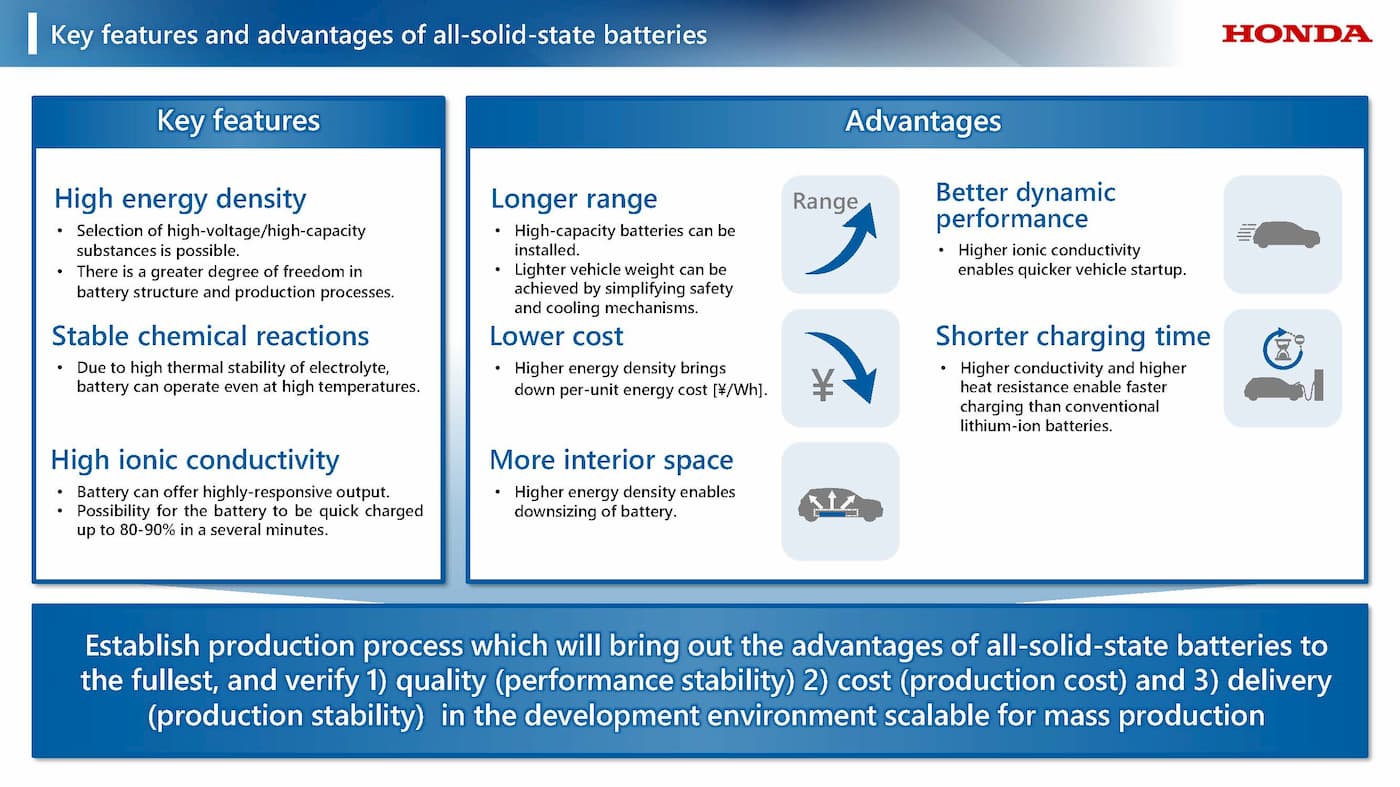
By doing so, it creates stronger chemical bonds between the organic material (PVDF) and the inorganic material (Li3OC). The stronger bonds enable lithium ions to move more quickly and easily through the battery.
In other words, the electrolyte acts like a smoother highway for lithium ions, which could be the key to longer-lasting, faster charging, and safer solid-state batteries.
According to the report, after being charged and discharged 350 times at a 1C rate, the NCA battery cell still retained 84.15% of its original capacity.
The researchers found that “the innovative dehydrofluorination reaction not only enhances the interactions between the organic and inorganic phases but also significantly achieves the fast ionic conductivity and wide electrochemical window of the electrolyte, making it a promising candidate for high-performance solid-state batteries.”
Electrek’s Take
Solid-state batteries are becoming a reality. While 84% still isn’t the best capacity retention rate, other solid-state battery leaders, including Factorial Energy and QuantumScape, have achieved over 1,000 charging cycles with more than 95% capacity remaining.
No specific details were provided in the study regarding range, energy density, or charging speeds, but several companies in China claim their solid-state batteries can achieve a CLTC range of over 1,000 km (621 miles).
Changan Automobile plans to begin trial installations before the end of Q3 2026. With an energy density of 400 Wh/kg, Changan claims its “Golden Bell” all-solid-state battery can deliver over 1,500 km (932 miles) CLTC driving range.
Chery, another leading Chinese car manufacturer, revealed that its all-solid-state battery can also deliver a range of over 1,500 km (932 miles) at its “Battery Night” event in March.
Dongfeng Motors announced earlier this year that it had begun testing a solid-state battery prototype in the extreme cold. The battery boasted an energy density of 350 Wh/kg, which Dongfeng said achieves a range of over 1,000 km (620 miles) under CLTC conditions.
And it’s not just in China. European, Japanese, and US-based companies are racing to bring the “holy grail” of EV batteries to market.
Just over a week ago, Jeep and Ram maker, Stellantis, and Factorial Energy began testing Factorial’s FEST (Factorial Electrolyte System Technology) solid-state battery cells in a Dodge Charger Daytona development vehicle, marking the first time a solid-state battery has been integrated into an EV in North America.
Factorial is working with several major automakers, including Mercedes-Benz, Hyundai, Kia, and Stellantis, to commercialize solid-state EV batteries.
Mercedes-Benz drove a modified EQS over 745 miles (1,200 km) using Factorial’s solid-state battery cells last September. According to Mercedes’ tech boss, Markus Schäfer, Factorial’s battery tech could be a real “gamechanger” for EVs.
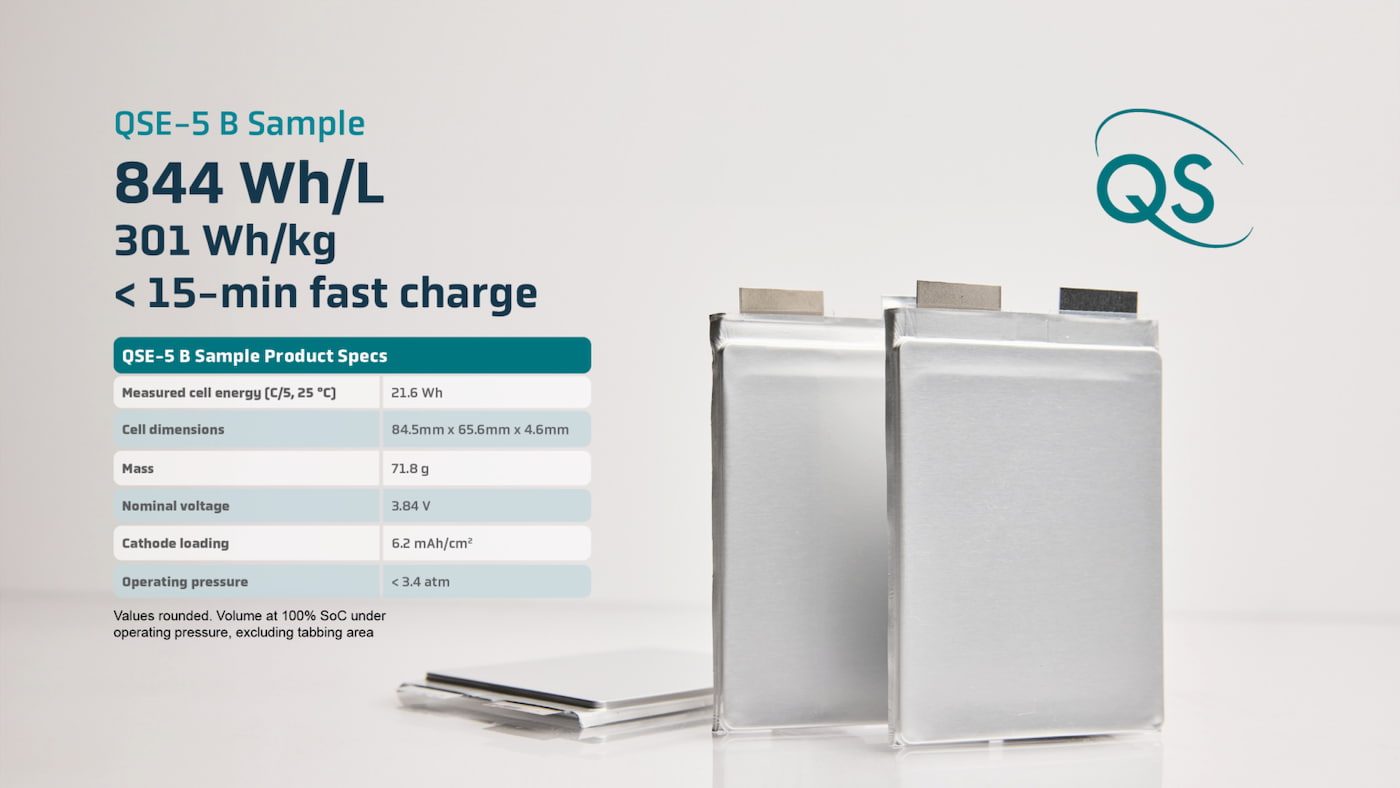
Earlier this week, Honda and QuantumScape announced a new partnership to develop and manufacture solid-state batteries for EVs and other segments.
Source: CarNewsChina, ITHome


FTC: We use income earning auto affiliate links. More.


Comments