
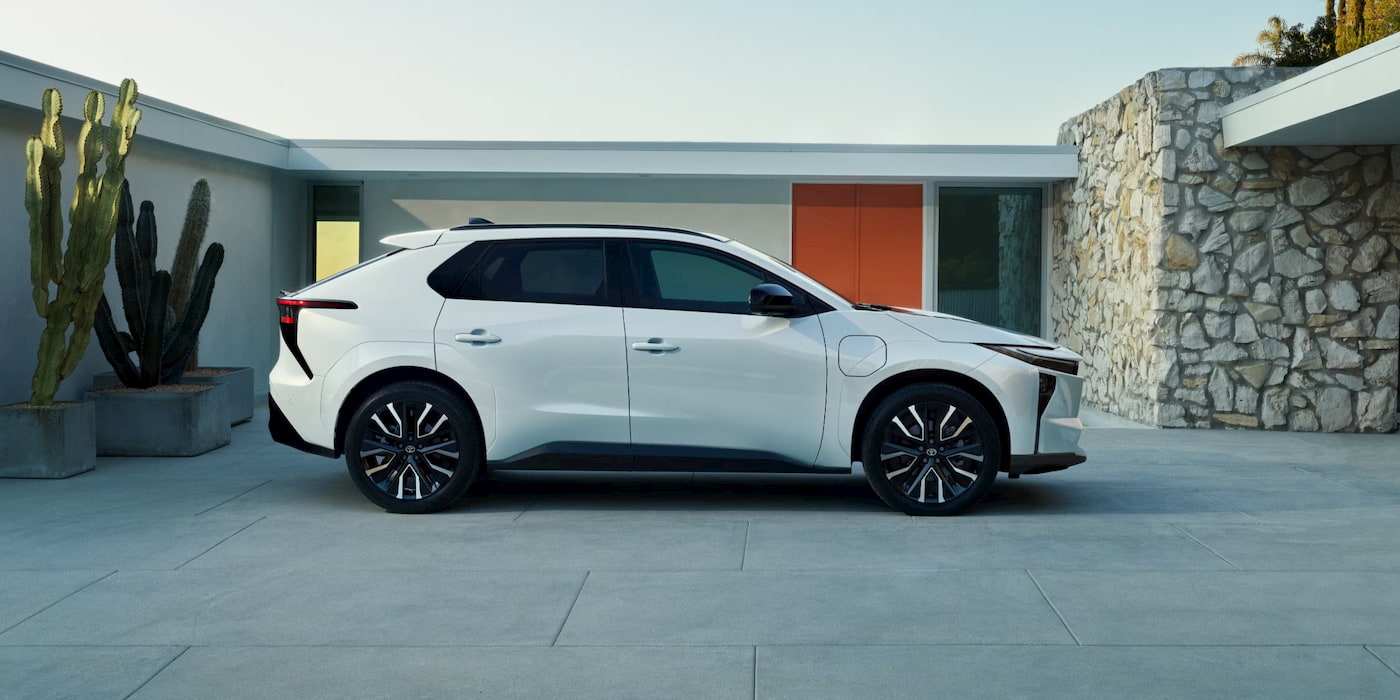
Toyota’s new electric SUVs are selling surprisingly well, becoming top-sellers in several markets. So, why is it pulling back now?
Toyota sees demand for new EVs
After a painfully slow start, Toyota is actually selling electric vehicles. Shortly after launching its first EV, the bZ4X, Toyota issued an urgent recall because the wheels could potentially fall off.
Well, the Japanese automaker is taking another swing at the market with a new lineup of electric SUVs.
After launching the updated 2026 bZ in the US late last year, dropping the “4X”, Toyota’s electric SUV quickly became a top seller. In the first three months of 2026, the bZ was the third-best-selling EV in the US, behind only the Tesla Model 3 and Model Y.
With over 10,000 models sold, Toyota sold more bZs in the first quarter than Ford sold in total (6,860). Last month, bZ sales doubled from May 2025, with 2,646 units sold.
Why is it suddenly selling? Toyota updated the electric SUV in the areas drivers look for most.
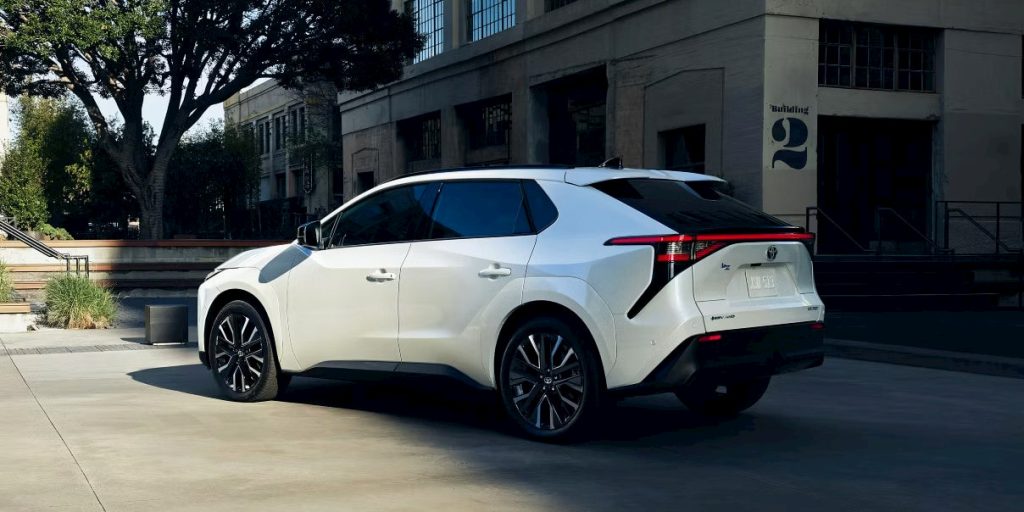
The 2026 bZ offers a 25% improvement in range over the outgoing bZ4X with a larger 74.7 kWh battery providing up to 314 miles. It now also includes a native NACS port, making it much easier to find public fast charging with access to Tesla Superchargers.
It also helps that the 2026 Toyota bZ is among the most affordable EVs in the US, starting at under $35,000.

Three new electric SUVs
Toyota now offers three electric SUVs in the US: the bZ, C-HR, and bZ Woodland. In its first full month on sale, Toyota sold over 1,500 C-HR models.
The sporty crossover is about 6.7″ shorter and has a 3.9″ shorter wheelbase than the bZ, and comes with standard all-wheel drive (AWD). The dual motor AWD setup delivers a combined 338 horsepower, enabling it to accelerate from 0 to 60 mph in 4.9 seconds.
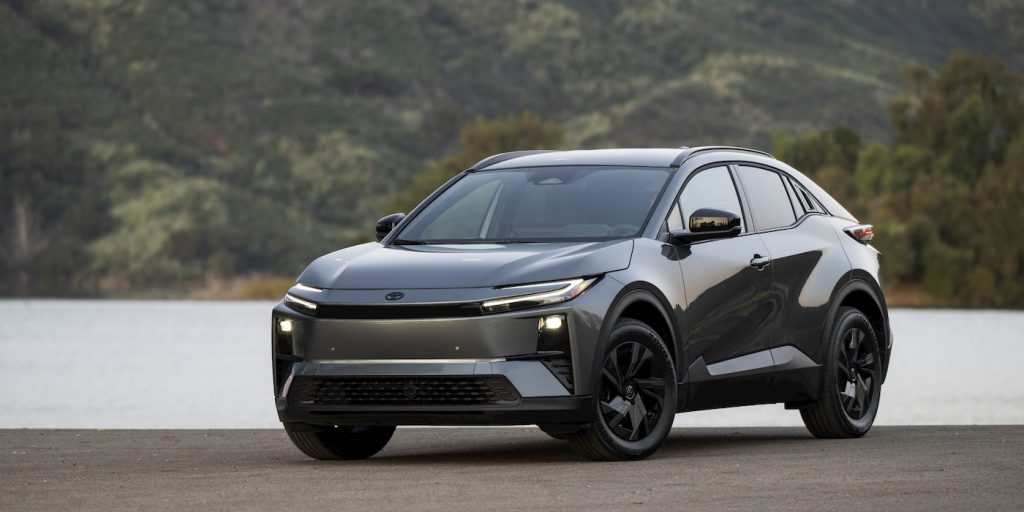
It’s available in two trims, SE and XSE, with prices starting at $37,000 and $39,000, respectively. While the C-HR uses the same 74.7 kWh battery, the added power sacrifices some range, with up to 287 miles.
The bZ Woodland is a larger, more rugged version of the standard bZ. It’s about 6″ longer than the 2026 bZ, with up to 74.3 cubic feet of storage with the second row seats folded.

Like the C-HR, the bZ Woodland is equipped with a dual-motor all-wheel-drive (AWD) powertrain with Toyota’s X-MODE control system. The setup delivers a combined 375 horsepower, 37 hp more than the standard bZ and Toyota’s most powerful EV yet.
The bZ Woodland also uses the same 74.7 kWh battery as the standard bZ, but its EPA-estimated driving range drops to 281 miles due to the added weight and power.
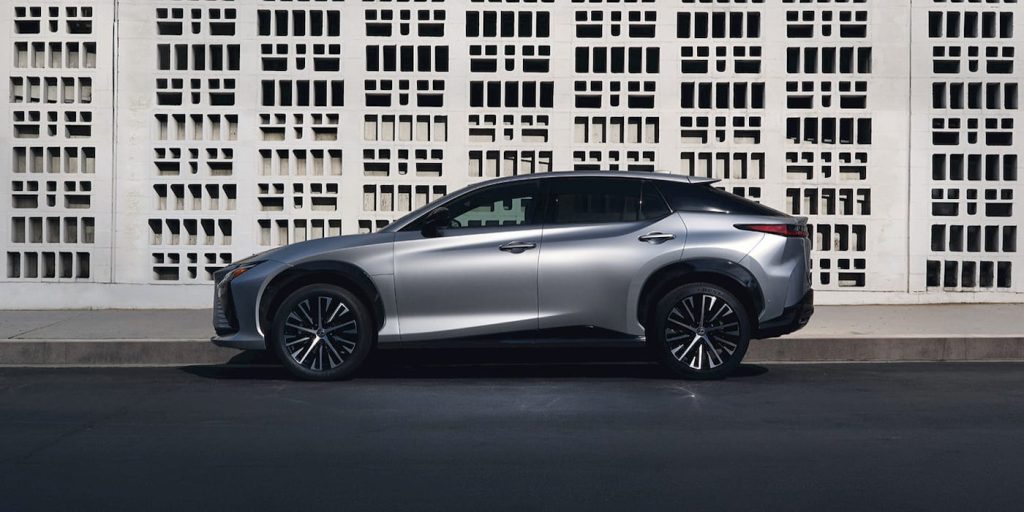
With similar updates, the 2026 RZ, Lexus’ electric SUV, is also seeing considerably higher demand. In the first quarter, the RZ outsold every Cadillac electric SUV.
So why scrap the Lexus LF-ZC?
So, why is Toyota scrapping plans to launch the flagship Lexus electric sedan? Toyota ended development of the Lexus LF-ZC last week to focus on larger SUVs.
A company spokesperson told Automotive News the reason was due to “fluctuations in market demand and the workload associated with vehicle planning and manufacturing.”
The electric sedan was considered a key project, set to debut a number of new technologies like gigacasting, next-gen batteries, and a dedicated software platform.
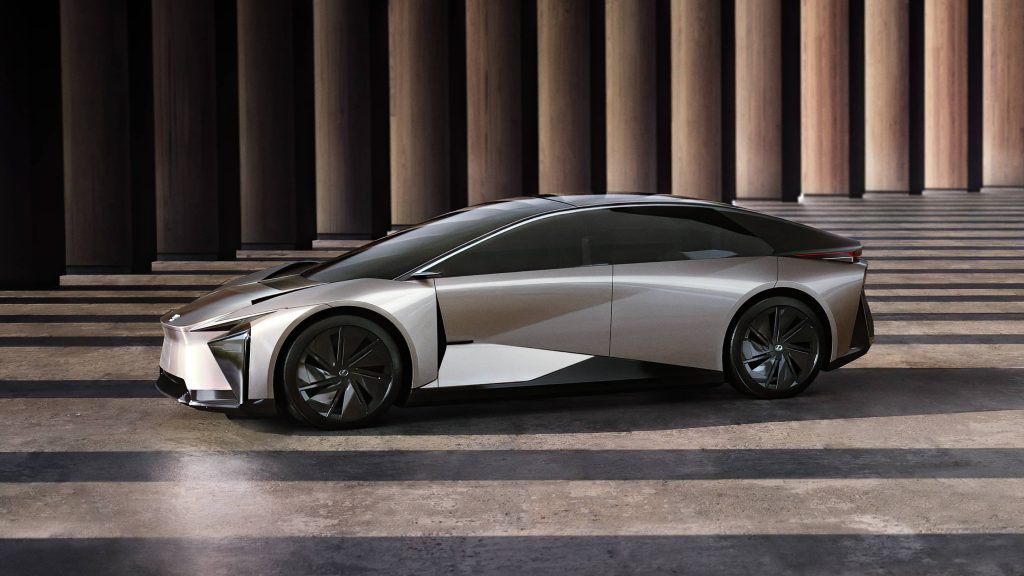
While production was initially expected to begin later this year, it doesn’t look like we will ever see a production version of the flagship Lexus EV sedan.
“We decided to cancel the LF-ZC development project as part of a company-wide review of vehicle development projects,” Toyota’s spokesperson said, adding, “The cancellation of this specific development project does not mean we have given up on developing next-generation BEVs.”
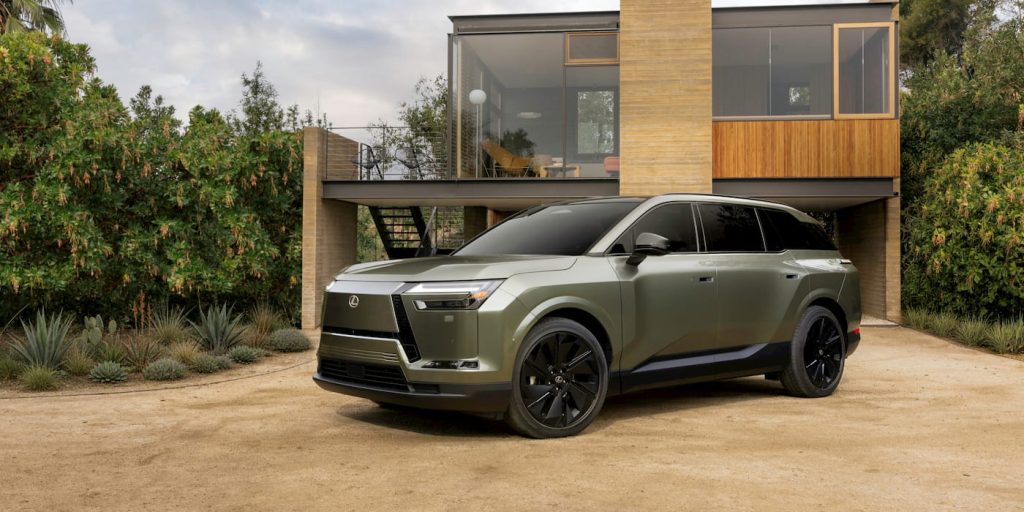
The announcement comes less than a month after Toyota revealed the 2027 Lexus TZ, the luxury brand’s first three-row electric SUV. It will go on sale later this year alongside the Toyota Highlander BEV.
Electrek’s Take
While Toyota is finally selling electric vehicles, by delaying another major EV project, it’s opening the door for Chinese automakers like BYD to continue stealing market share in some of its biggest markets.
BYD does not sell passenger vehicles in the US, but it has already become the top-selling EV brand in the UK, Australia, and other major markets.
Top comment by Elysia
This halo sedan wasn’t going to move the needle much. However I think the bigger issue is that it might mean their next gen technology like solid state batteries is still not ready. But from what I recall their timeline was still 2028 or so for that.
Toyota already relies on BYD to sell vehicles in China, and now plans to sell them in overseas markets. By delaying the inevitable shift to purely electric vehicles, Toyota is only putting itself further behind.
If Toyota were planning to use resources from the canceled Lexus EV to fund more affordable EVs, such as the updated bZ (bZ4X overseas), that would be one thing. However, that doesn’t seem to be the case.
The luxury EV sedan was doomed from the start. Toyota has stuck to its “multi-pathway” strategy, which still includes selling vehicles with all powertrains: EV, PHEV, HEV, FCEV, and ICE.
With the new 2026 models now at dealerships, Toyota is offering up to $5,500 off in lease cash incentives, or 0% APR financing for 72 months, plus an extra $1,500 cash incentive to move inventory. If you’re interested in seeing one in person, we can help you get started. You can click the links below to find available Lexus and Toyota models in your area.


FTC: We use income earning auto affiliate links. More.



Comments