
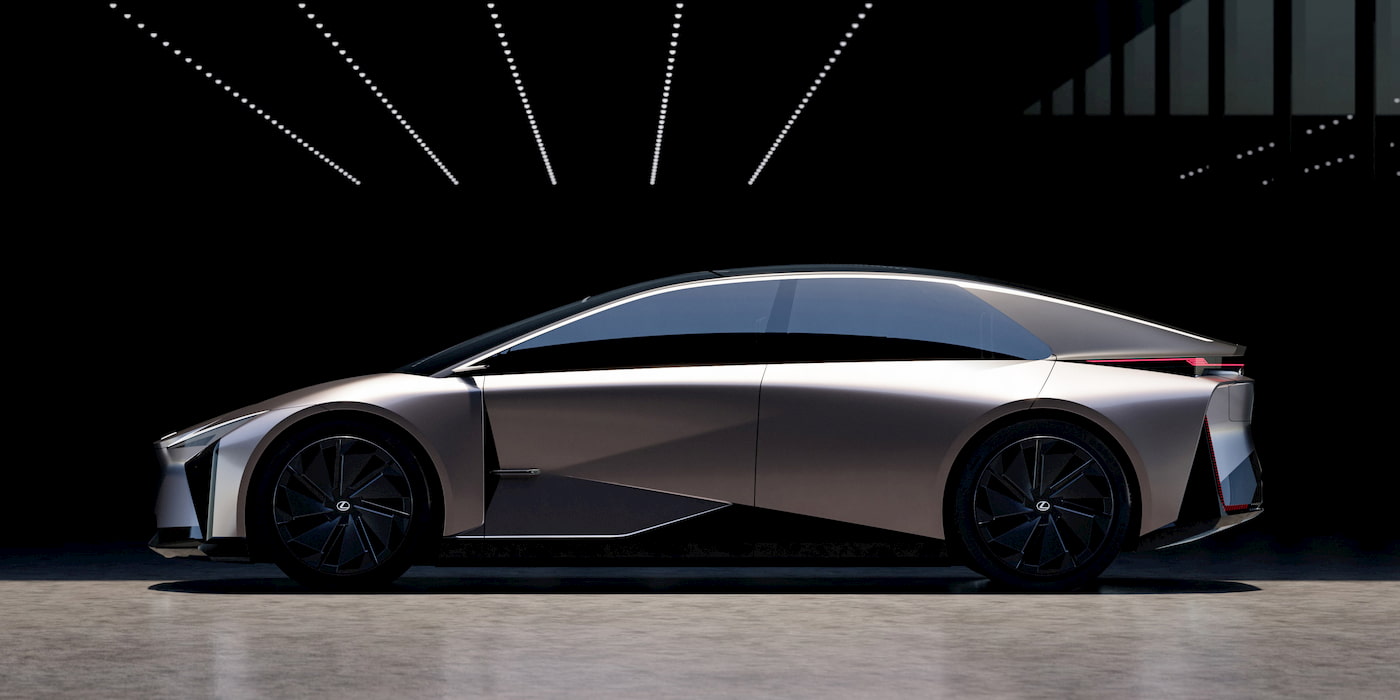
The low-slung Lexus LF-ZC electric sedan is dead. Toyota is scrapping plans to launch the next-gen luxury EV, which was expected to enter production later this year with advanced new batteries and a dedicated platform.
Toyota ends Lexus LF-ZC EV development
After unveiling the Lexus LF-ZC concept at the Japan Mobility Show in 2023, Toyota said the production model would arrive in 2026, debuting a slate of new technologies.
Like Tesla and several other automakers at this point, Toyota planned to produce it using gigacasting technology that would split the vehicle body into three parts, front, center, and rear, to cut costs.
By using advanced new high-performance prismatic batteries, Toyota said it aimed for the electric sedan to achieve about twice the driving range of traditional EVs and significantly faster charging speeds.
The digitized Intelligent Cockpit was expected to offer a next-level personalized experience, powered by its new “Arene OS” software platform. Powered by AI, the system acts as a personal companion, providing route and mode recommendations based on driver habits.
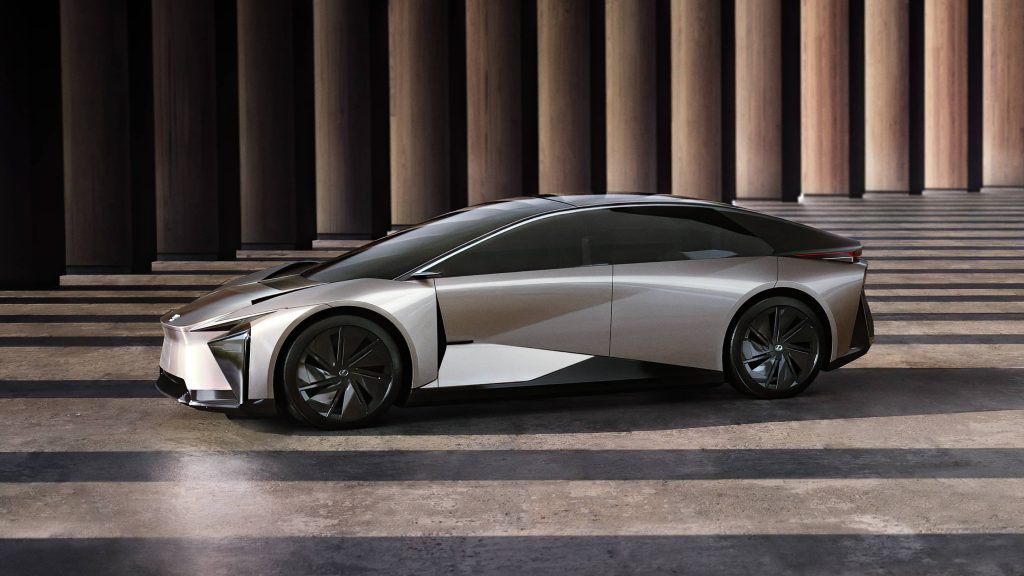
While it sounded promising, like most of Toyota’s claims over the years, it looks like we’ll never actually see the production version.
According to a new report from Nikkei, Toyota has ended development of the Lexus LF-Z. Instead, the Japanese automaker will focus on larger SUVs and other (likely gas-powered) vehicles.
A Toyota spokesperson confirmed with Automotive News that the flagship Lexus EV is being discontinued due to “fluctuations in market demand and the workload associated with vehicle planning and manufacturing.”
While production was initially scheduled to begin this year, Toyota later delayed it until mid-2027. Now, it apparently won’t ever go into production. Or, at least not in the foreseeable future.
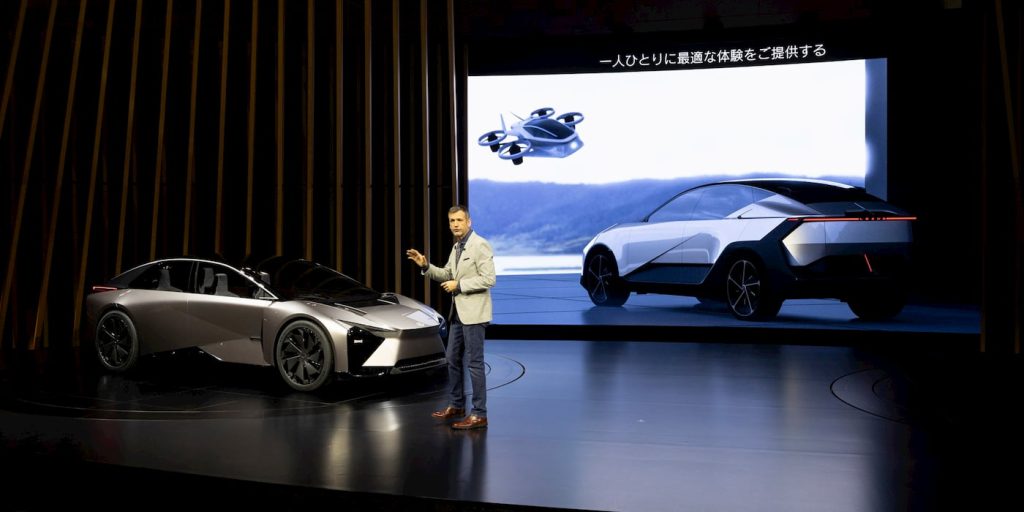
Toyota will continue advancing next-gen tech, including gigacasting and solid-state EV batteries, and will “explore” the possibility of introducing a next-generation EV again. It may also expand the tech to vehicles with other powertrains.
“We decided to cancel the LF-ZC development project as part of a company-wide review of vehicle development projects,” the spokesperson said, adding, “The cancellation of this specific development project does not mean we have given up on developing next-generation BEVs.”
While the report claims the reason is “a global slump in EV sales” (which is false, global EV sales are rising) and US policy changes under the Trump administration, Toyota is actually finally selling purely electric vehicles.


Thanks to the updated bZ4X (bZ in the US) and low-cost EVs made in China, like the popular bZ3X, Toyota’s EV sales were up 42% last year to 190,000.
In the first quarter, the Toyota bZ was the third-best-selling EV in the US behind the Tesla Model Y and Model 3. However, with the recent policy changes, Toyota apparently doesn’t believe a luxury EV sedan would sell in the US.
The move comes less than a month after Lexus unveiled the 2027 TZ, its first purely electric three-row SUV. The Lexus TZ will go on sale later this year alongside the Toyota Highlander BEV.
Electrek’s Take
It shouldn’t come as a surprise, given how many times Toyota has delayed or canceled major EV projects.
The Lexus LF-ZC was doomed from the start. Even with EV sales rising, Toyota has stuck to its “multi-pathway” strategy that still includes all powertrains: EV, PHEV, HEV, FCEV, and ICE.
Top comment by John R
Toyota has an opportunity to knock it out of the park with a well-priced and well-specced Corolla EV. I think the massive success of the Model 3 is proof enough that the demand is there for sedans when they're actually good and priced right.
Now if they make a Corolla Hatchback EV, then they'll really have my attention.
While it may seem like just another canceled EV project, Toyota will likely fall even further behind Chinese brands like BYD, which owns nearly every aspect of its supply chain. Toyota, on the other hand, relies on BYD and other Chinese tech leaders to sell cars not just in China, but overseas as well.
Toyota is the latest Japanese automaker, following Honda and Nissan, to discontinue development of a major EV project, blaming changing market conditions.
The flagship EV was expected to play a key role in Toyota’s push for Lexus to sell 1 million EVs annually by 2030 and to become an EV-only brand by 2035. Now what? Another target Toyota will push back?
While Japanese automakers continue to delay the inevitable shift to electric, BYD sold a record 160,000+ vehicles overseas last month. Now it’s going on a full-scale overseas attack with its first kei car, the Racco EV, going on sale in Japan next month. It’s also launching the Dolphin G DM-i, a plug-in hybrid that can drive over 1,000 km (621 miles), its first car designed exclusively for overseas markets, like Europe.


FTC: We use income earning auto affiliate links. More.



Comments