
When most people think about how a bicycle frame is built, they probably imagine sparks flying from a welding torch.
That’s certainly how the vast majority of aluminum bike frames are made. But one British e-bike company is taking a very different approach, and it has more in common with Aston Martin sports cars and aerospace engineering than traditional bicycle manufacturing.
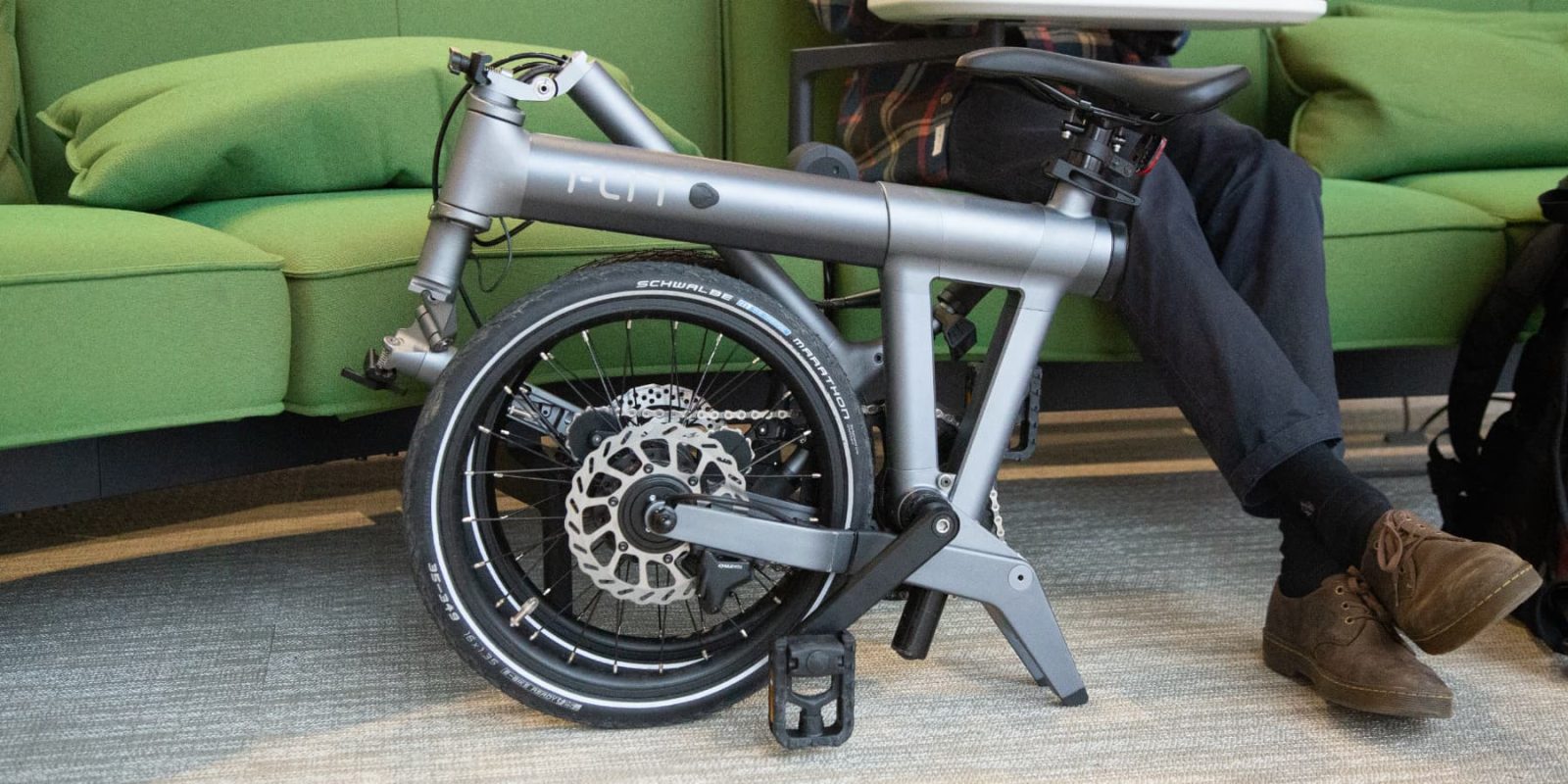
Cambridge-based folding e-bike maker FLIT says it is scaling up production of its lightweight FLIT M2 electric bicycle using a manufacturing process known as adhesive bonding.
And before you picture someone squeezing a tube of hardware-store glue onto a bike frame, that’s not what’s happening here.
Adhesive bonding is actually a highly advanced manufacturing technique that has been used for decades in industries where strength, precision, and weight matter tremendously. The process was famously pioneered in vehicles like the Lotus Elise and has since found its way into cars from Aston Martin, Tesla, and numerous aerospace applications.
Rather than welding aluminum tubes together using high heat, manufacturers use specialized structural adhesives engineered to create incredibly strong bonds between precision-machined components.
The reason is surprisingly simple. Heat can be both a blessing and a curse when building lightweight aluminum structures. Welding introduces significant heat into the material, which can change the properties of the metal near the weld point, distort components, and require additional processing to maintain alignment and strength.
For a conventional bicycle frame, that’s often manageable. But for a small, precision folding e-bike, where multiple components must align precisely and lock together with tight tolerances, even minute amounts of distortion can become problematic.
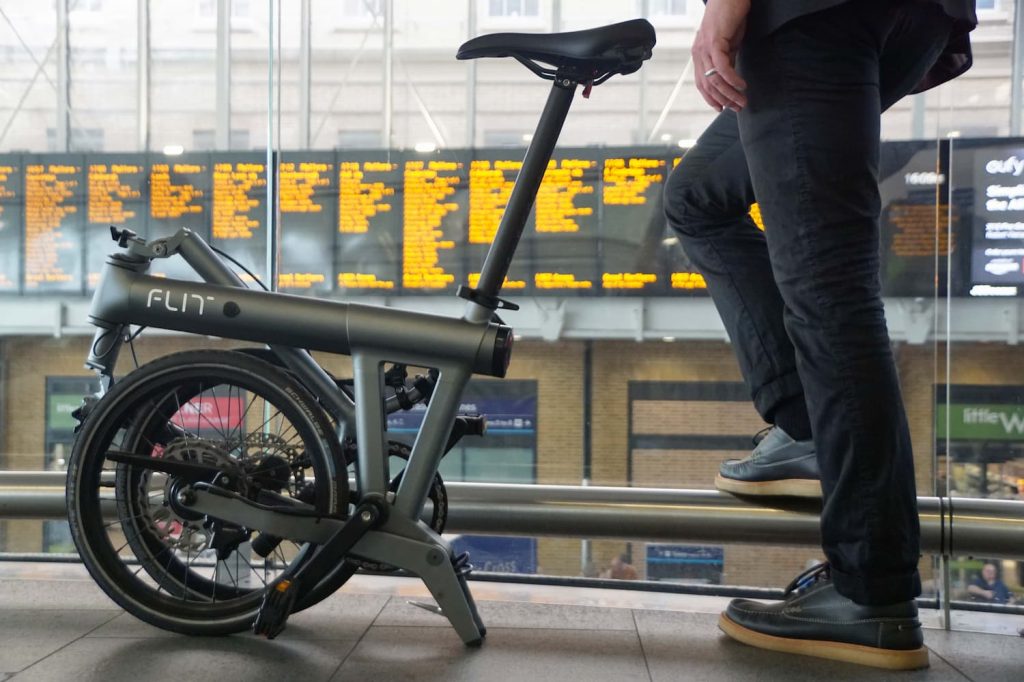
FLIT says adhesive bonding allows it to assemble frame sections at much lower temperatures, avoiding many of those issues while maintaining tighter dimensional accuracy.
That’s particularly important on the company’s FLIT M2 folding e-bike, where the frame’s folding mechanisms need to fit together precisely every time.
The company says it developed its manufacturing process with support from organizations including Innovate UK, the Royal Academy of Engineering, and the Advanced Propulsion Centre, helping adapt techniques commonly found in automotive and aerospace applications for bicycle manufacturing.
And the ability to perform that manufacturing locally in the UK gives FLIT a leg up over other British and European e-bike makers that claim local manufacturing but actually source pre-welded frames from Asia.

Another interesting benefit is weight reduction.
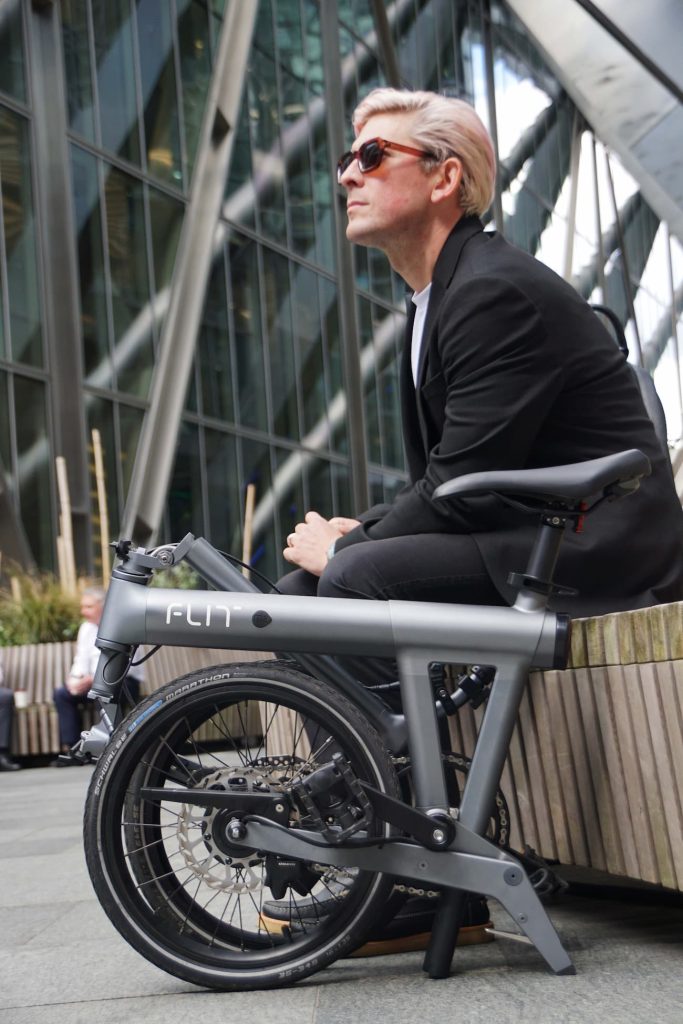
The FLIT M2 tips the scales at just 14.5 kg (32 lb), making it notably lighter than many electric folding bikes. I tested the bike myself once and found it a fun, pint-sized ride that feels as light as it looks. According to the company, adhesive bonding helps achieve that low weight without relying on more expensive materials such as carbon fiber or titanium.
That’s even more important here because lightweight folding e-bikes often become prohibitively expensive once manufacturers start chasing lower weights with exotic materials.
Instead, FLIT appears to be using advanced manufacturing techniques to get many of the same benefits while staying with aluminum construction.
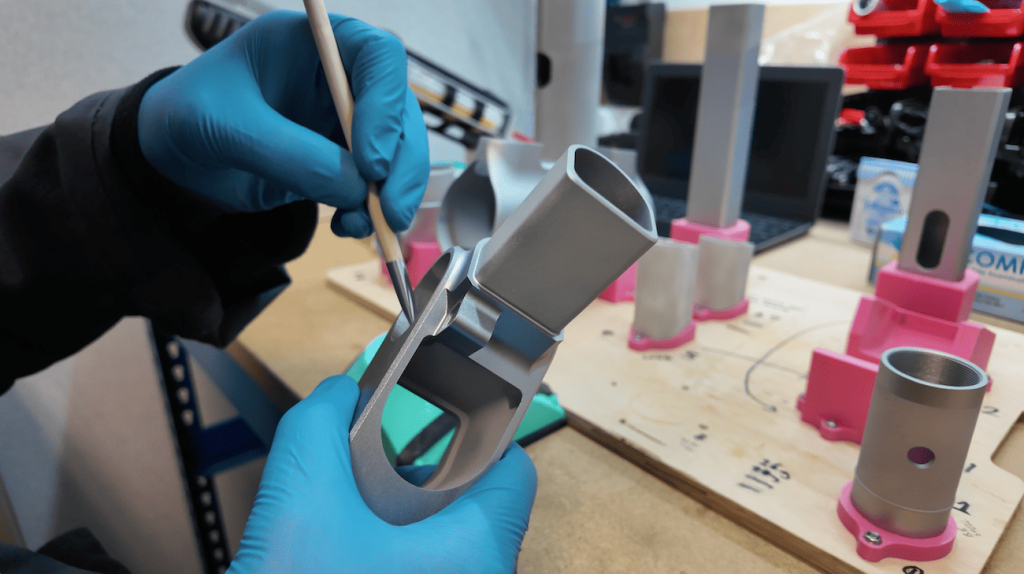
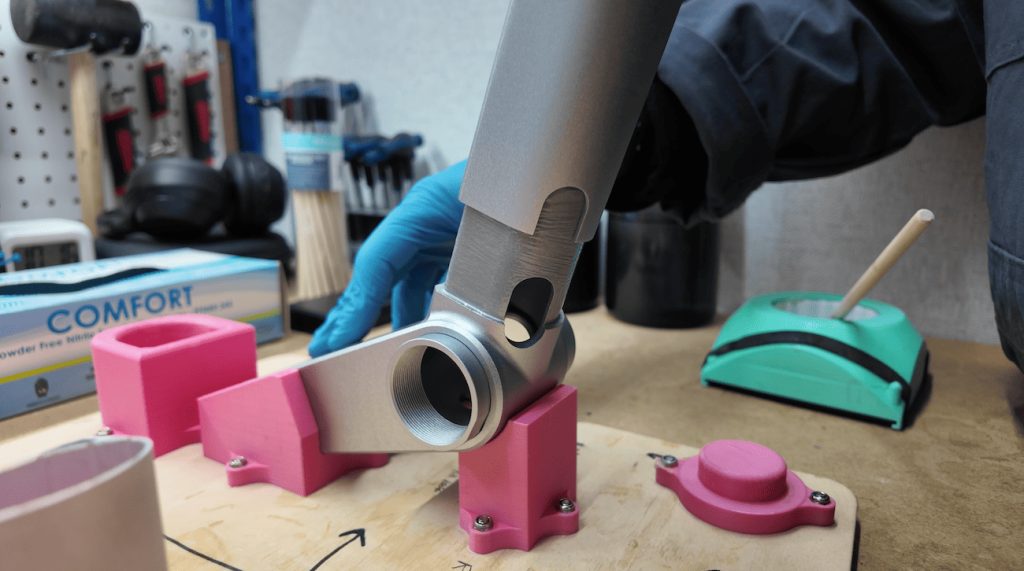
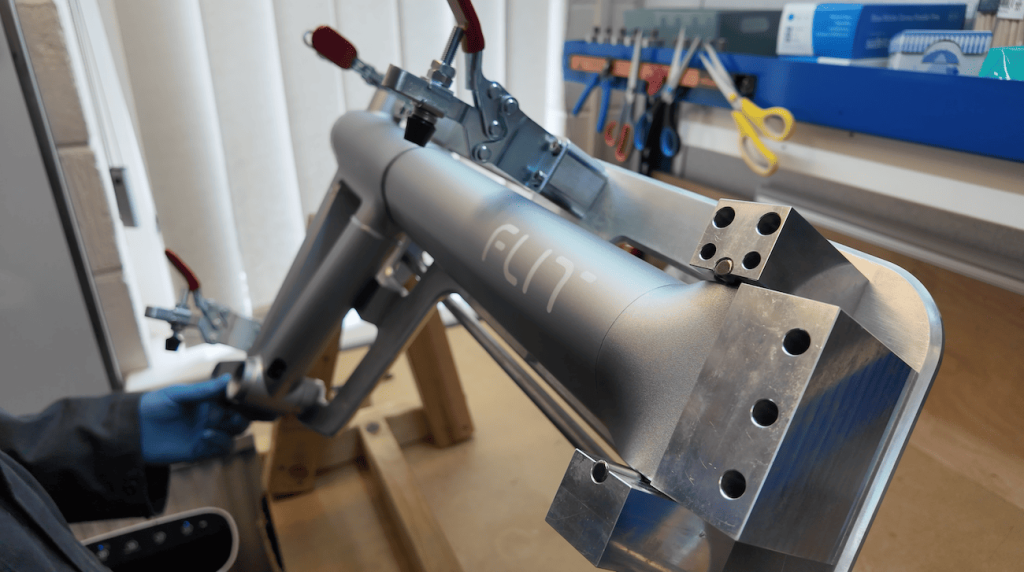
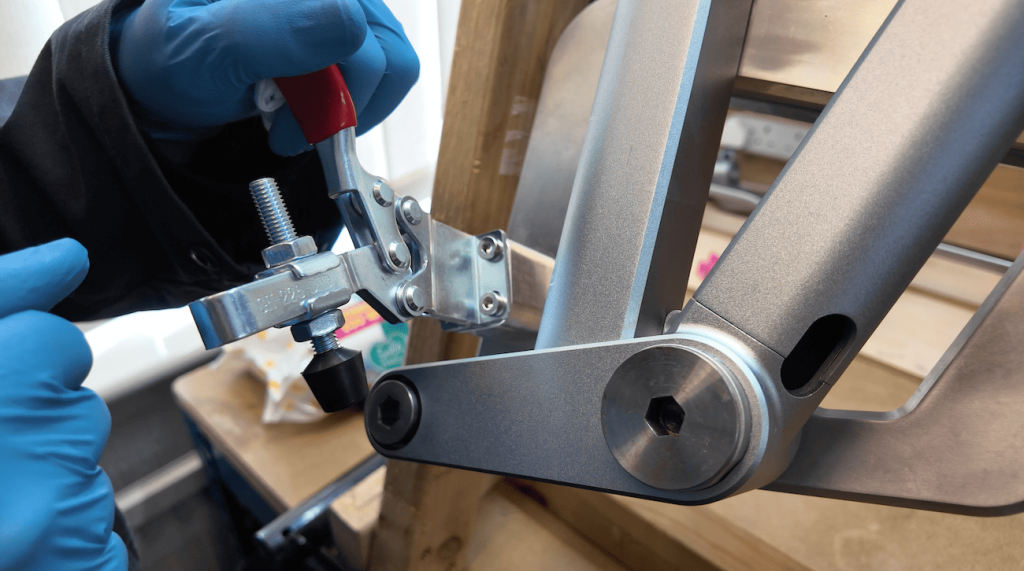
The company also notes that adhesive bonding itself isn’t new to bicycles. Similar concepts were experimented with decades ago, but early adhesives and manufacturing techniques often lacked the consistency and durability needed for widespread adoption.
Modern structural adhesives, however, have advanced dramatically. Today’s aerospace- and automotive-grade bonding systems are engineered to withstand enormous loads, temperature swings, moisture exposure, and years of use.
In many cases, properly designed bonded joints can actually distribute forces more evenly than welded joints, reducing stress concentrations that can occur around weld beads.
Electrek’s Take
One of the most interesting things about e-bikes is that they continue to bring technologies from other industries into the cycling world.
We’ve seen that with battery development, connected electronics, automotive-grade lighting systems, radar sensors, and now even manufacturing techniques.
Top comment by Doug T
I used to have a Raleigh mt bike with aluminum tubes bonded into steel gusset. The seat tube came unbonded during an big downhill. Suddenly I had a rear suspension!
Rayleigh and bike shop replaced the frame under warranty, but took 3 months
FLIT’s adhesive-bonded frame is a good reminder that “glued together” doesn’t necessarily mean cheap or weak. In fact, some of the world’s most advanced vehicles rely on exactly the same principle.
Whether adhesive bonding becomes more common in the bicycle industry remains to be seen. Welding is deeply entrenched, relatively inexpensive, and extremely well understood.
But if manufacturers are looking for ways to reduce weight, improve precision, and allow the use of more innovative and creative frame designs, it’s easy to see why a company building premium folding e-bikes would take inspiration from Aston Martin and Lotus instead of traditional bike factories.
After all, if it’s good enough for a sports car doing 180 mph (290 km/h), it’s probably good enough for an e-bike commuting to work.


FTC: We use income earning auto affiliate links. More.



Comments