
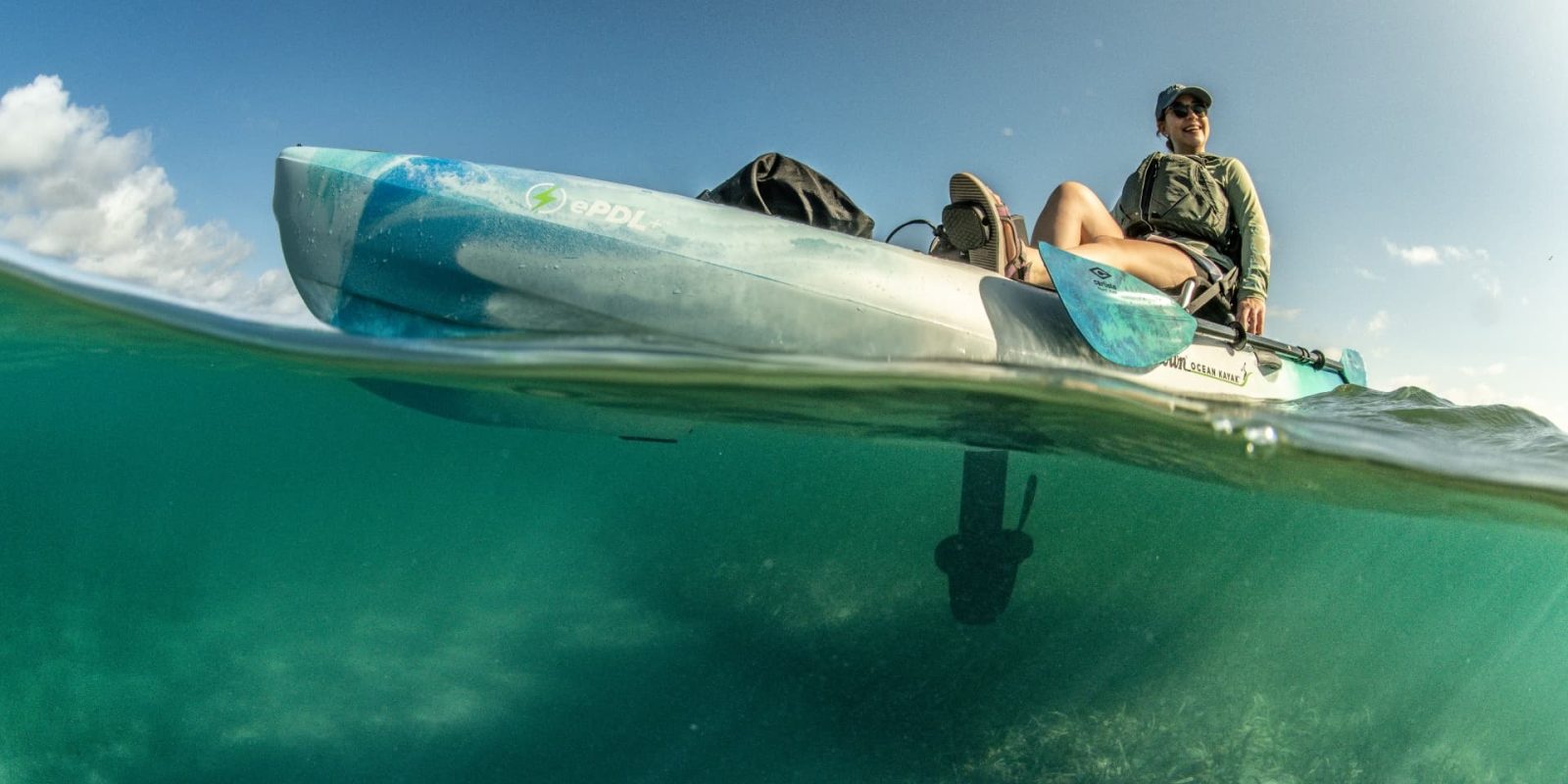
Electric propulsion has already transformed the way we ride bikes on land, and now the same idea behind e-bikes is quietly reshaping how we get around on the water. Electric kayaks are bringing a similar concept to the water, making marine excursions more accessible than ever.
Old Town recently announced a slate of new kayaks that lean heavily into electric and pedal-assist propulsion, including models that blur the line between traditional paddling and fully motorized boating.
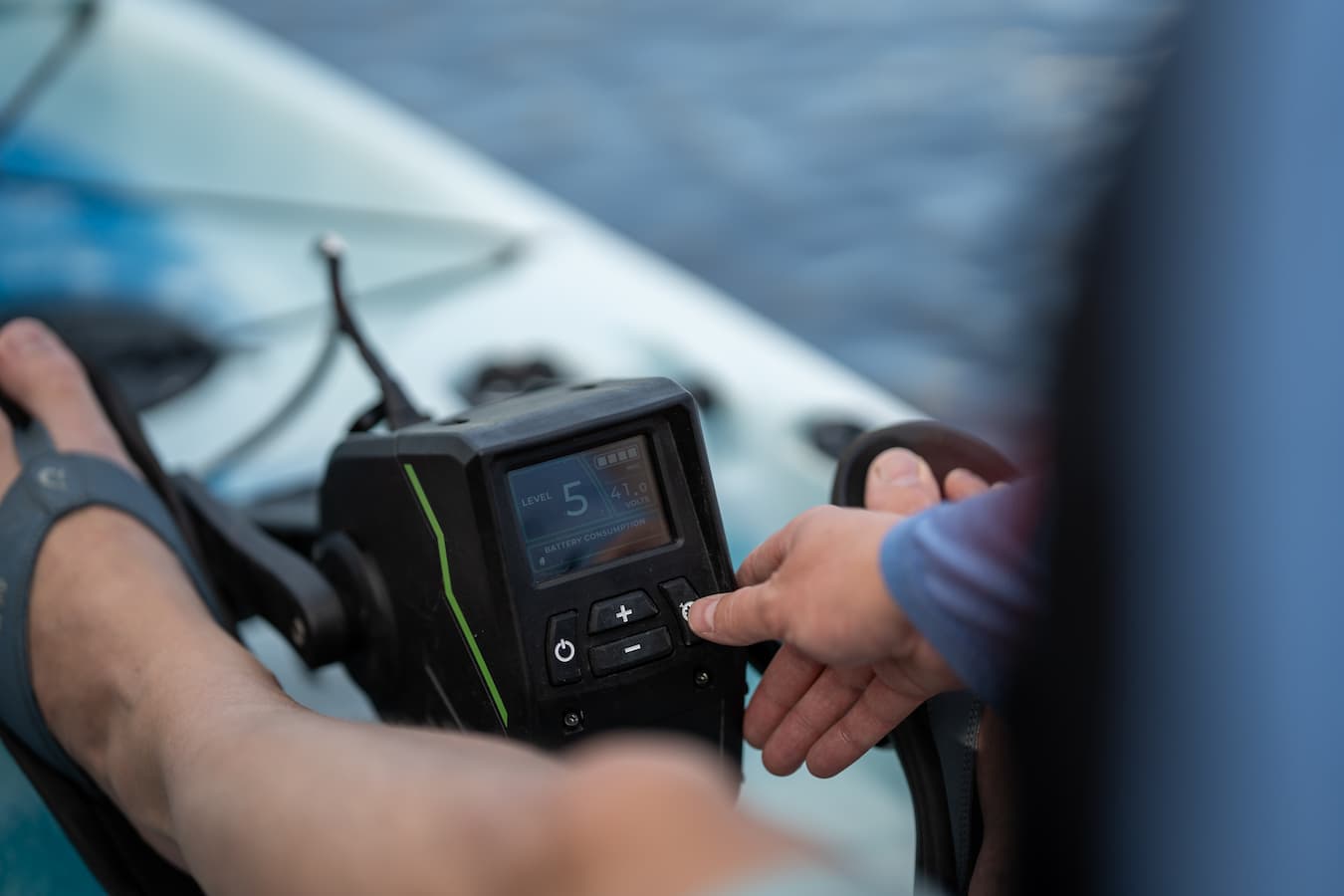
The company’s new Sportsman PDL 120 PRO and ePDL+ 120 PRO are aimed at anglers, with the latter offering a mix of manual pedaling, power-assisted pedaling, and even full-on cruise control via an onboard motor and a 36V battery system. Meanwhile, the recreational lineup expands with models like the Malibu ePDL+ 120, which also supports multiple propulsion modes, and the Sonata 106 MK, a compact motorized kayak complete with a Minn Kota motor, throttle control, and even Bluetooth speakers for good measure.
If that all sounds familiar, it should. This is essentially the e-bike playbook, just floating.
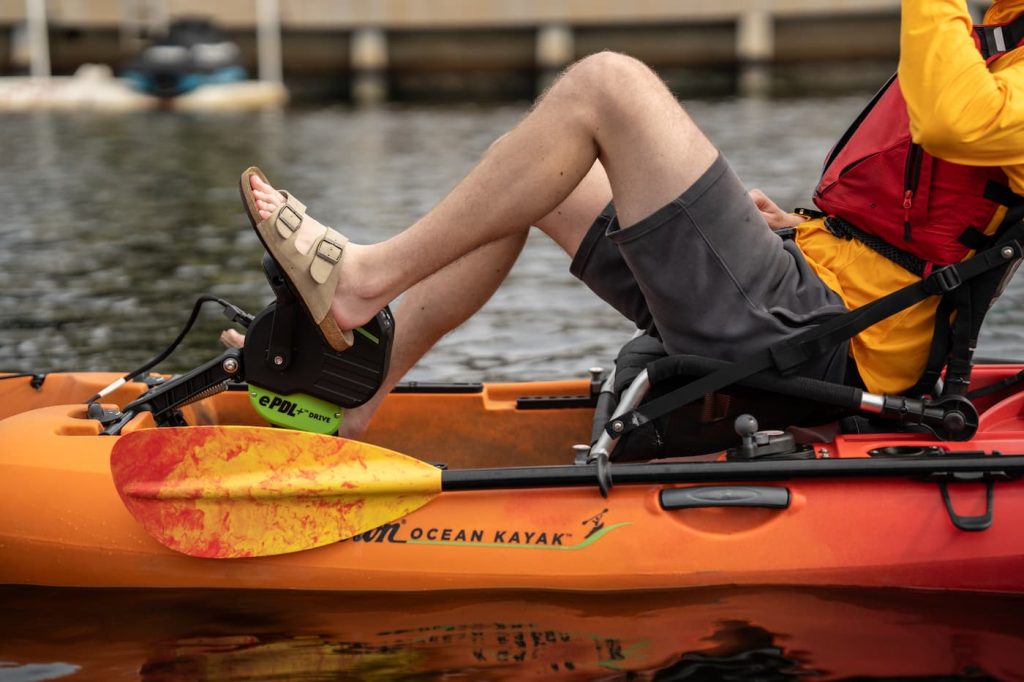
Instead of replacing paddling entirely, many of these new kayaks augment it. Kayakers can pedal when they want exercise, switch to pedal assist when they get tired and want a little extra help, or let the motor take over entirely for a relaxing motorboat experience. It’s the same “choose your effort level” philosophy that helped e-bikes explode in popularity over the last decade.
And just like e-bikes, the real story here isn’t just about convenience, but also about access.
Traditional kayaking can be physically demanding. Long distances, wind, currents, or even just a casual afternoon outing can be a real barrier for people who don’t have the strength, endurance, or mobility to paddle for extended periods. Electric assist changes that equation dramatically.
Suddenly, the water opens up to a much wider audience. Older riders, beginners, people recovering from injuries, or even just folks who want a more relaxed experience can now spend hours on the water without worrying about whether they have the energy to make it back to shore.
We’ve already seen this effect play out with e-bikes, where riders who hadn’t been on a bicycle in years are now commuting, exploring, and replacing car trips. Electric kayaks seem poised to follow a similar trajectory, especially as outdoor recreation continues to surge in popularity.
There’s also a functional side to this shift. Anglers, photographers, and casual explorers benefit from hands-free propulsion, allowing them to focus on what they’re actually out there to do. In many of these new models, users can steer with their feet while the motor or pedals handle propulsion, freeing up their hands entirely.
Of course, just like e-bikes, this category will likely face its own growing pains. Questions around pricing, battery safety, and even how these craft are regulated compared to traditional kayaks or small boats will all need to be sorted out. In some areas, even a small electric motor like the one found on these kayaks can require registration in public waterways. But it also opens options, such as on a growing number of lakes where small motorboats with combustion engines are banned, but electric propulsion is allowed.
Either way, zooming out shows that the trend is clear: electric assist is changing more than just how we move on roads and bike paths. It’s expanding into rivers, lakes, and coastal waters too.
And if the trajectory of e-bikes is anything to go by, these “e-bikes of the water” might just be getting started.


FTC: We use income earning auto affiliate links. More.


Comments