
Tesla Energy Ventures has secured a licence from Ofgem, the UK energy regulator, to supply electricity directly to households and businesses across England, Wales, and Scotland. The licence, effective March 11, marks a significant milestone in Tesla’s six-year push to become a full energy provider in Britain.
The approval comes despite thousands of public comments opposing the application, and it positions Tesla to replicate its Texas-based retail electricity model across the Atlantic.
Years in the making
Tesla’s path to becoming a UK electricity supplier has been a long and deliberate one. The company first secured an electricity generation licence from Ofgem back in June 2020, when it was approved as an electric utility in the UK. At the time, the purpose was unclear — Tesla hadn’t even deployed solar products in the UK yet.
What followed was a series of strategic moves that built Tesla’s energy footprint across Britain. The company deployed Megapack battery storage systems at scale, including the Pillswood project near Hull, which became Europe’s biggest battery at 196 MWh when it came online in late 2022. Tesla’s Autobidder AI software was making power companies nervous by autonomously trading energy on the grid.
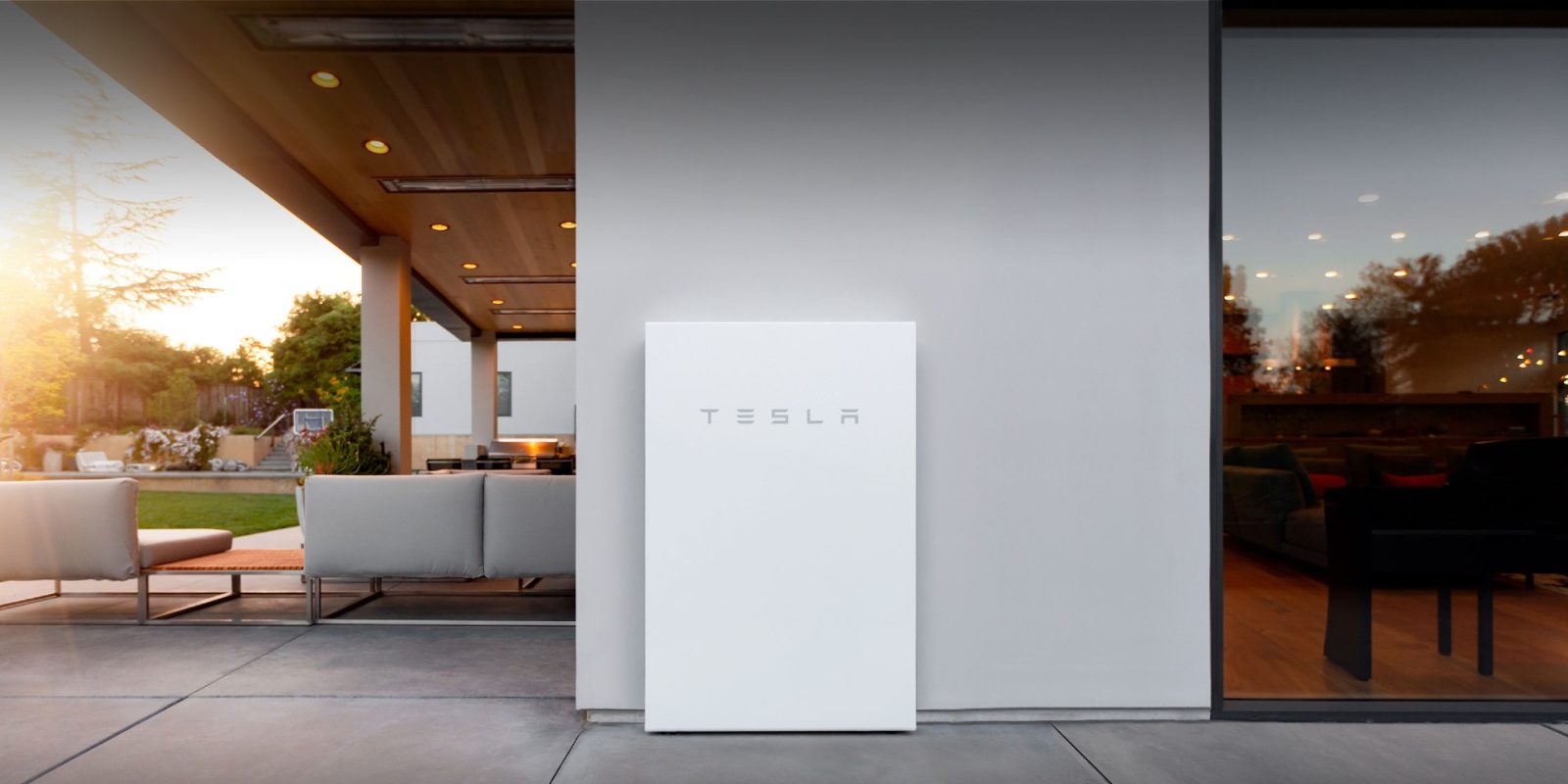
Tesla also partnered with Octopus Energy to offer the Tesla Energy Plan, giving Powerwall owners in the UK special electricity rates and connecting them to a virtual power plant (VPP) network. That Octopus partnership always looked like a stepping stone, and now it’s clear that’s exactly what it was.
By 2023, Tesla Electric was actively preparing to expand in the UK, posting job listings for a “Head of Operations, Tesla Electric – Retail Energy” in Britain. The company formally applied to Ofgem for the supply licence last year.
What the licence allows
The new licence authorizes Tesla Energy Ventures Limited to sell electricity directly to both domestic and non-domestic customers across Great Britain. Ofgem confirmed the application underwent a full assessment process between July 2025 and March 2026.
As a licensed supplier, Tesla must comply with all standard UK electricity market conditions, including consumer protection, billing transparency, financial resilience, and fair treatment obligations. Ofgem will maintain ongoing regulatory oversight.
One notable limitation: the licence does not allow Tesla to offer dual fuel contracts combining electricity and gas. That’s an electricity-only play, which fits Tesla’s identity as an all-electric company.
The Texas playbook
Tesla is widely expected to bring its Tesla Electric model from Texas to the UK. In Texas, Tesla Electric operates as a retail electricity provider offering 100% renewable power. The service doesn’t require customers to own Tesla products — anyone in an eligible area can sign up.
The core of the model relies on Tesla’s integrated ecosystem. Customers with Powerwalls can earn credits by exporting stored energy back to the grid, with sellback rates updating every 15 minutes. EV owners can charge during off-peak hours for a flat monthly price. Tesla’s Autobidder AI manages the energy flow, buying low and selling high across the grid in real time.
When enough Powerwalls are connected, they form a virtual power plant that provides grid services and lowers costs for all participants. Tesla has paid Powerwall owners $10 million through virtual power plants across its programs.
Massive grid-scale storage backing it up
Tesla’s retail ambitions in the UK are backed by serious grid-scale infrastructure. In December, the company signed a massive 1 GWh Megapack project with Matrix Renewables for a 500 MW battery energy storage system in Eccles, Scotland. The project sits along critical transmission corridors between Scotland and England, where it will store excess wind energy that would otherwise be curtailed.
Mike Snyder, Tesla’s VP of Energy and Charging, called it a “landmark project.” All planning permissions have been secured and construction can commence. When completed, it will rank among the largest standalone battery installations in Europe.
That’s on top of multiple earlier Megapack deployments across the UK, including projects that helped alleviate hundreds of millions in grid balancing costs during the pandemic.
Opposition didn’t stop it
The licence approval was far from uncontested. As we reported last August, Ofgem was swamped with opposition during the public comment period. Over 8,400 people used a Best for Britain campaign to contact the regulator, arguing Elon Musk’s political activities and spread of misinformation should disqualify Tesla from entering UK energy markets.
Musk’s growing unpopularity in the UK has already hit Tesla’s car business — UK vehicle sales fell 60% year-over-year in mid-2025. The opposition to the energy licence reflected that same sentiment.
But Ofgem ultimately determined the application met all statutory licensing requirements. The regulator assessed the application on its technical and regulatory merits, not on public opinion about the company’s CEO.
Electrek’s Take
This is the culmination of a strategy Tesla has been executing for six years in the UK, and it’s a significant moment for Tesla Energy globally. The company now has the full regulatory stack in Britain: an electricity generation licence (since 2020), massive grid-scale storage deployments, a proven VPP network through the Octopus partnership, and now a retail supply licence to sell directly to customers.
The Texas model is the obvious template. If Tesla can offer UK households cheaper electricity through a combination of renewable generation, Megapack grid storage, and Powerwall-connected VPPs, all managed by Autobidder AI, it could genuinely disrupt a market where energy bills remain a top concern for British consumers.
The real question is whether Musk’s toxicity in the UK will undermine the business before it gets off the ground. Tesla’s cars are already suffering from brand damage, and electricity is a product where trust matters enormously.
But unit economics matter the most for homeowners. If the value is there, they will look over Musk.
We’ll be watching closely to see when Tesla Electric officially launches service in the UK and what pricing looks like compared to incumbents like Octopus Energy, British Gas, and EDF.


FTC: We use income earning auto affiliate links. More.



Comments