
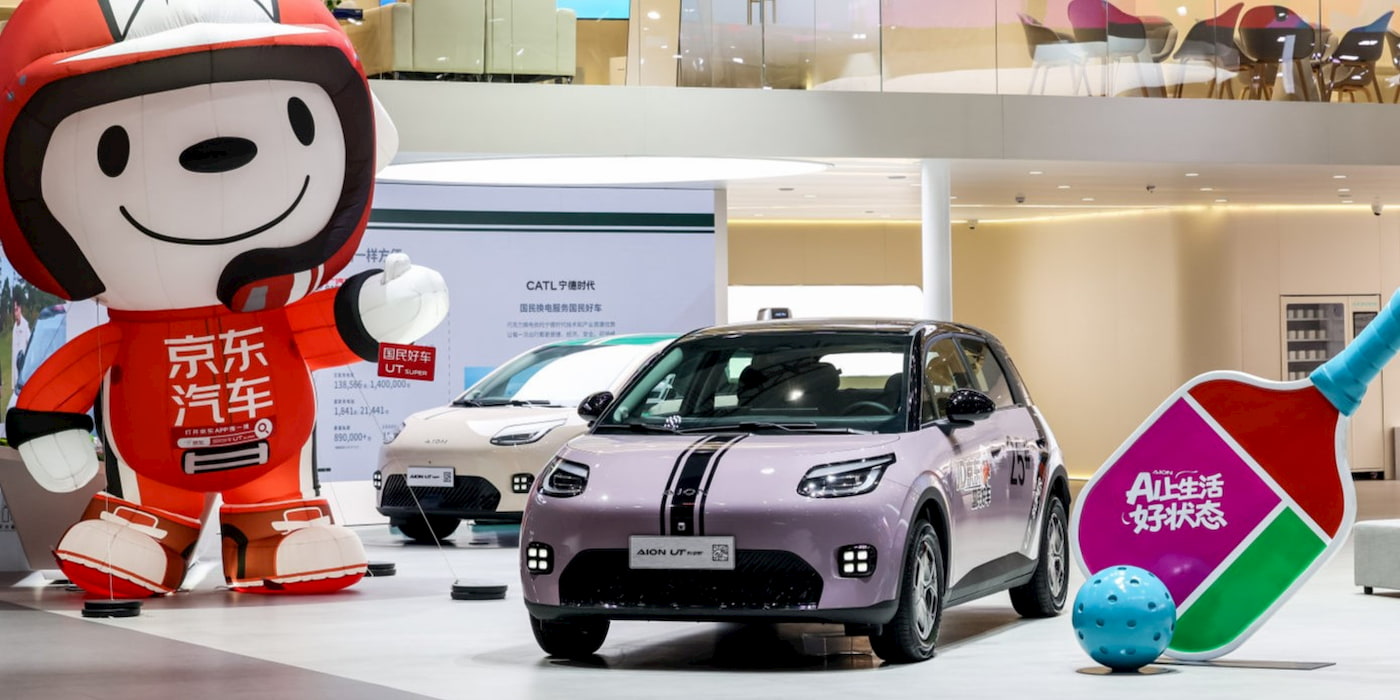
CATL filed an international patent, detailing how its solid-state battery cell and electrolyte material can help overcome one of the biggest challenges in bringing the new tech to market.
CATL patent explains new solid-state EV battery system
CATL widened its lead in the global EV battery market last year, accounting for nearly 40% sales. To stay ahead, the company is advancing new battery chemistries, including sodium-ion and solid-state, promising to unlock considerable improvements in driving range, charging speeds, and safety.
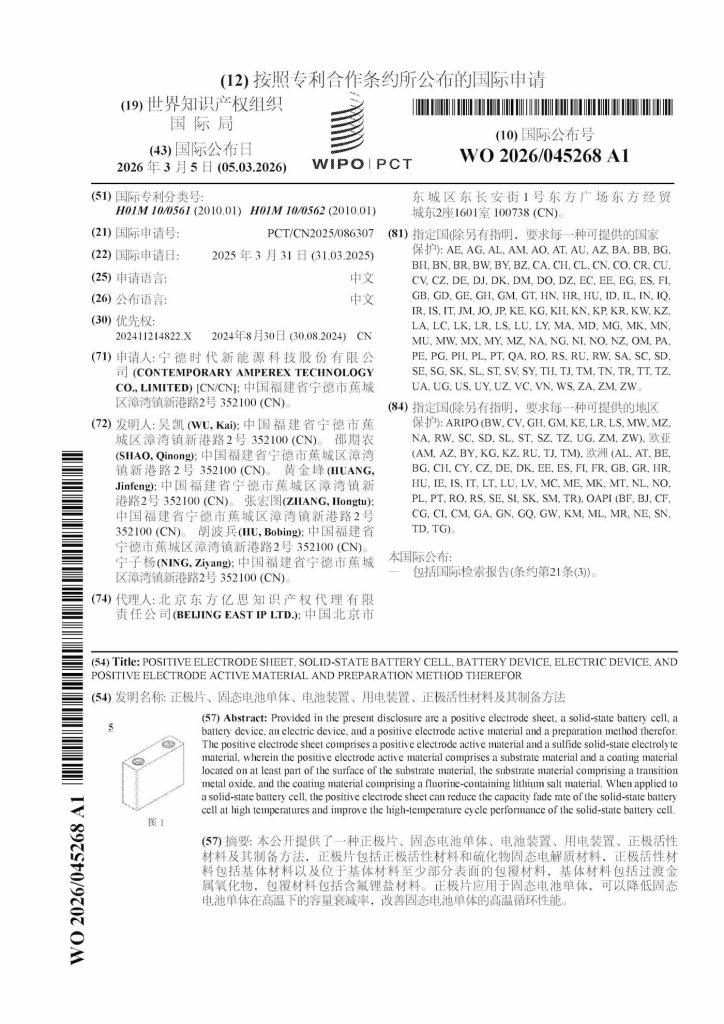
A new patent published by the World Intellectual Property Organization (WIPO) offers a closer look at how CATL’s solid-state battery system works.
The patent, titled “Positive Electrode Sheet, Solid-State Battery Cell, Battery Device, Electric Device, and Positive Electrode Active Material and Preparation Method Therefor,” was published on March 5, 2026.
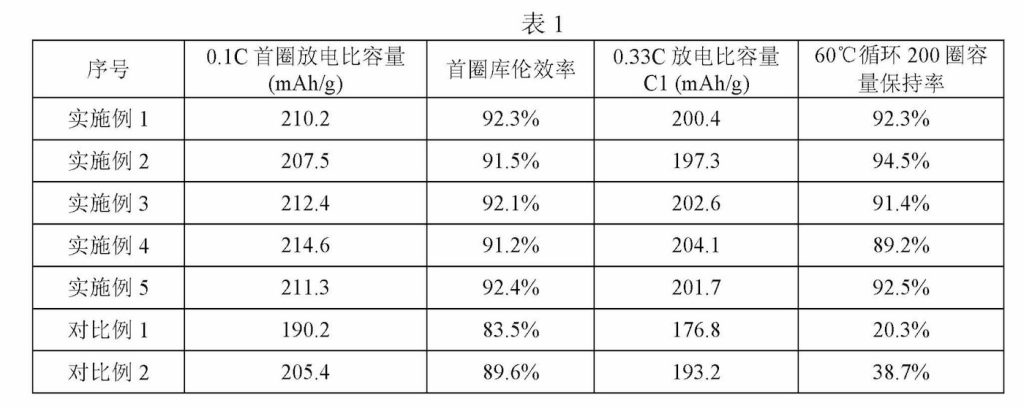
CATL developed a positive electrode plate that uses a fluorine-containing lithium salt and sulfide solid-state electrolyte materials. The fluorine-based solution has “good high-temperature stability,” while the sulfide electrolyte material can be decomposed to generate lithium fluoride (LiF), which is used to create the solid-electrolyte layer.
By acting as a sort of shield on the battery anode, the material stabilizes the electrolyte, therefore extending the battery’s life while enabling faster charging.
While the patent doesn’t reveal a timeline, according to CarNewsChina, CATL has already begun pilot production of solid-state EV batteries with an energy density of 500 Wh/kg.
With China set to establish a national standard for solid-state batteries in July, CATL is working to begin small-scale production by 2027. The standard is designed to serve as a framework to better categorize liquid, semi-solid, and all-solid-state batteries as they begin to hit the market.
CATL’s chief scientist, Wu Kai, has said that the company is focused on scaling 60 Ah cells for automotive use ahead of mass production, which is expected closer toward the end of the decade.
In 2025, CATL filed 311 international patents alone, 37% more than the previous year. In the past few months, several companies have announced “breakthroughs” in solid-state batteries as the new battery tech moves from the lab to the real world.
Electrek’s Take
CATL’s timeline aligns with most others, such as Toyota, Volkswagen, and BYD, which also plan to begin small-scale production over the next year or two, with mass production scheduled for around 2030.
Several companies are already putting the new batteries to the test in the real world. For example, Mercedes-Benz drove a modified EQS, equipped with solid-state battery cells from Factorial Energy, for nearly 750 miles (1,205 km) on a single charge in September.
Top comment by Actually Thoughtful
Gullible GOPers gave this market to the Chinese. Lots of competition, but starting with 40% market share AND being the lead innovator is a pretty good position to be in. Especially as the Billionaire oilygarchs want high fossil fuel prices.
Mercedes’ tech boss, Markus Schäfer, has called the new EV battery tech a “game-changer” for electric vehicles.
The new battery tech will likely be used in higher-end electric vehicles before being rolled out to mass-market models.
While solid-state EV batteries have been shown to enable significantly higher energy density, longer driving range, and faster charging (even in extreme temperatures), they are only one part of the puzzle.
Sodium-ion, LFP, and other battery chemistries will enable more affordable, more efficient, and more sustainable options over the next few years.


FTC: We use income earning auto affiliate links. More.


Comments