
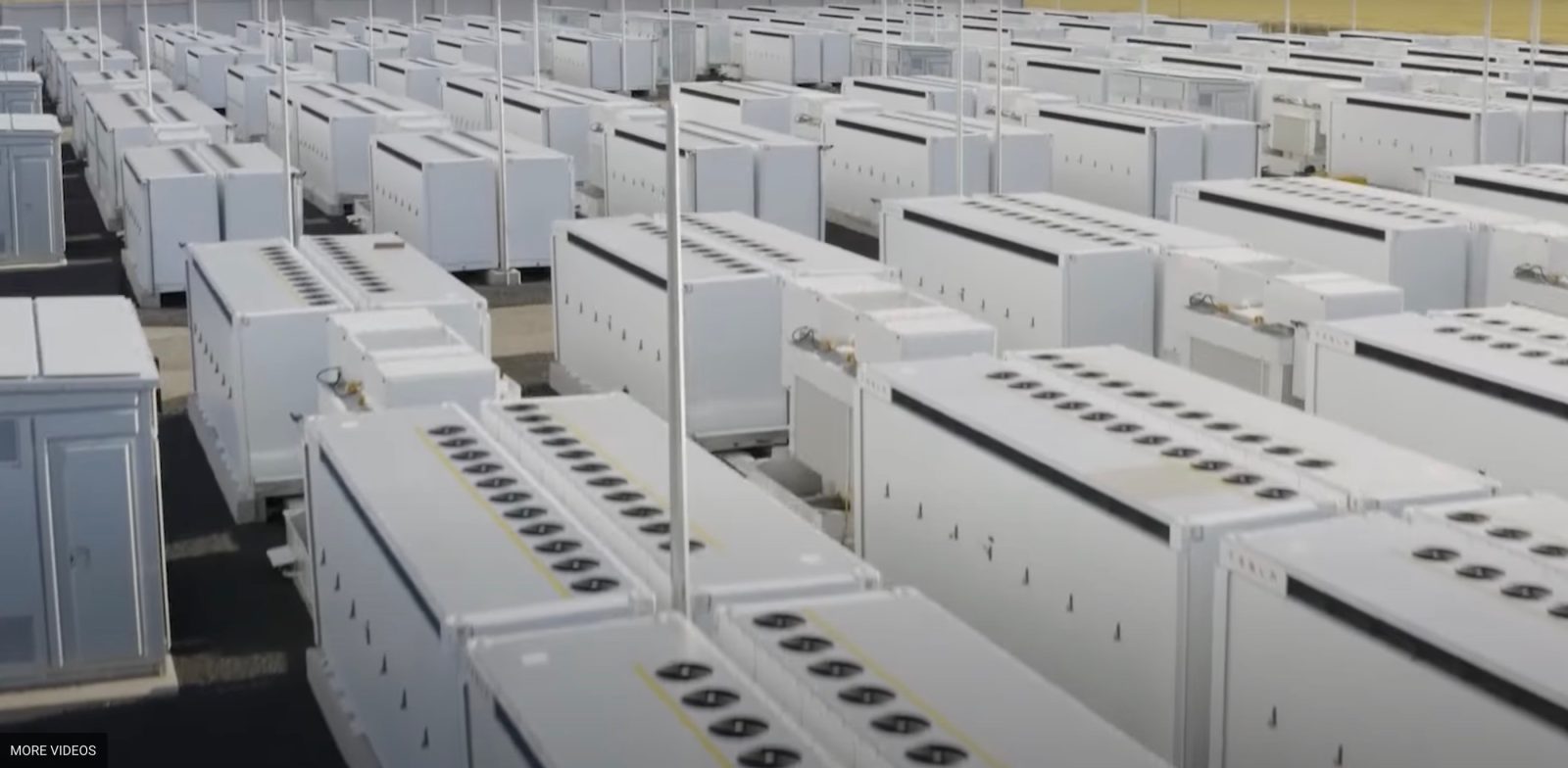
Tesla, Google, and Carrier are among the founding members of a new industry coalition called Utilize, which launched today with a bold claim: the US power grid is so underused that better utilization could save American consumers over $100 billion over the next decade.
The coalition, which also includes Renew Home, Sparkfund, SPAN, and Verrus, is targeting a problem hiding in plain sight — the US electric grid operates at just 53% of its total capacity on average, according to a Duke University analysis of 22 regional power systems.
A grid built for peaks, idle most of the year
The core argument behind Utilize is straightforward: electricity costs are driven by the ratio of grid infrastructure cost to the electricity sold over it. If the grid sits idle most of the year, built to handle a few peak-demand hours that rarely come, consumers pay more per kilowatt-hour than they need to.
And the data backs that up. A Stanford University study found that even during peak periods, most transmission lines in the Western US were carrying only 18–52% of their available capacity, with the majority clustered around 30%. Meanwhile, research estimates that 76 to 215 gigawatts of additional demand could be served on existing systems without exceeding historical peak conditions.
Utilize plans to release independent research from The Brattle Group quantifying the opportunity. Coalition officials say the study will show potential savings exceeding $100 billion over ten years — and possibly as high as $180 billion.
“Battery storage and distributed energy resources are already demonstrating how smarter use of the grid can improve affordability,” said Colby Hastings, Senior Director of Residential Energy at Tesla. He added that with the right policy frameworks, these resources can reduce costs while strengthening grid reliability.
Google’s Ellen Zuckerman, Head of Energy Market Development for North and South America, said the company supports Utilize’s work to “unlock underused capacity so growth in electricity demand translates into broader affordability and system benefits.”
Why Tesla and Google care about grid utilization
The coalition’s membership makes strategic sense for both companies. Tesla’s energy division has become its fastest-growing business, with energy storage revenues climbing to $12.7 billion in 2025 — up 27% year-over-year. The company deployed a record 46.7 GWh of energy storage in 2025 and is ramping a new Houston Megapack factory targeting 50 GWh of annual output by end of 2026.
Tesla has also been aggressively building out distributed energy programs. Its virtual power plants in California have delivered over 100 MW to help the grid avoid using gas peaker plants, and the company paid Powerwall owners nearly $10 million through VPP programs in 2024 alone. More recently, Tesla launched a Cybertruck vehicle-to-grid program in Texas, turning the truck’s 123 kWh battery into a grid resource.
For Google, the motivation is even more direct. The company’s AI data center buildout is driving enormous electricity demand — it spent $4.75 billion acquiring energy infrastructure for data centers last year and recently triggered 1.9 GW of clean energy development for a single Minnesota data center. US data center grid demand is projected to reach 75.8 GW in 2026, nearly tripling to 134.4 GW by 2030.
Unlocking idle grid capacity would let companies like Google connect new loads faster without waiting years for new transmission lines and generation to be built.
First policy win already in Virginia
Utilize isn’t just publishing white papers. The coalition already has a legislative win on its record: Virginia’s SB 621/HB 434, which passed with bipartisan support and now awaits Governor Abigail Spanberger’s signature. The bill would make Virginia the first state to require its major utilities to measure and report grid utilization rates, then fold those metrics into regulatory proceedings — creating accountability where none currently exists.
The coalition describes itself as nonpartisan and state-focused, working with governors, legislatures, utilities, and regulators to establish grid utilization goals within existing state planning processes. It supports technology-neutral policies — meaning battery storage, demand response, virtual power plants, and grid-enhancing technologies all qualify, with states choosing what fits their needs.
Ian Magruder, Utilize’s executive director, and Carrier’s Hakan Yilmaz, who serves as President of Carrier Energy and Chief Sustainability Officer at Carrier Global, both emphasized the need for coordinated action across technology companies, utilities, and policymakers.
Electrek’s Take
This is one of the more interesting energy coalitions we’ve seen launch in a while, and the reason is simple: it aligns the economic interests of very different companies around a problem that’s genuinely fixable.
Tesla wants to sell more Powerwalls, Megapacks, and grid services. Google needs cheaper, faster grid connections for its data centers. Carrier wants to sell more efficient HVAC systems that can participate in demand response. They all benefit from a grid that runs closer to capacity rather than sitting idle, and that’s a powerful alignment.
The 53% utilization figure is the key stat here. We’ve spent decades building grid infrastructure for peak demand that occurs a handful of hours per year, and consumers pay for all of it year-round. If distributed resources like battery storage and virtual power plants can shave those peaks and fill those valleys, the math on electricity costs changes significantly.


FTC: We use income earning auto affiliate links. More.



Comments