
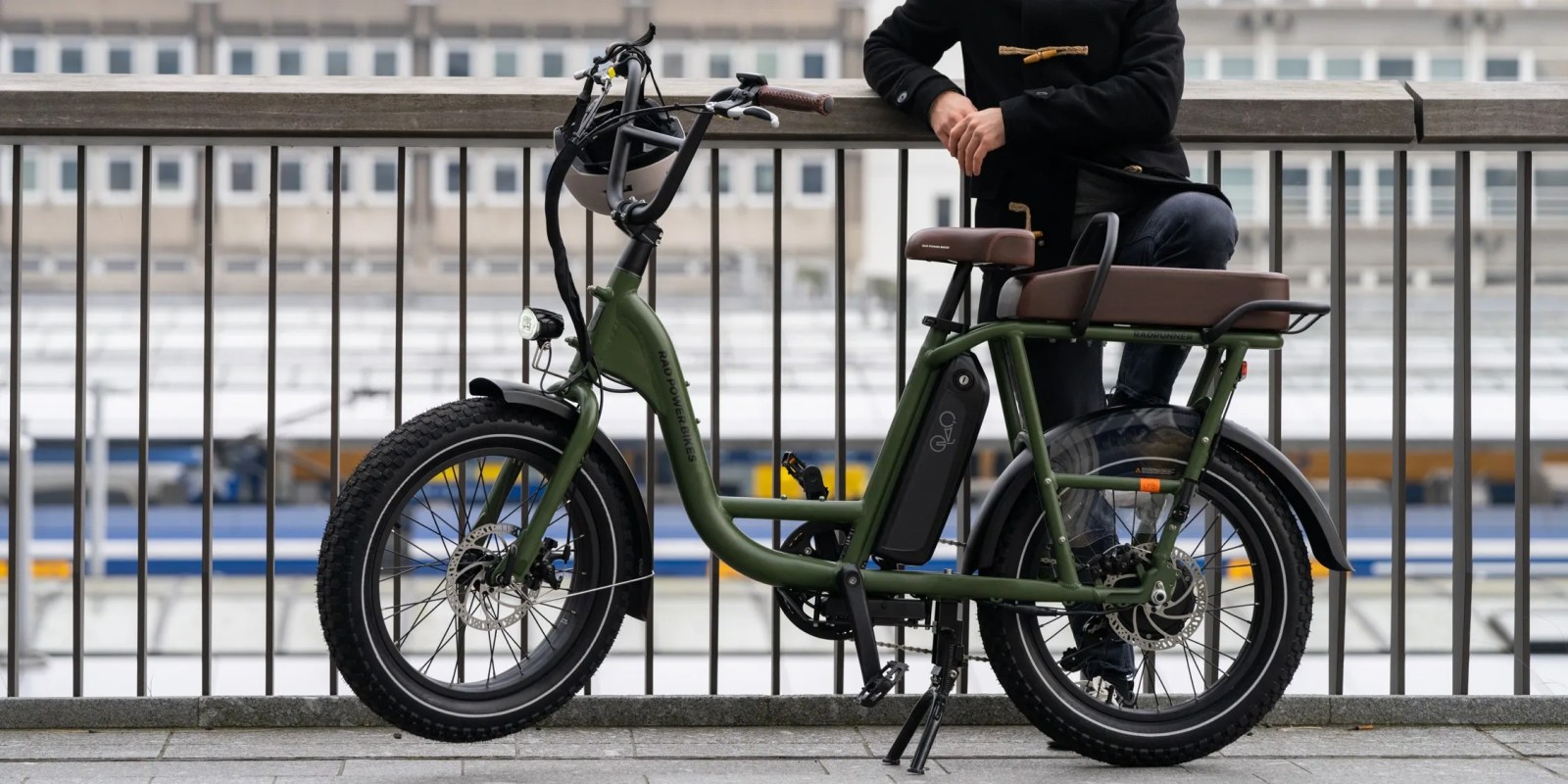
Rad Power Bikes’ new ownership says the brand is about to be reborn after being bought out of bankruptcy – and part of that rebirth includes building e-bikes in the United States.
But if that sounds familiar, it’s because we’ve heard similar promises before. And while the idea of American-made e-bikes is appealing, the reality of the industry makes it far more complicated than it sounds.
Nearly every e-bike sold in the United States today is manufactured in Asia. China has historically dominated production, though in recent years a growing share of manufacturing has shifted to countries like Vietnam, Cambodia, and Taiwan as companies attempt to diversify supply chains and avoid tariffs. Even so, the core of the global e-bike industry – motors, batteries, frames, drivetrains, and electronics – remains deeply rooted in Asian manufacturing.
That means “built in the USA” often ends up meaning something closer to “assembled in the USA.”
That’s not a bad thing, per se. But it does come with its own unique challenges.

Under new owner Life Electric Vehicles Holdings, Rad plans to move final assembly of its bikes to a 100,000-square-foot facility in the central United States. The strategy relies on importing components from around the world and assembling them domestically using a just-in-time production model. The company also plans to operate inside a Foreign Trade Zone (FTZ), a system that can reduce or defer tariffs on imported components until finished products leave the facility, according to Geekwire.
In theory, this approach could help Rad better manage inventory and logistics – two areas that reportedly contributed to the company’s financial struggles prior to its bankruptcy. It may also shorten supply chains and allow Rad to respond more quickly to demand shifts.
But it’s a far cry from fully domestic manufacturing.
Even companies that have tried to push deeper into US production have struggled. Perhaps the most well-known example is Electric Bike Company, which long promoted its Newport Beach, California production as one of the few places where e-bikes were built in the United States. Despite assembling bikes domestically, the company still relied heavily on imported motors, batteries, drivetrains, and electronics – just like nearly every other e-bike brand.
That reliance on imported components exposes companies to the same tariffs, supply disruptions, and cost fluctuations that affect the rest of the industry.
The reality is that the e-bike supply chain is extraordinarily globalized. Batteries typically come from China or South Korea. Motors often come from Chinese or European suppliers. Even basic components like derailleurs, brakes, and controllers are largely produced overseas.
So could Rad assemble bikes in the US? Absolutely.
Could it manufacture any of the components domestically? That’s a much harder challenge.
Can it assemble everything in a cost-effective way that lets the company compete against foreign-made electric bikes that dominate the market? That’s the real question.
For now, Rad’s plan sounds like an attractive story, but one we’ve heard multiple times before, and rarely with a happy ending. Whether this model proves sustainable – or economically meaningful – is the real question that Rad will eventually have to answer. Because building something on US soil is one thing. Selling it is something else entirely.


FTC: We use income earning auto affiliate links. More.



Comments