
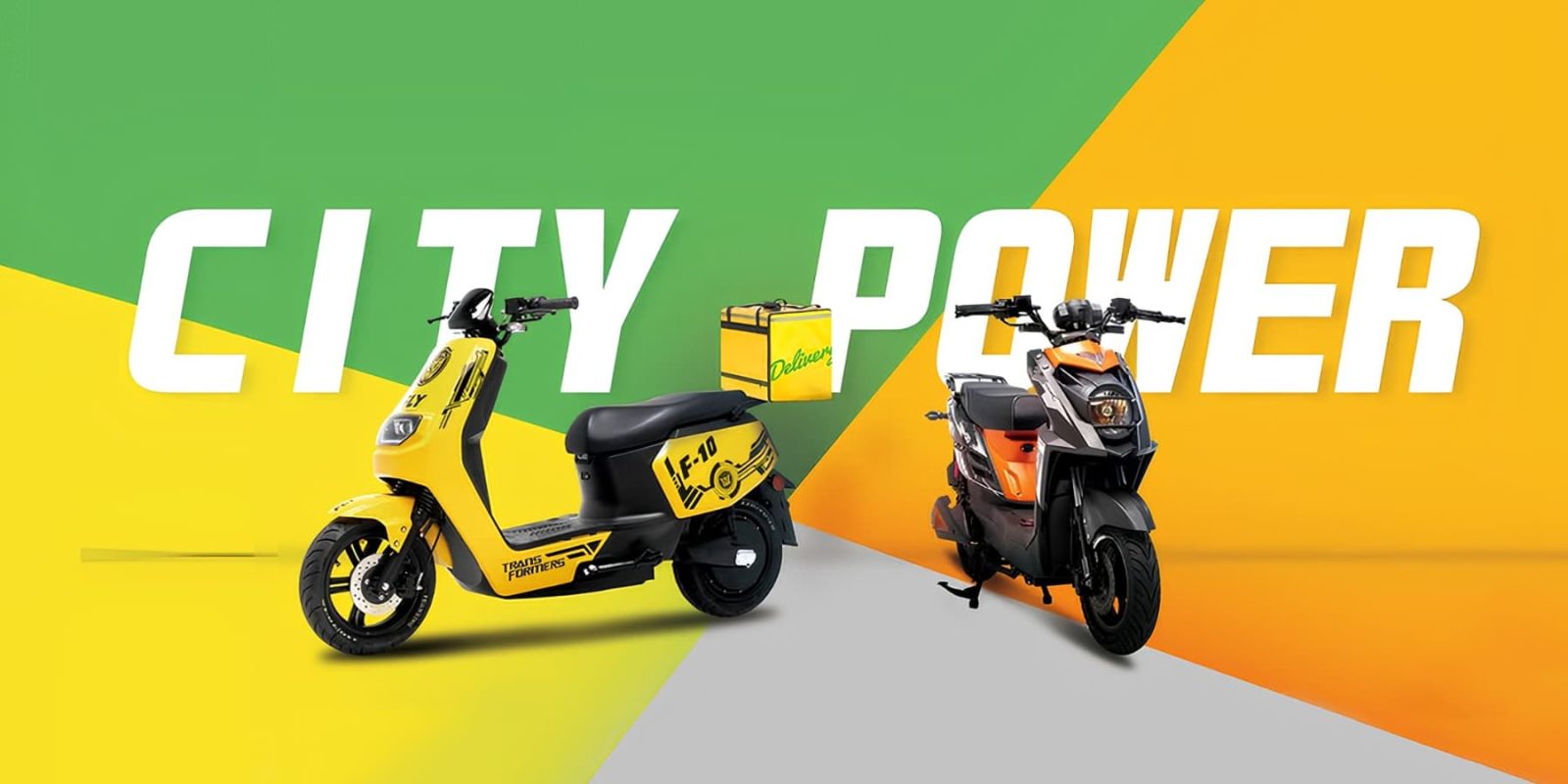
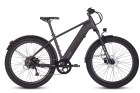
Federal regulators have ordered a recall of Fly E-Bike’s popular model known as the Fly 10 moped, marking the latest and perhaps most serious blow to the embattled micromobility company that has long been a major supplier of low-cost electric mopeds and e-bikes in the US.
According to the National Highway Traffic Safety Administration (NHTSA), all Fly 10 mopeds manufactured between July 1, 2022 and October 31, 2024 must be recalled due to a braking system that fails to meet federal safety standards under Federal Motor Vehicle Safety Standards (FMVSS) No. 122, the section governing motorcycle brake performance.
In federal testing, a Fly 10 traveling at 38 mph (61 km/h) required 83.8 feet (25.5 meters) to come to a complete stop – nearly 11% worse than required. In wet weather testing, average deceleration was 16% worse than the minimum federal requirement.
NHTSA warned that such non-compliance “may result in reduced braking performance, which could increase stopping distance or lead to a loss of vehicle control, increasing the risk of a crash that may result in injury.”
Under the terms of the recall, Fly must replace brakes or repurchase affected vehicles. Notification letters are expected to go out in mid-March.
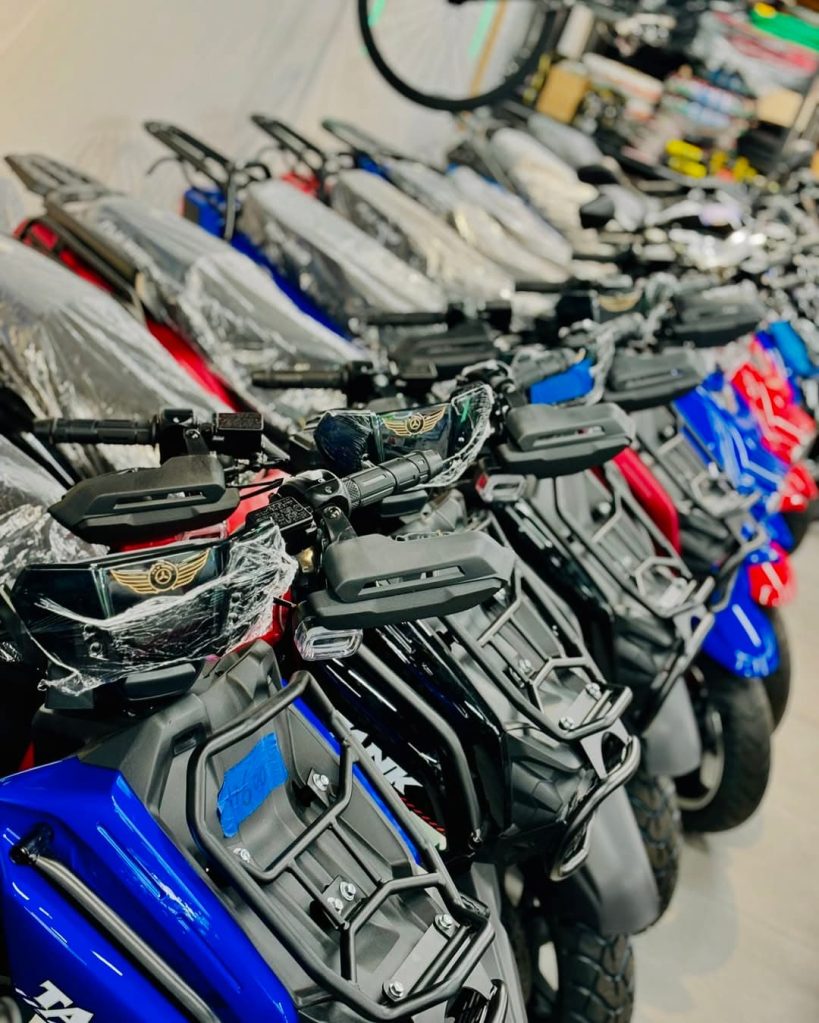
Streetsblog investigation put Fly under the microscope
The recall follows a high-profile investigation by Streetsblog last year that cast doubt on Fly’s safety claims and regulatory compliance.
In that investigation, Streetsblog purchased a Fly 9 moped – a closely related model with a similar braking system – and had it independently tested by an independent third-party vehicle testing firm used by governments and manufacturers. Despite a compliance plate affixed to the vehicle stating, “This vehicle conforms to all applicable U.S. Federal Motor Vehicle Safety Standards,” the Fly 9 reportedly failed five of the FMVSS categories it was tested under.
At the time, federal regulators had not independently tested Fly’s vehicles, which is common in the US, which is a self-certify country, unlike type-approval in Europe and much of the rest of the world where vehicles undergo standardized testing before receiving government approval for sale. Manufacturers selling in the US are responsible themselves for ensuring their vehicles meet the FMVSS and must label the vehicles as such. The vehicles are usually only tested by federal authorities when suspicions of noncompliance arise. The Fly 10’s recent brake failure in official testing now appears to confirm at least one of the safety concerns raised by the earlier investigation.
Streetsblog’s reporting also revealed Fly’s fraudulent claims of UL-certified batteries, an issue that has become more prevalent in the industry as UL-compliance receives increasing demand. Battery safety became a particularly sensitive issue in New York City after several fatal apartment fires linked to lithium battery micromobility devices, including at least one involving a Fly moped.
Mounting legal and financial pressure
The brake recall is only one of several major challenges facing Fly E-Bike.
Following Streetsblog’s investigation, the company reportedly lost a planned partnership with the New York City Department of Transportation. The New York State Department of Motor Vehicles also declined to register certain Fly mopeds last year after questions arose about their compliance with federal safety standards, effectively shutting down their operations for mopeds.
Fly has also faced lawsuits over alleged fraudulent claims about its batteries and multiple securities class action suits after a dramatic stock collapse. In August 2025, Fly disclosed a 32% drop in net revenue and warned of further declines tied in part to lithium battery incidents. Its stock reportedly plunged 87% in a single day following that filing.
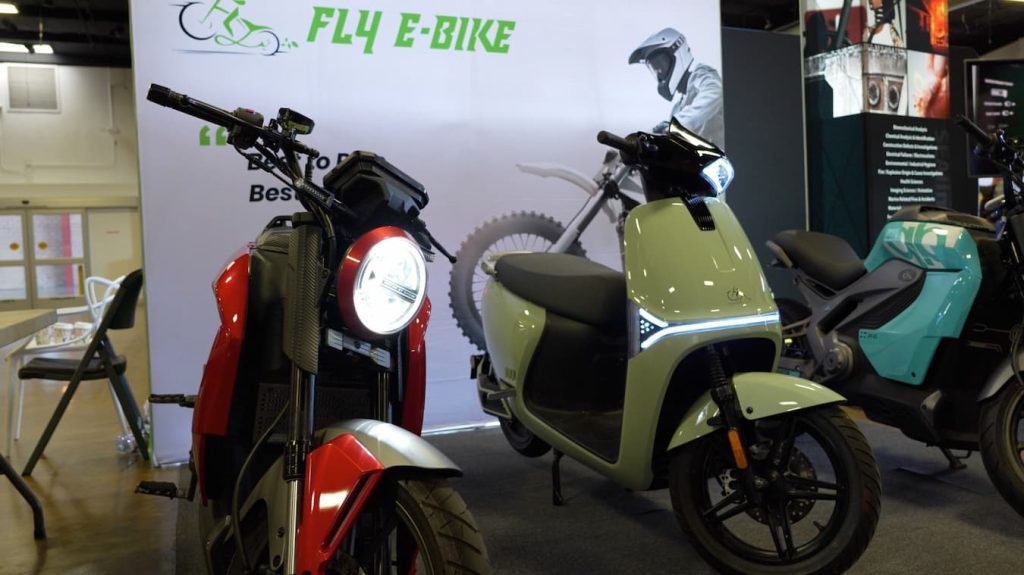
A broader wake-up call for high-speed e-mopeds
The Fly recall underscores a larger issue in the rapidly expanding e-moped and high-powered electric scooter segment.
Many of these vehicles blur the line between electric bicycles and motorcycles, which come with starkly different regulatory requirements. However, some manufacturers have marketed them with claims of federal compliance that regulators are now scrutinizing more closely. When a vehicle capable of nearly 40 mph fails braking standards, it becomes a fundamental safety issue.
For regulators, the recall signals increased oversight. For manufacturers, it’s a warning that compliance plates and marketing language must be backed by actual testing. And for riders – particularly gig workers who depend on these machines – it’s a reminder that performance specs mean little if the fundamentals of safety aren’t there.
As the micromobility industry matures, the Fly recall may prove to be a pivotal moment – one that forces greater transparency, stricter compliance, and, hopefully, safer vehicles on city streets.


FTC: We use income earning auto affiliate links. More.


Comments