
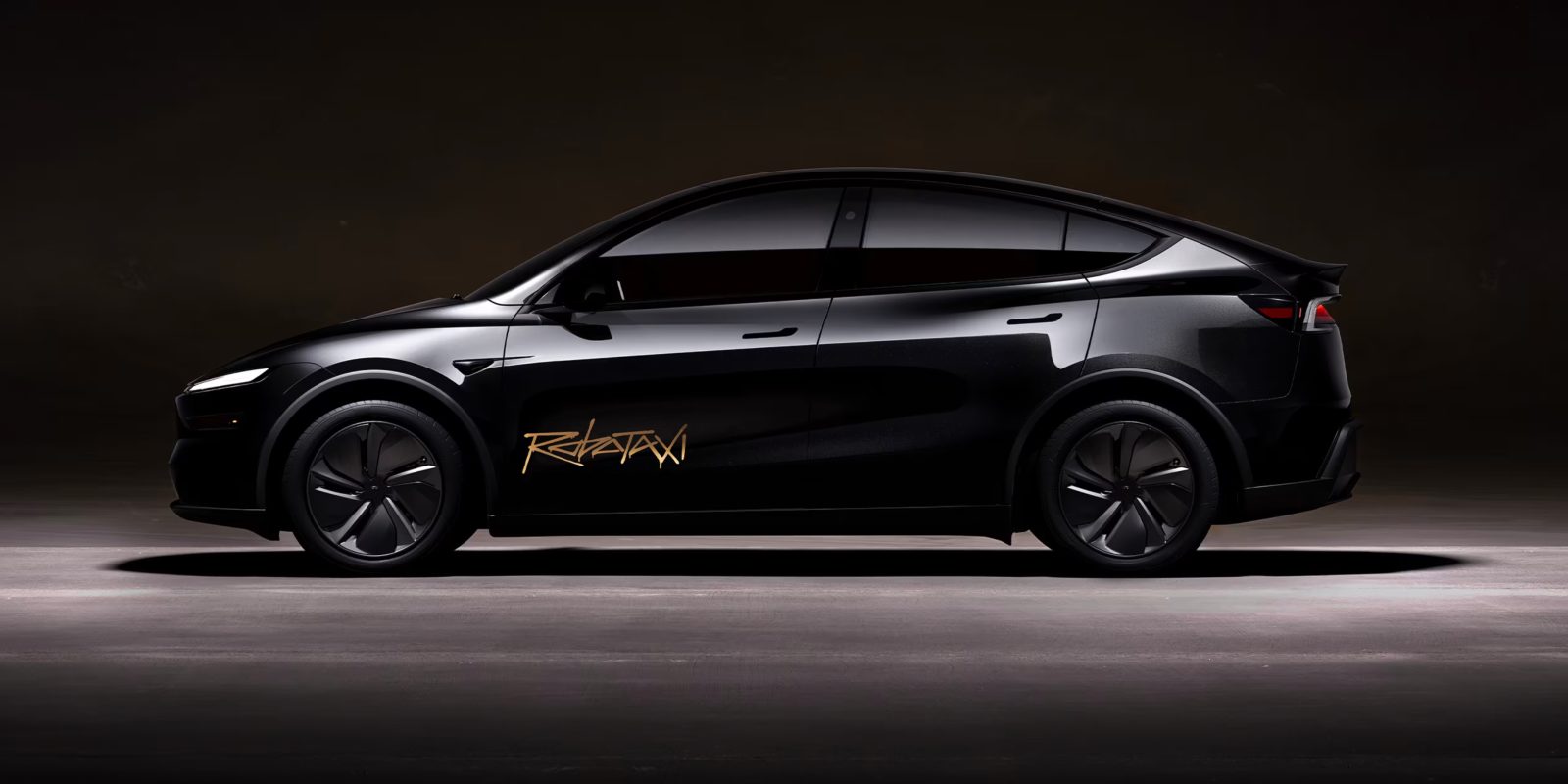
Tesla has abruptly decided to give up plans to build an autonomous charging station for future driverless taxis in downtown San Francisco, ahead of a public hearing on the matter. The plan had received pushback from the Teamsters union, though whether that influenced Tesla’s decision is not clear.
In case you haven’t heard, Tesla is working on autonomous vehicles. The company first started selling a system it calls “Full Self-Driving” (FSD) all the way back in 2016, though at the time – and still – it doesn’t actually enable cars to drive themselves.
Tesla also started talking about something called “Tesla Network” around the same time. This would be an autonomous ride-hailing service, where owners of FSD-equipped cars could send them out to run as taxis and make passive income. (Which hasn’t happened)
Tesla CEO Elon Musk said this would make cars into “appreciating assets” and said that Tesla would stop selling cars when it solves autonomy because the cars would simply be too profitable to let out of the company’s hands.
Since then, Musk has repeatedly stated that autonomous vehicle operation would come by the end of the following year, and it has repeatedly not arrived on the promised timeline.
Nevertheless, Tesla was still working towards supporting infrastructure for its ideas.
If, indeed, autonomous electric cars became a thing, they would need a place to charge. And if the car can do everything autonomously, it would make sense for the cars to charge autonomously, too.
On this line of thinking, Tesla was working towards preparing a garage as an autonomous charging station in downtown San Francisco. The garage is at 825 Sansome Street, right alongside the financial district.
Information about the garage can be found in a recent flyer listing it for lease. Among other things, it states that the garage has space for 150+ vehicles and 600 amps of existing power – about enough to run two Tesla Superchargers at full power. So, uh, maybe electrical upgrades were going to be part of the plan.
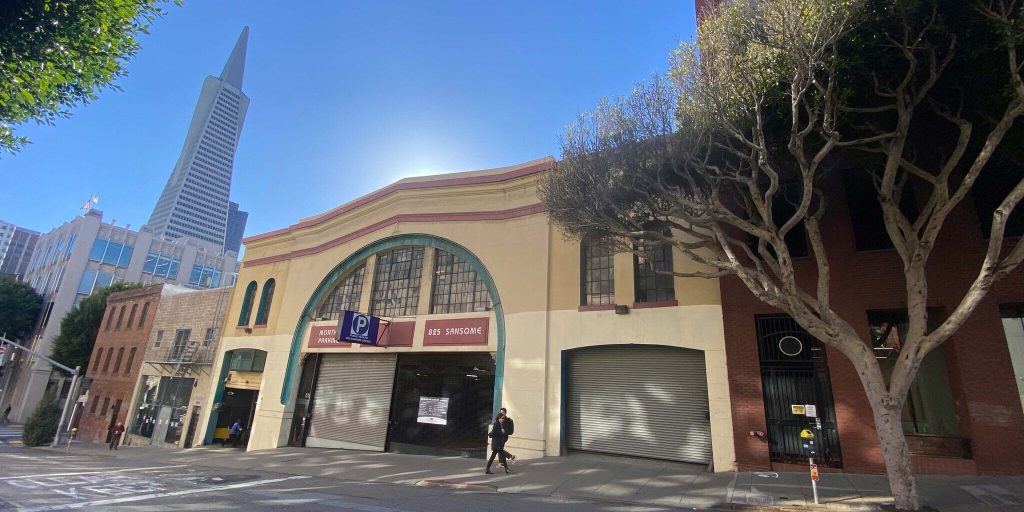
Tesla had planned to use the site as a part public/part private site, seemingly putting a normal Supercharging station alongside a section that would be used to charge autonomous vehicles.
But the plan was abruptly dropped on the date it was supposed to receive a planning commission meeting, according to Mission Local.
Tesla had originally been granted conditional approval for the plan in November, but an appeal was filed by the Teamsters union and granted by the board. Teamsters spokesman Mark Gleason said they were working with Tesla on an agreement that any workers at the station be unionized employees, and that it seemed to them that “there was a path forward,” until Tesla abruptly dropped the plans.
Notably, most Supercharger stations do not have attendants. However, since Tesla vehicles do not come equipped with inductive charging (though the Cybercab is supposed to), and the company never made progress on its robot snake charger, there is currently no way to charge a Tesla autonomously.
So, while we’re not sure what design Tesla would have pursued with this project, perhaps an attendant would have been needed to plug and unplug the robo-cars for the time being (this was also the consensus we heard when we talked to Hubber, a charging company formed by ex-Tesla charging employees, which is also working on autonomous charging hubs). The Teamsters would have wanted that attendant to be a union member.
Top comment by OrangeToast
This is just further proof that Tesla isn't a serious company anymore. Roll out a dozen or so "RoboTaxis" in Austin. Then a few in San Francisco (but not actually RoboTaxis) so they can plausibly claim that they're in "several" cities for investor calls.
How soon before Tesla quietly pulls the San Francisco cars which aren't really doing anything for them from a technical or strategy standpoint?
But Mission Local says it reviewed an email where Tesla claimed it dropped the project due to “significant building constraints unrelated to the appeal.” (We wonder if those 600 amps previously mentioned could have been one of those constraints…).
The abrupt cancellation of the plan has interesting timing, given that just last week, Tesla tried to deceive investors into thinking it already has operational robotaxis in the San Francisco area.
The company has repeatedly claimed it has “Robotaxis” running in the Bay Area, even though the system is actually just a human-driven invite-only taxi service where the drivers sometimes turn on FSD. Tesla cannot currently run a driverless taxi service in California, as it has not applied for the permits to do so, as confirmed to Electrek last week by the CPUC.
Charge your electric vehicle at home using rooftop solar panels. Find a reliable and competitively priced solar installer near you on EnergySage, for free. They have pre-vetted installers competing for your business, ensuring high-quality solutions and 20-30% savings. It’s free, with no sales calls until you choose an installer. Compare personalized solar quotes online and receive guidance from unbiased Energy Advisers. Get started here. – ad*


FTC: We use income earning auto affiliate links. More.



Comments