
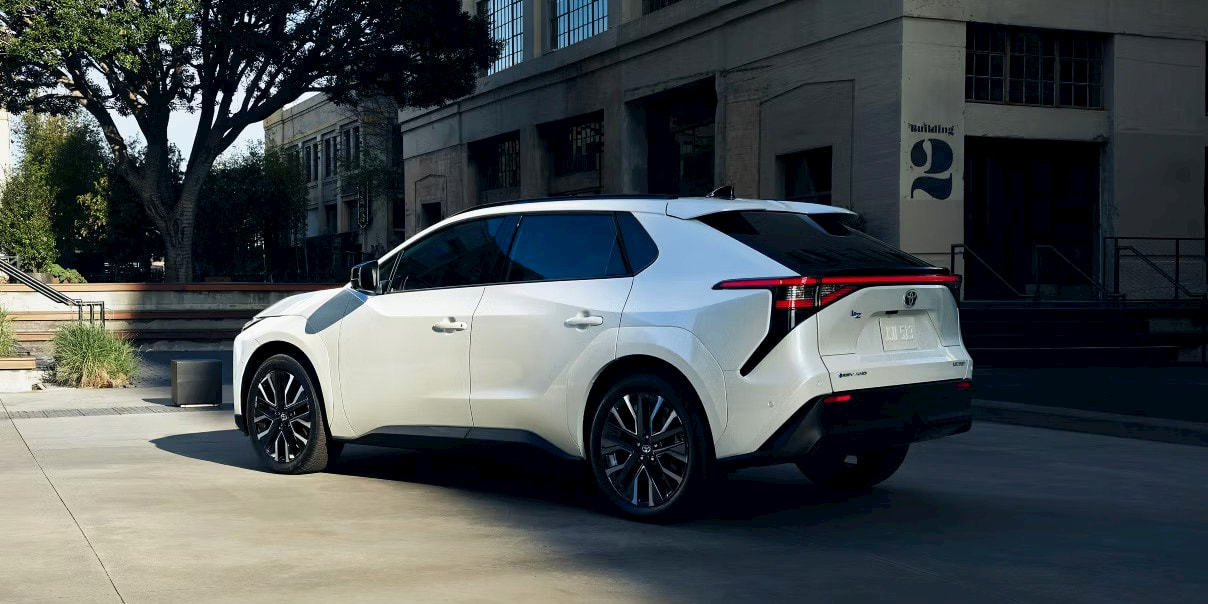
Toyota is finally selling electric vehicles in the US, thanks to the new and improved bZ. After sales shot up in January, the bZ was among the best-selling EVs in the US, outpacing the Hyundai IONIQ 5.
Toyota bZ proves to be a top-selling EV in January
Better late than never. After a slow start (to put it nicely) with its first fully electric vehicle, the bZ4X, Toyota is taking another swing at it with the new bZ.
After updating the electric SUV in the areas where it matters the most: Driving range, charging, and a refined interior, the 2026 bZ is off to a promising start.
With most automakers reporting January sales numbers by now, we are getting a good sense of the most popular EVs to start 2026.
Like always, the Tesla Model Y and Tesla Model 3 are expected to remain on top, but after that, the rankings may surprise you. While GM has yet to release January sales numbers, the Chevy Equinox EV is expected to remain the third-best-selling EV in the US.

Toyota’s electric SUV appears to rank fourth. Toyota sold 2,769 bZ models in January, which is more than the Hyundai IONIQ 5 (2,126), Ford Mustang Mach-E (1,040), Kia EV9 (674), Honda Prologue (664), and Ford F-150 Lightning (647).
While data is still coming in, one thing is clear: the bZ is attracting more demand than Toyota’s previous electric SUV, largely due to the upgrades.
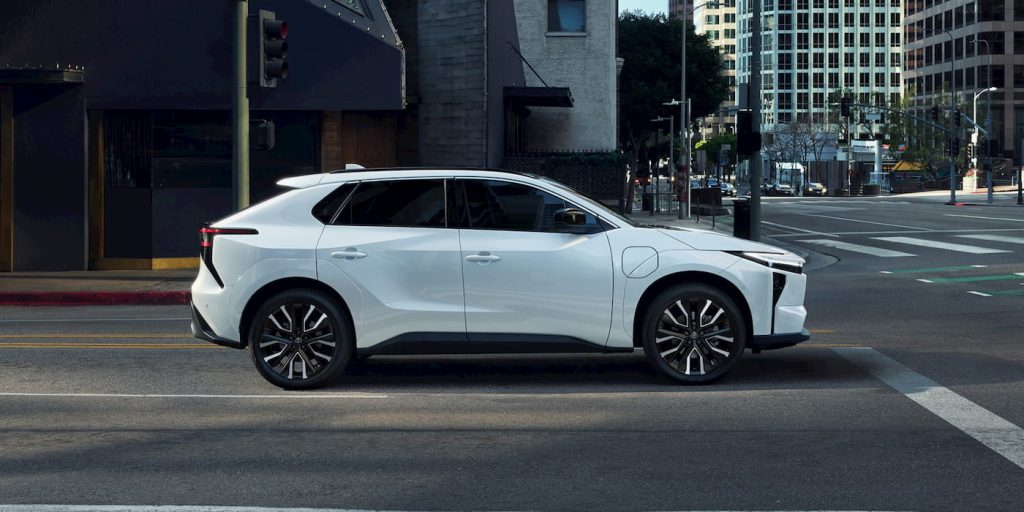
And it’s not just selling in the US. The bZ was the top-selling domestic EV in Japan in Q4, the first time Toyota has overtaken Nissan to hold the spot. In Canada, it set a new January sales record, with sales surging 579% from last year.
The 2026 Toyota bZ not only loses the numbers from its name, but it’s a drastic improvement from the outgoing version.
Toyota’s electric SUV now features up to 314 miles of driving range, 25% more than the bZ4X. It also gains a native NACS port for recharging at Tesla Superchargers. Under “ideal conditions,” Toyota said the bZ can charge from 10% to 80% in about 30 minutes.

Other upgrades, including a larger battery capacity, an active preconditioning system, and more, make it easier than ever to find chargers and recharge, even in cold weather.
Thanks to new SIC semiconductors, the electric SUV is now more powerful. All-wheel drive (AWD) models now pack up to 338 hp, a 50% improvement from the bZ4X, while FWD variants now feature 221 hp, up from 201 hp offered in the outgoing model.
The interior and exterior have been updated with Toyota’s new design theme. The cabin now features a larger 14″ Toyota Audio Multimedia touchscreen, two wireless phone chargers, and a redesigned dashboard.
| 2026 Toyota bZ trim | Battery | Range | Starting Price* |
| XLE FWD | 57.7 kWh | 236 miles | $34,900 |
| XLE FWD Plus | 74.7 kWh | 314 miles | $37,900 |
| XLE AWD | 74.7 kWh | 288 miles | $39,900 |
| Limited FWD | 74.7 kWh | 299 miles | $43,300 |
| Limited AWD | 74.7 kWh | 278 miles | $45,300 |
An additional 7-inch driver display screen, heated front and rear seats, regenerative braking, Toyota Safety Sense 3.0, and more are standard.
Top comment by ZekeStone
I believe a big factor is also many who were Tesla fans in the past have are now willing to get anything except a Tesla for political reasons alone.
Higher trim options include additional features, such as a panoramic moonroof with power sunshade (XLE) and a premium 9-speaker JBL Audio system (Limited).
Starting at just $34,900, the 2026 bZ is also among the most affordable EVs in the US. Toyota is even offering a $5,000 customer cash bonus that cuts the starting price to under $30,000.
With the new 2026 C-HR and bZ Woodland electric SUVs set to go on sale soon, Toyota has a chance to make up for lost time with Ford, GM, Stellantis, and other automakers scaling back on major EV projects.
With the new electric SUVs on their way to dealerships, Toyota is offering generous discounts to move inventory. You can find 2026 Toyota bZ and C-HR models in your area using the links below.


FTC: We use income earning auto affiliate links. More.


Comments