

I’ve ridden a lot of electric scooters over the years, and many of them blur together. Plenty are fast. Many are powerful. Some look aggressive. But only a handful manage to combine all of that with a ride that actually feels polished and confidence-inspiring. After spending real time riding the Apollo Phantom 2.0 (52V version), it’s clear this scooter sits firmly in that top tier.
The Phantom 2.0 isn’t trying to be subtle. This is a big, serious scooter aimed at riders who want real performance and are prepared to pay for that higher-end design. But what surprised me most wasn’t just how fast it is, but rather how composed it feels while delivering that speed.
Of course, this isn’t the first Apollo scooter I’ve been on, so I knew it would ride well, but it still impressed me despite my already high expectations.
To get a sense of what I mean, check out my video review below. Then keep on reading for even more on this impressive e-scooter.
Power and performance that feels effortless
The 52V Phantom 2.0 packs dual motors with plenty of punch, and acceleration is immediate without being jerky. Together, they put out a mind-melting 3,500W of power that makes you feel like you’re riding something that deserves to be called more than just a scooter.
But even with that impressive power in dual-motor mode, power delivery feels controlled and predictable, which is exactly what you want when riding something capable of pushing well past typical commuter scooter speeds.
From a stop, the Phantom pulls hard, and it does so with enough torque that hills become a non-issue. Hills that would have other scooters slowing to a crawl barely faze it, though I wish I had steeper grades to test it on, myself.
Cruising speed is easy to maintain, and the scooter never feels strained or maxed out, which inspires confidence that it’s not constantly operating at its limits. Basically, I always felt like the scooter had more to offer me if I needed it, and I wasn’t usually pushing right up to its 44 mph (70 km/h) top speed.
Ride quality and stability are standout features
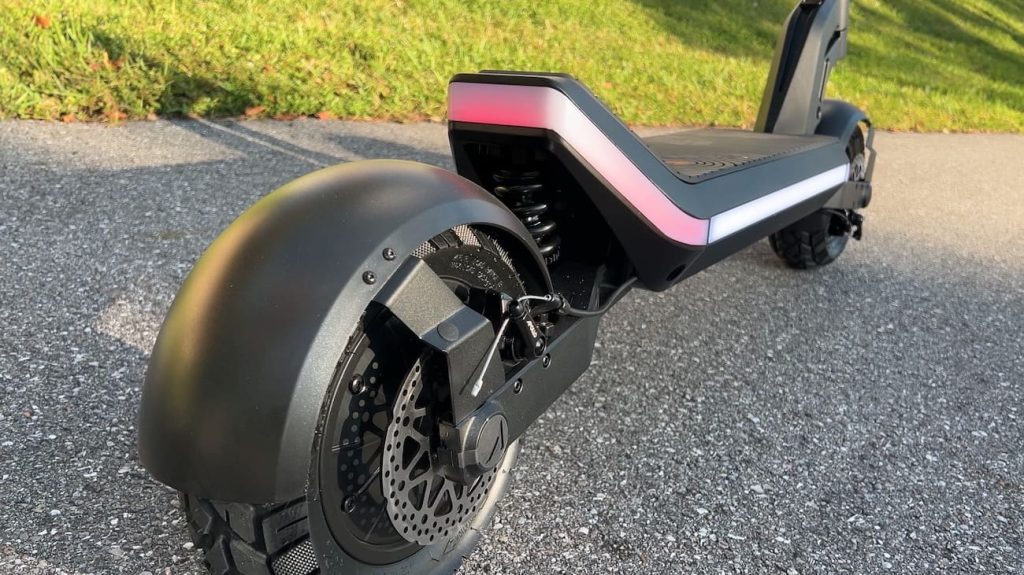
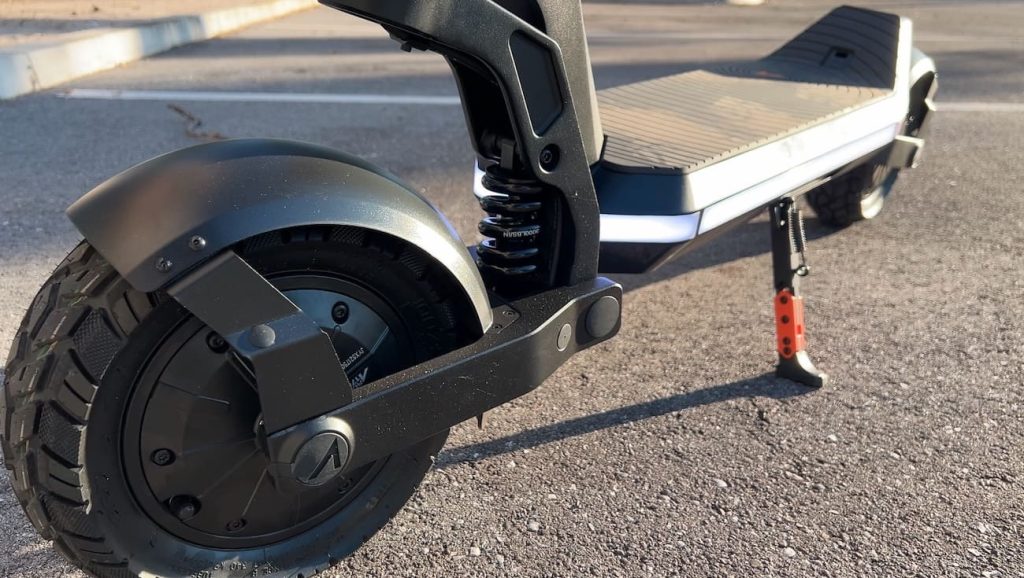
One of the Phantom 2.0’s biggest strengths is how stable it feels at speed. The wide deck, solidly locking stem, and long wheelbase all work together to make this scooter feel planted, even when you’re moving quickly. There’s none of the twitchiness that can plague high-power scooters with less refined geometry.
The suspension does a genuinely good job of soaking up road imperfections. Cracks, rough pavement, and uneven surfaces are handled smoothly, making longer rides far more comfortable than you might expect from something this performance-focused. Even real bumps, like those from pot holes, aren’t as bad as you might expect. Even so, there’s only so much that 11-inch tires can take, so don’t go bombing right through the center of any open manholes. But for a modest pothole, you’ll find that the suspension does a pretty good job of smoothing things out, at least with respect to scooters.
Basically, I’d say that with the large tubeless tires, the Phantom feels well-suited to real urban roads, not just freshly paved bike paths.
Braking and control inspire confidence
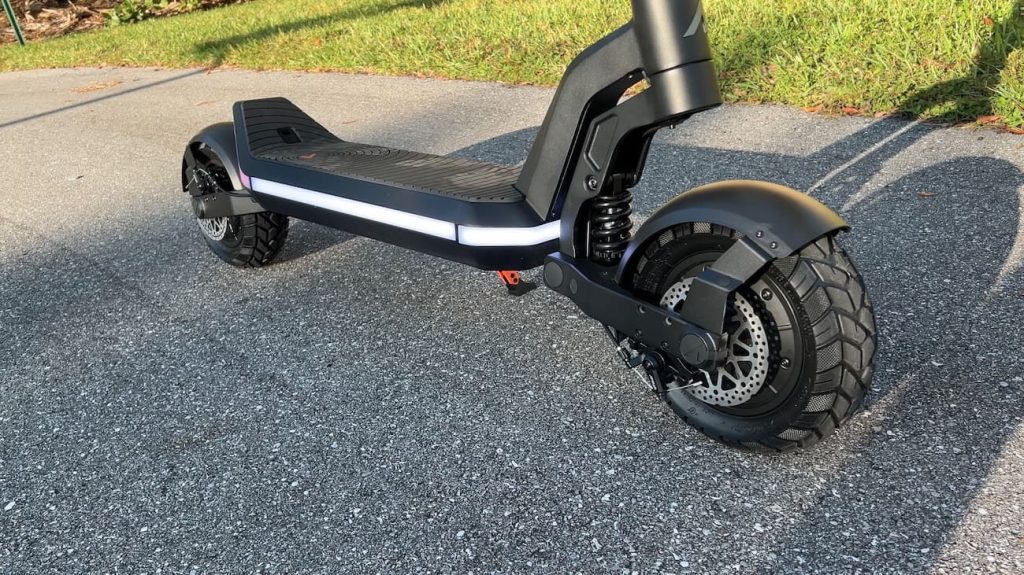
Stopping power is excellent. The dual disc brakes provide strong, predictable braking, and the regenerative braking adds another layer of control without feeling intrusive. Modulating speed feels natural, and emergency stops don’t feel sketchy or unstable.
In fact, each time I get on an Apollo scooter, I have to remind myself that those physical brakes aren’t really necessary, or at least only in an emergency. The regenerative braking, which is activated by what looks like a second throttle lever on the left side, is quite powerful. For 90% of normal braking scenarios, the regen braking is probably the only thing you need.
The throttle response is well-tuned, too. It’s responsive without being overly sensitive, which is crucial on a scooter with this much power. You don’t feel like you’re constantly managing an on/off switch – instead, it feels like a refined system that responds proportionally to your input.
Just be aware that if you put it in the higher power modes, or especially the Ludo mode, you will defintely feel the blast of unexpected power. It’s still controllable, but only if you’re expecting it. Work your way up to it and don’t try to go full Ludo right out of the gate, because it might catch you by susprise at just how much power you can put into the road in an instant.
Build quality feels premium throughout
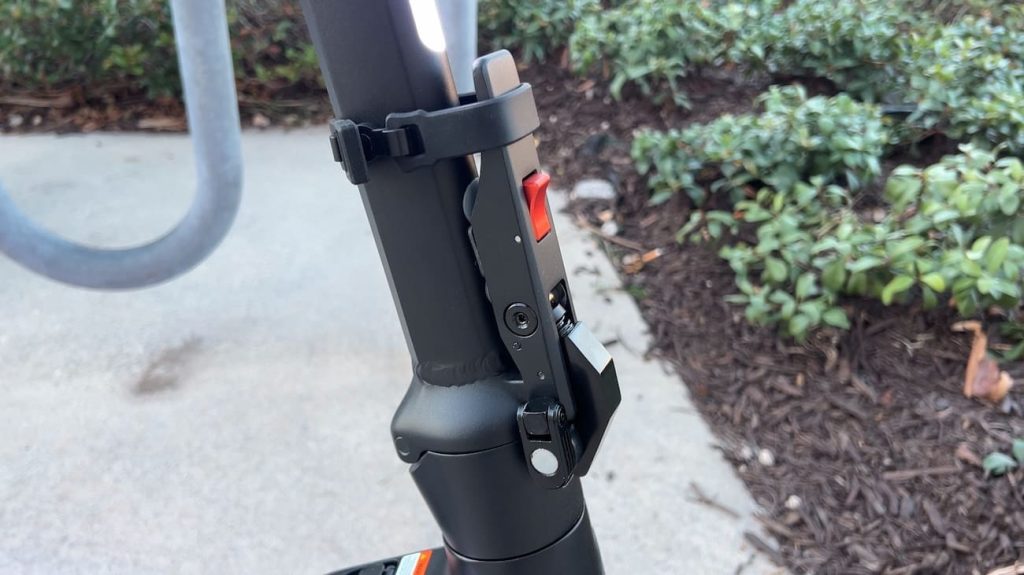
Apollo clearly put serious thought into construction here. Everything from the stem locking mechanism to the deck feels robust and well assembled. There are no obvious weak points, no alarming flex, and no sense that corners were cut to save weight or cost.
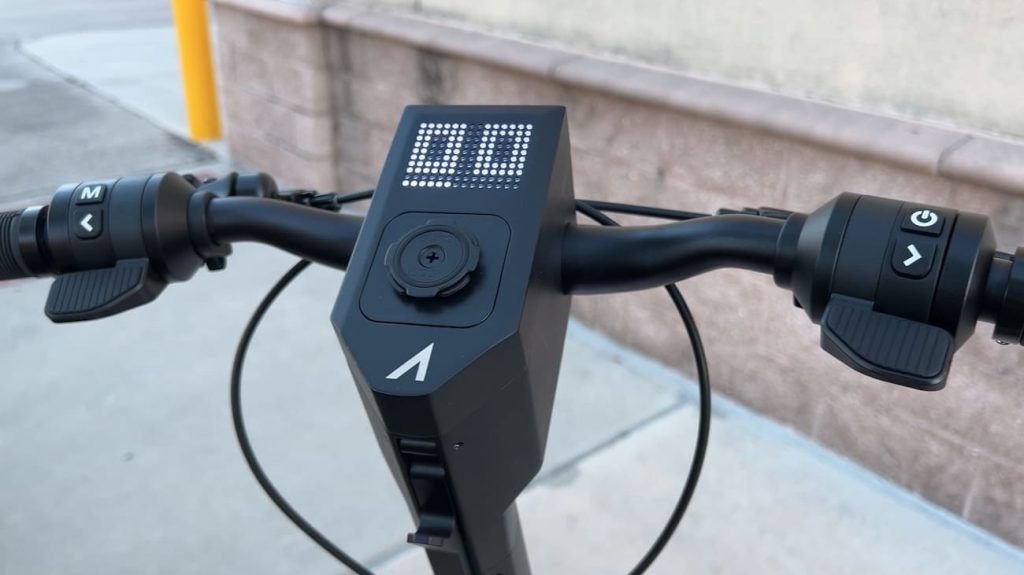
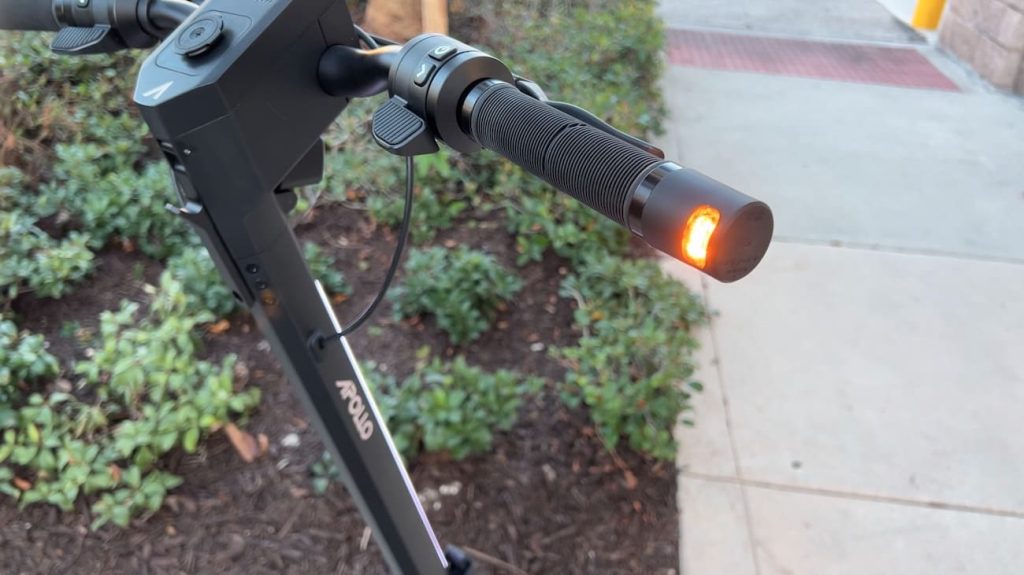
The display is bright and readable, even in daylight, and the overall control layout is intuitive. Lighting is another strong point, with excellent visibility that makes night riding far safer than on many competing scooters. I don’t typically use my phone as the display and so I’m using the built-in dot matrix-style display, which looks old school but definitely gets the job done.
I’d say that this is also a scooter designed to survive real use. With a high water-resistance rating of IP66, it’s clearly meant for riders who don’t want to panic at the first sign of a damp road or surprise drizzle. I still recommend riders avoid rain, but more due to concerns about conditions. It definitely seems like this scooter can handle sitting out in a downpour.
Range that matches real-world riding
Range claims are always optimistic, but in real-world riding, the Phantom 2.0 delivers solid results. Riding hard will obviously drain the battery faster, but ridden at a reasonable pace, the 52V battery offers enough range for meaningful commuting or long recreational rides without range anxiety creeping in.
The 1.4 kWh battery is quite large by scooter standards, but you’ll still drain it relatively quickly in the higher power modes, especially Ludo mode. They claim up to 50 miles (80 km) in Eco mode (which will barely get you up to 10 mph or 16 km/h), or up to 30 miles (48 km) in Ludo mode, which might be a tad optimistic if you’re actually bombing around at the top speed of 44 mph (71 km/h) all the time.
For riders who want maximum performance without stepping up to the heavier and more extreme 60V version, the 52V Phantom strikes a good balance between power, weight, and usable range.
The downsides: weight, size, and overkill for some riders
None of this comes without trade-offs. The Phantom 2.0 is heavy. At around 102 pounds (46 kg), this is not a scooter you’re casually carrying up stairs or tossing into a trunk on a whim. If portability is high on your priority list, this isn’t the scooter for you. But for those ready to trade portability for power and speed, now you’re barking up the right scooter tree.
It’s also likely more scooter than many riders actually need. If your riding is limited to short, low-speed urban trips, the Phantom’s power and size may be excessive. This is a scooter for riders who genuinely want performance, not those just looking for a basic last-mile solution.
And while the current $2,099 price reflects the quality and capability on offer, it firmly places the Phantom 2.0 in premium territory. You’re paying for serious hardware, and that won’t appeal to budget-focused buyers. And that’s even with the current sale pricing, dropping the price from the even harder to swallow MSRP of $2,999. But again, this is a premium scooter and NOT like something you just buy on a whim from Amazon.
Final thoughts
The Apollo Phantom 2.0 is a rare example of a high-performance electric scooter that doesn’t sacrifice refinement in pursuit of raw power. It’s fast, stable, comfortable, and impressively well built, making it an excellent choice for experienced riders who want something that feels both thrilling and trustworthy.
Yes, it’s heavy. And sure, it’s expensive. So no, it’s not for everyone. But for riders who want a genuinely capable electric scooter that feels engineered rather than hacked together, the Phantom 2.0 delivers in a big way. This is a scooter that feels ready for real roads, real speeds, and real daily use – and that’s not something you can say about every high-powered option on the market.


FTC: We use income earning auto affiliate links. More.


Comments