
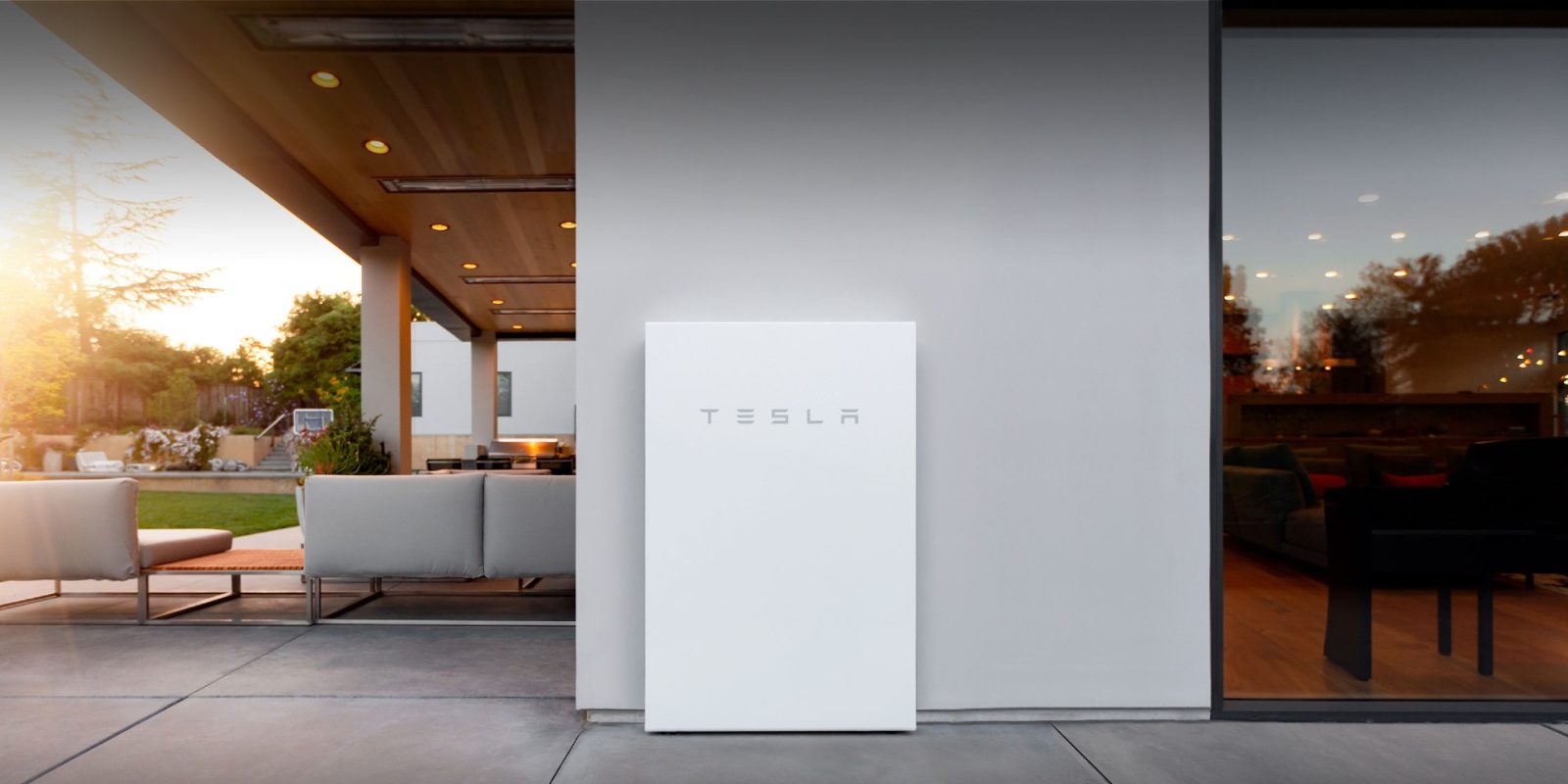
Tesla has announced that it produced its one millionth Powerwall. An impressive milestone that is, unfortunately, overshadowed by some questionable math.
Powerwall is by far the most popular home battery pack system, especially in North America.
It has popularized residential energy storage and made it now ubiquitous with new rooftop solar energy installations in the US.
Tesla managed to significantly ramp up production and installations in the last few years.
In June 2023, Tesla announced that it had installed 500,000 Powerwalls since launching the first version of the product in 2016.
After launching the Powerwall 3 last year, Tesla claimed that it was now producing 700,000 Powerwalls per year.
However, we were confused a few months later when Tesla celebrated producing 1,000 Powerwalls in a single day, considering 700,000 units in a year is twice as many.
Now, Tesla has announced that it has built its one millionth Powerwall:

Here are the timelines of Tesla’s milestones regarding the deployments and production of the Powerwall:
- May 2021: Tesla confirmed that it has now reached 200,000 Powerwall installations
- November 2021: Tesla said that it had reached 250,000 Powerwall installations
- September 2022: Tesla claimed to have the capacity to produce 6,500 Powerwall per week
- June 2023: Tesla has now installed over 500,000 Powerwalls
- August 2024: Tesla claims to be producing 700,000 Powerwalls per year – 1,900 per day
- November 2024: Tesla celebrates having produced 1,000 Powerwalls in a day
- June 2025: Tesla celebrates having produced its one millionth Powerwall
It took Tesla roughly two years to go from 500,000 to 1 million Powerwalls despite claiming to be scalable of producing over 300,000 units per year since 2023 and 700,000 per year since 2024.
We recently noted that Powerwall is not only a highly popular home battery pack, but it is also a best-selling solar inverter, as the latest version, Powerwall 3, includes an inverter.
Electrek’s Take
Top comment by Jerry Wagner
Tesla Powerwalls are a drop in the bucket. If we are serious about making cheap, reliable solar energy available to all, we would do well to follow France, by mandating solar canopies on ALL existing parking lots larger than 75 spaces within 5 years. Add on-site BESS +Vehicle-2-Grid chargers and you've very rapidly deployed a robust, widely distributed matrix of reliable micro grids generating, storing & re-distributing cheap renewable energy right where most of us live & work. No new utility transmission, interconnection, site acquisition, or other site improvement spending required.
We have already made generous IRA investment incentives for this purpose available to wealthy owners of large leased residential & commercial properties with big parking lots. Just make them use it, like France. This policy would fix the glaring mismatch between the self interest of wealthy leased property owners and their tenants, who pay the utility bills. The benefits are obvious to all the owners of new health care facilities in my county, because they've already covered 80% of their parking with solar canopies. They get it.
Kudos to everyone involved in achieving this milestone. It is impressive, and I think Powerwall is a great product.
It’s just sad that it is hard to trust Tesla these days, and the math doesn’t add up here, as explained in this article.
I might be reading too much into this, but it’s my job to track Tesla closely, and therefore, I do note those inconsistencies.
It will be interesting to see what happens with the Powerwall program in the coming months and years with the tariff situation as the product currently relies on battery cells imported from China.


FTC: We use income earning auto affiliate links. More.




Comments