

The German government announced that it will abruptly end its subsidy program for electric vehicles on December 31, which has dealt a blow to automakers in one of its biggest European markets. But Tesla and Mercedes-Benz say that they will compensate for it, covering the full price of the subsidy for German buyers, with other automakers joining in.
On Saturday, Germany announced that budget cuts were the reason for ending its “environmental bonus” as of Sunday. With the subsidy, customers in Germany benefited from €6,750 euros ($7,390) for the purchase of an EV, with the government paying up to €4,500 ($4,920) and the manufacturer covering €2,250 ($2,460). Over the weekend, the German government announced that it would close shop on the subsidy program and not accept any new applications as of December 17.
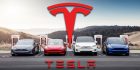
However, Tesla has announced that it will pay for the entire €6,750 EV subsidy, tweeting: “Tesla will compensate for the termination of the government EV subsidy in Germany for new Model 3/Y orders (starting 18 Dec for vehicles delivered by 31 Dec).”
Top comment by Paul L. Webster
Classic example of the economic inefficiency of subsidies. Companies will price to gather up as much of the subsidy as possible. Subsidies are a short term fix to help perceived public good. Not a long term solution. Now that the Public is accepting of electric vehicles and companies have reached the economies of scale, let them price according to the free market.
The same should be true of the Ethanol Industry. They were built with public dollars, but now they should expect to be profitable through the sales of gasoline in the free market. Brazil's ethanol industry is profitable without subsidies. Perhaps the U.S. government shouldn't be blocking the import of cheaper Brazilian Ethanol. Let the free market prevail.
Tesla is hoping this will push it over the line to achieving its 2023 target of 1.8 million vehicles sold, and needs to sell around 476,000 cars in Q4 to make that happen, reports Investor’s Business Daily. On December 12, Tesla has already offered German shoppers 0.99% loans for orders placed by December 18 and delivered by December 31.
Mercedes-Benz issued a press release (in German) this morning saying that it too will subsidize orders up to December 31 with the manufacturer’s share included, as Tesla is doing. For orders placed from January 1, the automaker will “pay the manufacturer’s share based on the subsidy amount originally planned for 2024.”
Volkswagen also says it will compensate for the subsidies for orders placed on the all-electric ID. range before December 15, and Stellantis said it would fund the full subsidy until the end of the year, according to Reuters.

Since 2016, Germany’s EV subsidy program has paid out €10 billion in EV subsidies, covering 2.1 million electric vehicle purchases.
Tesla is also feeling the pinch after France announced that the Model 3 is now excluded from its subsidy program. As of December 15, France has now limited EV subsidies of up to €7,000 euros ($7,636) to electric cars made in Europe. Chinese-made vehicles, including the Tesla Model 3, are no longer eligible – but Tesla’s Model Y, the most popular EV in the world, made the list since its assembly takes place in Germany.


FTC: We use income earning auto affiliate links. More.


Comments