Wind power

See All Stories

$14B in EV, renewable projects scrapped as tax credit fears grow

FREYR battery factory Georgia

More than $14 billion in US renewable and EV investments and 10,000 new jobs have been scrapped or put on hold since January, according to a new analysis from E2 and the Clean Economy Tracker. The reason: growing fears that the Republican-majority Congress will pull the plug on federal clean energy tax credits.

Expand Expanding Close
US wind + solar outproduced coal and nuclear in Q1 2025 – EIA

wind solar 2025

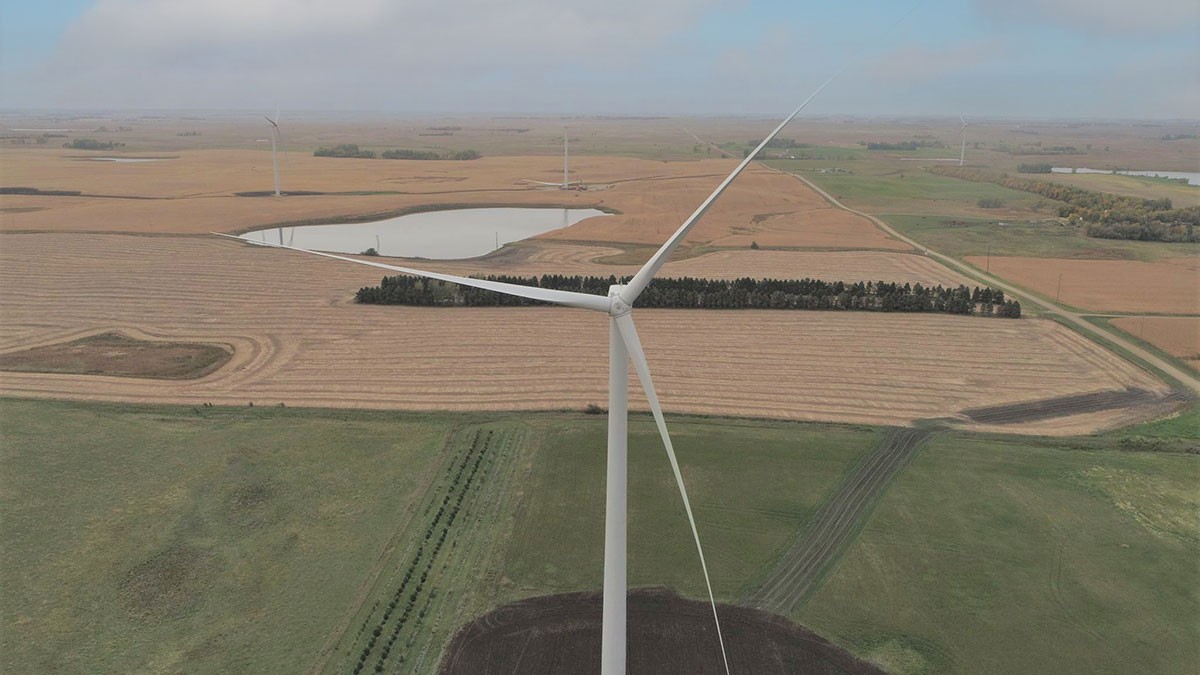
All renewable energy sources, including wind + solar, produced more than a quarter of US electrical generation in Q1 2025 and provided nearly a third of total US electrical generation in March alone, according to US Energy Information Administration (EIA) data reviewed by the SUN DAY Campaign.

Expand Expanding Close
FERC: Solar + wind made up 98% of new US power generating capacity in Q1 2025

us solar wind FERC

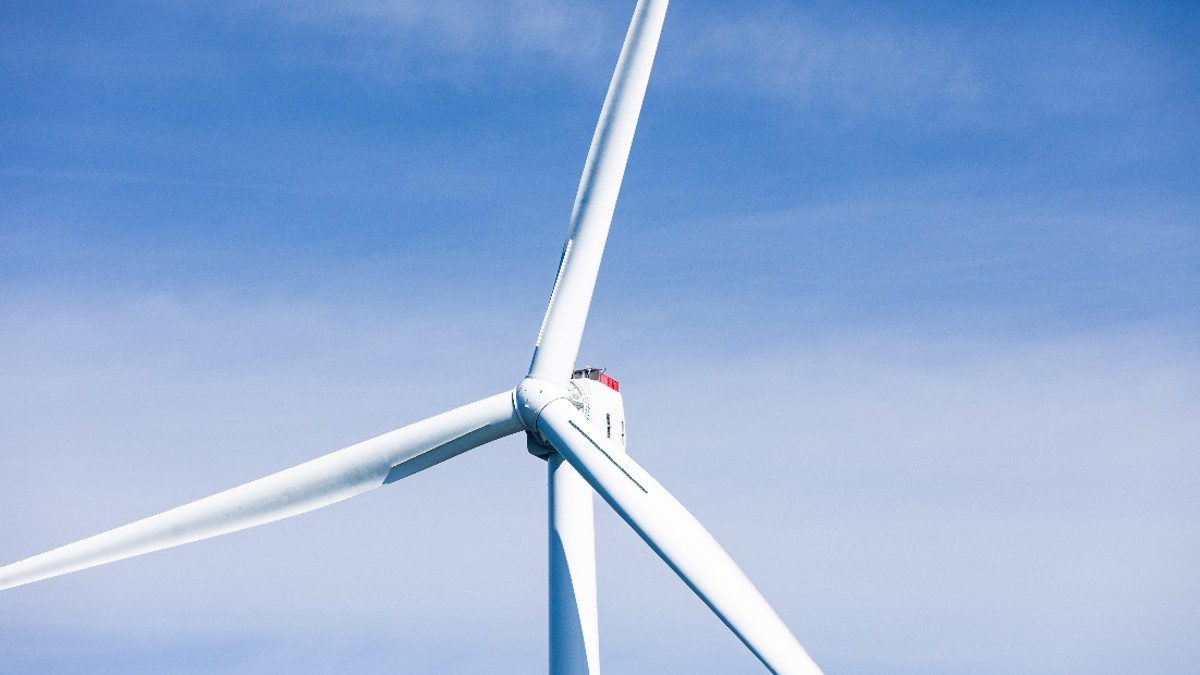
Solar and wind accounted for almost 98% of new US electrical generating capacity added in Q1 2025, according to new Federal Energy Regulatory Commission (FERC) data reviewed by the SUN DAY Campaign.

Solar and wind also made up an impressive 100% of new capacity in March, and March was the 19th consecutive month in which solar was the largest source of new capacity.

Expand Expanding Close
Surprise: 4 of the top 5 clean energy states are red states

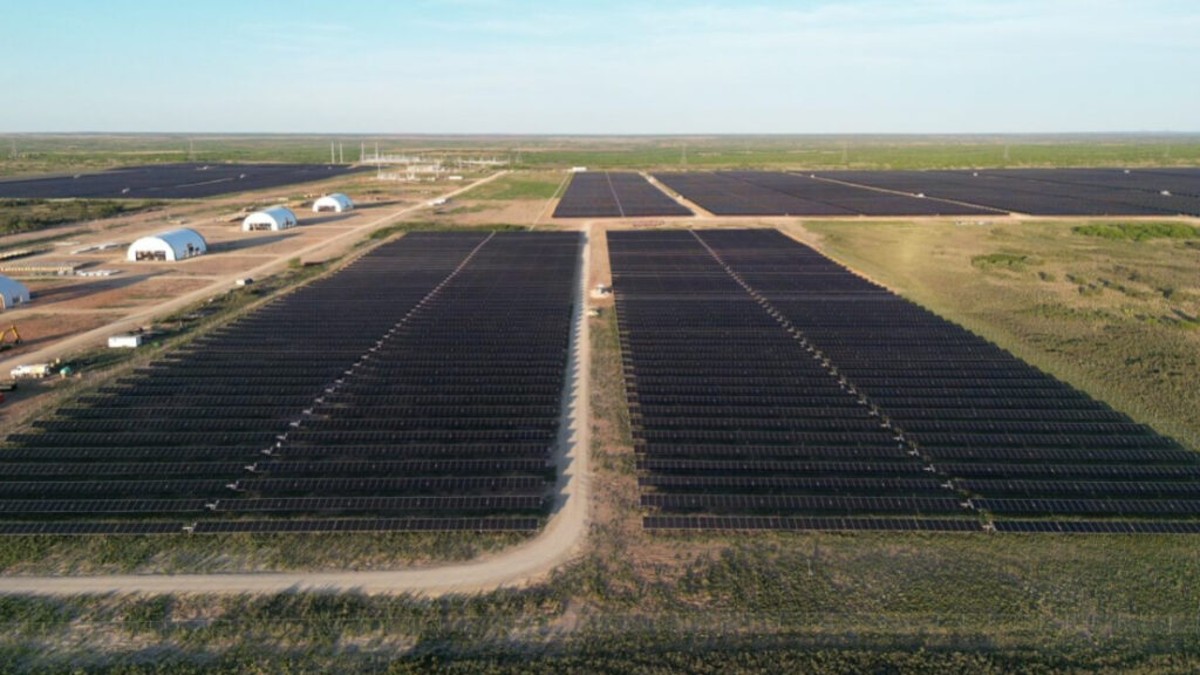
renewables 2024 Texas solar farm

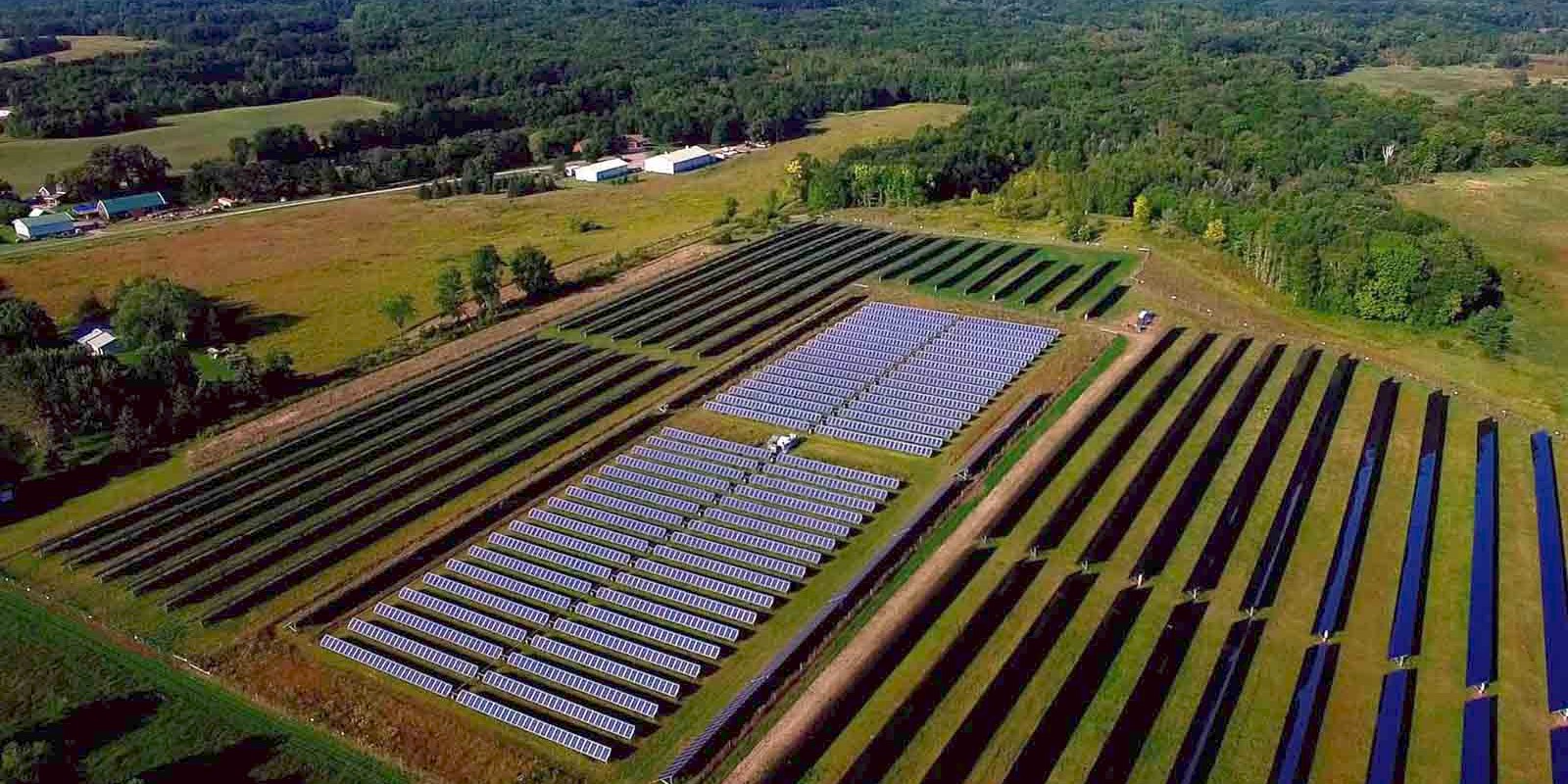
In 2024, the US produced more than three times as much solar, wind, and geothermal power as it did in 2015. That’s according to a new interactive dashboard just released by Environment America Research & Policy Center and Frontier Group. The tool, called The State of Renewable Energy 2025, tracks the growth of clean energy and EVs in all 50 states — and it shows that progress has happened everywhere.

Expand Expanding Close

The US wind industry’s 5-year outlook is now a total roller-coaster

US wind 5-year outlook

The US wind industry installed just 5.2 gigawatts (GW) in 2024 – the lowest level in a decade, according to Wood Mackenzie’s new US Wind Energy Monitor report. Installations are expected to rebound in 2025, but the real concern lies in US wind’s sharply downgraded 5-year outlook. As for the reason behind that bleak forecast, we’ll give you one guess as to why, and it starts with a T.

Expand Expanding Close

EVs power up, oil demand growth slows: 2024’s rapid global energy shift – IEA

Rivian lay off

Global energy demand spiked in 2024, driven largely by surging electricity use, according to a new report released today by the International Energy Agency (IEA). Electricity consumption jumped by nearly 1,100 terawatt-hours – a hefty 4.3% increase – nearly twice the annual average growth of the past decade.

This dramatic rise was largely fueled by the electrification of transportation, record-breaking global temperatures that ramped up cooling needs, coupled with increased industrial activity, and growing energy demand from data centers and AI applications.

Expand Expanding Close

FERC: Solar + wind set for a strong 3-year run despite Trump’s sabotage

FERC solar wind

By February 1, 2028, renewables would account for 37.4% of total available installed utility-scale generating capacity – just behind natural gas (40.2%) – with solar and wind making up more than 75% of the installed renewable energy capacity, according to data just released by the Federal Energy Regulatory Commission (FERC).

Expand Expanding Close

Offshore wind roars back in 2025 with 19 GW of additions and China in the lead

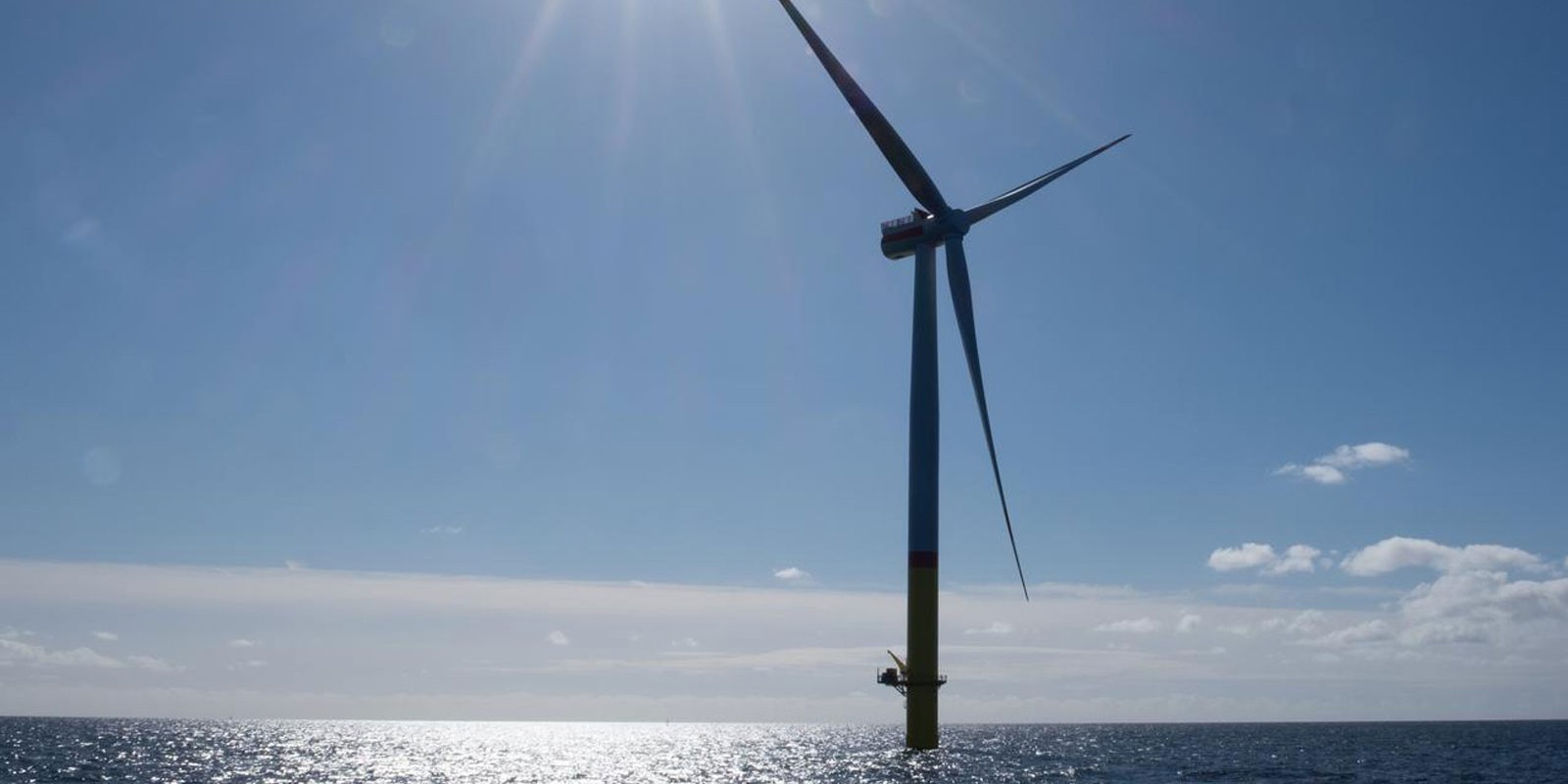
GE Vernova Nantucket offshore wind 2025

Global offshore wind is gearing up for a comeback in 2025, with new capacity additions expected to hit 19 gigawatts (GW) and spending projected to soar to $80 billion, according to Oslo-based independent energy research firm Rystad Energy. That’s a big rebound after a sluggish end to 2024 when new installations dropped to around 8 GW – 2 GW lower than in 2023.

Expand Expanding Close

Republican districts lose billions as clean energy cancellations surge

FREYR battery factory Georgia

Clean energy investments took a serious hit in January, sinking to their lowest point since the Inflation Reduction Act (IRA) supercharged the industry with tax credits and incentives. Growing uncertainty around the future of these policies – especially with the Republican-majority Congress debating potential rollbacks – has led to a sharp drop in new projects and an increase in cancellations, reports E2.

Expand Expanding Close