
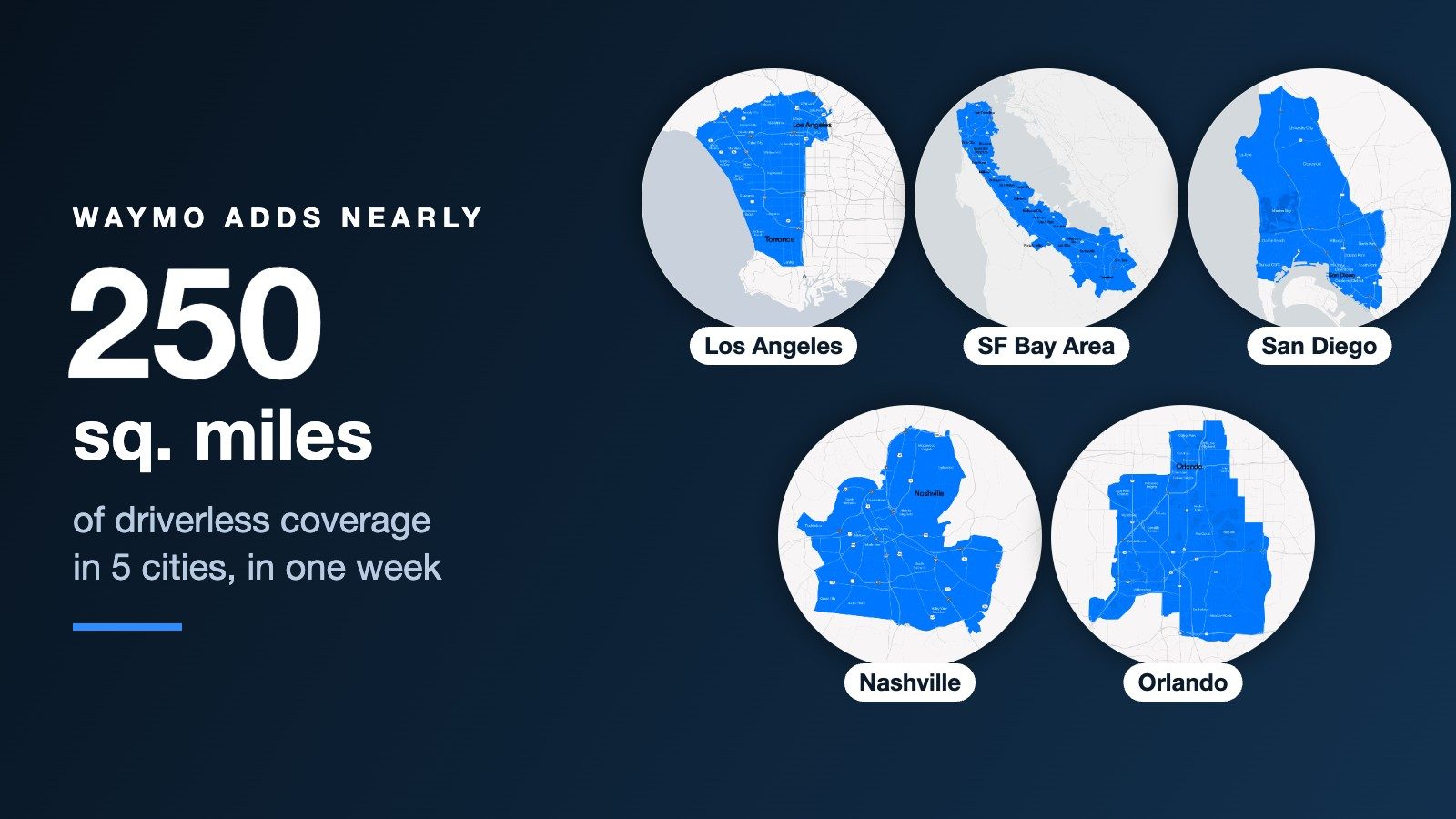
Waymo is growing its driverless service area by nearly 250 square miles over the next week, spread across Los Angeles, Nashville, Orlando, San Diego, and the San Francisco Bay Area.
That’s about as big as Tesla’s entire Houston Robotaxi geofence after this week’s expansion, and Waymo is adding it in cities where it already runs with nobody in the driver’s seat.
Where Waymo is expanding
The company announced the expansion in a short post on its blog today. Here’s what changes in each market, with Waymo’s updated service area maps:
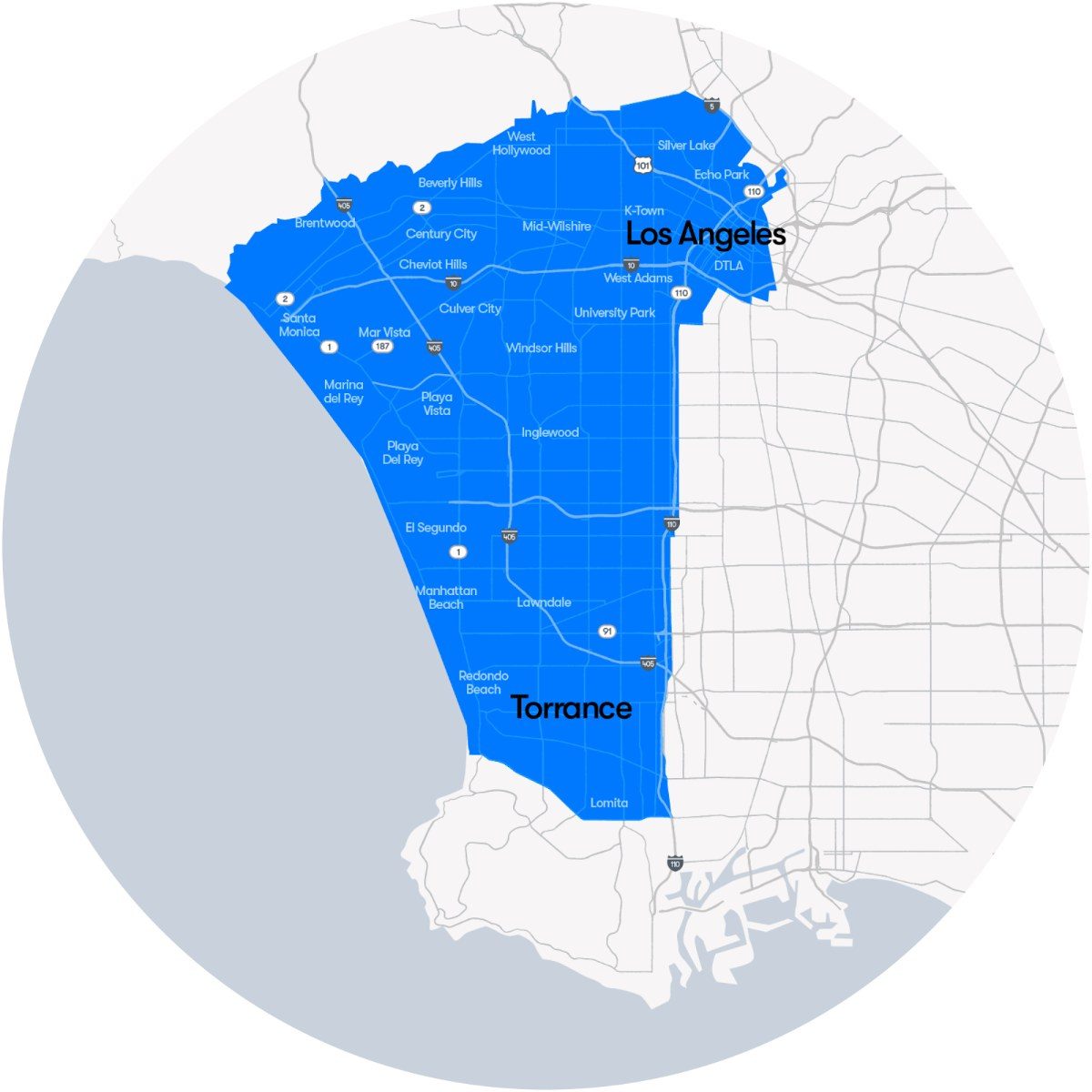
Los Angeles
Service now runs down the coast into the South Bay, through Manhattan Beach and Redondo Beach to Torrance.
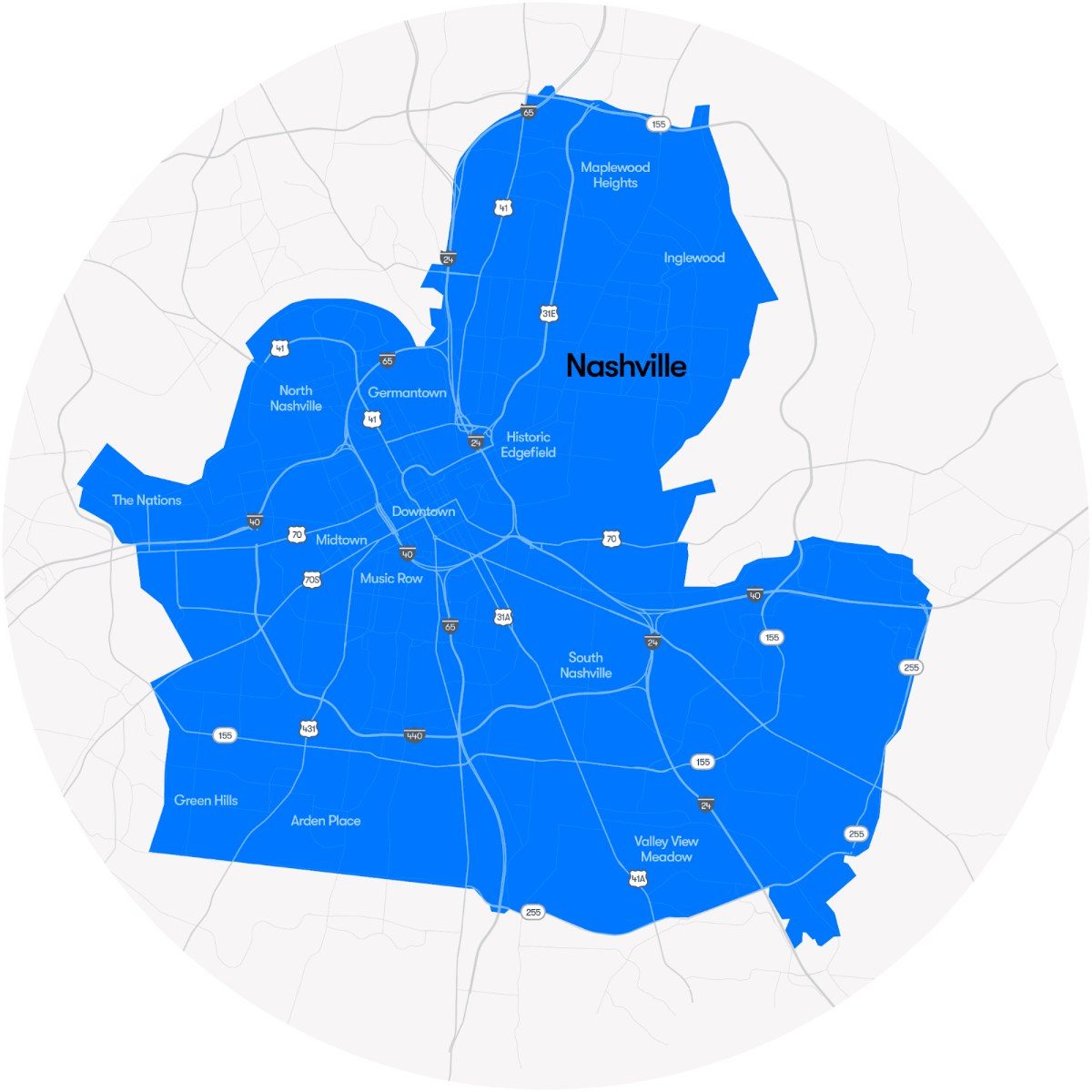
Nashville
The zone pushes further south, and riders can now get to the zoo.
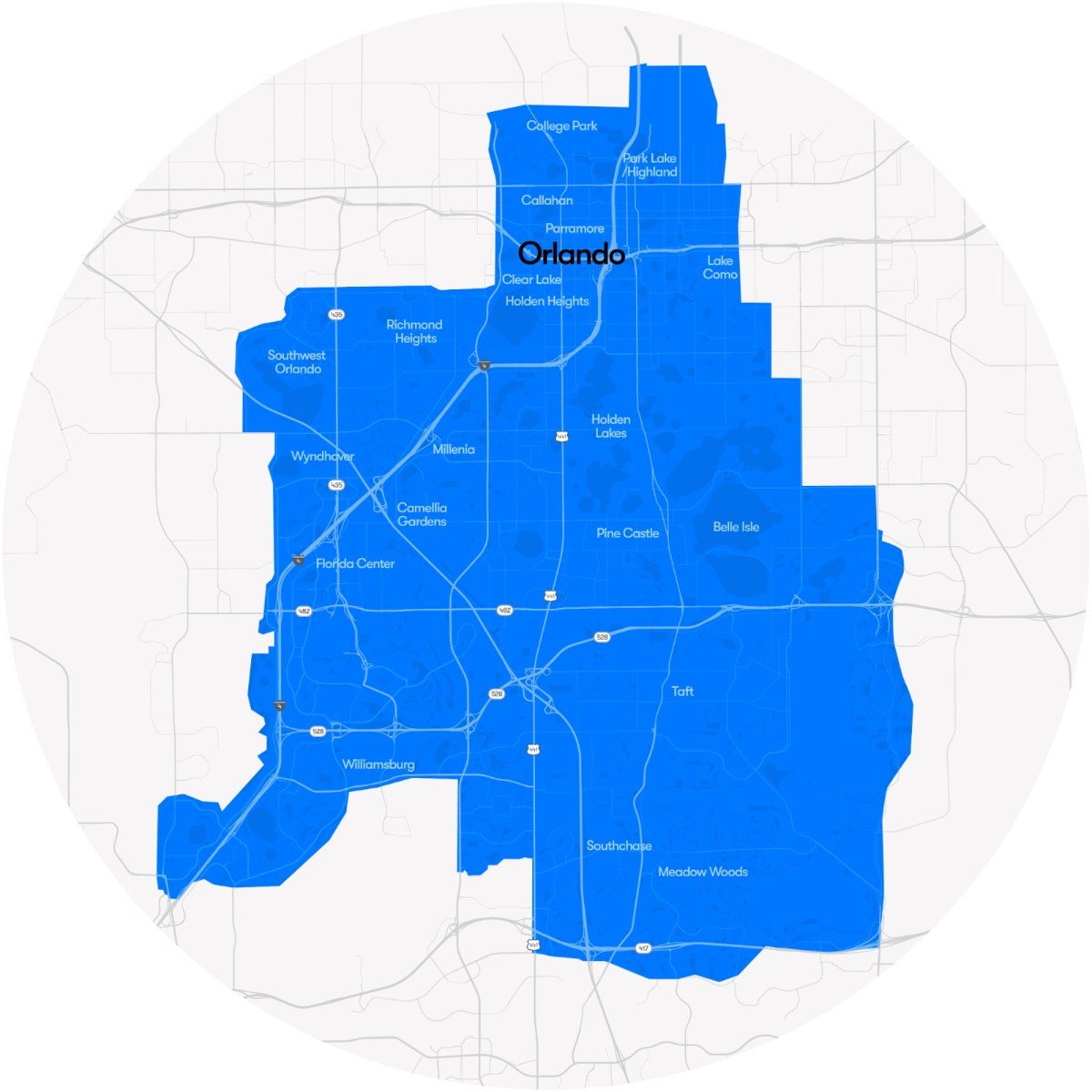
Orlando
Coverage on the east side nearly doubles, and there’s more service downtown.
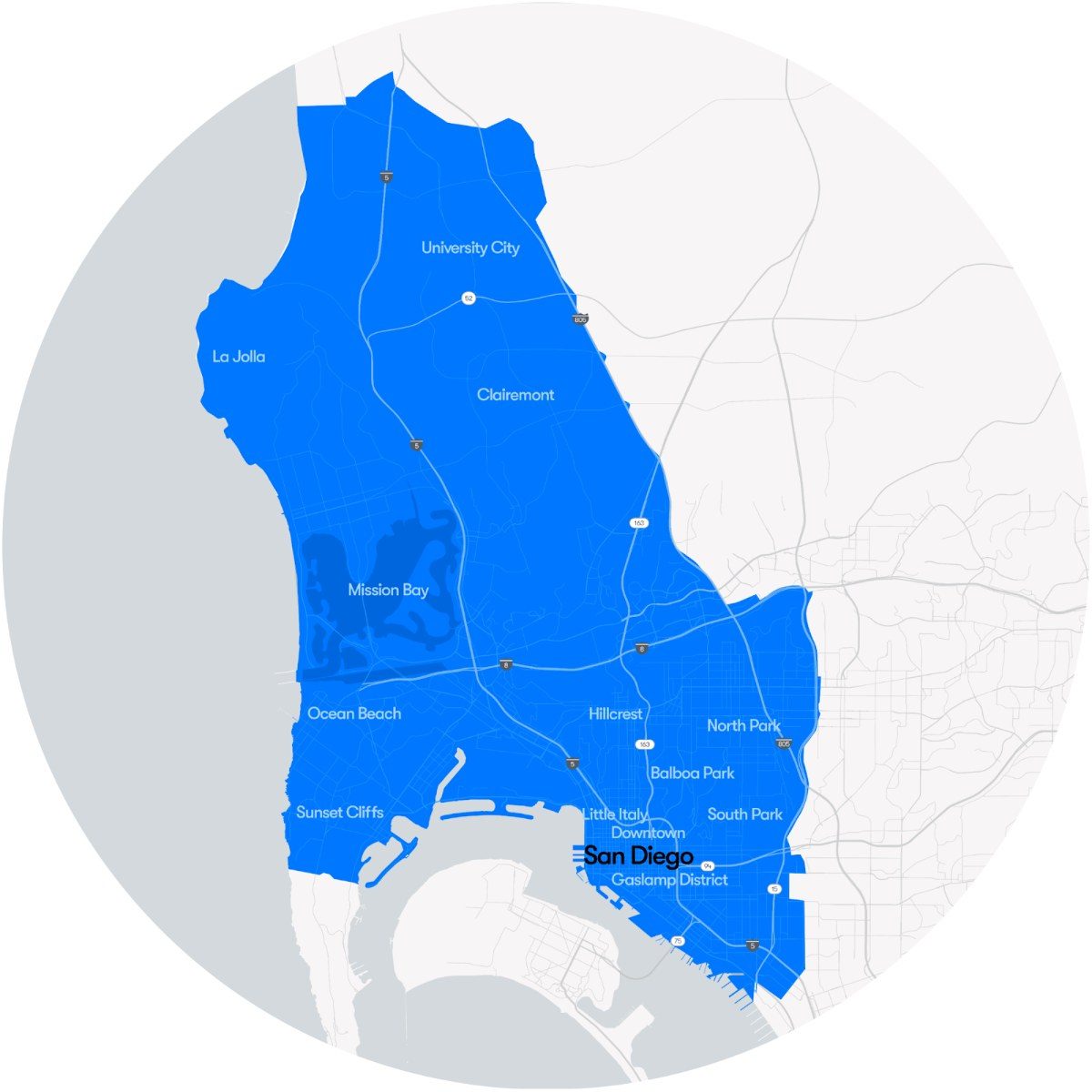
San Diego
The service area now stretches north to La Jolla, taking in University City and Clairemont along the way.
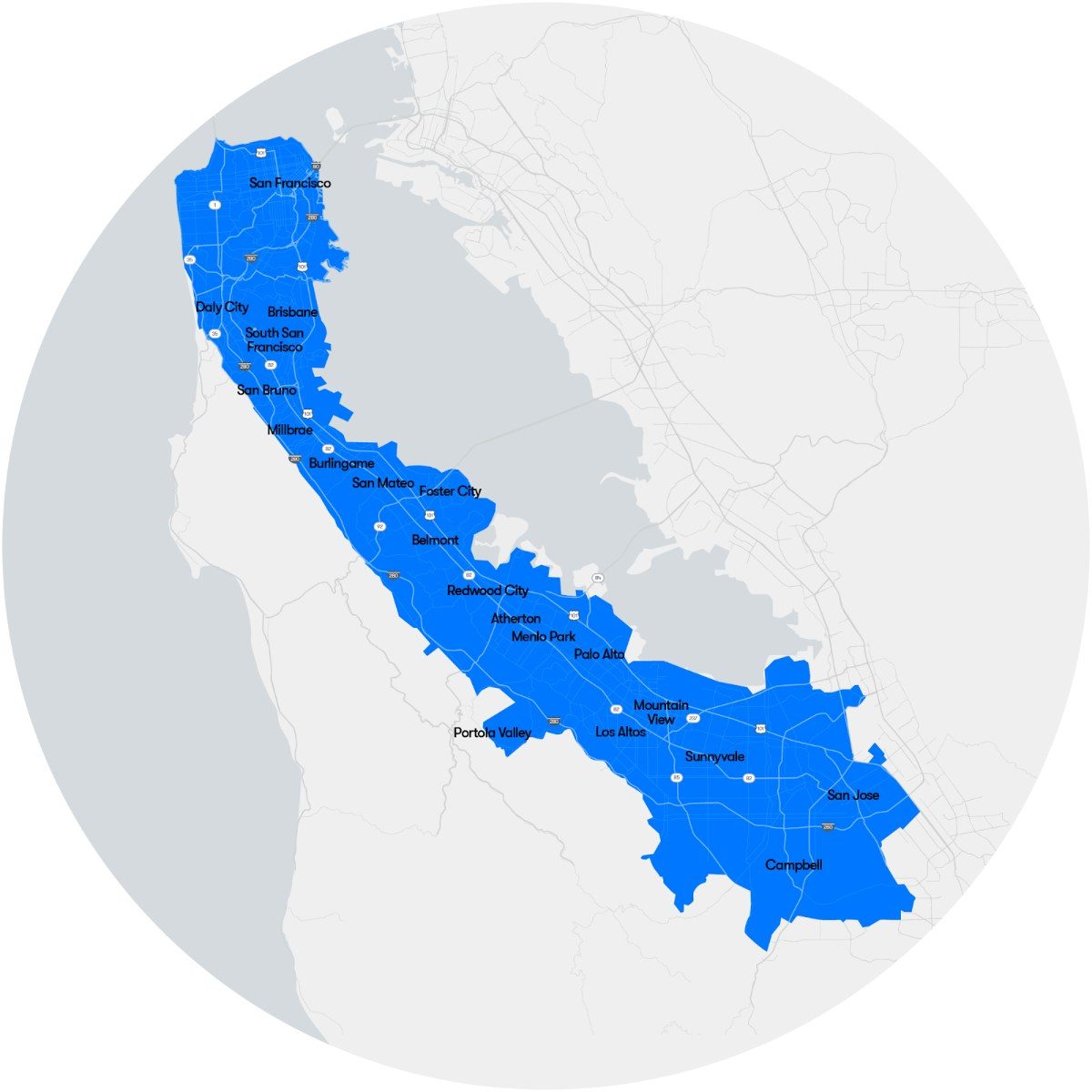
San Francisco Bay Area
Waymo is pushing further into the South Bay, including a connection to BART at Berryessa station in San Jose. The service area now runs from San Francisco down the Peninsula to San Jose and Campbell.
Waymo didn’t break out square mileage by city, and it didn’t say how many vehicles it’s adding to cover the new ground. The updated maps are already in the Waymo app.
Some of these markets are very young. Waymo opened Nashville to public riders in April with a zone of about 60 square miles covering downtown, Midtown, Music Row, and East Nashville. San Diego only went public on September 1, with roughly 50 square miles between the beach and I-15 that barely crossed north of I-8. So getting to La Jolla less than two months later is a big jump.
The gap keeps growing
In May, Waymo pushed its coverage past 1,400 square miles across 11 cities, which is bigger than the state of Rhode Island. Since then, it went driverless in Las Vegas, launched San Diego, and now says it operates in 15 US metros with more than 500,000 paid rides per week. It’s even mapping Toronto for a 2028 launch.
Tesla is also drawing bigger maps. After launching Robotaxi in Dallas and Houston with tiny geofences in April, it stretched Houston to about 254 square miles this week, according to Robotaxi Tracker. But the tracker counts 34 vehicles in Houston.
And on the metric that reflects actual use, it’s not close. Waymo logged 3.9 million rider-only miles per week in Q2 2026, while Tesla’s driverless fleet did 558,000 miles in its latest reported week, mostly in Austin. That’s about 7x, and it comes on the same day Elon Musk claimed the robotaxi race against Waymo “was never a real contest.”
Electrek’s Take
I like this. Good progress. But I’ll be truly impressed when the Bay Area service area extends south into LA, expands north, and the same happens in San Diego.
It’s going to happen. Waymo is already dabbling with highway operations in California.
I can see them linking all those service areas within the next 2 years. Maybe even by the end of next year if all goes well.
Robotaxis are electric, and so is the smartest way to fuel your own car. If you drive an EV, powering it with home solar can cut your fuel costs to nearly zero. With electricity rates up almost 10% last year and expected to keep climbing, going solar is one of the best ways to protect yourself against rising costs. And with lease and PPA options, you can do it with zero upfront cost and start saving immediately. If you want to find the best deal, check out EnergySage. It’s a free service with hundreds of pre-vetted installers competing for your business, so you save 20 to 30% compared to going it alone. No sales calls until you pick an installer. Get your free quotes here.


FTC: We use income earning auto affiliate links. More.



Comments