
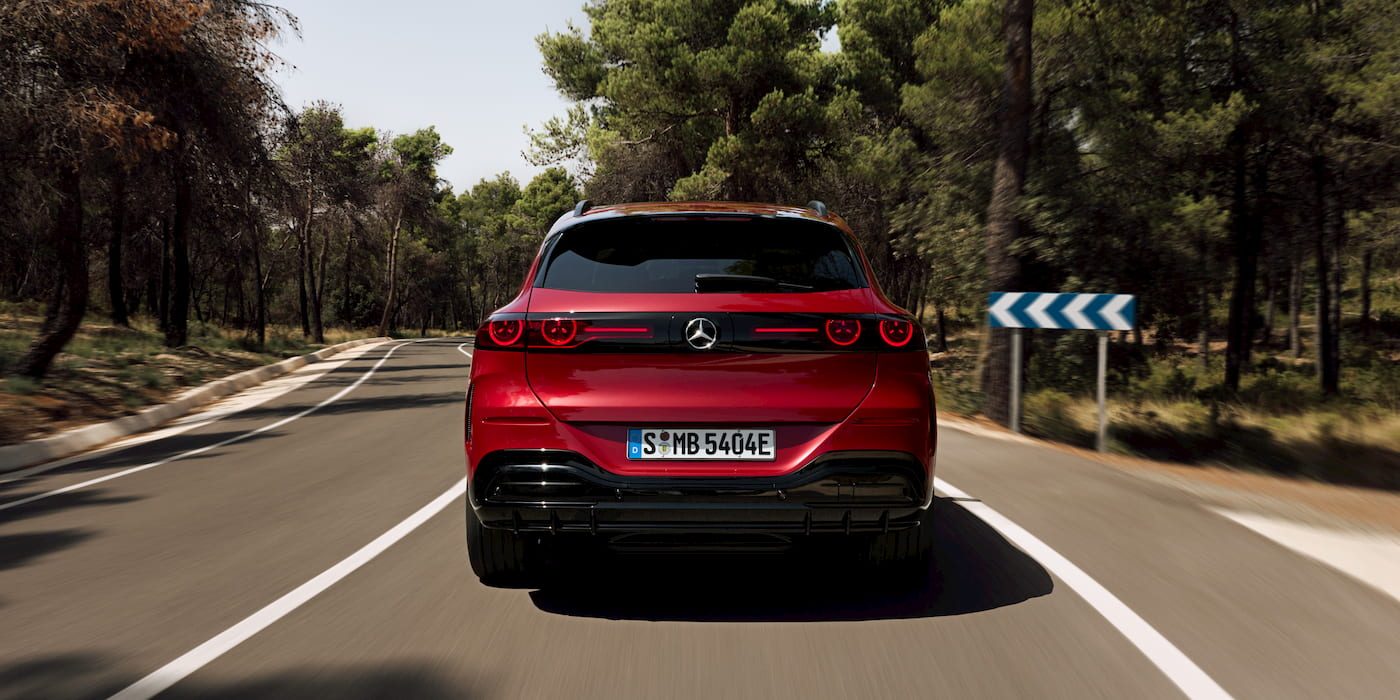
The new 2027 Mercedes-Benz GLC 400 4Matic EV has an EPA-estimated range of up to 331 miles, but in the real world, it will likely go even farther.
Mercedes GLC 400 EV beats EPA range in real-world test
Electric vehicles are becoming more efficient thanks to advances in batteries, drive units, and more, enabling longer driving ranges and faster charging.
The new 2027 Mercedes-Benz GLC 400 4Matic EV has an EPA-estimated range of up to 331 miles, which is more than enough for at least a few days of commuting on average.
In everyday driving conditions, it may drive much farther than its official numbers suggest. During Edmunds’ real-world range test, the GLC 400 EV drove 392 miles, or 18% more than its EPA estimate.
An extra 61 miles of range is huge. It could add another two, three, or even more days of commuting between charges.
The electric GLC was also more efficient, consuming just 28.4 kWh per 100 miles, about 14% less than the EPA’s official 33 kWh per 100 miles.
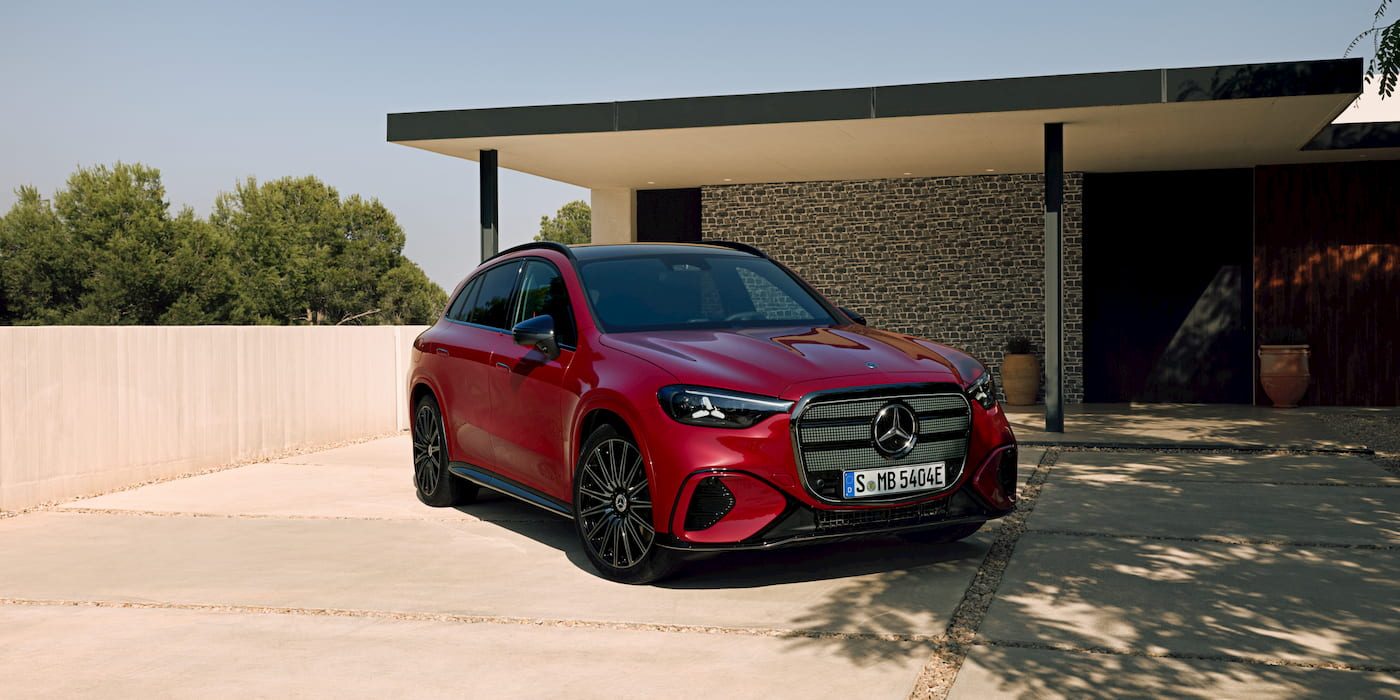
Mercedes’ new GLC outperformed most of the competition in the real-world range test. The 2027 Volvo EX60 P10 AWD traveled 352 miles, the 2025 Cadillac Optiq covered 339 miles, and the 2027 Audi Q6 E-Tron Prestige managed 337 miles.
The Edmunds real-world range test is designed to provide a more accurate estimate of an EV’s range in everyday driving conditions.
It consists of 60% city and 40% highway driving with an average speed of 40 mph. The vehicle stays within 5 mph of the posted speed limit, and the climate control is set on auto at 72 degrees.
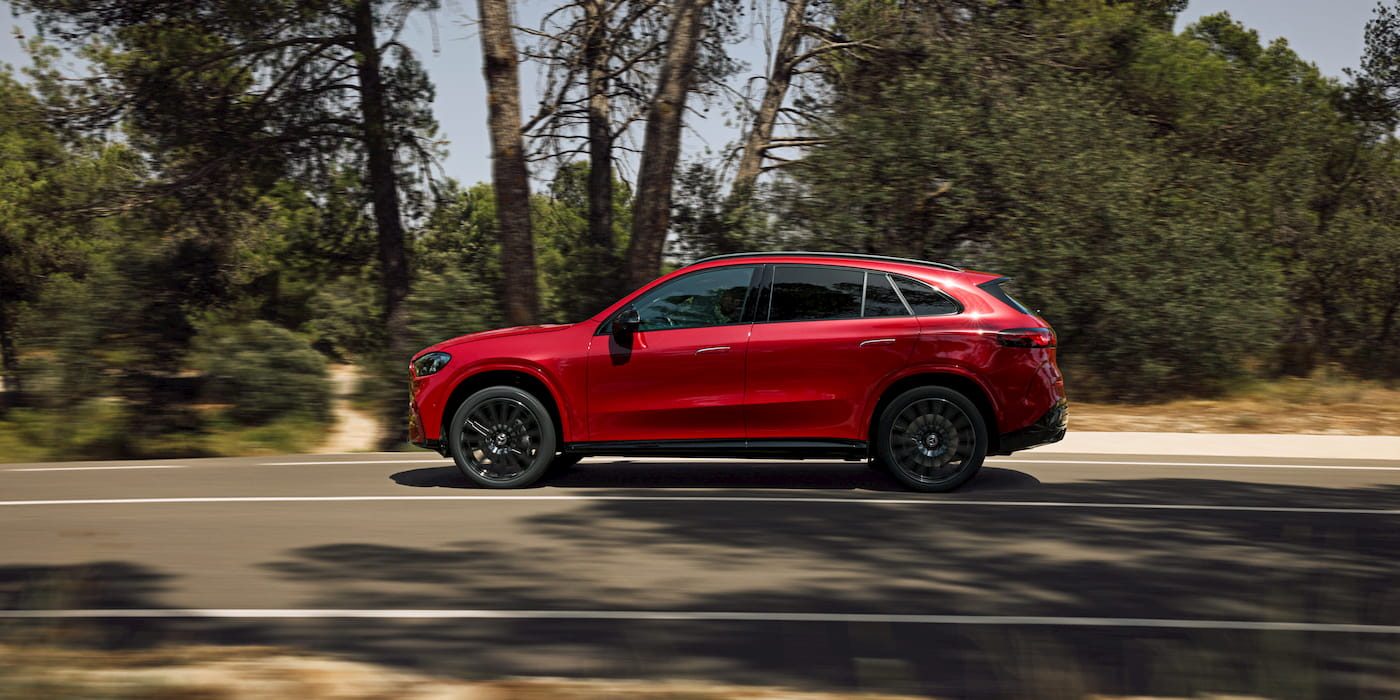
While charging speeds weren’t tested, the GLC 400’s 94 kWh battery supports DC fast charging up to 330 kW. Mercedes says it takes about 22 minutes to charge from 10% to 80%.
One thing is for certain: electric cars are quickly becoming more efficient with faster charging and longer driving range.
Top comment by zaphod beeblebrox
The A6 e-tron gets 350 (EPA) out of a 95 kWh (net) battery. I think sedans are more efficient than SUVs, though. Also, I routinely get more range than that. And, it looks much better. Lol
The number of electric cars offering 300 miles or more of EPA-estimated range has grown from just 1 model in 2016 (the Tesla Model S 90D) to around 60 by the end of 2026.
Several new 2027 models are now pushing closer to 400 miles of EPA range on a single charge. A recent BMW Group study found that Americans want more range than what they actually need.
The study found that 73% say 75 miles or less would cover their daily driving routine, while 42% want at least 300 miles before considering an EV. Only 18% of respondents said they wanted 400+ miles.
Did the 2027 Mercedes-Benz GLC catch your attention? See if you can find one close to you (find what’s available nearby).


FTC: We use income earning auto affiliate links. More.


Comments